Understanding the Festival of Lights: A Child’s Guide to Hanukkah
Hanukkah, also known as the Festival of Lights, is one of the most important holidays celebrated in Jewish communities around the world. The word “Hanukkah” comes from Hebrew and means “dedication,” which refers to the rededication of the Holy Temple in Jerusalem thousands of years ago. This eight-day winter celebration brings families together to remember a remarkable story of courage, faith, and miracles that happened over 2,100 years ago. For children, Hanukkah offers exciting traditions like lighting candles, spinning dreidels, exchanging gifts, and enjoying delicious foods prepared in oil.
The Ancient Story: When the Maccabees Stood Up for Their Beliefs
Around 168 BCE, a powerful Syrian king named Antiochus IV Epiphanes ruled over Jerusalem and the surrounding lands. Antiochus wanted everyone under his rule to follow Greek customs and religion. He made a shocking decision: he ordered Jewish people to stop practicing their religion. This meant they could not celebrate Shabbat, observe Jewish festivals, or practice circumcision, which are central to Jewish identity. Instead, he set up altars for Greek gods in the Jewish Temple and demanded that Jewish people worship Greek idols or face severe punishment.
Many Jewish people were forced to choose between their faith and their lives, but a brave priestly family called the Hasmoneans, also known as the Maccabees, decided to resist. The head of this family was an elderly man named Mattathias, and his son Judah became the military leader of the rebellion. Even though Judah and his followers were far outnumbered by the powerful Syrian army, they fought with incredible determination and courage. Remarkably, they won crucial battles against the much larger Syrian forces, driving them out of the land.
By the autumn of 164 BCE, Judah the Maccabee and his followers successfully reclaimed the Holy Temple in Jerusalem. When they entered the Temple, they were shocked to discover that the Syrian Greeks had turned it into a pagan shrine. The Jewish rebels immediately began the sacred work of cleansing the Temple and preparing it for rededication to God. This victory became one of the most celebrated moments in Jewish history.
The Miracle That Inspired Eight Days of Celebration
After reclaiming the Temple, Judah and his followers needed to light the eternal flame—a sacred candle that should burn continuously in the Temple as a sign of God’s presence. According to Jewish tradition, they searched for ritual olive oil to fuel this lamp but discovered that almost all of it had been defiled by the Syrian occupiers. They found only one small jar of oil that remained pure and sealed with the high priest’s seal.
Here’s where the miracle comes in: that single jar of oil contained enough fuel to keep the lamp burning for just one day. However, according to the Talmud (an ancient Jewish text), the oil miraculously burned for eight full days—long enough for new, pure oil to be prepared for continued use in the Temple. This extraordinary event became the foundation for the eight-day celebration of Hanukkah that Jewish communities observe to this day.
It’s worth noting that scholars believe this oil miracle story was added to the Hanukkah narrative centuries after the actual events, appearing in written form in the Talmud roughly 600 years after the Maccabean Revolt. Originally, the eight-day festival was intended to mirror the eight-day celebration of Sukkot, another important Jewish holiday. Regardless of its historical origins, the miracle of the oil has become central to how Hanukkah is understood and celebrated today.
The Menorah: The Symbolic Heart of Hanukkah
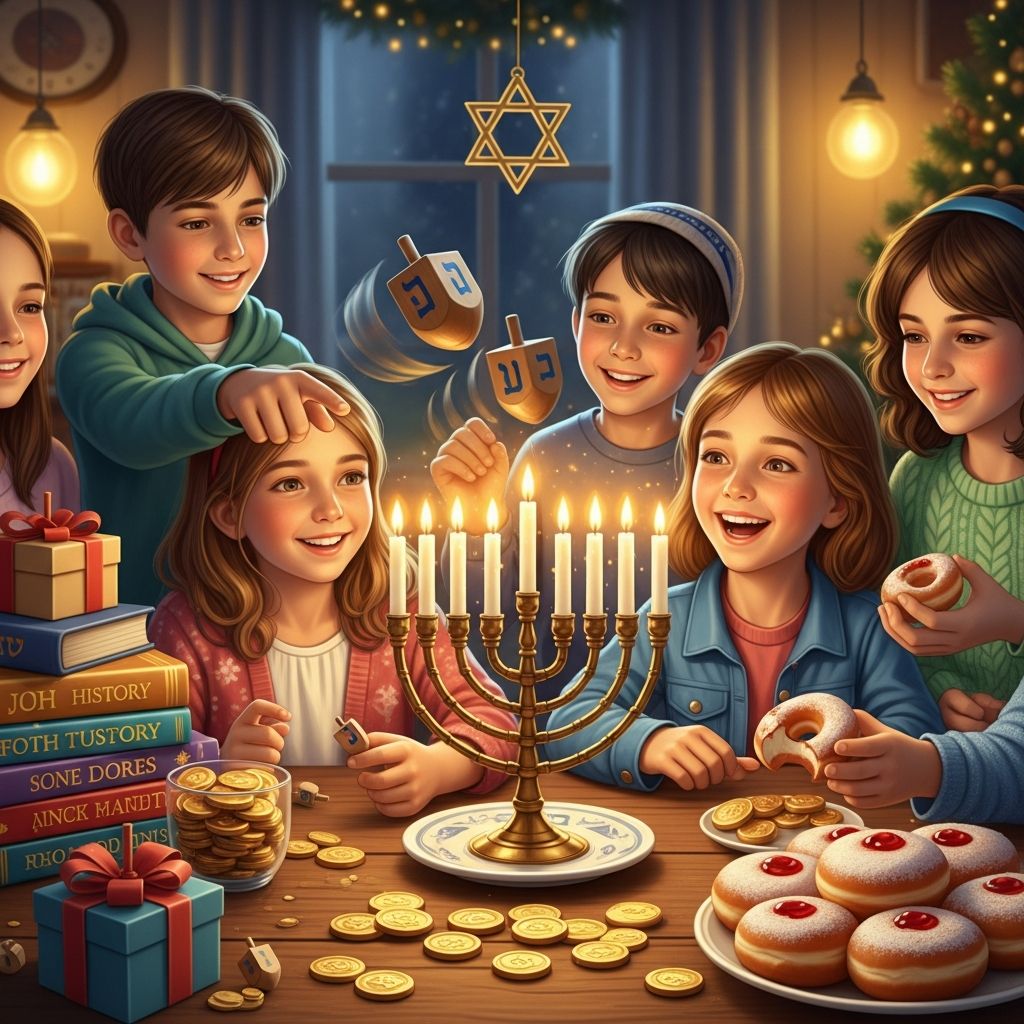
One of the most recognizable symbols of Hanukkah is the menorah, a special candelabra with nine branches. Each night of Hanukkah, families light one additional candle, starting with one candle on the first night and adding one more each evening until eight candles are lit on the final night. The ninth candle, called the “shamash” or helper candle, is used to light the other candles.
There was actually a historical debate among Jewish sages about how to light the menorah. One scholar named Shammai believed that eight candles should be lit on the first night, with one fewer candle lit each night until only one burned on the eighth night. He reasoned that the miracle was greatest at the beginning. However, another sage named Hillel argued for starting with one candle and adding one each night, suggesting that the miracle grew more powerful with each passing day. Jewish law ultimately followed Hillel’s approach, which is why the menorah lights grow brighter each evening of the holiday.
The Dreidel: A Spinning Top with a Hidden Purpose
Children love the dreidel, a four-sided spinning top used in a traditional Hanukkah game. Each side of the dreidel displays a different Hebrew letter: Nun, Gimel, Hey, and Shin. These letters stand for the phrase “Nes Gadol Haya Sham,” which means “A Great Miracle Happened There” in Hebrew. Players spin the dreidel and win or lose small prizes—traditionally chocolate coins or candies—based on which letter lands face-up.
The dreidel has a fascinating historical purpose that relates to the Syrian oppression. When the Greeks outlawed Jewish religious study, Jewish children and adults couldn’t openly study Torah and scripture. To protect themselves from punishment, they used dreidels as a clever disguise. When Syrian soldiers approached, Jewish students could quickly hide their sacred texts and pretend they were simply playing a game with the spinning top. This allowed them to continue learning their religious traditions in secret while appearing to engage in innocent entertainment.
Hanukkah Foods: Celebrating with Oil-Based Delicacies
Hanukkah food traditions celebrate the miracle of the oil, which is why many traditional dishes are fried in oil. The most beloved Hanukkah food in Israel is the sufganiyah, a jelly-filled donut that’s deep-fried until golden brown and often dusted with powdered sugar. These delicious treats are so popular that millions of sufganiyot are consumed throughout Israel during the eight days of Hanukkah.
Another classic Hanukkah favorite is potato latkes—crispy fried pancakes made from shredded potatoes, onions, and eggs, served with sour cream or applesauce. Many families have their own special latke recipes passed down through generations. Other traditional foods include cheese-based dishes, which commemorate a historical figure named Judith, and various fried pastries and sweets.
Hanukkah Cuisine Traditions by Region
- Israel: Sufganiyot (jelly donuts) and cheese pastries dominate holiday tables
- Eastern Europe: Potato latkes served with sour cream or applesauce are standard fare
- Mediterranean regions: Olive oil-based pastries and fried chickpea fritters are popular
- America: Families often combine traditional recipes with modern adaptations
When Does Hanukkah Occur and How Long Does It Last?
Hanukkah is celebrated according to the Hebrew calendar, beginning on the 25th day of the month of Kislev and lasting for eight days. On the secular calendar used in most Western countries, Hanukkah typically falls sometime between late November and late December, often near Thanksgiving or Christmas. Because the Hebrew calendar and the Gregorian calendar don’t align perfectly, the dates of Hanukkah change from year to year on the secular calendar.
The eight-day duration of Hanukkah has deep significance. It commemorates both the eight-day rededication of the Temple and the miracle of the oil lasting eight days, making the length of the holiday a powerful symbol of religious restoration and divine providence.
Hanukkah Traditions Beyond the Menorah
While lighting the menorah and spinning the dreidel are the most famous Hanukkah traditions, families celebrate in many other meaningful ways. Gift-giving has become an increasingly popular practice, with many families exchanging presents on each of the eight nights. This tradition helps children stay engaged throughout the holiday and creates special moments of celebration.
Many Jewish communities hold public menorahs lighting ceremonies in public squares and community centers, transforming these events into celebrations of religious freedom and cultural pride. Families gather to light candles together, sing traditional Hanukkah songs like “Maoz Tzur” and “Hanukkah, Oh Hanukkah,” and enjoy holiday festivities.
Why Hanukkah Matters Today
Hanukkah teaches children important values that extend far beyond the holiday season. The story of the Maccabees demonstrates the importance of standing up for beliefs, even when facing overwhelming odds. The miracle of the oil represents faith and hope during difficult times. The lighting of candles symbolizes bringing light into darkness, a message that resonates across cultures and religions.
For Jewish children, Hanukkah provides a connection to their heritage and history, helping them understand the struggles and triumphs of their ancestors. For people of all backgrounds, the holiday offers lessons about religious freedom, courage, and the power of community solidarity.
Frequently Asked Questions About Hanukkah
Q: How many candles are on a Hanukkah menorah?
A: A Hanukkah menorah has nine candles total—eight candles representing the eight nights of the holiday, plus one additional candle called the shamash or helper candle used to light the others.
Q: What does the word Hanukkah mean?
A: The word Hanukkah comes from Hebrew and means “dedication,” referring to the rededication of the Holy Temple in Jerusalem. The dreidel’s letters spell “A Great Miracle Happened There.”
Q: Why do we eat fried foods during Hanukkah?
A: Fried foods commemorate the miracle of the oil that burned for eight days in the Temple menorah. Traditional Hanukkah dishes like sufganiyot and latkes are cooked in oil to celebrate this miracle.
Q: Who were the Maccabees?
A: The Maccabees were members of a priestly family called the Hasmoneans who led a Jewish rebellion against Syrian-Greek rule around 168 BCE. Under the leadership of Judah the Maccabee, they successfully defeated the Syrian army and reclaimed the Temple.
Q: How long is Hanukkah celebrated?
A: Hanukkah is celebrated for eight consecutive days and nights, commemorating both the rededication of the Temple and the miraculous burning of the oil.
References
- Hanukkah — Wikipedia. Accessed 2026. https://en.wikipedia.org/wiki/Hanukkah
- History: The Hanukkah Story — Reform Judaism. Accessed 2026. https://reformjudaism.org/jewish-holidays/hanukkah/history-hanukkah-story
- Hanukkah 101 — My Jewish Learning. Accessed 2026. https://www.myjewishlearning.com/article/hanukkah-101/
- 17 Facts About Hanukkah You Probably Didn’t Know — Town & Country Magazine. Accessed 2026. https://www.townandcountrymag.com/leisure/arts-and-culture/g13787924/hanukkah-facts-history-story/