Halloween can be more than costumes and candy; it can be a season of kindness, creativity, and connection. This guide offers original, practical ideas for turning October into a month of shared fun and neighborly joy.
Why Halloween Traditions Matter for Families
For many families, Halloween falls at a busy time of year when school schedules, sports, and work are already competing for attention. Thoughtful traditions give everyone something lighthearted to anticipate and help mark the shift from late summer to cozy fall. These shared rituals become emotional landmarks children will remember long after the costumes are forgotten.
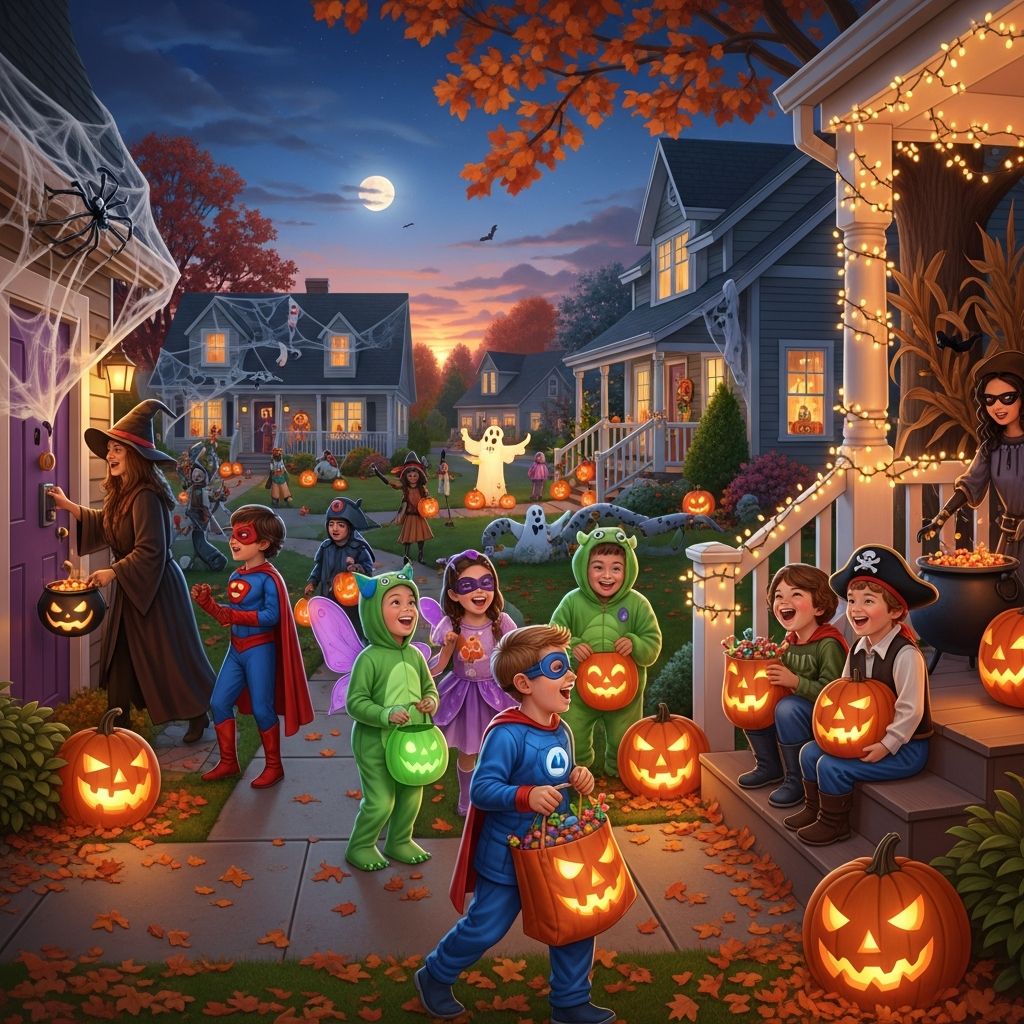
Halloween also offers a rare chance for neighbors to interact in positive, low-pressure ways. Simple activities like exchanging small surprises or decorating front porches can make the entire street feel more welcoming and inclusive.
A Gentle Guide to Secret Halloween Surprises
One charming idea that has grown popular in many communities is the secret Halloween surprise: leaving a small bundle of treats or seasonal goodies on a neighbor’s doorstep without revealing who delivered it. The gesture is light, playful, and rooted in generosity rather than fright.
The basic concept is simple: choose a household, prepare a little package of goodies, deliver it discreetly, and encourage them to keep the fun going by surprising someone else. Over time, an entire block can transform into a network of kindness.
Core Principles for Kind Surprises
- Keep it optional: Surprises should feel like invitations, never obligations or pressure to spend.
- Keep it small: Think thoughtful, not extravagant—stickers, a note, or a small snack are enough.
- Keep it respectful: Avoid overly scary themes or anything that might upset sensitive children.
- Keep it inclusive: Consider allergies, dietary needs, and cultural differences when choosing items.
How to Create Your Own Secret Treat Game
You can adapt a secret treat-delivery game to suit your street, apartment hallway, or friend group. The goal is to start a chain reaction of small, anonymous kindnesses that add magic to the weeks leading up to Halloween.
Step-by-Step Instructions
- Pick your audience. Decide whether you want to focus on close neighbors, a school carpool circle, coworkers, or extended family.
- Prepare a starter bundle. Include a short note explaining that the recipient has been chosen for a fun Halloween surprise and is invited—but not required—to pass the joy on to someone else.
- Choose the right moment. Deliver in early evening or daylight for safety and to avoid alarming anyone. If local rules discourage surprise drop-offs, check with your homeowners’ association or building management first.
- Ring and step away. If you ring a doorbell, step back to give space. Alternatively, quietly leave the bundle and send a friendly text afterward so the neighbors know something positive is waiting.
- Encourage creativity. Make it clear recipients can customize their own surprise in any way they like—craft kits, bookmarks, jokes, or fall snacks all work.
Ideas for Low-Cost Surprise Bundles
- Mini coloring pages, crayons, and a small pack of stickers.
- A handwritten note with three family-friendly Halloween jokes.
- Individually wrapped non-allergen treats or small fruit packs.
- Tea bags or hot chocolate packets for adults, plus a simple recipe card.
- A tiny DIY craft (paper bats, leaf garland pieces, or cut-out stars) with instructions.
Designing Traditions That Fit Your Family
Not every household loves jump scares or horror themes, and that is perfectly fine. Halloween traditions can be spooky, silly, cozy, or purely seasonal. The key is to choose rituals that reflect your family’s values and comfort level.
Some families lean into creativity—crafts, baking, decorating—while others prefer experiences like nature walks or story nights. Combining a few small rituals each year can make the entire month feel special without becoming overwhelming.
Family-Friendly Tradition Ideas
- Costume planning night: Set aside one evening early in October to brainstorm and sketch costume ideas together.
- Decorating playlist: Create a playful fall soundtrack for when you hang lights and pumpkins.
- Neighborhood walk: Take a twilight stroll once a week to admire decorations, then vote for the “friendliest porch” or “most creative window.”
- Story lanterns: Use battery candles and decorated jars to make gentle, glowing centerpieces for the dinner table.
Simple At-Home Activities for All Ages
If your family prefers staying close to home, there are countless ways to enjoy Halloween without big crowds. Quiet indoor activities can be just as memorable as noisy parties or long nights of trick-or-treating.
These ideas work well for mixed-age groups and can easily be adapted for small gatherings with grandparents, cousins, or neighbors.
Creative Craft Corner
- Paper mask decorating with crayons, markers, feathers, and yarn.
- Leaf rubbing art using sidewalk-collected leaves and colored pencils.
- DIY window silhouettes cut from black paper to tape inside windows.
- Painted rock “monsters” with googly eyes to hide along neighborhood paths.
Low-Stress Games
- Costume charades: Act out classic costumes—pirate, cat, ghost—without words.
- Pumpkin roll: See who can gently roll a mini pumpkin across the room with only a straw and their breath.
- Guess the sound: Play recordings or make sounds (rustling leaves, creaking door, cat meow) and have players identify them.
- Story chain: Each person adds one sentence to a silly not-too-scary story.
Inclusive and Allergy-Friendly Halloween Choices
Modern Halloween traditions can easily be adjusted to include children with food allergies, sensory sensitivities, or other needs. A little planning ensures everyone has a chance to participate without feeling singled out.
Non-food treats and flexible expectations are especially helpful. Reassure children that participating in the fun is more important than specific snacks or prizes.
Non-Food Treat Ideas
- Temporary tattoos or small sticker sheets.
- Mini notebooks, pencils, or erasers in fall designs.
- Glow sticks, rings, or bracelets for added nighttime visibility.
- Foam or felt shapes for crafting.
- Bookmarks featuring friendly ghosts, cats, or pumpkins.
Balancing Spooky Fun and Emotional Safety
Children vary widely in what they find fun versus frightening. Some delight in ghost stories and eerie decorations, while others feel overwhelmed by loud noises or creepy imagery. Respecting these differences builds trust and allows kids to enjoy the holiday at their own pace.
A useful approach is to create a clear family rule that anyone can request a “gentle Halloween” if they feel nervous. Adjusting decorations, skipping certain streets, or turning down loud music are easy ways to respond kindly.
Signs a Tradition Needs Adjusting
- Frequent nightmares or bedtime worries that spike in late October.
- Reluctance to walk past certain houses or display areas.
- Complaints of stomachaches or headaches from anxiety around parties or events.
- Over-excitement that turns into meltdowns at the end of the night.
Sample Halloween Tradition Planner Table
Use the following table as a starting point to map out which traditions you want to try this year. You can print or recreate it in a planner, then fill in items that match your budget, schedule, and kids’ ages.
| Activity | Time Required | Cost Level | Best For | Notes |
|---|---|---|---|---|
| Secret doorstep surprise bundle | 30–45 minutes | Low | Elementary-age kids and up | Great way to connect with neighbors in a playful, anonymous way. |
| Family costume planning night | 1–2 hours | Varies | All ages | Helps spread out expenses and avoid last-minute stress. |
| Indoor craft afternoon | 1–3 hours | Low | Preschool and early elementary | Use household supplies like paper, crayons, and cardboard. |
| Neighborhood lights and decorations walk | 30–60 minutes | Free | All ages | Perfect for weeknights; doubles as relaxed family exercise. |
| Story and cocoa night | 45–90 minutes | Low | Kids who enjoy reading or listening | Mix funny and gentle stories for a calming end to the day. |
Tips for Respectful Neighborhood Participation
Not every household celebrates Halloween, and some may prefer not to receive visitors or surprises. Being sensitive to these preferences makes your traditions more sustainable and respectful in the long term.
Whenever possible, look for signals such as porch lights, posted notices, or prior conversations that indicate whether a neighbor welcomes holiday activities. If you are unsure, a simple text message or casual chat can clarify expectations.
Simple Courtesy Guidelines
- Avoid surprising homes with no visible decorations if you do not know the residents well.
- Skip loud noise-makers or jump scares in shared hallways or stairwells.
- Be ready to clean up any confetti, wrappers, or decor you leave behind.
- Follow local rules about door-to-door activities, especially in apartment complexes.
Making Traditions Sustainable Year After Year
The best traditions are enjoyable enough that families want to repeat them without feeling obligated. Start small so you can carry practices forward rather than burning out after one ambitious season. Repeating just a few rituals each year—like a secret surprise delivery, a favorite movie night, and a neighborhood walk—can be more meaningful than an overstuffed calendar.
Keep a simple list of what you tried and what each family member loved, liked, or could skip. Over time, your personal Halloween playbook will emerge, tailored exactly to your household and community.
Frequently Asked Questions About Halloween Traditions
How early should we start Halloween traditions?
Many families begin light traditions, such as decorating porches or planning costumes, around the start of October. This pacing helps spread out activities and keeps the final week of the month from feeling chaotic.
What if our neighborhood is not very social?
If your area is quiet or people tend to keep to themselves, start with low-key gestures. A friendly note, a small wreath on your door, or waving to neighbors during a twilight walk can gradually open the door to more interaction.
How can we include older kids and teens?
Invite older kids to help plan, not just participate. Let them design surprise bundles, choose music, run games for younger children, or experiment with photography and video to document the season.
Is it okay to skip trick-or-treating?
Absolutely. Halloween is not limited to one activity. Families can enjoy movie marathons, indoor scavenger hunts, board games, storytelling, or baking nights instead, all while still capturing the spirit of the season.
How can we keep costs under control?
Focus on time, creativity, and connection rather than purchases. Many of the best traditions—walks, stories, crafts made from recycled materials, and shared meals—require only simple supplies and imagination.
Halloween becomes truly memorable when it shifts from a single night into a season of thoughtful, playful rituals. Whether you welcome the holiday with secret surprises, gentle decorations, or cozy nights at home, your unique traditions can reflect who your family is and how you wish to connect with your community.