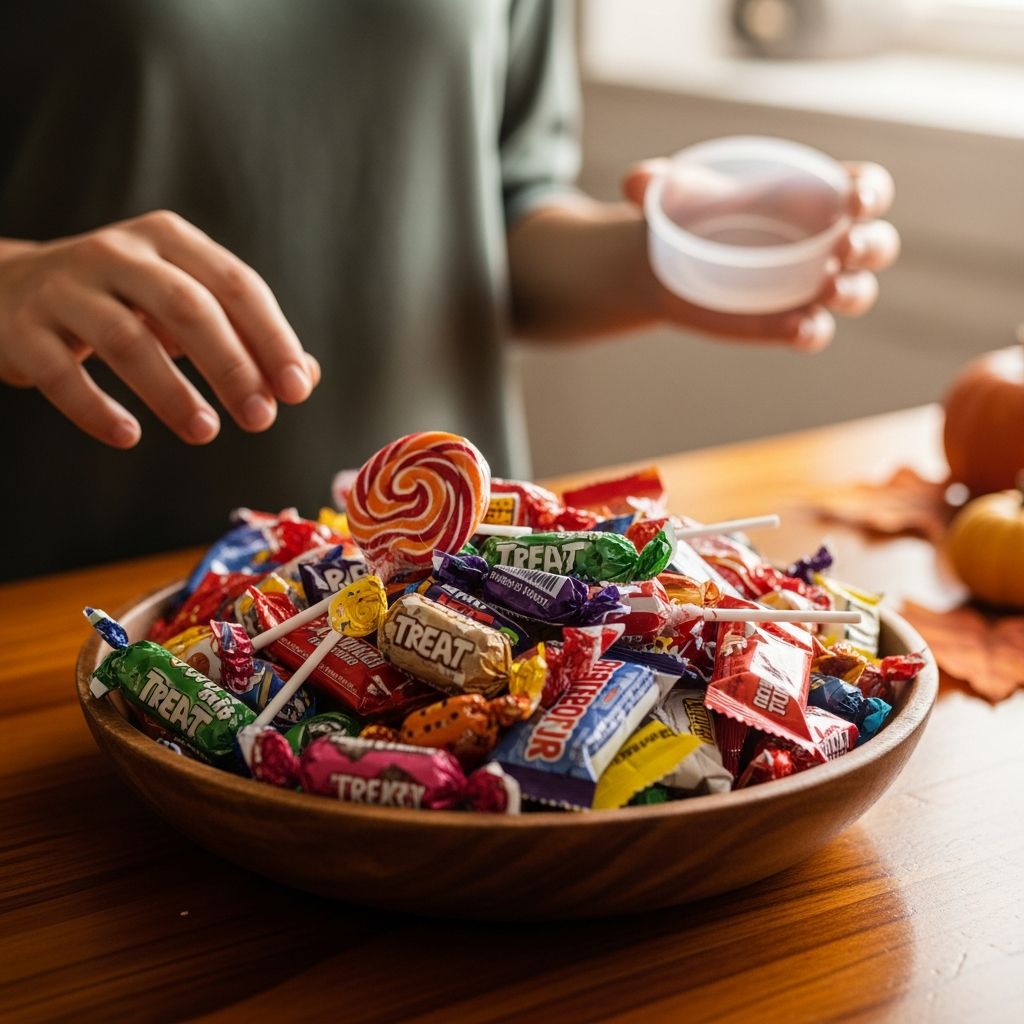
Every Halloween brings a deluge of sugary treats into homes, sparking parental debates on how to handle the candy haul. Rather than imposing strict bans or allowing unchecked indulgence, evidence-based approaches emphasize balance, trust, and natural self-regulation. This guide draws from pediatric recommendations and research to help you navigate the season thoughtfully.
Understanding Daily Sugar Limits for Children
The American Academy of Pediatrics (AAP) provides clear benchmarks for added sugar consumption. Children ages 2 and older should limit intake to no more than 25 grams—or about six teaspoons—per day. This equates roughly to two fun-sized candy pieces, such as a 12-gram Skittles pack or 10-gram Milky Way bar, leaving no room for sugar from other sources that day.
For infants under 2, the Dietary Guidelines for Americans advise zero added sugars. This critical period shapes lifelong taste preferences, prioritizing nutrient-dense foods instead. Young children under 5 also face choking risks from hard candies, gums, caramels, and gummies, warranting extra caution.
| Candy Type | Added Sugar (grams) | Equivalent Teaspoons |
|---|---|---|
| Fun-size Skittles | 12 | 3 |
| Fun-size Milky Way | 10 | 2.5 |
| Fun-size Kit Kat | 6 | 1.5 |
| Fun-size Reese’s Cup | 8 | 2 |
This table illustrates how quickly daily limits are met, highlighting the need for mindful portioning.
Debunking the Sugar-Hyperactivity Myth
A common concern is that sugar fuels hyperactivity or behavioral issues. However, multiple studies refute this: sugar intake does not correlate with hyperactive or problematic behavior in children. Perceived ‘sugar rushes’ often stem from excitement, special occasions, or expectation biases rather than the sugar itself.
Research consistently shows no causal link, even in controlled settings. The hype around candy arises from its rarity and forbidden allure, not physiological effects. Approaching treats without fear reduces binge tendencies and secret eating.
Pre-Halloween Preparation: Setting the Stage
Start with a nutritious dinner before trick-or-treating. A balanced meal—protein, veggies, and whole grains—provides sustained energy, curbs ravenous hunger, and tempers candy appeal.
- Discuss expectations upfront: Explain candy rules collaboratively to build buy-in.
- Prepare for choking hazards: Inspect treats for young kids, discarding sticky or hard items.
- Stock non-candy options: Offer stickers or toys as alternatives if desired.
Preparation fosters routine and reduces overwhelm, turning candy into a manageable part of the fun.
Halloween Night: Freedom with Guidance
Let children lead on Halloween night. After sorting their loot—trading favorites and sharing stories—allow them to sample freely. Most won’t overindulge excessively; their bodies signal fullness naturally if not overridden by restrictions.
Make it interactive: Create a ‘candy map’ labeling types, sugars, and flavors. This educates without lecturing, sparking curiosity about nutrition. Keep the mood light—holidays are for joy, not battles.
The Post-Halloween Candy Plan: Building Trust
Store candy centrally, like in the kitchen, out of reach from pets (toxic chocolate, xylitol) and toddlers. For 2-3 days post-Halloween, maintain ‘unlimited’ access at meals and snacks. This demystifies candy, proving it’s not elusive or superior to regular foods.
Ellyn Satter’s division of responsibility model supports this: Parents provide structure; children decide intake. Unlimited access initially teaches self-regulation—kids often eat less than expected once novelty fades.
Transition to daily boundaries:
- Lunch: 1-2 pieces with a balanced meal (eat in any order).
- Snack: 1-2 pieces post-school.
- Dessert: 2-3 pieces after dinner.
- Total: 4-7 pieces daily, aligning with AAP limits.
Collaborative problem-solving enhances adherence: Brainstorm rules together, accounting for needs like energy for sports or homework.
Comparing Candy to Everyday Foods
Halloween treats aren’t uniquely villainous. Consider sugar in common items:
| Food Item | Serving Size | Added Sugar (grams) |
|---|---|---|
| Flavored Yogurt | One container | 15 |
| Raisin Bran Cereal | 1 cup (no milk) | 14 |
| Fun-size Kit Kat | One piece | 6 |
Everyday foods often match or exceed candy sugars, yet lack binge stigma because they’re normalized. Treat candy similarly to avoid moralizing food.
Long-Term Benefits of a Relaxed Approach
Strict limits backfire, heightening desire and sneaky behavior. Indulgent freedom builds intuitive eating: Kids learn satiety cues, reducing future overeating risks. It normalizes treats as ‘just food,’ curbing emotional attachments.
For younger kids, pair candy with new foods to expand palates. Older children can track intake via journals, linking choices to energy levels. These habits promote lifelong balance.
Health and Safety Reminders
- Allergies: Check labels; discard homemade items.
- Dental Health: Brush after sweets; chew xylitol gum if age-appropriate.
- Excess Signs: Tummy aches, lethargy—rare with moderation.
- Donations: Excess to food banks or dentists.
Frequently Asked Questions
What if my child eats too much on Halloween night?
It’s typically fine; discomfort teaches natural limits. Offer water, rest, and a light breakfast. Most self-correct without intervention.
Should I buy sugar-free candy?
No need—research shows no hyperactivity link, and restrictions amplify appeal. Focus on overall balance.
How do I prevent hiding candy?
Open access eliminates secrecy. Visible, shared stashes reduce thrill-seeking.
What’s too much candy daily?
Aim for 25g added sugar max (2-3 pieces). Adjust by age/activity; consult pediatricians for specifics.
Can toddlers have any candy?
Avoid under 2; limit hard/gummy types under 5 due to choking.
These strategies transform Halloween from sugar stress to teachable joy. By trusting kids’ instincts within gentle structures, parents cultivate confident eaters.
References
- Halloween Candy Safety for Children — Mylicon (AAP Guidelines). Accessed 2026. https://www.mylicon.com/advice-item/halloween-candy-safety/
- Halloween candy: A smart guide for parents — Your Local Epidemiologist. 2023-10-25. https://yourlocalepidemiologist.substack.com/p/halloween-candy-children-hyperactivity-jetelina
- How Much Candy is Too Much? Should We Provide Our Kids Sugar-Free Halloween Candy? — Abbey’s Kitchen. Accessed 2026. https://www.abbeyskitchen.com/halloween-candy-rules-kids/
- Overconsumption Worries: Kids’ Halloween Candy Tips — Prescott Pediatric Therapy. Accessed 2026. https://prescottpediatrictherapy.com/overconsumption-worries-kids-halloween-candy-tips/
- Tips on Dealing with Holiday Candy — Children’s Hospital of Philadelphia (CHOP). Accessed 2026. https://www.chop.edu/news/health-tip/tips-dealing-holiday-candy
- Why Halloween Candy Rules Don’t Work (And What Actually Does) — Your Parenting Mojo. Accessed 2026. https://yourparentingmojo.com/halloween-candy-rules-that-actually-work/
- Sweet Balance: A Parent’s Guide to Managing Halloween Candy — The Pediatric Associates. Accessed 2026. https://www.thepediatricassociates.com/sweet-balance-a-parents-guide-to-managing-halloween-candy/