Understanding Hair Dye Safety for Young People
The desire to express individuality through hair color is a common phase many young people experience during their growing years. While hair coloring can be a fun way for children and teenagers to explore self-expression, parents face important decisions about when and how to allow this practice safely. Understanding the composition of hair dyes, the associated health risks, and the age-appropriate options available is essential for making informed choices about your child’s grooming practices.
Hair dyes contain numerous chemical compounds designed to penetrate the hair shaft and create lasting color changes. These formulations vary significantly in their chemical complexity and potential for adverse reactions. Before permitting your child to dye their hair, it is crucial to understand what these products contain, who should and should not use them, and what precautions are necessary if you decide to proceed.
Age Considerations and Manufacturer Recommendations
The question of appropriate age for hair dyeing is one that manufacturers and health professionals have addressed with specific guidelines. Most commercial hair dye products, whether purchased for salon use or as home application kits, carry a minimum age recommendation of 16 years. This age threshold is not arbitrary but reflects manufacturer assessment of when a young person’s scalp and hair structure are sufficiently mature to handle the chemical exposure involved in the dyeing process.
Products containing p-phenylenediamine (PPD), a common ingredient in many hair dyes, typically maintain this age 16 minimum. This chemical is particularly associated with allergic reactions and sensitivity concerns in younger individuals. For children younger than 16, the risks associated with using standard commercial hair dyes generally outweigh the aesthetic benefits, according to most manufacturers and health authorities.
Parents of younger children who wish to explore hair coloring should recognize that this age guideline exists for protective reasons. Scalps in children under 16 may be more sensitive to chemical irritants, and allergic reactions, though rare, can be more severe in younger age groups. Understanding and respecting these manufacturer recommendations helps ensure your child’s safety during their exploration of personal style.
Chemical Composition and Potential Health Concerns
Hair dyes operate through chemical mechanisms that alter the natural pigmentation of hair strands. Standard permanent and semi-permanent dyes contain compounds that penetrate the hair cuticle and deposit color throughout the hair shaft. While the body absorbs only small amounts of these chemicals when properly applied, the ingredients themselves can pose risks for certain individuals.
One significant health concern has involved lead acetate, a color additive previously used in some progressive hair dye products that create gradual coloring effects over time. However, the FDA has taken action to protect consumers. As of October 31, 2018, the FDA repealed regulations allowing lead acetate in hair dyes because there is no longer a reasonable certainty of no harm from this color additive. This regulatory change demonstrates the ongoing commitment to ensuring hair dye safety standards.
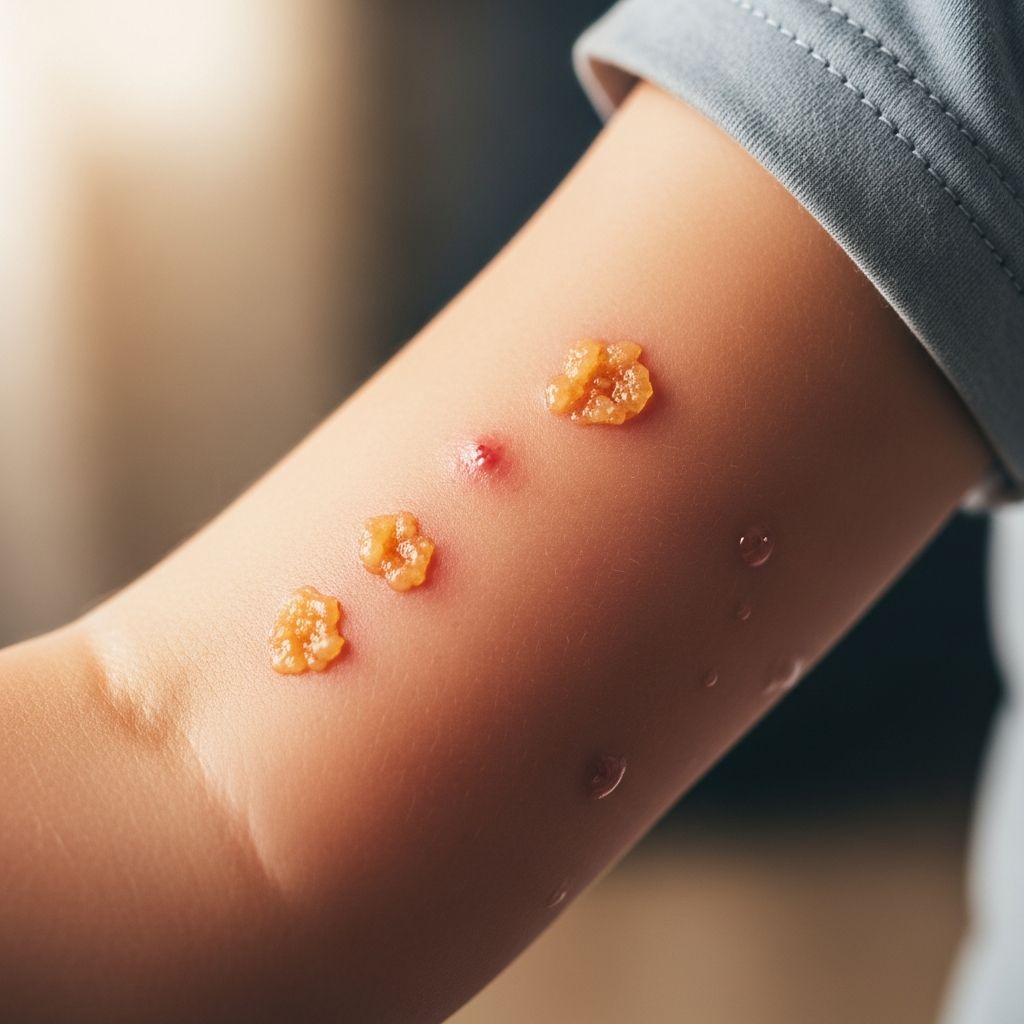
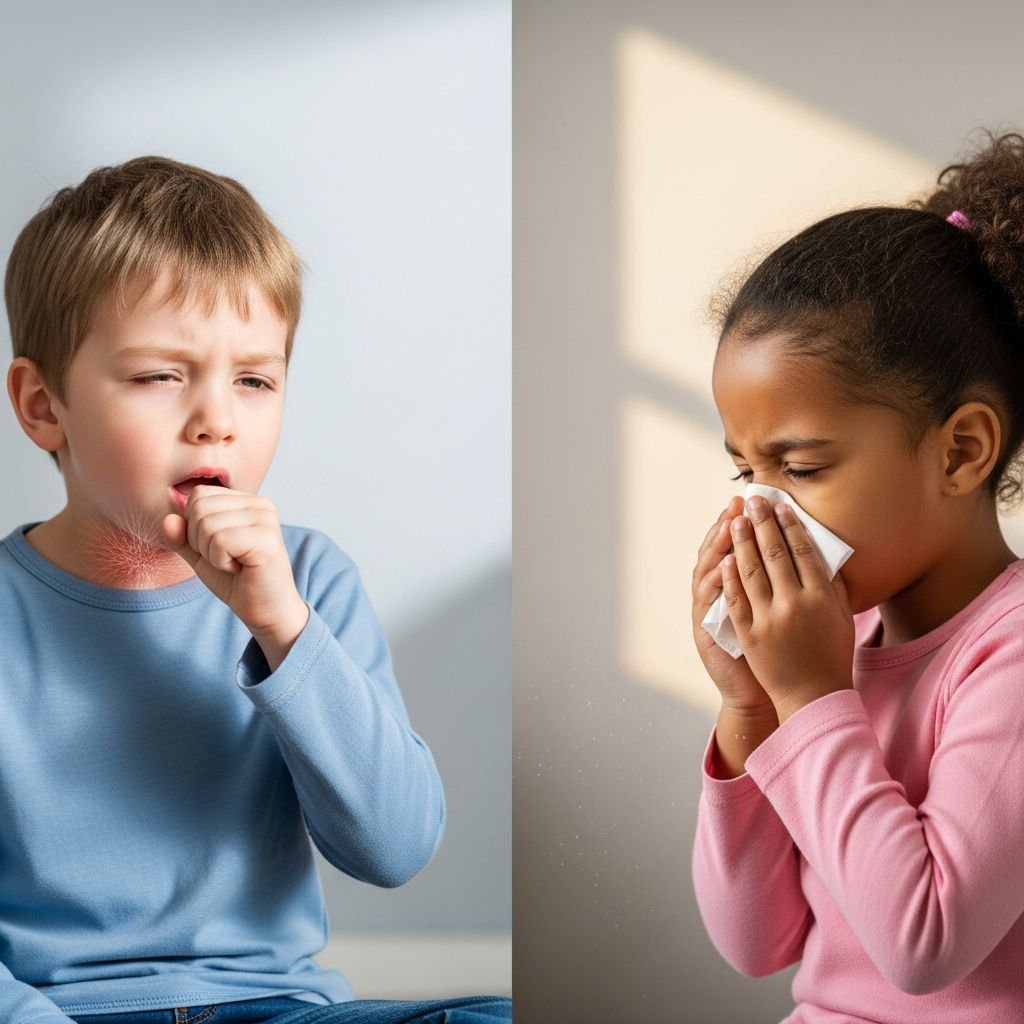
PPD and similar compounds can trigger allergic reactions ranging from mild skin irritation to more severe responses including rashes and swelling. Additionally, some individuals experience asthma-related symptoms or respiratory sensitivity when exposed to hair dye fumes. These reactions can occur even in individuals who have successfully used a particular product previously, making patch testing crucial before each application.
Identifying and Managing Allergic Reactions
Allergic reactions to hair dyes represent one of the most common adverse effects associated with these products. What makes allergic sensitivity particularly tricky is that reactions may not occur during initial use but may develop after repeated exposure. A child might use a product without incident the first time, only to develop an allergic response during a second or subsequent application.
Signs of allergic reaction include:
- Itching or burning sensations on the scalp
- Redness or inflammation of the scalp area
- Swelling of the scalp, face, or neck
- Hives or rash development on the scalp or nearby skin
- Difficulty breathing or respiratory discomfort
- Swelling around the eyes or mouth
The most critical safety measure for preventing allergic reactions is the patch test, which should be conducted before every single application of hair dye, not just the first time. A patch test involves applying a small amount of the dye product to a discrete area, typically behind the ear, and observing for any reaction over a 48-hour period. Many hair dye products include specific patch test instructions with their packaging, and these directions should be followed exactly.
Critical Safety Precautions for Hair Dyeing
If you decide to permit your child to dye their hair, following established safety protocols significantly reduces the risk of adverse effects. These precautions have been developed by regulatory agencies and health organizations based on documented incidents and scientific evidence.
Pre-Application Preparation: Before applying hair dye, ensure your child’s scalp is in optimal condition. Do not scratch, brush, or irritate the scalp for three days prior to dyeing. The scalp should not be sunburned, damaged, or showing signs of irritation. If your child has recently undergone chemical treatments such as bleaching, relaxing, or perming, wait at least 14 days before applying hair dye to allow the scalp to recover.
Application Safety: Always wear protective gloves when applying hair dye to prevent staining and reduce skin exposure. Follow all package directions precisely, paying particular attention to any caution or warning statements included. Do not extend the application time beyond what the manufacturer recommends, and use a timer or clock to track the duration accurately.
Ventilation and Exposure: Apply hair dye in a well-ventilated area to minimize inhalation of fumes. Keep the product away from the eyes, and absolutely never apply dye to eyebrows or eyelashes, regardless of what your child may request. The FDA explicitly bans hair dyes for eyelash and eyebrow use because of the severe risk of eye damage or blindness.
Post-Application Care: After the recommended time has passed, rinse the scalp thoroughly with water to remove all traces of the dye product. This step is essential for minimizing prolonged chemical exposure and preventing scalp irritation.
Special Populations and Pregnancy Considerations
Certain groups require additional caution regarding hair dye use. Medical professionals advise pregnant women to avoid hair dyeing, particularly during the first trimester when fetal development is most critical. While research suggests that only small amounts of hair dye chemicals are absorbed into the bloodstream during typical application, insufficient data exists to completely rule out potential effects on a developing baby. Pregnant adolescents should discuss hair coloring with their healthcare provider before proceeding.
Additionally, individuals with known sensitivities to specific dye ingredients or those with a history of scalp conditions should consult with a dermatologist before using hair dyes. Those who have previously experienced adverse reactions to hair products should carefully review ingredient lists to avoid previously problematic compounds.
Safer Temporary Alternatives for Younger Children
For children under 16 who wish to experiment with hair color, several safer temporary alternatives exist that allow for self-expression without the chemical risks associated with permanent or semi-permanent dyes.
Temporary Wash-Out Products: Wash-in, wash-out hair coloring gels and dyes provide color that gradually fades with shampooing. These products typically contain fewer harsh chemicals than permanent dyes and present lower allergy risks. Manic Panic brand products, for example, contain no PPD and have no specified age restrictions, though patch testing remains advisable.
Kool-Aid Dye Method: An inexpensive alternative involves using unsweetened Kool-Aid powder mixed with water to create a temporary dye. This method works best on light-colored hair and typically washes out within a couple of weeks, though results may vary depending on hair porosity and individual application technique.
Hair Chalk and Temporary Sprays: Non-permanent options such as washable hair chalk or temporary color spray allow children to experiment with different colors without any chemical commitment. These products wash out with shampooing and pose minimal risk of adverse reactions.
Hair Extensions and Clip-In Pieces: Colored hair extensions or clip-in colored sections allow children to experience different colors without applying any chemicals to their natural hair. This approach eliminates health risks entirely while still providing the aesthetic appeal of different hair colors.
Having the Conversation with Your Child
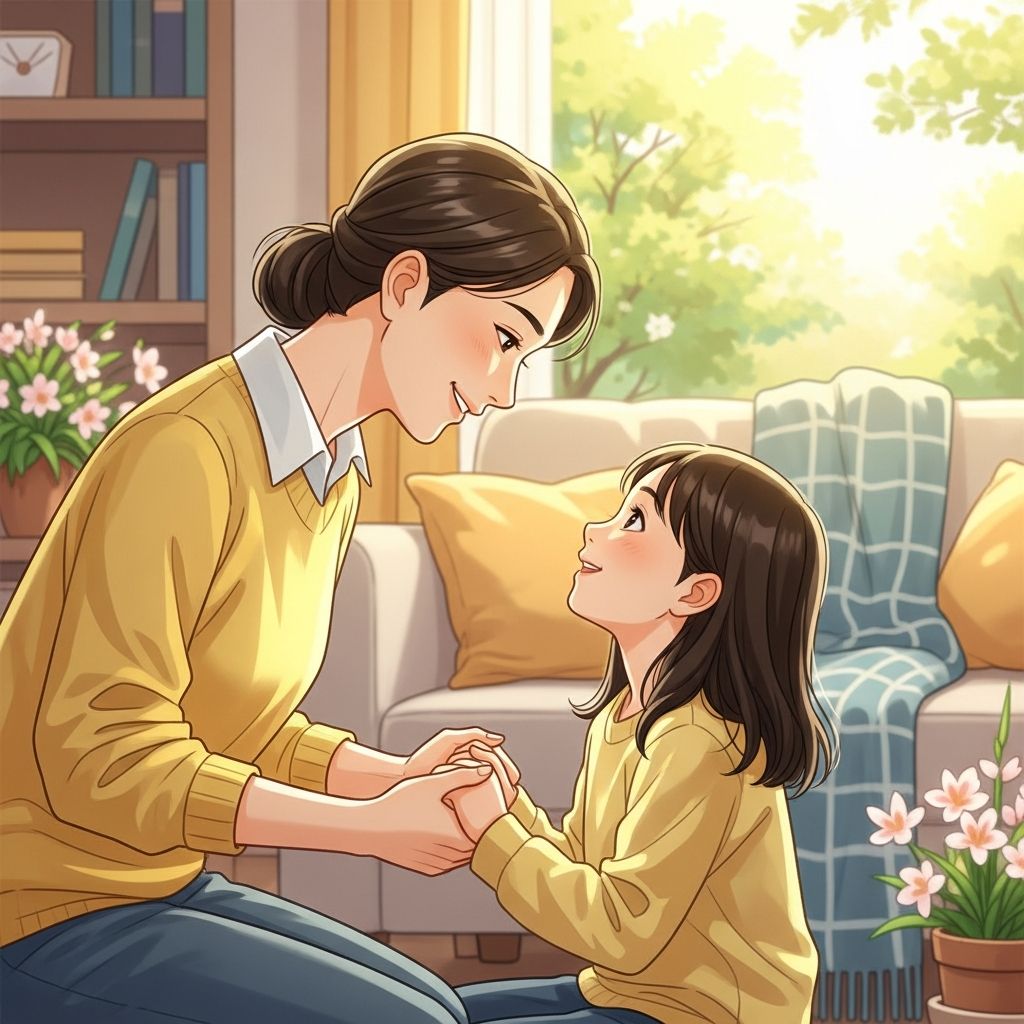
Discussing hair dyeing with your child involves balancing their desire for self-expression with your responsibility for their safety and health. Start by acknowledging that wanting to experiment with appearance is normal during adolescence. However, explain the specific safety concerns associated with hair dyes in an age-appropriate manner.
Consider whether your child is ready for this responsibility. Dyeing hair safely requires understanding instructions, following safety precautions consistently, and monitoring for adverse reactions. If your child is mature enough to handle these responsibilities and meets the age threshold of 16, and if they have no history of sensitive skin or allergies, you might permit salon dyeing under professional supervision as a safer option than home application.
Discuss the temporary alternatives available and their advantages. Many children find temporary options exciting because they allow color experimentation without permanent commitment. This approach also provides an opportunity for your child to determine whether they actually enjoy having dyed hair before committing to permanent chemical treatment.
When Professional Salons Are the Better Option
If you decide to permit your teenager to dye their hair, having the procedure performed at a professional salon offers several advantages over home application. Professional stylists have training in proper application techniques, ventilation requirements, and recognition of potential problems. They ensure patch testing is conducted correctly and have experience recognizing early signs of allergic reactions.
Salon professionals also possess expertise in color selection appropriate for your child’s skin tone and undertones, increasing the likelihood of a result your child will be satisfied with. Additionally, they can advise on hair care following the dyeing process to minimize damage and maintain color vibrancy.
The professional environment ensures proper ventilation and access to emergency measures should any adverse reaction occur. For these reasons, salon dyeing represents the safer choice when you decide to permit hair coloring for your teenager.
Post-Dye Hair Care and Maintenance
Following hair dyeing, proper care helps maintain color while supporting hair health. Use color-safe shampoos and conditioners specifically formulated to minimize color fading and reduce chemical buildup. Heat styling should be minimized in the weeks following dyeing, as chemical-treated hair is more vulnerable to damage from high temperatures.
Deep conditioning treatments help restore moisture to hair that has undergone chemical treatment. Limit washing frequency to reduce color fading and minimize scalp exposure to additional products. Protecting dyed hair from sun exposure helps preserve color vibrancy.
Hair growth means that dyed portions will eventually require touch-ups or be trimmed away. Discuss with your child the maintenance commitment involved in keeping dyed hair looking intentional rather than neglected. This conversation helps ensure they understand the full scope of the responsibility they’re taking on.
Frequently Asked Questions
Q: Is hair dye dangerous for all children?
A: Hair dye itself isn’t inherently dangerous when used according to manufacturer directions and safety precautions, but children’s scalps and immune systems are still developing. Manufacturers recommend waiting until age 16, and following all safety guidelines significantly reduces risks for those who do dye their hair.
Q: What should I do if my child has an allergic reaction?
A: Stop using the product immediately and rinse the affected area thoroughly with water. Remove the dye from hair by shampooing multiple times. If symptoms persist or worsen, contact your pediatrician or seek emergency care if swelling affects breathing or the face.
Q: Can I use regular hair dye on my child’s hair at home?
A: While it’s technically possible, professional salon application is safer because stylists are trained in proper techniques and can recognize problems. Home application increases risks of improper technique, inadequate ventilation, and missed warning signs of reactions.
Q: Are temporary dyes completely safe for children?
A: Temporary wash-out options like hair chalk or temporary gel dyes are generally safer than permanent dyes because they contain fewer harsh chemicals and wash out naturally. However, patch testing is still recommended before use to check for individual sensitivities.
Q: How often can my child dye their hair?
A: If using permanent dyes, waiting at least 4-6 weeks between applications is recommended to allow the scalp and hair to recover. More frequent dyeing increases cumulative chemical exposure and hair damage risk. Temporary options can be changed more frequently without chemical concerns.
References
- Hair Dyes and Cancer Risk — American Cancer Society. Accessed January 2026. https://www.cancer.org/cancer/risk-prevention/chemicals/hair-dyes.html
- Hair Dye Safety – WebMD — WebMD. Accessed January 2026. https://www.webmd.com/beauty/hair-dye-faqs
- Hair Dyes — U.S. Food and Drug Administration. Accessed January 2026. https://www.fda.gov/cosmetics/cosmetic-products/hair-dyes
- Things to Consider When Your Teen or Tween Wants Hair Dye — Falcon Dale Life. Accessed January 2026. https://falcondalelife.com/teen-tween-wants-hair-dye/
- Learn if Temporary Hair Colors are Safe to Use on Kids Hairs — Tuco Kids. Accessed January 2026. https://tucokids.com/blogs/make-up/temporary-hair-color-for-girls-what-parents-should-know-before-coloring-kids-hair