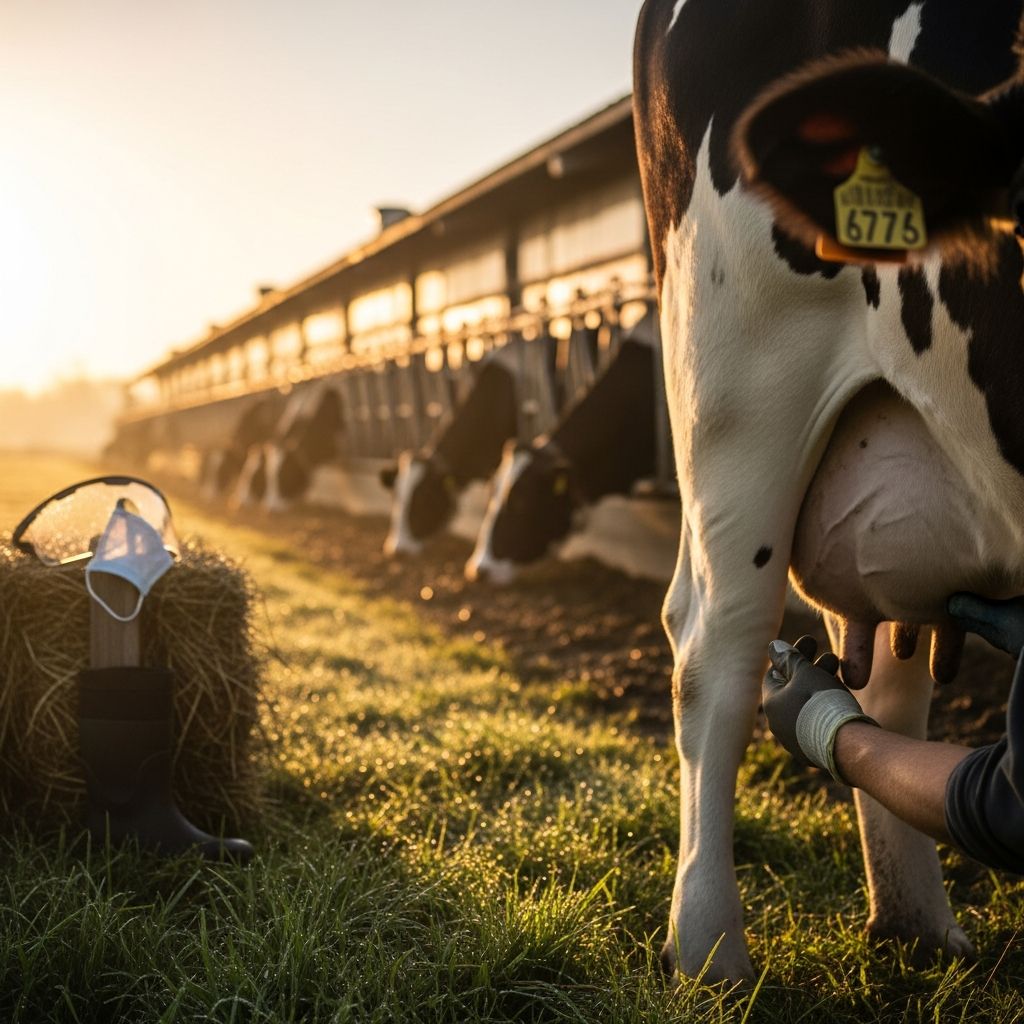
Avian influenza A(H5N1), commonly known as bird flu, has evolved beyond birds, infecting mammals including dairy cattle, raising concerns about transmission through milk products. Public health authorities emphasize that pasteurization effectively eliminates the virus, making properly processed dairy safe for consumption.
Understanding H5N1 Transmission Pathways
H5N1 primarily spreads among birds via feces, feathers, mucus, and saliva, with wild birds acting as natural carriers while domestic poultry often suffer severe illness or death. Recent developments show mammal-to-mammal transmission, particularly in dairy cattle, farmed fur animals, and marine mammals, potentially through raw unpasteurized milk, respiratory secretions, contaminated environments, or farm equipment movement.
Human infections remain rare and occur via close contact with infected animals or highly contaminated settings like farms or live markets. Breathing in infectious particles, direct contact via eyes, nose, or mouth with materials like raw milk or feathers, or touching contaminated surfaces before handwashing heightens risk. Importantly, human-to-human spread is not sustained, though limited cases have been noted elsewhere.
- Bird-to-bird: Feces, secretions, contaminated litter.
- Mammal-to-mammal: Raw milk exposure, shared equipment.
- Animal-to-human: Direct handling of sick animals or waste.
Dairy Cattle and Milk: Emerging Concerns
Dairy herds have become hotspots for H5N1 circulation, with the virus detected in raw milk from infected cows. Farmworkers and consumers handling unpasteurized products face elevated risks, as infectious particles can persist in milk. Health experts recommend consistent milk testing and isolating affected cattle to curb spread.
Pasteurization, heating milk to destroy pathogens, renders it safe by inactivating H5N1. Official guidance stresses avoiding raw milk entirely, especially from regions with outbreaks. Refrigeration of dairy products further minimizes any residual risks post-processing.
| Risk Factor | Safe Practice | Unsafe Practice |
|---|---|---|
| Raw Milk | Boil or pasteurize | Direct consumption |
| Farm Contact | Wear PPE | Bare-hand handling |
| Dairy Storage | Refrigerate promptly | Leave at room temp |
Symptoms and Health Impacts in Humans
Most U.S. human cases, around 70 reported, have been mild, often presenting as conjunctivitis or pinkeye, with one fatality noted. Flu-like symptoms including fever, cough, sore throat, and eye irritation can emerge. Severe cases may involve respiratory failure, underscoring the need for prompt medical attention.
For those exposed, self-monitor for 10 days post-exposure and contact public health authorities. If symptoms appear, seek testing via respiratory or conjunctival swabs and start antivirals like oseltamivir within 48 hours.
Prevention Strategies for Farmworkers and Families
Farmworkers should prioritize personal protective equipment (PPE) such as gloves, masks, goggles, and respirators when handling birds, livestock, or contaminated materials. Biosecurity measures include isolating flocks from wild birds, restricting farm visitors, providing clean gear, and disinfecting equipment.
For the general public:
- Avoid touching sick or dead birds, wildlife, or livestock.
- Wash hands thoroughly with soap for 20 seconds after outdoor activities or animal contact.
- Choose only pasteurized milk and dairy; discard any from suspect sources.
- Get annual flu vaccines to reduce co-infection risks with seasonal strains.
Improving ventilation, avoiding shared items during illness, and using hand sanitizer (60% alcohol) bolster household protection.
Protecting Pets and Backyard Flocks
Companion animals like cats can contract H5N1 from infected birds or raw milk, potentially spreading it back to humans. Vaccinate pets against flu where applicable and prevent access to wild birds or raw dairy. Backyard poultry owners must monitor for sudden deaths, isolate flocks, and report suspicions to authorities for early detection.
Key signs in birds: sudden death, respiratory distress, reduced egg production. Implement barriers against wild birds and enforce strict biosecurity.
Public Health Surveillance and Response
Enhanced genomic surveillance tracks viral mutations that could increase human transmissibility, especially during flu season when reassortment with seasonal strains is possible. Agencies like USDA promote ‘Defend the Flock’ programs for proactive monitoring.
Travelers to outbreak areas should avoid animal markets, use PPE, and report symptoms upon return. Providers must report suspected cases immediately to local health departments.
FAQs on H5N1 and Dairy Safety
Is pasteurized milk safe from bird flu?
Yes, pasteurization kills H5N1, making commercial pasteurized dairy products safe according to health authorities.
Can I get bird flu from cooked meat or eggs?
Proper cooking eliminates the virus; risks stem mainly from raw or undercooked products and direct animal contact.
What if my pet drinks raw milk?
Avoid raw milk for pets; it can infect them, leading to severe illness. Use only pasteurized products.
How do I protect my backyard chickens?
Isolate from wild birds, use PPE for handling, monitor health daily, and disinfect regularly.
Should I get a flu shot for bird flu protection?
It protects against seasonal flu, reducing risks of H5N1 reassortment; recommended for all.
Long-Term Outlook and Mitigation
While H5N1 poses low general public risk, vigilance in high-exposure groups prevents escalation. Ongoing research into vaccines for poultry and cattle, coupled with robust surveillance, aims to contain outbreaks. Families can minimize worries by sticking to pasteurized dairy, practicing hygiene, and staying informed via official channels.
In summary, informed choices around dairy and animal interactions keep communities safe amid this evolving threat.
References
- Avian influenza A(H5N1): Spread, prevention and risks — Government of Canada, Public Health Agency. 2024-10-01. https://www.canada.ca/en/public-health/services/diseases/avian-influenza-h5n1/prevention-risks.html
- A prevention plan for avoiding a bird flu epidemic — Stanford Medicine. 2025-03-15. https://med.stanford.edu/news/insights/2025/03/bird-flu-epidemic-poultry-prevention.html
- Avian Influenza (HPAI A(H5N1) or Bird Flu) — Stanislaus County Health Services Agency. 2025-01-01. https://www.schsa.org/publichealth/birdflu/
- Avian Influenza – Control and Prevention — OSHA. 2024-11-20. http://www.osha.gov/avian-flu/control-prevention
- Avian Influenza (Bird Flu): H5N1, Causes, Symptoms & Treatment — Cleveland Clinic. 2025-06-10. https://my.clevelandclinic.org/health/diseases/22401-bird-flu
- 7 things you can do to prevent getting bird flu — UChicago Medicine. 2025-01-15. https://www.uchicagomedicine.org/forefront/news/2025/january/bird-flu