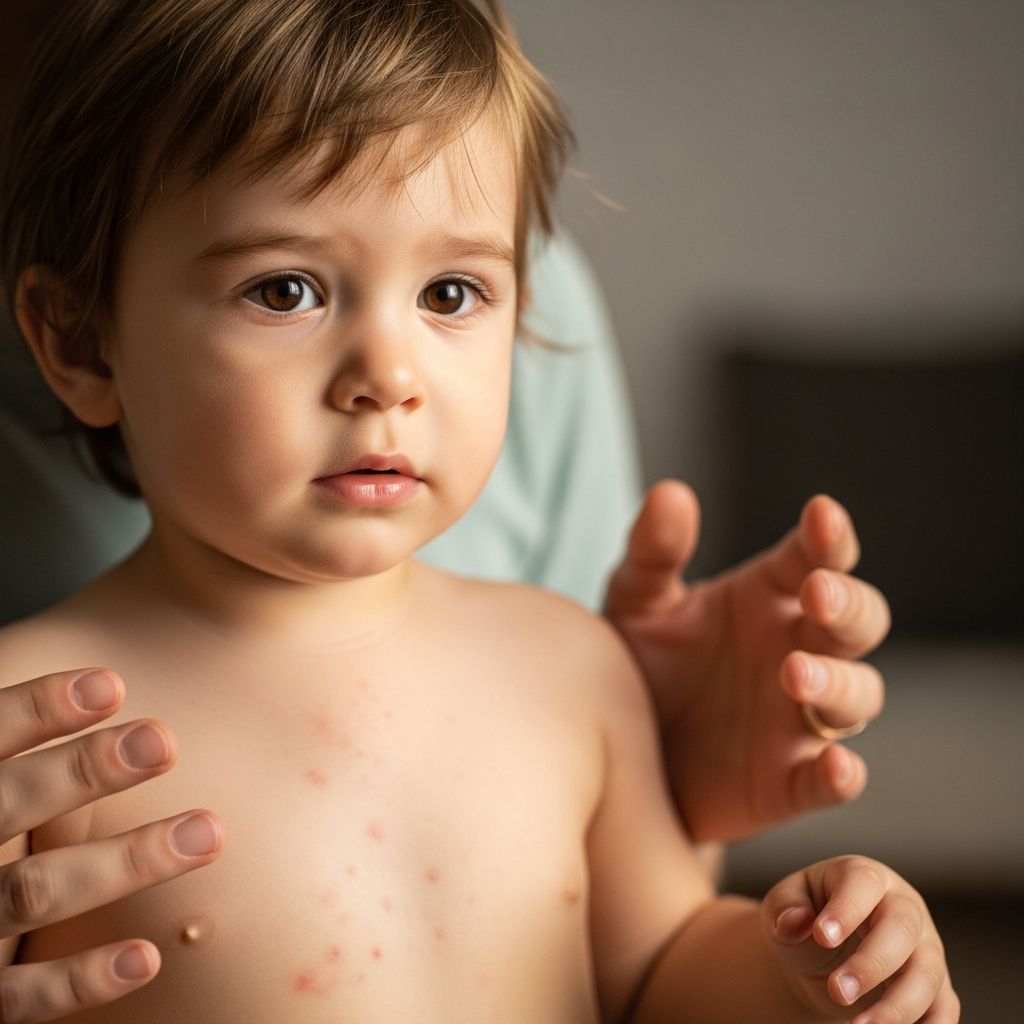
H1N1 influenza, often called swine flu, spreads easily in crowded school environments where children interact closely. Recognizing early signs and following prevention steps can significantly reduce outbreaks and protect vulnerable students.
Understanding H1N1 Influenza Basics
H1N1 is a subtype of influenza A virus that causes respiratory illness similar to seasonal flu but can lead to more severe complications in some children. It emerged prominently in 2009 and continues to circulate, often peaking during winter months. Unlike common colds, H1N1 symptoms appear suddenly and intensely, affecting the respiratory system primarily but sometimes causing gastrointestinal issues, especially in kids.
In schools, the virus thrives due to shared spaces like classrooms, cafeterias, and playgrounds. Young children and those with underlying conditions, such as asthma or weakened immunity, face higher risks of hospitalization. Public health authorities emphasize vaccination and hygiene as key defenses.
Common Symptoms Kids Experience with H1N1
Children infected with H1N1 typically show a rapid onset of symptoms within 1-4 days of exposure. Not every case includes fever, but most do. Here’s a breakdown:
- Fever: Often high (100°F or 37.8°C+), lasting 3-7 days, though about half of cases may lack it.
- Respiratory issues: Persistent cough, sore throat, runny or stuffy nose.
- Body discomfort: Muscle aches, headaches, chills, fatigue, and weakness.
- Gastrointestinal in children: Diarrhea, nausea, or vomiting more frequent than in adults.
- Other signs: Watery eyes, eye pain, or reduced appetite.
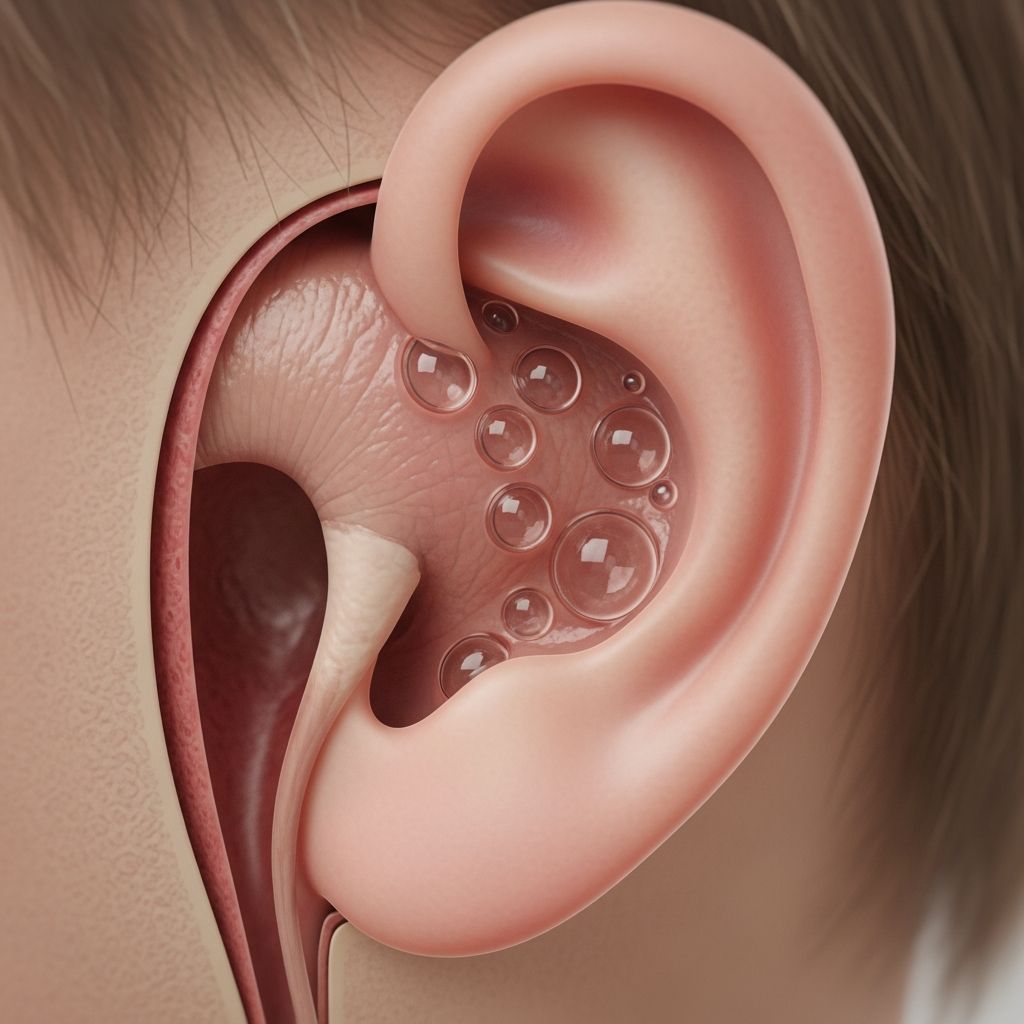
Symptoms generally resolve in 3-7 days for mild cases, but secondary infections like pneumonia or ear infections can prolong recovery.
Emergency Warning Signs in Schoolchildren
While most H1N1 cases are mild, prompt recognition of severe symptoms is crucial, especially in schools where delays can affect multiple students. Parents and teachers should watch for these red flags.
| Emergency Signs in Children | Emergency Signs in Adults (for reference) |
|---|---|
| Trouble breathing or fast breathing | Shortness of breath or chest pain |
| Bluish/gray skin, lips, or nail beds | Dehydration signs (little urination) |
| Not drinking fluids, no tears when crying | Persistent dizziness or confusion |
| Severe vomiting or dehydration | Seizures or worsening chronic conditions |
| Extreme irritability or lethargy | Severe muscle pain or weakness |
| Fever with rash or seizures |
If any of these appear, seek immediate medical care. In school settings, notify parents and isolate the child promptly.
Preventing H1N1 Spread in Educational Settings
Schools are hotspots for H1N1 transmission via respiratory droplets from coughing, sneezing, or touching contaminated surfaces. Proactive measures can curb outbreaks.
- Vaccination drives: Annual flu shots, including H1N1 strains, are recommended for all school-aged kids, ideally before flu season.
- Hygiene protocols: Teach frequent handwashing with soap for 20 seconds or use alcohol-based sanitizers. Avoid touching eyes, nose, mouth.
- Cough etiquette: Cover mouth/nose with tissue or elbow; dispose tissues immediately.
- Stay home policy: Keep sick kids home until 24 hours fever-free without medication. Limit visitors during outbreaks.
- Cleaning routines: Regularly disinfect high-touch areas like desks, doorknobs, and shared toys.
School administrators should communicate flu plans to parents, including vaccination clinics and symptom reporting systems.
Caring for Kids with H1N1 at Home
When a child brings H1N1 home from school, focus on supportive care to ease symptoms and prevent household spread.
- Rest and hydration: Encourage plenty of fluids like water, broth, or electrolyte drinks to avoid dehydration. Ensure 8-10 hours of sleep nightly.
- Fever management: Use acetaminophen or ibuprofen per doctor’s advice; never aspirin due to Reye’s syndrome risk.
- Respiratory relief: Cool-mist humidifiers and saline nasal drops help with congestion. Suction mucus in infants.
- Nutrition: Offer light foods; avoid dairy if congested.
- Isolation: Keep the child in one room; family members wash hands often.
Antivirals like oseltamivir may be prescribed for high-risk kids if started within 48 hours of symptoms. Consult a pediatrician before any over-the-counter meds, especially decongestants for young children.
School Policies and Parental Responsibilities
Effective school policies combined with parental vigilance minimize disruptions. Parents should:
- Monitor daily health checks before school.
- Update vaccinations and inform school of chronic conditions.
- Report illnesses promptly to avoid clusters.
Schools often implement enhanced cleaning, mask recommendations during peaks, and virtual learning options for sick students. Collaborate with local health departments for guidance.
Long-Term Health Impacts and Recovery
Most children recover fully within 1-2 weeks without lasting effects. However, monitor for complications like sinusitis or pneumonia. Post-recovery, boost immunity with balanced diets, exercise, and adequate sleep. Annual flu vaccines remain essential as strains evolve.
Studies show vaccinated children experience milder symptoms and shorter absences from school.
Frequently Asked Questions (FAQs)
Q: How long is a child with H1N1 contagious?
A: Children can spread the virus as long as symptoms persist, often up to 7 days, and younger ones longer. Stay home until 24 hours fever-free.
Q: Can H1N1 be prevented by diet or vitamins?
A: No single food prevents it, but a nutrient-rich diet supports immunity. Vaccination and hygiene are proven methods.
Q: Is H1N1 different from regular seasonal flu?
A: Symptoms are similar, but H1N1 can be more severe in certain groups. Both are prevented similarly.
Q: Should schools close during H1N1 outbreaks?
A: Closures are rare and based on severe spread; focus on hygiene and exclusions instead.
Q: What if my child has no fever but seems sick?
A: Fever isn’t always present; watch for cough, fatigue, or other signs and consult a doctor if worsening.
Building Resilience Against Flu Seasons
Empowering kids with knowledge about H1N1 fosters healthy habits lifelong. Schools can integrate flu education into curricula, using age-appropriate activities like handwashing songs or germ posters. Parents reinforce by modeling behaviors and staying informed via trusted health updates.
By prioritizing prevention, schools become safer spaces, reducing absenteeism and ensuring uninterrupted learning. Collective action turns potential outbreaks into manageable events.
References
- H1N1 flu (swine flu) – Symptoms and causes — Mayo Clinic. 2023-10-12. https://www.mayoclinic.org/diseases-conditions/swine-flu/symptoms-causes/syc-20378103
- H1N1 (Swine) — The Pediatric Clinic. 2024-01-15. https://thepediatric.com/resources/helpful-articles/h1n1-swine
- CDC H1N1 Flu | If Your Child is Not Feeling Well — Centers for Disease Control and Prevention (archived). 2020-09-01. https://archive.cdc.gov/www_cdc_gov/h1n1flu/childcare/toolkit/letter_notfeelingwell.htm
- Influenza A – H1N1 (Children) — National University Health System (NUHS). 2023-11-20. https://www.nuhs.edu.sg/patient-care/find-a-condition/influenza-a-h1n1-children
- H1N1 Influenza — Southern Nevada Health District. 2024-02-10. https://www.southernnevadahealthdistrict.org/Health-Topics/h1n1-influenza/