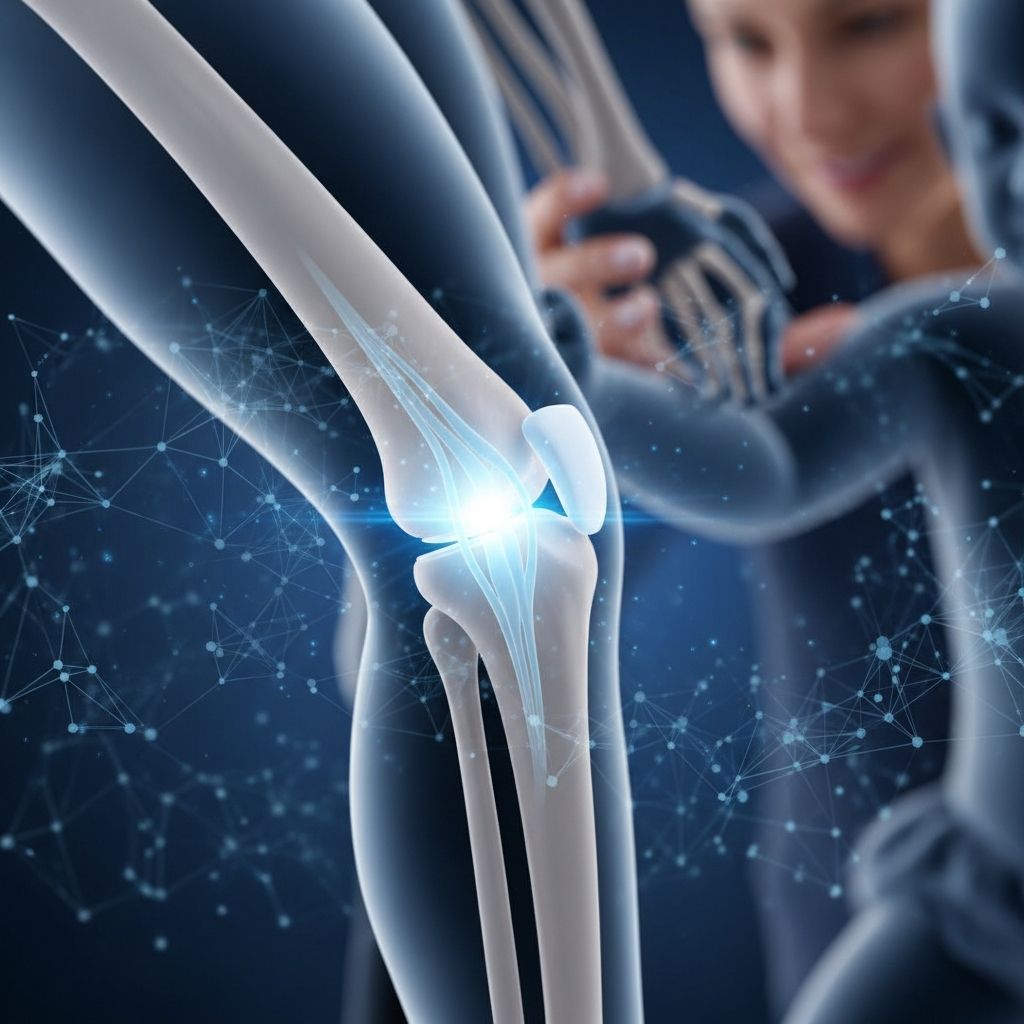
Children’s bones do far more than simply hold the body up. They are constantly changing, lengthening, and hardening as your child grows. At the center of this process are growth plates, special zones of developing tissue that determine how tall and how straight a child’s arms and legs will become.
What Are Growth Plates?
Growth plates are soft, developing regions located near the ends of certain bones, especially in the arms, legs, hands, and feet. They are made of a flexible material that allows bones to lengthen and reshape during childhood and adolescence. Once a growth plate finishes its work, it gradually turns into solid bone and no longer contributes to height.
Because growth plates are not yet as strong as mature bone, they are more vulnerable to injury from falls, sports, and accidents. Understanding where they are and how they function helps parents make safer choices for their children’s activities.
Where Growth Plates Are Found
Not all bones have growth plates in the same way, and some areas are more commonly injured than others. Long bones, which are much longer than they are wide, contain the most important growth plates for height and limb length.
- Upper body: growth plates near the shoulder, elbow, and wrist.
- Lower body: growth plates near the hip, knee, ankle, and in the feet.
- Hands and fingers: numerous small growth plates that help shape the hand and digits.
| Body Region | Example Bones | Typical Role in Growth |
|---|---|---|
| Upper arm | Humerus | Helps determine arm length and shoulder alignment. |
| Forearm | Radius and ulna | Influences forearm length and wrist position. |
| Thigh | Femur | Major contributor to overall height and hip–knee alignment. |
| Lower leg | Tibia and fibula | Affects leg length, knee stability, and ankle position. |
| Hands and feet | Small long bones in fingers and toes | Shape and size of hands, feet, and digits. |
How Growth Plates Help Bones Grow
Growth plates act like small factories at the ends of bones. Within each plate, new tissue is produced, gradually turning into hardened bone and pushing the bone longer over time. This process allows a child’s arms and legs to grow while keeping joints properly aligned.
Inside a growth plate, cells are constantly dividing, enlarging, and then being replaced by bone tissue. This cycle continues throughout childhood and adolescence, slowing as the child approaches physical maturity.
Stages of Bone Growth in a Plate
Although the process is complex at the microscopic level, parents can think of growth plate activity in three basic stages. Each stage contributes to the final length and shape of the bone.
- Cell production: New cartilage cells are formed, creating fresh material that can later become bone.
- Cell enlargement: These cells grow larger and line up in columns, which helps lengthen the bone.
- Bone formation: The older cartilage is gradually replaced by hard bone tissue, locking in the new length.
Healthy growth depends on a steady balance between these stages. When children get proper nutrition, sleep, and physical activity, their growth plates tend to function smoothly, helping them reach their full growth potential.
When Do Growth Plates Close?
Growth plates do not remain open forever. As children move through puberty, growth gradually slows. Eventually, each plate “closes,” meaning it has turned completely into solid bone and will no longer add length.
The timing of closure varies from child to child and from one bone to another. Some plates close early in the teen years, while others stay active until late adolescence.
Typical Patterns of Closure
- Girls often experience growth plate closure earlier than boys, usually in the mid-teen years.
- Boys may continue to grow longer in the legs and arms into their later teens.
- Plates near the hands and feet generally close before those in the thighs and hips.
A pediatrician or pediatric orthopedic specialist can estimate how much growth remains by reviewing growth charts, physical development, and sometimes X-ray images that show the status of growth plates.
Why Growth Plates Get Injured
Growth plates are softer and more delicate than the surrounding bone and ligaments. In situations where an adult might sprain a joint, a child is more likely to injure a growth plate in that same area. Sports, playground accidents, and sudden impacts are common causes.
Injuries can range from mild irritation to serious fractures that cross the entire growth plate. Prompt care is essential, because damage to these areas can affect how the bone grows in the future.
Common Causes of Growth Plate Injury
- Falls from playground equipment, bikes, or scooters.
- Twisting injuries during running, jumping, or pivoting sports.
- Direct blows from contact sports such as football, soccer, or basketball.
- Overuse from repetitive motions in sports like gymnastics, dance, baseball, or distance running.
While no activity is completely risk-free, understanding the situations that put growth plates under stress can help parents promote safer habits and training routines.
Signs and Symptoms Parents Should Watch For
Growth plate injuries do not always look dramatic. Sometimes a child can still walk or move a limb even when a fracture is present. That is why paying attention to subtle signs is important, especially after a fall or sports injury.
If a child complains of pain near a joint or refuses to use a limb, it is safest to assume that there may be more than a simple bruise.
Warning Signs of a Possible Growth Plate Injury
- Pain or tenderness over the end of a bone, especially near a joint.
- Swelling or warmth at the injury site.
- Visible deformity, such as a limb that looks bent, twisted, or shorter.
- Difficulty moving the affected arm or leg, or refusal to bear weight.
- Persistent limping or uneven use of the limbs after an injury.
Any combination of these signs, especially following a fall, collision, or sudden twist, deserves medical evaluation. Early assessment can prevent long-term problems with bone growth and alignment.
How Doctors Diagnose Growth Plate Problems
When a growth plate injury is suspected, a health care professional begins with a detailed history and physical exam. The clinician asks how the injury happened, what the child felt, and where the pain is located. Gentle pressure, movement tests, and comparison with the uninjured side help pinpoint the affected area.
Imaging tests are often used to confirm the diagnosis. While X-rays are the most common first step, other tests may be needed if the injury is hard to see.
Diagnostic Tools for Growth Plate Injuries
- X-rays: Show bone alignment, obvious fractures, and whether growth plates look open or closed.
- CT scans: Provide more detailed images of complex fractures around the growth plate.
- MRI scans: Give a clear view of cartilage, ligaments, and subtle growth plate damage not visible on standard X-rays.
Doctors may also compare images of the injured limb with images of the opposite side. Small differences in shape or spacing around the growth plate can reveal damage that is easy to miss at first glance.
Treatment Options for Growth Plate Injuries
The treatment plan depends on the type, location, and severity of the injury, as well as the child’s age and how much growing remains. The main goals are to relieve pain, protect the growth plate, restore proper alignment, and allow the bone to continue growing as normally as possible.
Many growth plate injuries can be treated without surgery. However, more serious fractures or those that shift the bone out of position may require surgical correction to prevent long-term deformity.
Non-Surgical Treatments
- Immobilization: Casts, splints, or braces keep the limb still while the growth plate and surrounding bone heal.
- Rest and activity modification: Avoiding sports and high-impact activities until cleared by the medical team.
- Pain control: Child-safe pain relievers and cold packs, used as directed by a clinician.
- Physical therapy: Gentle exercises to restore strength and flexibility once healing has progressed.
Surgical Treatments
When bones are significantly out of place or the growth plate is badly disrupted, surgery may provide the best chance of normal future growth. This type of procedure is usually performed by a pediatric orthopedic surgeon.
- Realignment of the bone: The surgeon positions the bone correctly to protect the growth plate.
- Stabilization: Pins, screws, or plates may be used to hold the bone in place during healing.
- Follow-up monitoring: Regular visits and repeat imaging to track growth and detect any early signs of deformity.
Long-Term Outlook After a Growth Plate Injury
Most children who receive prompt, appropriate care recover fully from growth plate injuries and go on to play, run, and grow normally. However, some injuries can disturb the delicate balance of growth, especially if the damage crosses the entire plate or heals unevenly.
In a small percentage of cases, a portion of the growth plate may stop working, leading to differences in limb length or angulation of a bone as the child grows.
| Outcome | What It Means | Possible Management |
|---|---|---|
| Normal growth | The growth plate heals without long-term effects, and the limb grows evenly. | Routine monitoring until growth is complete. |
| Slowed growth | The injured growth plate grows more slowly than the opposite side. | Regular follow-up; sometimes guided surgery to even out growth. |
| Growth arrest | Part or all of the growth plate stops growing. | Orthopedic procedures to correct limb length or angulation. |
Early and regular follow-up with a specialist gives the best chance of catching these issues while growth is still ongoing, when treatment options are more flexible.
How Parents Can Help Keep Growth Plates Safe
Parents cannot prevent every fall or collision, but they can reduce the risk of serious growth plate injuries. Many protective steps overlap with general sport-safety and child-safety practices, making them easier to build into everyday routines.
Simple, consistent safety habits support not only healthy growth plates but also overall bone and joint health.
Practical Safety Tips
- Encourage proper warm-up and stretching before sports or vigorous play.
- Make sure children wear sport-specific protective gear, including helmets, pads, and appropriate footwear.
- Limit sudden increases in training intensity; build up practices and mileage gradually.
- Teach kids to listen to pain signals and to rest when something hurts, rather than “playing through” significant pain.
- Provide rest days each week to allow the body to recover from repetitive stresses.
Supporting Healthy Bone Growth
Growth plates function best in a healthy body. Lifestyle factors that strengthen bone tissue also support these developing regions.
- Offer a balanced diet with calcium- and vitamin D–rich foods such as dairy products, fortified alternatives, and leafy greens.
- Encourage regular weight-bearing activity like walking, running, and active play.
- Promote good sleep habits, since growth and tissue repair occur heavily during rest.
- Avoid exposing children to tobacco smoke, which can interfere with bone development and healing.
Frequently Asked Questions About Growth Plates
1. Can you see growth plates on an X-ray?
Yes. In growing children and teens, growth plates usually appear as dark lines near the ends of long bones on an X-ray. Those lines gradually disappear as the plates close and are replaced by solid bone.
2. How can a doctor tell if my child has finished growing?
Doctors consider several clues, including your child’s age, pubertal development, and growth patterns on height charts. In some cases, they order an X-ray of the hand or other areas to see whether growth plates are still open or have already closed.
3. Are growth plate injuries more serious than regular fractures?
Any fracture is serious, but injuries that affect a growth plate demand extra attention. While many heal well, some can change the way the bone grows if not treated promptly and carefully, making early evaluation especially important.
4. Does a growth plate injury always require surgery?
No. Many growth plate injuries are stable and can be treated successfully with casts, splints, and rest. Surgery is usually reserved for fractures that are badly out of place, unstable, or at high risk for disrupting normal growth.
5. Can my child return to sports after a growth plate fracture?
In most cases, children return to their usual activities once the bone has fully healed and the medical team has cleared them. A gradual return, often with guidance from a physical therapist or athletic trainer, helps rebuild strength and confidence safely.
Growth plates play a vital role in shaping your child’s body and determining future height and limb alignment. By recognizing how they work, understanding the signs of injury, and promoting safe play and good health habits, parents and caregivers can support strong, resilient bones throughout childhood and adolescence.