Children’s bones are not just smaller versions of adult bones. They contain special zones called growth plates that control how long and how strong bones become. Understanding these areas helps parents recognize injuries early and protect healthy growth.
What Exactly Is a Growth Plate?
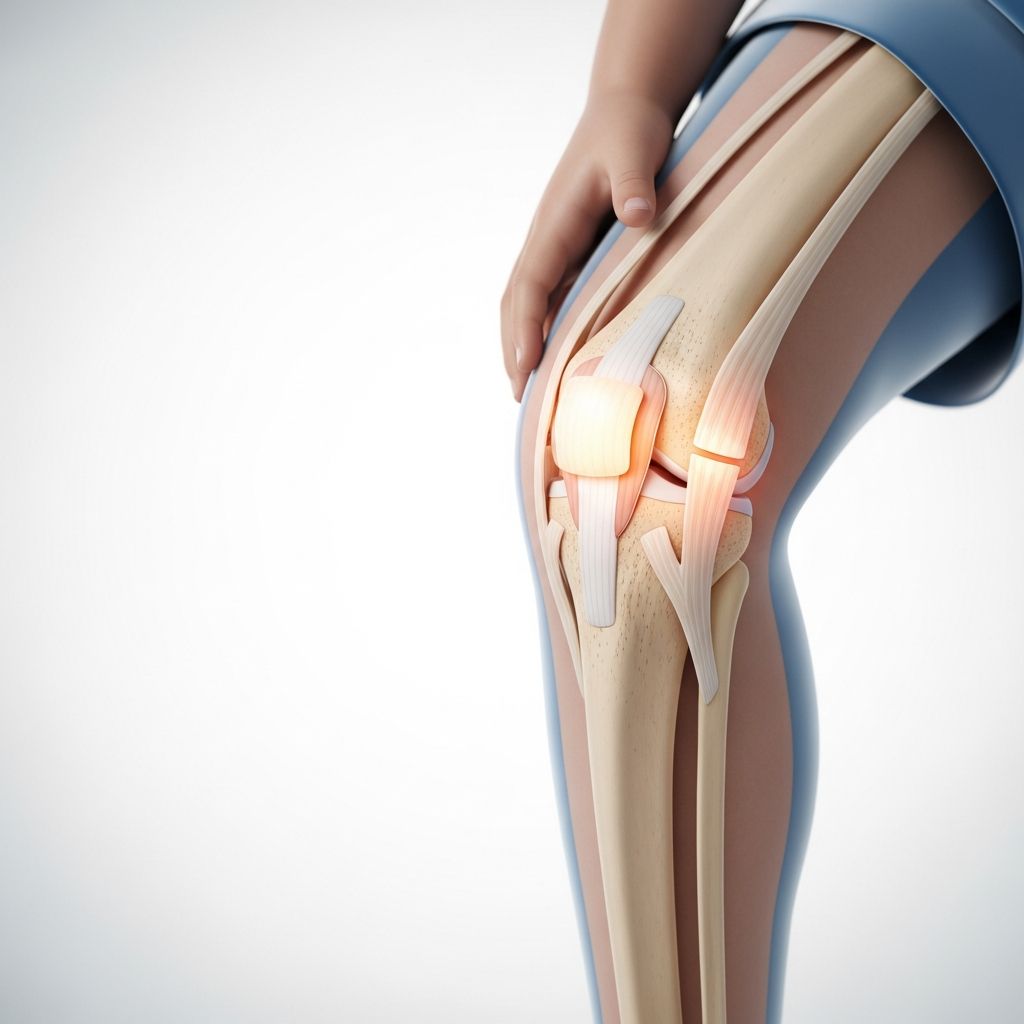
A growth plate is a thin layer of soft, flexible tissue located near the ends of a child’s long bones, such as those in the legs, arms, hands, and feet. This tissue is made of cartilage, a material that is firmer than muscle but not as hard as mature bone.
Because cartilage is softer than bone, the growth plate is the most delicate part of a growing skeleton. It is also the main site where new bone is created and added, which is why it has such a big impact on a child’s final height and limb shape.
Where Are Growth Plates Found?
Most long bones have growth plates at one or both ends. These bones include:
- Thigh bone (femur)
- Shin bone and outer lower leg bone (tibia and fibula)
- Forearm bones (radius and ulna)
- Bones of the hands, fingers, feet, and toes
Each growth plate gradually turns from cartilage into solid bone as a child matures. When this process is complete, the plate is said to be “closed,” and the bone will no longer grow in length.
How Growth Plates Help Kids Get Taller
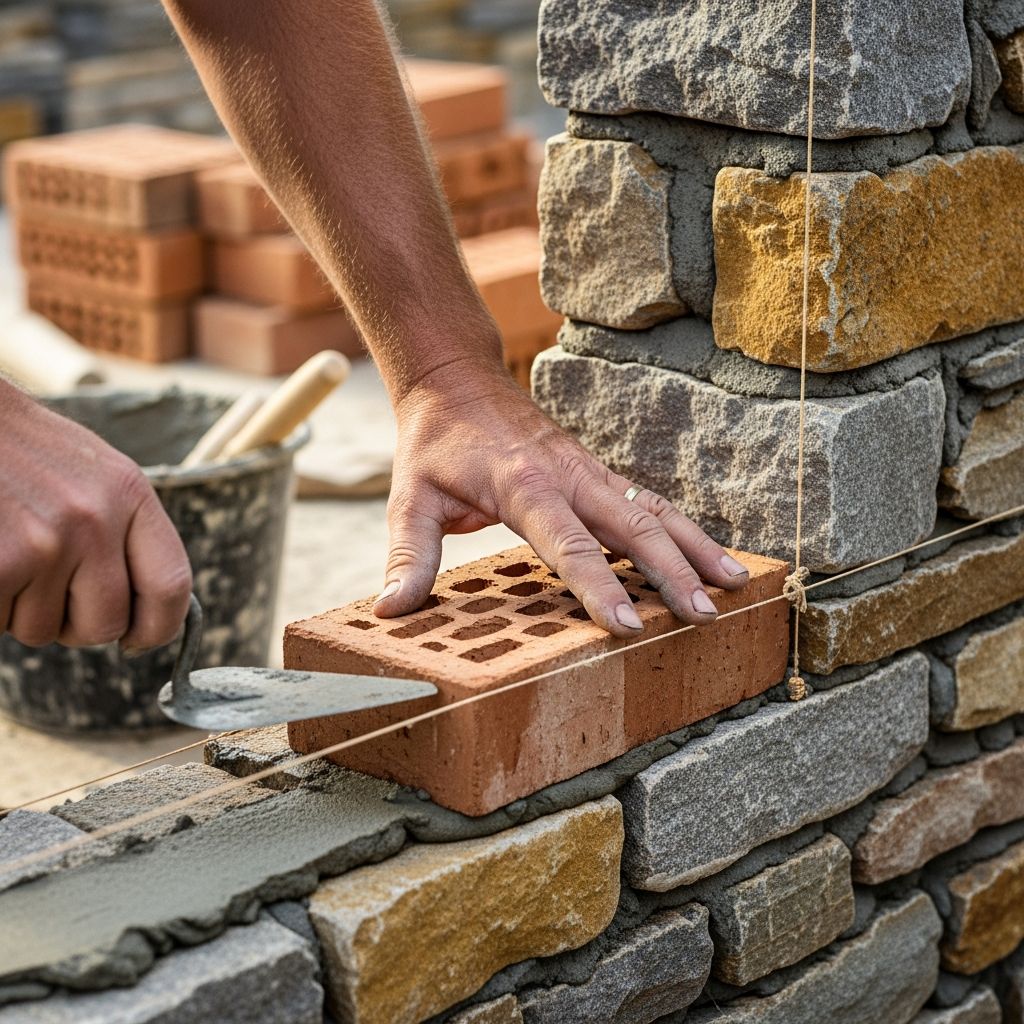
Growth plates work like microscopic factories. They constantly produce new cartilage cells, which are later transformed into hard bone. Over time, this adds length to the bone, much like adding bricks to the end of a wall.
This process is influenced by genetics, nutrition, hormones, physical activity, and overall health. During growth spurts, especially around puberty, growth plates are more active and bones lengthen more quickly.
Stages of Bone Growth Around the Plate
Although it is not visible from the outside, the growth plate goes through a repeating pattern of growth and hardening:
- Cell production: New cartilage cells multiply and line up in columns.
- Cell enlargement: These cells grow larger and prepare to be replaced.
- Hardening: The cartilage cells break down and are replaced by bone tissue.
When this pattern occurs smoothly, the bone grows evenly and maintains a straight, normal shape. Disruption of this cycle, such as from an injury, can interfere with normal growth.
Growth Plates vs. Adult Bone
Adult bones are fully hardened and do not contain open growth plates. In children and teenagers, however, the skeleton is still developing and contains a mixture of firm bone and softer cartilage zones.
This difference explains why children are more likely to experience specific types of fractures involving the growth plate, while adults may have ligament or tendon injuries in the same area.
Key Differences Between Kids’ and Adults’ Bones
| Feature | Children | Adults |
|---|---|---|
| Presence of growth plates | Open growth plates made of cartilage | Growth plates closed and fully hardened |
| Bone flexibility | More flexible and resilient, but growth plates are vulnerable | Stiffer bones, different fracture patterns |
| Response to injury | Potential impact on future growth and limb alignment | Less effect on length of the bone |
| Healing speed | Generally faster healing, but careful monitoring is needed | Typically slower healing, fewer growth-related issues |
When Do Growth Plates Close?
Growth plates remain active throughout childhood and early adolescence. As hormones change during puberty, these plates gradually thin out and turn into solid bone.
Closure does not occur at the same age for every child. Some bones close earlier than others, and boys and girls often stop growing at different times. Once a growth plate has closed, that particular bone will not lengthen further.
Why Growth Plates Are Vulnerable to Injury
Because growth plates are softer than the surrounding bone, they cannot always withstand the same forces. A twist, fall, or direct blow that might cause a sprain in an adult can result in a growth plate injury in a child.
These injuries usually occur where the body experiences high stress, especially around the wrist, ankle, knee, or shoulder. Active kids and teens, particularly those involved in sports, are at higher risk.
Common Causes of Growth Plate Injuries
Growth plate injuries often result from everyday childhood activities as well as organized sports. Frequent triggers include:
- Sports accidents: Falls, collisions, or sudden twists in sports like football, basketball, soccer, gymnastics, or skating.
- Playground falls: Landing awkwardly from monkey bars, swings, or slides.
- Overuse: Repetitive stress from running, pitching, jumping, or dance training.
- Trauma: Car or bike accidents, or a heavy object falling on a limb.
Not every injury near a joint is serious, but because growth plates are hidden inside the bone, a medical evaluation is important when there is significant pain or deformity.
Signs Your Child May Have a Growth Plate Injury
Symptoms can resemble those of a regular sprain or bruise. However, any change near a joint in a growing child deserves attention. Warning signs include:
- Pain or tenderness over the end of a bone, especially near a joint
- Swelling, warmth, or redness in the area
- Visible bend or deformity of the limb
- Difficulty moving or using the affected arm or leg
- Limping or refusal to put weight on a leg or foot
- Pain that worsens with activity and improves with rest
If your child is in significant pain, cannot move the limb, or the area looks misshapen, seeking urgent medical care is crucial.
How Doctors Diagnose Growth Plate Problems
During an evaluation, a health professional asks how the injury happened, examines the limb, and checks for tenderness, swelling, and movement. The goal is to determine whether the growth plate, the surrounding bone, or nearby ligaments are affected.
Imaging tests such as X-rays are commonly used. In some cases, a child’s X-ray is compared with the opposite, uninjured side to spot subtle changes. If needed, more detailed imaging may be used to better understand the injury.
Treatment Options for Growth Plate Injuries
Treatment depends on how severe the injury is, where it is located, and how much growing remains. The primary goal is to protect the growth plate so the bone can continue to develop normally.
Common treatment approaches include:
- Rest and immobilization: Many mild injuries heal with a cast, splint, or brace to keep the bone still.
- Realignment (reduction): If the bone fragments are out of place, a doctor may gently reposition them before applying a cast.
- Surgery: More complex fractures may require pins, screws, or plates to hold the bone in the correct alignment while it heals.
Pain management, elevation, and ice are often used in the early stages to reduce discomfort and swelling, always following a medical professional’s guidance.
Recovery and Follow-Up Care
After initial treatment, regular follow-up visits help ensure the bone continues to grow normally. X-rays may be taken over time to watch for any slowing, speeding up, or uneven growth at the injury site.
Most growth plate injuries heal without any long-term problems when treated promptly. However, more serious injuries can sometimes affect how the bone grows, which makes ongoing monitoring especially important.
Possible Long-Term Complications
Although many children recover fully, damage to a growth plate can occasionally lead to complications. These may include:
- Growth arrest: The injured section of the plate stops growing, potentially making the bone shorter than the opposite side.
- Uneven growth: One side of the plate grows more than the other, leading to a curve or angulation of the limb.
- Joint problems: If the injury extends into the joint, stiffness or early joint wear can develop later.
Some of these issues can be improved with additional orthopedic procedures that help straighten or balance growth, especially when caught early.
Helping Your Child Prevent Growth Plate Injuries
Not every accident can be avoided, but healthy habits and smart choices can reduce risk. Parents, coaches, and kids can work together to create a safer environment for growing bones.
Helpful steps include:
- Encouraging a proper warm-up and stretching before sports and active play
- Using well-fitting protective gear, such as helmets, pads, and supportive shoes
- Teaching correct technique for jumping, landing, and changing direction
- Allowing rest days to prevent overuse injuries
- Limiting the number of teams or seasons played back-to-back in a single sport
- Promoting a balanced diet rich in calcium, vitamin D, and other nutrients that support bone strength
What Parents Can Do Day to Day
Parents play a central role in recognizing problems early and supporting recovery. Paying attention to complaints of pain, especially near joints, can make a difference in long-term outcomes.
Simple actions that support bone health and safety include:
- Taking pain or limping seriously, even if your child still wants to play
- Seeking medical advice if pain persists, worsens, or follows a clear injury
- Following treatment and activity restrictions provided by healthcare professionals
- Encouraging kids to speak up about discomfort before it becomes severe
Frequently Asked Questions About Growth Plates
1. Can you see growth plates on an X-ray?
Yes. In children and adolescents, growth plates usually appear as dark lines between denser bone segments on an X-ray. In adults, these lines disappear because the plates have fully hardened into bone.
2. Do growth plate injuries always require surgery?
No. Many injuries are mild and can be treated with a cast or splint and close monitoring. Surgery is usually reserved for more severe fractures, significant misalignment, or damage that extends into the joint.
3. How long does it take a growth plate injury to heal?
Healing time depends on the child’s age, the specific bone, and the severity of the injury. Some injuries heal in a few weeks, while others require several months of protection and follow-up visits.
4. Will my child’s bone grow normally after a growth plate fracture?
Most children heal without long-term issues when treatment is timely and appropriate. However, some injuries can change the way the bone grows, which is why regular follow-up imaging and checkups are recommended.
5. Is it safe for my child to return to sports after a growth plate injury?
Yes, in many cases, children can safely return to sports once the bone has healed and the healthcare provider gives clearance. A gradual return, often with supervised physical therapy or specific exercises, helps rebuild strength and flexibility.
Key Takeaways for Parents
- Growth plates are soft zones of cartilage at the ends of long bones that allow children’s bones to lengthen.
- They are more fragile than mature bone, which makes them vulnerable to injury during sports and active play.
- Prompt evaluation and treatment of injuries near joints are essential to protect normal growth and alignment.
- Most growth plate injuries heal well with proper care and monitoring, but ongoing follow-up may be needed.
- Safe training habits, rest, good nutrition, and protective equipment all support healthy growing bones.
By understanding growth plates and taking signs of injury seriously, families can help children stay active, safe, and on track for healthy growth.