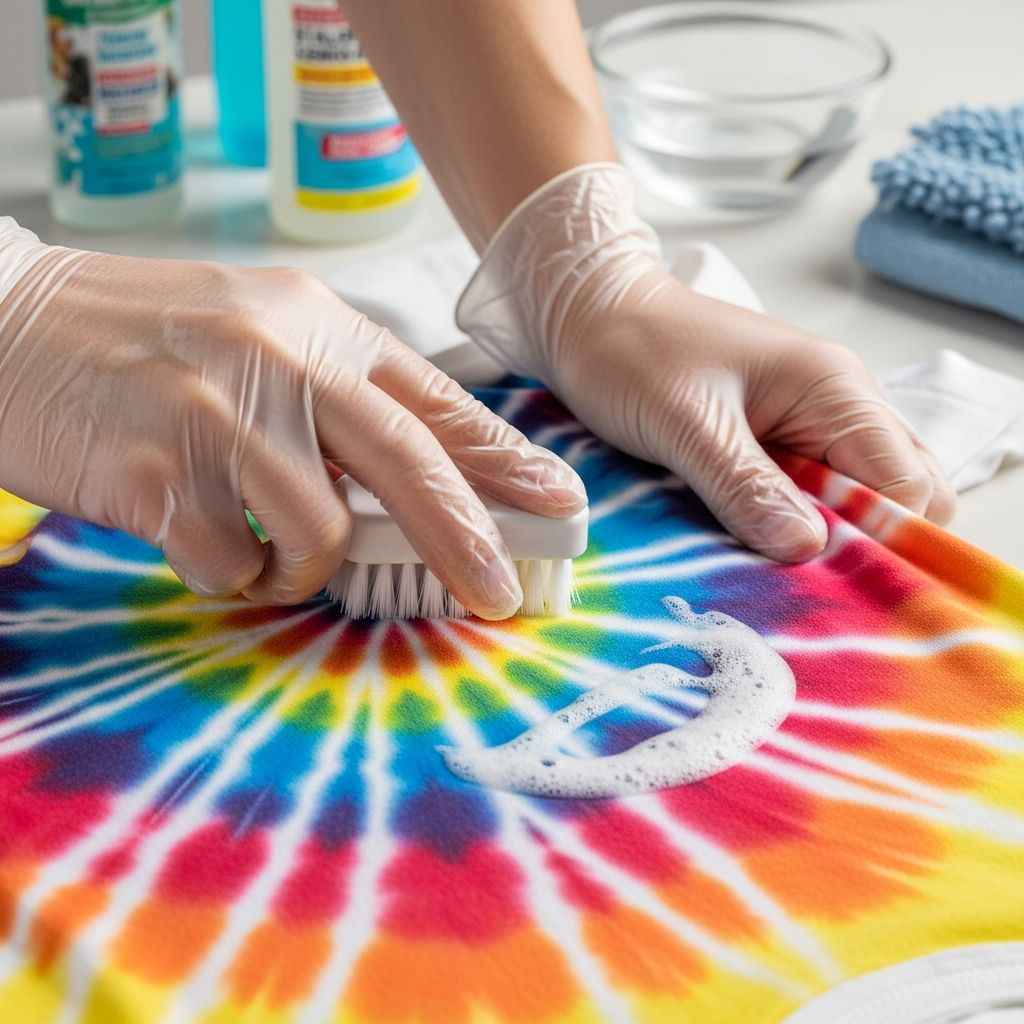
Why Tie-Dye Staining Happens and How to Prevent It
Tie-dye projects are a beloved creative activity for families, but the vibrant pigments used in these colorful creations can quickly transfer to skin, leaving stubborn stains that persist long after the artistic fun has ended. Understanding why dye bonds to skin is the first step toward both prevention and effective removal. Dye molecules work the same way on every surface they encounter, whether fabric or skin, meaning that once contact is made, the pigment begins to penetrate and set into the outer layers of your dermis.
The staining process happens relatively quickly, which is why immediate action is crucial. Fresh dye that has not yet fully bonded to skin can be rinsed away much more easily than dye that has had time to set. This is why timing matters significantly when dealing with tie-dye accidents on your hands.
The most effective prevention strategy is protective equipment. Wearing latex or rubber gloves during your tie-dye project eliminates direct contact between your skin and the dye entirely. Disposable gloves are affordable and readily available at most stores, making them a practical choice for anyone planning a tie-dye session. Beyond gloves, consider wearing an apron to protect your clothing and using kitchen tools such as spoons, tongs, or forks to manipulate materials rather than using your bare hands. These simple precautions significantly reduce cleanup time and eliminate the frustration of stubborn hand stains.
Another preventive approach involves applying barrier creams before beginning your project. Products like petroleum jelly or heavy-duty hand creams create a protective layer that prevents dye from absorbing directly into your skin. This method is particularly useful for those with sensitive skin or for individuals who prefer not to wear gloves.
The Immediate Response: Acting Fast Matters
The moment you notice tie-dye has contacted your skin, your response time becomes critical. Dye that has not fully set behaves differently than dye that has penetrated deeper into the skin’s outer layers. Rinsing immediately with warm water can wash away a substantial portion of the fresh pigment before it bonds to your skin cells.
Begin by using warm running water to rinse the affected area thoroughly. Rub gently under the water flow, allowing the water to carry away loose dye particles. This initial rinse is most effective when performed within minutes of the staining incident. Continue rinsing and repeating this process until the water runs clear or the dye no longer appears to be lifting away. This step alone can dramatically reduce the intensity of the final stain.
The texture of the dyed area provides clues about how well these initial rinses will work. If the stained skin still feels wet or damp, the dye has not completely set, and water-based rinsing will be most effective. If the affected area feels dry to the touch, the dye has already bonded more firmly to your skin, indicating that additional treatment methods will be necessary.
Household Solutions for Effective Stain Removal
Once simple water rinsing has been attempted, several household items can help break down and remove tie-dye stains from your skin. These common pantry staples work through different mechanisms to lift dye molecules from your dermis.
Baking Soda and Water Paste
Baking soda serves as a gentle abrasive that helps lift dye particles from your skin while also assisting in the removal of dead skin cells. To create an effective paste, mix baking soda with water in a small bowl until you achieve a consistency that can be applied to your skin without dripping. Using a gentle circular motion, rub this paste onto the stained areas and allow it to sit for approximately three minutes. This waiting period permits the baking soda to work on breaking down the dye molecules that have bonded to your outer skin layer. After the waiting period, rinse thoroughly with warm water and a gentle dish soap to remove all paste residue. If you experience any skin irritation during this process, stop immediately and rinse completely with clean water. For those with particularly sensitive skin, baking soda can sometimes cause mild irritation, so monitoring your skin’s response is important.
Vinegar Treatment
White vinegar and apple cider vinegar both possess mild acidic properties that help break down the chemical bonds created between dye molecules and your skin. The acidity works to dissolve these connections, making the dye easier to scrub away. To use vinegar safely, dilute it in equal proportions with water to avoid irritating your skin. Apply this diluted solution to stained areas using a cotton ball, allowing it to sit for several minutes before washing off with warm water. The waiting period allows the mild acid to work on the dye molecules. This process can be repeated if necessary, though limiting applications to twice daily prevents potential skin irritation from the acidic solution.
Lemon Juice and Salt Combination
Lemon juice contains natural acidity that helps dissolve dye molecules, while salt acts as an additional abrasive agent. Combine fresh lemon juice with approximately one teaspoon of salt to create a paste-like consistency. Apply this mixture to stained areas and allow it to sit for several minutes, permitting both the acid and the abrasive salt to work on the dye. After the waiting period, wash the area thoroughly with soap to completely remove the mixture, as leaving acidic lemon juice on your skin for extended periods can cause irritation. Like the vinegar method, this process can be repeated if the first application does not remove all staining, but limiting use to twice daily prevents over-irritating your skin.
Hand Sanitizer Method
Hand sanitizer can be surprisingly effective at removing tie-dye stains, particularly when applied to areas where the dye has begun to set. Apply a small amount of hand sanitizer to the stained portions of your skin and rub it thoroughly into the affected areas. Allow the sanitizer to sit for a few minutes, giving its active ingredients time to work on the dye molecules. After this brief waiting period, wash your hands with soap and water to remove both the sanitizer and any loosened dye particles.
Advanced Stain Removal Techniques
When household remedies prove insufficient for particularly stubborn stains, more specialized removal methods become necessary.
Acetone-Based Nail Polish Remover
Acetone is a powerful solvent that dissolves the chemical bonds created by dye molecules, effectively lifting them from your skin’s surface. Non-acetone nail polish removers are significantly less effective than acetone-containing products, so checking your bottle to confirm acetone presence is important. Dampen a cotton ball with acetone-based nail polish remover and rub it onto the stained areas. The acetone will work to dissolve the dye’s chemical bonds, making removal easier. However, acetone can be drying to skin, so immediately rinse the affected area with mild soap and water after treatment to remove any remaining acetone residue and prevent skin dehydration.
Professional Stain Removers
Specialized stain removal products formulated specifically for skin use can be effective for particularly stubborn tie-dye stains. These products have been developed and tested specifically for safety on human skin, making them preferable to fabric stain removers, which contain harsh chemicals unsuitable for skin application. When using professional stain removers, apply only a pea-sized amount to the stained area, rub it around gently, and allow it to sit for several minutes to break down the dye. Afterward, wash thoroughly with warm soapy water and rinse completely to remove any product residue.
Exfoliation Strategies for Stubborn Stains
Exfoliation removes the outer layer of dead skin cells to which dye molecules have bonded, effectively shedding away the stained tissue. This approach works because the staining process cannot be reversed once the dye has bonded to your skin cells; therefore, removing the affected cells themselves becomes the most effective solution.
For those with sensitive skin, gentle exfoliation methods are preferable. Creating a natural exfoliating scrub by mixing ground oats with lotion provides mild abrasive action without harsh chemicals. Alternatively, combining ground coffee with honey creates an exfoliating mixture that removes dyed skin while maintaining moisture and softness. Apply these gentle scrubs using circular motions and rinse thoroughly.
For more stubborn stains, slightly more abrasive exfoliating tools become necessary. A soft-bristled brush, pumice stone, or commercial exfoliating tool can help scrub away the stained outer layer more effectively. Use these tools gently to avoid creating raw or irritated skin, and follow up with moisturizer after exfoliation to maintain skin health.
Natural Healing and Time-Based Solutions
It is important to acknowledge that some tie-dye formulations create particularly stubborn stains that resist removal through the methods described above. In these cases, natural fading over time becomes the realistic expectation. Dye stains on skin gradually fade as your body naturally sheds dead skin cells and replaces them with new, unstained tissue. This process typically occurs over several days to a week, depending on the dye’s formulation and the depth of penetration.
During this waiting period, continuing to use the removal methods described can help accelerate the fading process. Regular exfoliation during daily showers removes stained skin cells more rapidly, speeding the natural fading timeline. Moisturizing your skin during this period helps maintain skin health while the natural renewal process occurs.
Comparison of Removal Methods
| Method | Effectiveness | Safety | Cost |
|---|---|---|---|
| Immediate Water Rinsing | High (for fresh stains) | Very Safe | Free |
| Baking Soda Paste | Moderate to High | Safe | Very Low |
| Vinegar Treatment | Moderate | Safe (when diluted) | Very Low |
| Lemon Juice and Salt | Moderate | Safe (when limited) | Very Low |
| Acetone Nail Polish Remover | High | Moderate (drying) | Low |
| Professional Stain Removers | High | Safe | Moderate |
| Gentle Exfoliation | Moderate | Safe | Low to Moderate |
Special Considerations for Different Skin Types
Individuals with sensitive skin should exercise caution when attempting tie-dye stain removal, as several methods involve potentially irritating substances. Testing any new treatment on a small area of skin before applying it to larger stained regions helps identify potential negative reactions. Gentle methods such as mild exfoliation with oat-based scrubs or diluted vinegar treatments are preferable for sensitive skin types.
Those with dry skin should prioritize moisturizing after any tie-dye removal treatment, as many methods can further dry the skin. Using gentle, hydrating products and limiting the use of acetone or alcohol-based treatments helps maintain skin moisture levels. Following stain removal with a good moisturizer prevents additional drying and irritation.
Frequently Asked Questions
How long does it take for tie-dye stains to naturally fade from skin?
Natural fading typically occurs over several days to a week as your body sheds stained skin cells. The timeline depends on the dye formulation and how deeply it penetrated your skin, but consistent exfoliation can accelerate the process.
Is it safe to use acetone-based nail polish remover on hands?
Yes, acetone-based nail polish remover is safe for skin use, but acetone can be drying. Always rinse thoroughly with mild soap and water immediately after application, and follow up with moisturizer to prevent skin dehydration.
Can I use fabric stain removers on my skin?
No, fabric stain removers contain harsh chemicals formulated only for fabrics and are unsafe for skin application. Always use products specifically designed and labeled as safe for skin.
Which household method is most effective for stubborn stains?
Baking soda paste combined with gentle exfoliation tends to be most effective for stubborn stains that have already set, while acetone-based products work quickly for fresh stains that have not yet fully bonded.
Should I use hot or cold water for rinsing tie-dye stains?
Use warm water for rinsing, as it helps open your skin’s pores and allows dye to rinse away more effectively than cold water, while being gentler than very hot water.
Can barrier creams prevent tie-dye stains completely?
Barrier creams like petroleum jelly create a protective layer that significantly reduces staining risk, but gloves remain the most effective prevention method for complete protection against tie-dye stains.
How often can I safely repeat removal treatments?
Methods involving acidic substances like lemon juice or vinegar should be limited to twice daily to prevent skin irritation. Other methods like baking soda paste can be used more frequently if needed, but monitor your skin for irritation.
What should I do if removal methods irritate my skin?
Stop the treatment immediately and rinse thoroughly with cool water. If irritation persists, apply a gentle moisturizer and consider switching to milder removal methods or allowing natural fading to occur over time.
References
- How to Clean Your Hands After Tie-Dyeing — PigMintShop. Accessed January 16, 2026. https://pigmintshop.com/blogs/dyeing-to-know/how-to-get-dye-off-your-hands
- How to Remove Tie Dye from Skin — HTVront. Accessed January 16, 2026. https://www.htvront.com/blogs/basics/how-to-remove-tie-dye-from-skin
- Effective Ways to Remove Tie-Dye From Your Hands — Oreate AI. Accessed January 16, 2026. https://www.oreateai.com/blog/effective-ways-to-remove-tiedye-from-your-hands/41e3c69a384b70b1ee41c5a676a57ca6