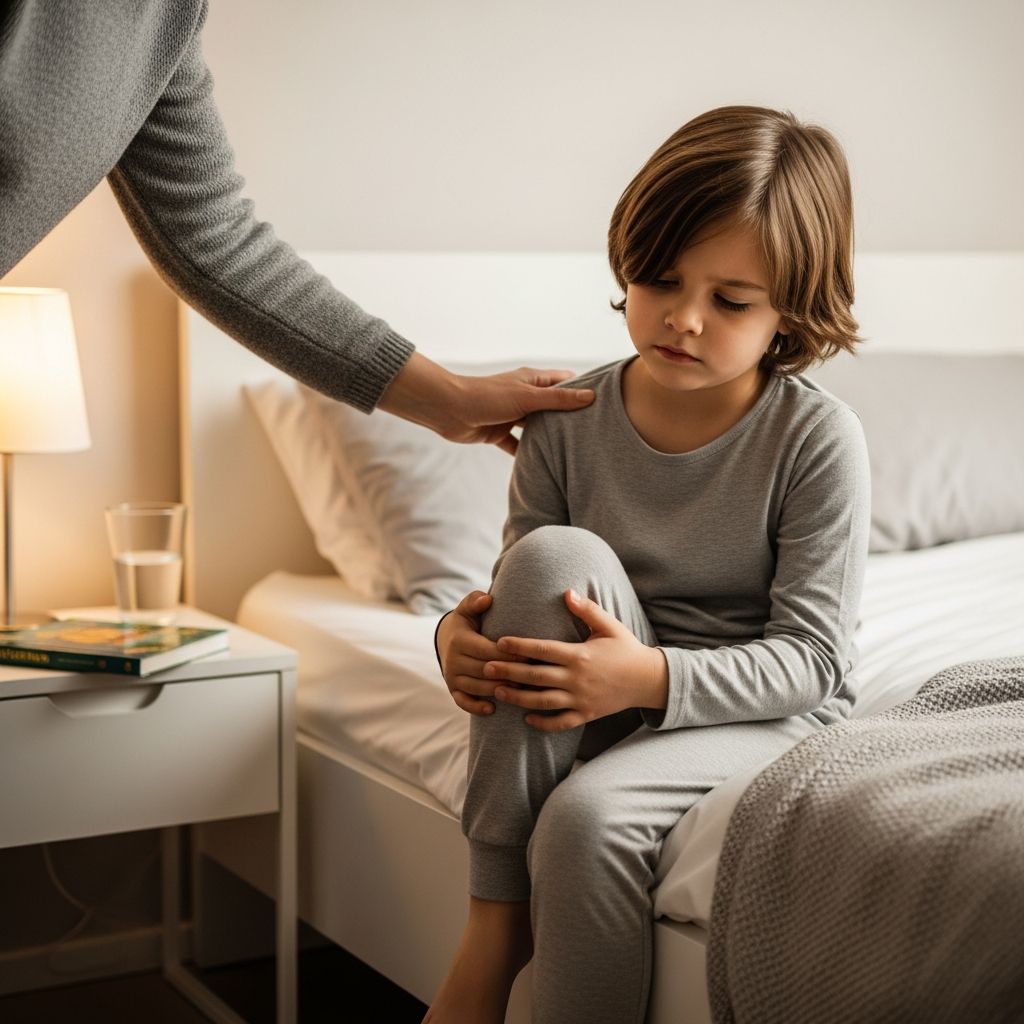
Many children wake at night with aching legs, scaring parents and disrupting sleep for the whole family. These episodes are often called “growing pains,” a harmless but uncomfortable pattern of pain that tends to come and go during childhood. Understanding what is typical, what is not, and how to respond calmly can make a big difference for both you and your child.
This guide explains what growing pains are, how they usually feel, when to seek medical advice, and simple ways to comfort your child at home. It is for informational purposes only and does not replace professional medical evaluation or advice.
What Are Growing Pains Really?
The term “growing pains” describes a type of recurring, harmless pain that most often affects the muscles of the legs in otherwise healthy children. Despite the name, these pains are not directly caused by bones growing or stretching.
Instead, doctors view growing pains as a benign pain syndrome: the child feels real discomfort, but there is no underlying damage, infection, or joint disease causing the symptoms. Over time, the episodes fade and do not affect the child’s long-term growth, strength, or ability to play sports.
- Typical age: preschool through early teen years, with many cases starting between ages 3 and 12.
- Typical location: muscles of the thighs, calves, shins, or behind the knees, often on both sides.
- Typical timing: later in the day or at night, with the child usually pain-free by morning.
Who Tends to Get Growing Pains?
Not every child experiences growing pains, but they are common enough that many families will encounter them at some point. Patterns seen in clinical practice suggest that they are slightly more frequent in active children who spend a lot of time running and playing.
Growing pains can appear in:
- Young children who are very active during the day, especially after sports or outdoor play.
- Children with a family history of similar nighttime leg pains during childhood.
- Kids who may also report headaches or abdominal aches from time to time, even when no disease is found.
Although some children seem more prone to these pains, there is no single “type” of child who gets them, and having growing pains does not mean your child is weak, fragile, or “too sensitive.”
Common Symptoms Parents Notice
Growing pains have a fairly recognizable pattern. Parents often describe a child who went to bed feeling well and then wakes crying or calling out because their legs hurt.
Typical features include:
- Aching, throbbing, or cramping pain in both legs, more commonly in the muscles than in the joints.
- Pain that appears in the late afternoon, evening, or during the night, often strong enough to wake the child from sleep.
- Episodes that come and go, sometimes with several days, weeks, or even months without any discomfort.
- Relief by morning; the child usually walks, runs, and plays normally the next day.
The pain can range from mild to intense. Some children only need a quick hug and a leg rub, while others have episodes that last 30 minutes or more. Even when the pain is dramatic, the child typically appears completely well between episodes.
What Growing Pains Do Not Look Like
Because “growing pains” is such a broad phrase, some serious problems can be mistaken for it. It helps to know what is not typical of harmless growing pains.
Growing pains usually do not:
- Cause swelling, redness, or warmth over the painful area.
- Make your child limp or avoid using a limb during the day.
- Stay in one very specific spot (such as a single joint) day after day.
- Come with fever, weight loss, fatigue, or a general sense that your child is unwell.
If any of these warning signs are present, or if the pattern does not match what is described in this article, it is important to talk with your child’s healthcare provider promptly.
Possible Contributors (Beyond “Just Growing”)
No single cause fully explains why some children get growing pains and others do not. Instead, researchers and clinicians discuss a mix of possible contributing factors that may overlap in different children.
Several commonly discussed factors include:
- Increased activity: A very active day with lots of running, jumping, or sports can leave muscles tired and achy later, particularly in children who are still building strength and endurance.
- Muscle fatigue and flexibility: Tight muscles in the legs may be more prone to aching after use, especially if a child rarely stretches.
- Pain sensitivity: Some children have a lower pain threshold or are more aware of bodily sensations, so they feel normal muscle discomfort more intensely.
- Posture and foot structure: Very flat feet or alignment issues in the legs can place extra strain on certain muscle groups.
- Sleep and emotional factors: Stress, anxiety, or poor sleep can heighten perception of pain and make nighttime discomfort more distressing.
None of these factors alone “cause” growing pains in a strict sense, and many children with similar traits never develop them. However, they are useful clues in tailoring home strategies to reduce how often and how intensely the pains appear.
Nighttime Episodes: What You May See
During a typical episode, a child may suddenly cry out or appear in their parents’ room complaining that their legs hurt. The pain is often vague: they may point to the front of the thigh one time, the back of the knee another, and the calves during a different episode.
Parents sometimes report:
- The child feels better when the leg is massaged, stretched, or hugged.
- The child may doze off again once comforted, only to have a shorter repeat episode later that night.
- By the next morning the child walks normally, goes to school, and participates in activities without complaints.
The intensity of the child’s reaction can be alarming, especially the first time. Knowing that growing pains, while uncomfortable, are not damaging, often helps parents stay calm and reassuring.
Home Care: How to Comfort Your Child
Most growing pains can be managed safely at home with simple, gentle measures. The goal is to ease discomfort, help your child relax, and support a smooth return to sleep.
Simple Comfort Strategies
- Gentle massage: Using your hands to slowly rub the painful area often provides immediate comfort. Use small circles or long strokes, adjusting the pressure based on your child’s feedback.
- Warmth: A warm (not hot) washcloth, heating pad on a low setting, or warm bath before bed can relax tight muscles. Always supervise closely and test the temperature first.
- Stretching: Once the acute pain settles, teaching your child to gently stretch calf and thigh muscles can help, especially if done regularly before bedtime.
- Reassuring words: Calm, simple statements such as “Your legs are sore, but they are healthy and strong” can reduce fear and help your child feel secure.
When to Consider Medicine
If your child’s pain remains significant after comfort measures, talk with a healthcare provider about whether over-the-counter pain relievers are appropriate and what dosing is safe for your child’s age and weight. Never give medicine meant for adults or exceed recommended amounts. Aspirin is generally avoided in children unless a doctor specifically instructs otherwise.
Daily Habits That May Help
While growing pains tend to come and go on their own, some everyday habits may reduce how frequently they appear or how intense they feel. Think of these changes as part of supporting overall muscle health and resilience.
- Regular stretching: Brief stretches targeting the calves, hamstrings (back of the thighs), and quadriceps (front of the thighs) once or twice a day can improve flexibility.
- Balanced activity: Encourage active play but avoid sudden jumps in training or sports intensity.
- Supportive footwear: Shoes that fit well and provide good arch and heel support can reduce strain on the legs, especially for children with flat feet.
- Rest breaks: Remind children to pause and rest during long periods of intense activity or sports.
- Healthy routines: Nutritious meals, hydration, and regular sleep patterns all contribute to better overall comfort and recovery.
Red Flag Signs: When to Call the Doctor
Most nighttime leg pains are harmless, but it is essential to recognize when they might signal something more serious. Seek medical advice promptly if any of the following occur.
| Warning Sign | Why It Matters |
|---|---|
| Pain in only one limb, in the same exact spot repeatedly | This pattern is less typical of growing pains and may indicate a local injury or joint problem. |
| Swelling, redness, warmth, or tenderness over a joint or bone | Visible inflammation can signal infection, arthritis, or injury that needs evaluation. |
| Limping, difficulty walking, or refusal to bear weight | A change in gait suggests the child is protecting a painful area and should be examined. |
| Pain that persists or worsens during the day | Growing pains are typically absent in the morning; daytime pain requires a closer look. |
| Fever, unexplained weight loss, fatigue, or rash | Whole-body symptoms may point to infection, inflammation, or other systemic illness. |
| Night pain that does not improve with comfort or medicine | Severe or unrelenting pain is not expected and should be assessed. |
When in doubt, trust your instincts. If a symptom pattern feels different from your child’s usual growing pains, or you simply feel uneasy, it is reasonable to have a healthcare professional evaluate your child.
What to Expect at a Medical Visit
If you bring your child to a healthcare provider for leg pains, the visit will typically focus on confirming that the symptoms fit the pattern of benign growing pains and ruling out other conditions.
The provider may:
- Ask detailed questions about when the pain occurs, what it feels like, and how long it lasts.
- Review your child’s medical history and any family history of joint, muscle, or bone problems.
- Perform a physical exam, checking joints, muscles, walking pattern, and range of motion.
If everything appears normal and the story is consistent with growing pains, no imaging or blood tests may be needed. If something is unusual, the provider might order tests or refer you to a specialist.
Helping Your Child Feel Emotionally Safe
Growing pains are not just a physical experience; they can also stir up fear and frustration. Children may worry that something is seriously wrong or feel upset about missing sleep and activities.
Parents can support emotional well-being by:
- Explaining in age-appropriate language that the pain is real but not a sign of damage.
- Creating a simple “comfort routine” for nighttime episodes so the child knows what to expect.
- Encouraging the child to share feelings about the pain and validating that it is okay to be upset.
Over time, many children become more confident that their body is safe, even when it hurts, and they learn skills for self-soothing and coping.
Frequently Asked Questions (FAQs)
1. Are growing pains a sign of something serious?
In most children, growing pains are considered a harmless pattern of muscle discomfort with no underlying disease. They do not cause joint damage, bone problems, or long-term disability. The key is to watch for warning signs, such as swelling, limping, daytime pain, or fever, which may point to other conditions that need medical attention.
2. Do growing pains mean my child is growing faster than normal?
No. The term “growing pains” is misleading because the pains are not directly tied to growth spurts. Children can have periods of rapid growth without pain, and they can have pain without any unusual growth pattern. These pains are better thought of as muscle aches that tend to show up during the growing years.
3. Can adults get growing pains?
Growing pains are primarily a childhood phenomenon. Adults who experience recurring limb pain should not assume it is the same condition and should seek evaluation. Persistent or unexplained pain in adults warrants medical assessment to rule out injury, joint disease, or circulation problems.
4. Will my child outgrow these pains?
Yes, in most cases the pains gradually become less frequent and eventually disappear as the child gets older. The time frame varies; some children have episodes for only a few months, while others may notice them on and off over several years. There is no evidence that having growing pains leads to chronic pain problems in adulthood.
5. Should my child stop sports or physical activities?
Most children with growing pains can safely continue their usual activities, including sports, unless your healthcare provider advises otherwise. Regular movement is healthy for bones, muscles, and mood. If particular activities seem to trigger more intense pain, you can discuss adjustments in training, footwear, or stretching routines with a professional.
6. Can diet or vitamins help?
A balanced diet that includes adequate protein, calcium, vitamin D, and other essential nutrients supports overall bone and muscle health. Some children with low vitamin D levels may be more prone to aches, but supplements should only be given under the guidance of a healthcare provider. There is no single food or vitamin that “cures” growing pains, but general good nutrition is always beneficial.
7. How can I tell the difference between growing pains and an injury?
Injuries often follow a specific event (such as a fall), may affect one specific area, and can cause pain whenever the child moves that body part. Growing pains usually have no clear trigger, affect both legs, and are worst in the evening or at night while leaving the child comfortable during the day. Any pain that follows trauma, leads to limping, or does not improve should be evaluated.
Key Takeaways for Parents
- Growing pains describe a common pattern of nighttime muscle aches in children, especially in the legs, that do not damage the body.
- They often show up after active days, tend to affect both legs, and usually disappear by morning.
- Gentle massage, warmth, stretching, reassurance, and, when appropriate, carefully dosed pain relievers can help relieve symptoms.
- Warning signs such as swelling, limping, daytime pain, fever, or persistent, localized pain should prompt medical evaluation.
- Most children eventually outgrow these pains, and with calm, informed support from adults, they can feel safer and more confident in their growing bodies.