Planning Your Unified Halloween Experience
When Halloween arrives, one of the most engaging ways to celebrate is by coordinating costumes with friends, family members, or colleagues. A well-executed group costume concept creates visual impact, strengthens bonds among participants, and generates memorable moments perfect for photographs. The process of selecting and assembling matching outfits transforms Halloween from a solo experience into a collective celebration that sparks conversations and brings people together around a shared theme.
The beauty of coordinated costumes lies in their versatility and accessibility. Whether you have three people or a dozen enthusiastic participants, countless themed options allow everyone to shine individually while contributing to a cohesive overall aesthetic. This balance between unity and personal expression is what makes group costumes so appealing across different age groups and social settings.
Foundation Strategies for Successful Coordination
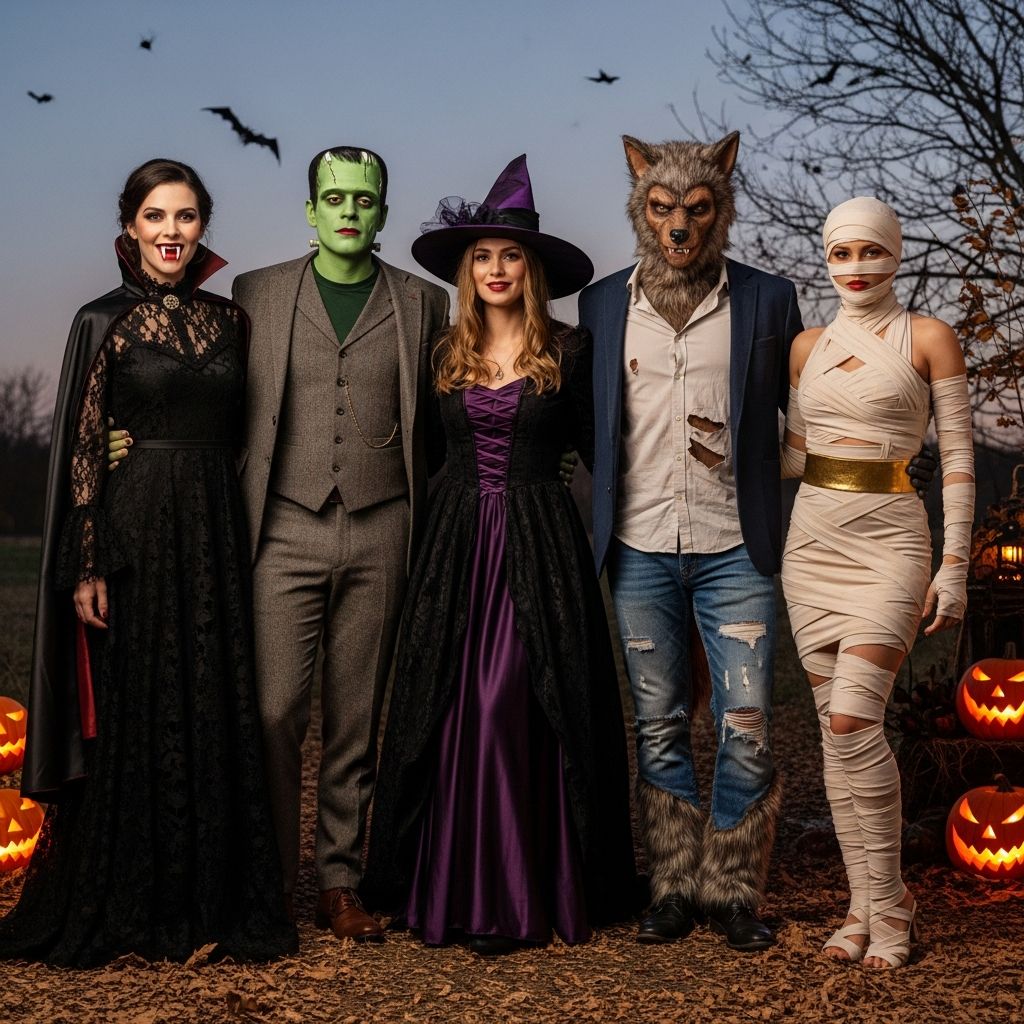
Successful group costume planning begins with understanding your specific situation. The number of participants directly influences which themes will work best, the complexity of assembly, and the overall visual impact. Small groups of two to three people benefit from tightly connected concepts where each member plays a defined role. Larger gatherings of five or more people allow for ensemble approaches where participants can portray different characters within the same universe or theme.
Consider the comfort level and availability of your group members. Some people enjoy elaborate costume construction, while others prefer simple designs they can assemble quickly. Time constraints matter significantly—some concepts require weeks of preparation with materials sourcing and crafting, while others come together in hours using basic items and accessories.
Budget considerations deserve careful attention. Group costumes can range from nearly free (using existing clothing with minor modifications) to moderately expensive (purchasing coordinated pieces). Discussing financial expectations upfront prevents misunderstandings and ensures everyone can participate comfortably within their means.
Timeless Character Ensemble Concepts
Established entertainment franchises provide excellent foundations for group costumes because characters are immediately recognizable and audiences understand the references instantly. Classic films, animated series, and beloved television shows offer rich source material where each participant takes on a distinct personality.
Literary and Film Adaptations
Fantasy universes with multiple main characters work particularly well for groups. Participants can embody iconic figures from these worlds, using costumes that establish clear visual identity. Classic literature adapted for screen provides characters with distinctive appearances, making it easy for observers to identify each person’s role. The commitment people already feel toward these stories motivates them to invest effort into accurate costume representation.
Adventure narratives featuring ensemble casts allow flexibility in which characters your group selects. You don’t need to include every single character—choosing your favorites gives you freedom to match your group size perfectly. Costume elements from these stories often emphasize distinctive accessories and silhouettes that remain recognizable even with simplified construction methods.
Animated and Retro References
Properties from earlier decades that have maintained cultural relevance work beautifully for themed celebrations. These concepts benefit from nostalgic appeal while remaining accessible to newer generations who discovered them through reruns, streaming platforms, or remakes. The visual styles associated with these properties—distinctive color palettes, signature clothing elements, and recognizable accessories—translate easily into costume form.
The advantage of these established references is that costume pieces often exist in retail environments or can be easily DIY-ed using common materials. Participants can mix purchased items with homemade elements, allowing flexible budgets and crafting skill levels.
Creative Concept-Based Costume Groups
Beyond specific character franchises, abstract concept-based costumes offer imaginative alternatives that showcase creativity and humor. These themes work regardless of how many people participate and allow for personal interpretation within the unified concept.
Food and Beverage Themes
Transforming your group into consumable items creates instantly playful and approachable costumes. Each participant represents a different menu component, creating a complete dining experience. These costumes are typically simple to construct—requiring basic colored clothing, geometric shapes cut from craft materials, and minimal accessories. The humor embedded in food costumes breaks down social barriers and invites interaction from other party attendees.
The advantage of food-themed groups is their universal recognition and inherent humor. People immediately understand the concept without explanation, and the costumes allow for creative individual variations while maintaining group cohesion.
Profession and Occupation Groups
Coordinating as different professional roles creates a sense of teamwork and camaraderie. Participants dress as various specialists working toward a common goal, which translates the theme into a cohesive narrative. The costumes emphasize role-specific uniforms, tools, and accessories that instantly communicate each person’s profession.
These concepts work particularly well for workplace celebrations, college parties, or friend groups with a playful dynamic. The professional context adds humor and allows everyone to maintain dignity while having fun with the theme.
Scale-Appropriate Costume Selection
Duos and Small Trios
Two or three participants benefit from concepts where close relationships define the characters. Complementary pairs create natural visual balance, and trios allow for scenarios featuring established relationships. These smaller groups can commit to more elaborate costume construction since each individual piece receives greater attention and visibility.
Small groups work excellently with paradoxical or ironic concepts—the humor lies in the unexpected pairing. Character contrasts create interesting visual dynamics that observers find memorable.
Medium Groups of Four to Six
This size range represents the most versatile group-costume sweet spot. Enough participants exist to create visual impact and establish clear themes, yet small enough that coordination remains manageable. Character ensembles from established properties fit naturally, allowing each person distinct identity while maintaining overall cohesion.
Four to six participant groups can execute more complex themes involving multiple costume elements and layered concepts. The group size generates sufficient presence to make coordinated visual impact without requiring compromise on individual costume quality.
Larger Gatherings of Seven or More
Bigger groups create impressive visual spectacles and generate significant impact at events. Larger ensemble casts from expanded fictional universes work well, along with profession-based or concept-based themes that allow flexible participant numbers. Larger groups benefit from coordinated color palettes and thematic consistency rather than requiring identical costume components.
With bigger groups, establish clear visual unification—perhaps through matching accessories, coordinated colors, or consistent design elements—while allowing individual costume variations that reflect different character roles or personality expressions.
Material Selection and Construction Methods
Halloween costume construction doesn’t require advanced sewing skills or expensive materials. Many group costumes come together using accessible approaches that anyone can execute.
DIY and Thrifted Approaches
Assembling costumes from existing wardrobe pieces and thrifted materials reduces costs while promoting sustainability. Many character concepts work with base colored clothing—simple tees and pants provide foundations that you customize with accessories and applied details. Thrift stores offer affordable pieces that you can modify with fabric paint, markers, or temporary alterations.
Handmade elements add personality and authenticity that factory-produced costumes sometimes lack. Creating costume components yourself allows perfect customization to fit your group’s vision and ensures uniqueness that stands out at crowded Halloween venues.
Hybrid Purchased and Homemade Combinations
Strategic purchases combined with DIY elements balance quality, cost, and convenience. Perhaps your group purchases coordinated base costumes and individually crafts distinguishing accessories, or vice versa. This approach leverages ready-made items where they simplify construction while preserving creative ownership through handmade customization.
Accessory-Forward Design
Simple colored clothing becomes unrecognizable character costumes when paired with distinctive accessories. Masks, hats, props, and wigs transform basic outfits into recognizable characters. This approach works beautifully for large groups where coordinating identical base pieces becomes complicated. Everyone wears similar foundation clothing while personalized accessories establish individual roles within the theme.
Execution Timeline and Organization
Effective group costume planning requires establishing clear timelines and communication channels. Designate one or two people as costume coordinators who manage material lists, track progress, and maintain group communication. Establish decision deadlines for theme selection—ideally six to eight weeks before Halloween to allow ample preparation time.
Create shared documents or group messaging threads where everyone can access costume specifications, material lists, and construction updates. Regular check-ins maintain momentum and allow problem-solving when unexpected challenges arise. Share inspiration images, discuss color variations, and address questions promptly to keep everyone engaged and confident.
Schedule group costume-assembly sessions if significant handmade components exist. Working together makes construction enjoyable, allows material sharing, and builds anticipation for the final celebration. These preparation gatherings strengthen group bonds and create memories beyond Halloween itself.
Styling and Final Presentation
Beyond the costumes themselves, coordinated appearance enhances the overall effect. Discuss makeup approaches—whether participants want matching makeup styles, complementary designs, or individual creative expression within the theme. Consider hairstyling choices that complete the aesthetic consistently across all group members.
Props significantly amplify costume impact. Whether holding character-appropriate objects, carrying thematic accessories, or displaying coordinated items, props create visual interest and reinforce the unified concept. Discuss which group members will carry which props and practice posing together for photographs.
Establish a meeting point on Halloween and arrive together when possible. Synchronized arrival creates dramatic impact as your full group appears together. Photography of the complete ensemble captures the coordinated effort and creates shareable memories.
Alternative Themes Worth Exploring
- Superhero teams — Comic book universes offer extensive character rosters with distinctive visual identities and easily recognizable costume silhouettes
- Decade-specific fashion — Choose an era and dress accordingly, allowing personal interpretation within the timeframe
- Fictional sports teams — Create jerseys and uniforms inspired by made-up teams, establishing group identity through coordinated athletic wear
- Mythological figures — Gods, goddesses, and legendary characters from various mythologies offer dramatic costume possibilities
- Video game characters — Digital properties provide distinctive visual designs that translate effectively to costume form
- Board game or card game pieces — Transform your group into chess pieces, playing cards, or board game tokens for creative and unique concepts
- Historical periods — Renaissance faire, Victorian era, or Roaring Twenties costumes allow coordinated elegance
Frequently Asked Questions
Q: What’s the ideal group size for coordinated costumes?
A: Groups of three to six participants work best, though successful themes exist for duos and larger gatherings. The ideal size depends on your specific costume concept—choose themes that naturally match your group’s size.
Q: How far in advance should we plan group costumes?
A: Begin planning six to eight weeks before Halloween for comfortable preparation timelines. This allows material sourcing, construction time, and flexibility if changes become necessary.
Q: What if group members have different costume-construction skill levels?
A: Assign costume components based on individual abilities—less experienced crafters get simpler pieces while skilled members tackle complex elements. Alternatively, focus on purchased or minimal-DIY themes that work regardless of crafting expertise.
Q: How can we keep group costume costs reasonable?
A: Set budget expectations upfront, prioritize DIY approaches using household materials, shop thrift stores for base clothing, and divide costs across all participants rather than placing financial burden on one person.
Q: What if someone can’t participate after we’ve selected the costume theme?
A: Choose themes flexible enough to accommodate different group sizes—avoid concepts that require exact participant numbers. Consider substitute characters or roles that maintain the overall aesthetic if group composition changes.
Q: How do we ensure everyone feels comfortable with the costume choice?
A: Make theme selection democratic, allowing all participants input on potential concepts. Discuss comfort levels regarding costume coverage, complexity, and messaging before committing to final designs.
Q: Can group costumes work for mixed-age celebrations?
A: Absolutely—many themes adapt beautifully across age ranges. Ensure costume concepts and content appropriately match your group’s ages, and offer variations that allow younger and older participants equal visibility and enjoyment.
References
- 77 Fresh Group Costume Ideas That Just Work in 2026 — Classpop! Magazine. 2025. https://www.classpop.com/magazine/group-costume-ideas
- Group Halloween Costume Ideas — HalloweenCostumes.com. 2025. https://www.halloweencostumes.com/group-costume-ideas.html
- 60 of the Best Group Costume Ideas for Every Occasion — Fancy Dress. 2025. https://www.fancydress.com/blogs/ideas/best-group-costume-ideas-for-every-occasion
- 56 Best Trio Halloween Costumes — Good Housekeeping. 2024. https://www.goodhousekeeping.com/holidays/halloween-ideas/g28073110/halloween-costumes-for-3-people/
- Group & Family Costumes — Spirit Halloween. 2025. https://www.spirithalloween.com/category/group-costumes/pc/4742/4826.uts