Ground beef recalls due to Salmonella contamination represent a serious public health concern, with past outbreaks sickening hundreds and prompting massive product withdrawals. These incidents highlight vulnerabilities in meat processing and the critical need for vigilant consumer practices.
Understanding Salmonella in Ground Beef
Salmonella is a bacterium that thrives in the intestines of animals and can contaminate meat during slaughter, processing, or handling. Ground beef is particularly susceptible because grinding mixes surface bacteria throughout the product, making thorough cooking essential. Unlike steaks, where surface searing suffices, ground beef requires higher internal temperatures to eliminate pathogens.
Outbreaks often stem from large-scale production facilities where contamination can spread widely. Factors like inadequate sanitation, cross-contamination, or insufficient cooking contribute to illnesses. Vulnerable groups include young children, elderly adults, pregnant individuals, and those with weakened immune systems, who face higher risks of severe complications.
Major Historical Outbreaks and Recalls
One of the largest ground beef-related Salmonella outbreaks occurred in 2018-2019, linked to products from JBS Tolleson, Inc. in Arizona. Public health officials, including the CDC and USDA-FSIS, identified Salmonella Newport in beef traced back to this facility. The outbreak affected 403 people across 30 states, with 117 hospitalizations but no deaths reported.
Illnesses began as early as August 2018 and continued into early 2019. Epidemiological data showed 86% of interviewed patients had consumed ground beef at home in the week prior, far exceeding rates in healthy control groups. Laboratory confirmation via whole genome sequencing matched strains from patients, retail samples, and patient homes.
In response, JBS issued a massive recall on October 4, 2018, for 6.9 million pounds of beef produced between July 26 and September 7, 2018. This was expanded on December 4, 2018, by an additional 5.2 million pounds, totaling over 12 million pounds—the largest beef recall in U.S. history at the time. Products bore establishment number EST. 267 and were sold under various brands at over 100 retailers nationwide.
A more recent 2023 outbreak further underscored ongoing risks. While traceback did not pinpoint a single source, ground beef—particularly 80% lean varieties—was the common factor among cases. The CDC emphasized universal precautions since any ground beef can harbor germs.
| Outbreak | Cases | States | Hospitalizations | Recall Amount |
|---|---|---|---|---|
| 2018-2019 JBS Tolleson | 403 | 30 | 117 | 12.1 million lbs |
| 2023 Ground Beef | Not specified | Multiple | Not specified | None identified |
Health Impacts of Salmonella Infection
Salmonella infection, or salmonellosis, typically manifests 6 hours to 6 days after exposure. Common symptoms include diarrhea, fever, abdominal cramps, vomiting, and headache, lasting 4-7 days in healthy individuals. Most recover without treatment, but dehydration from diarrhea can necessitate medical care.
- Severe cases: Hospitalization for IV fluids, especially in high-risk groups.
- Complications: Reactive arthritis, bloodstream infections, or endocarditis in rare instances.
- Long-term effects: Some experience irritable bowel syndrome or chronic joint pain post-recovery.
In the 2018 outbreak, no antibiotic resistance was detected in isolates, a positive finding amid rising concerns over multidrug-resistant strains. Prompt medical attention is advised if symptoms persist beyond a week or include bloody stools, high fever, or signs of dehydration.
How to Spot and Respond to Recalls
Recalls are announced by USDA-FSIS when contamination risks are identified. Check product labels for establishment numbers (e.g., EST. 267), production dates, and brands listed in recall notices. Freezers may harbor old products, so inventory regularly.
Response steps:
- Do not consume, serve, or sell recalled items.
- Discard by double-bagging and placing in outdoor trash, or return to retailer for refund.
- Contact JBS hotline (e.g., 800-727-2333 for past cases) or USDA Meat & Poultry Hotline (1-888-674-6854) for queries.
- Wash all surfaces, utensils, and hands that contacted raw meat.
Retailers and restaurants must similarly purge inventories. Lists of affected stores are often published by state.
Essential Safe Handling Practices
The CDC’s four-step mantra—Clean, Separate, Cook, Chill—prevents most foodborne illnesses. Ground beef demands strict adherence.
Clean
- Wash hands for 20 seconds with soap after handling raw meat.
- Sanitize counters, cutting boards, and tools with hot soapy water or bleach solution.
- Avoid splashing juices; clean sinks if contaminated.
Separate
- Use dedicated cutting boards for meat.
- Store raw beef away from produce in fridge.
- Bag raw meat separately at checkout.
Cook
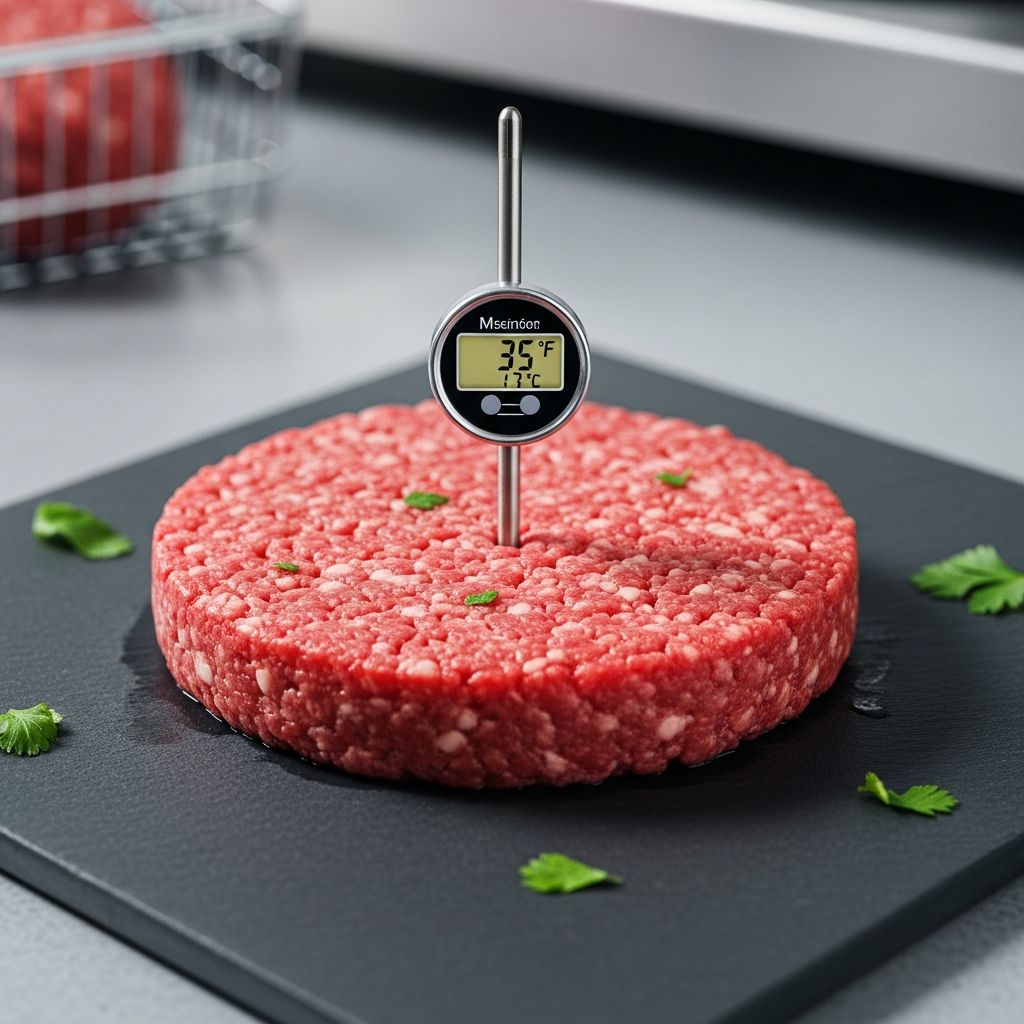
Use a digital food thermometer: ground beef must reach 160°F internally. Color alone is unreliable—brown meat can still harbor bacteria.
Chill
- Refrigerate raw beef within 1-2 days; freeze longer-term.
- Thaw in fridge, cold water, or microwave—never counter.
- Leftovers to 165°F; refrigerate within 2 hours (1 hour if above 90°F).
Preventing Contamination at Home and Beyond
Consumers aren’t the only line of defense. Processors must implement HACCP plans, rigorous testing, and pathogen reduction interventions like steam vacuums or lactic acid sprays. Yet, recalls persist, signaling gaps.
Families can minimize risks by:
- Buying from reputable sources with high turnover.
- Opting for finer grinds or patties cooked immediately.
- Educating children on handwashing.
- Reporting illnesses to local health departments for outbreak tracking.
Regulatory oversight by USDA-FSIS includes routine inspections, but voluntary recalls rely on self-reporting. Enhanced surveillance and genomic sequencing have improved detection.
Recent Trends and Future Outlook
Despite advances, Salmonella in beef remains a challenge. The 2023 outbreak showed diffuse sources, possibly from multiple suppliers. Climate factors, antibiotic use in livestock, and global supply chains complicate control.
Innovations like AI monitoring, blockchain traceability, and vaccines offer promise. Consumers must stay proactive: apps like USDA’s recall checker provide real-time alerts.
Frequently Asked Questions (FAQs)
What should the internal temperature be for cooked ground beef?
160°F as measured by a food thermometer to kill Salmonella and other pathogens.
How do I know if my ground beef is part of a recall?
Check for establishment numbers like EST. 267, production dates, and visit USDA-FSIS recall pages.
Can freezing kill Salmonella in beef?
No, freezing halts growth but does not eliminate bacteria; cook thoroughly after thawing.
Who is most at risk from Salmonella?
Children under 5, adults over 65, pregnant people, and immunocompromised individuals.
What if I think I’ve eaten recalled beef and feel sick?
See a doctor, mention possible exposure, and report to health officials.
References
- Outbreak of Salmonella Infections Linked to Ground Beef — CDC. 2019-03-22. https://archive.cdc.gov/www_cdc_gov/salmonella/newport-10-18/index.html
- JBS recalls 5 million more pounds of beef linked to Salmonella — The Counter. 2018-12-04. https://thecounter.org/jbs-beef-recall-salmonella-newport-december-update/
- 5 Million More Pounds of Ground Beef Recalled — Consumer Reports. Undated (2018 context). https://www.consumerreports.org/food-safety/more-ground-beef-recalled-due-to-salmonella-outbreak/
- Salmonella Outbreak Linked to Ground Beef – July 2023 — CDC. 2023 (post-outbreak). https://www.cdc.gov/salmonella/outbreaks/saintpaul-07-23/index.html