Why the Grill Is the Perfect Classroom for Teens
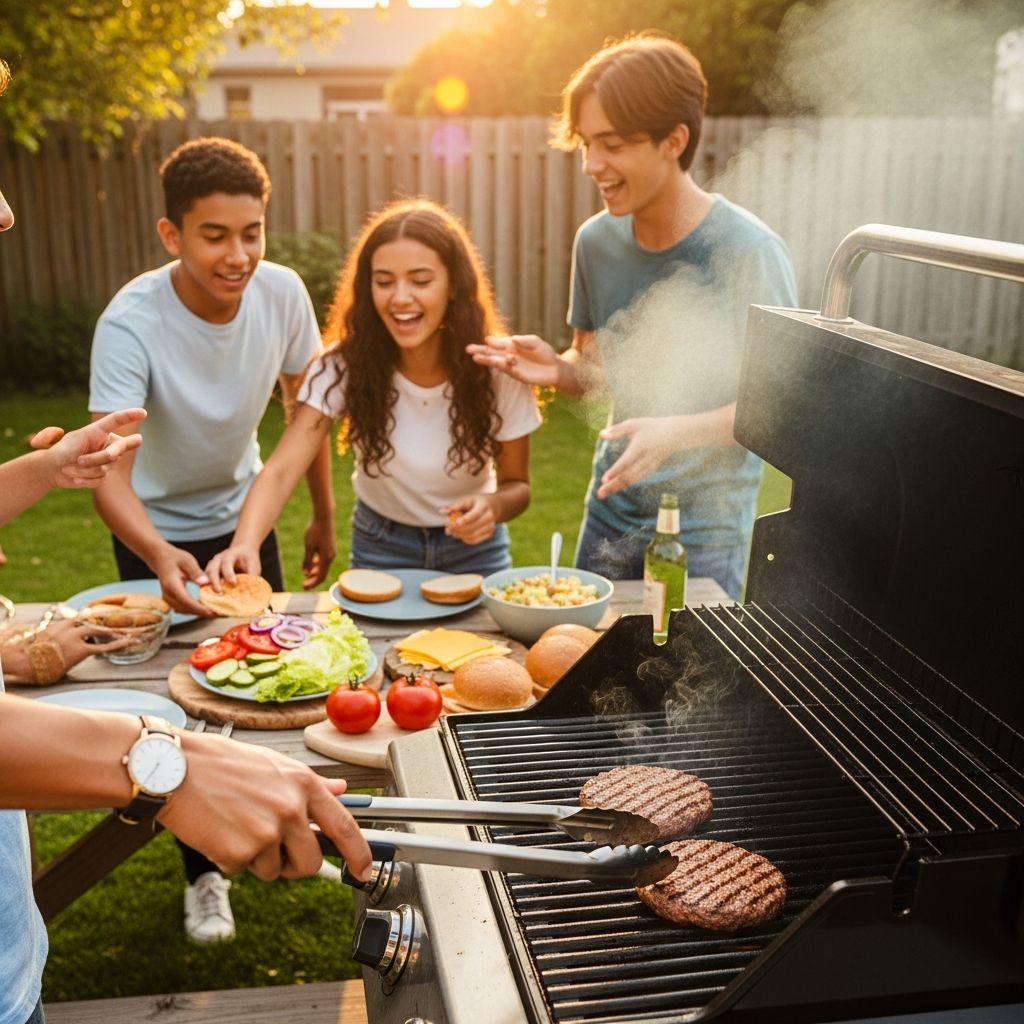
For many families, the backyard grill is more than just a cooking tool—it’s a place where stories are shared, laughter echoes, and traditions are born. But it can also be one of the most effective classrooms a teenager will ever step into. Unlike a formal school setting, the grill offers immediate feedback, real-world consequences, and a low-pressure environment where mistakes are part of the learning process.
Teens today are navigating a world of screens, schedules, and social pressures. Giving them a chance to step away from devices and into a role where they’re in charge—even if it’s just flipping burgers—can boost confidence, decision-making, and responsibility. Grilling is a practical, tangible skill that translates into independence, whether they’re cooking for themselves in college or hosting friends later in life.
Choosing the Right Meat and Tools
Before any flames are lit, the first lesson is understanding ingredients. For burgers, the most important choice is the meat. Ground chuck with an 80/20 lean-to-fat ratio is ideal because it holds together well on the grill while staying juicy. Leaner blends can dry out quickly, especially when cooked over high heat.
Let teens help select the meat at the store or butcher counter. This simple act teaches them to read labels, compare prices, and understand how fat content affects flavor and texture. It also opens conversations about food sourcing, sustainability, and budgeting.
Equally important is the equipment. A basic setup includes:
- Grill (charcoal, gas, or electric)
- Grill spatula and tongs
- Meat thermometer
- Aluminum foil or drip pan
- Grill brush for cleaning
Letting teens assemble and inspect the tools before cooking reinforces preparation and safety. They’ll learn that a clean grill prevents sticking and flare-ups, and that a meat thermometer is essential for food safety, not just perfection.
Forming Patties: Technique Over Perfection
One of the most common mistakes new grillers make is overworking the meat. When teens form patties, encourage them to handle the ground beef gently. Over-packing or squeezing the meat too tightly can result in dense, tough burgers instead of tender, juicy ones.
Here’s a simple method to teach:
- Divide the meat into equal portions (about 6 ounces each for standard burgers).
- Roll each portion into a loose ball, then flatten it into a patty slightly wider than the bun.
- Use a thumb or finger to press a shallow dimple into the center of each patty.
That dimple is a small but powerful trick. As the burger cooks, the edges contract and the center tends to puff up. The dimple counteracts this, helping the patty cook more evenly and stay flat on the bun.
Seasoning is another opportunity for learning. Start simple: salt and pepper on both sides. This teaches that quality ingredients don’t need to be masked. Once they’re comfortable, they can experiment with garlic powder, onion powder, smoked paprika, or even a homemade dry rub.
Mastering Heat and Timing
Grilling is as much about managing heat as it is about cooking meat. Teens often think more heat means faster cooking, but that can lead to burnt outsides and raw insides. Teaching them to control the grill temperature—whether gas or charcoal—builds patience and awareness.
For most burgers, medium-high heat works best. On a gas grill, that’s usually around 375–400°F. On charcoal, it’s when the coals are covered with a light gray ash and you can hold your hand about 5 inches above the grate for 3–4 seconds.
Timing is where the real learning happens. Instead of relying solely on a clock, teach them to use visual and tactile cues:
- Look for a deep brown crust forming on the bottom before flipping.
- Use the spatula to gently lift the edge and check for browning.
- Flip only once to avoid breaking the patty and losing juices.
For food safety, emphasize the importance of internal temperature. Ground beef should reach at least 160°F to be safe to eat. A digital thermometer is the most reliable way to check this. Let teens practice inserting it into the thickest part of the patty without touching the grill grate.
Building a Better Burger: Toppings and Creativity
Once the patties are off the grill and resting, the fun really begins: building the burger. This is where teens can express their creativity while learning about balance and flavor pairing.
Start with a simple lineup of classic toppings:
- Lettuce, tomato, onion, pickles
- Cheese (cheddar, American, Swiss, pepper jack)
- Ketchup, mustard, mayo, special sauces
- Toasted buns (buttered and lightly grilled)
Encourage them to think about texture and contrast: crisp lettuce, creamy cheese, tangy pickles, and a soft bun all contribute to a satisfying bite. They can also experiment with more adventurous combinations like avocado, grilled onions, bacon, or even a fried egg.
Let each teen customize their own burger, but also challenge them to create a “signature” version to share with the family. This builds pride in their work and opens the door to constructive feedback in a supportive setting.
Grill Safety and Responsibility
Working with fire and hot surfaces is serious, but it’s also a powerful way to teach responsibility. Before lighting the grill, review basic safety rules:
- Keep a fire extinguisher or bucket of sand nearby.
- Never leave the grill unattended while in use.
- Use long-handled tools to avoid burns.
- Keep flammable materials (paper, towels, lighter fluid) away from the cooking area.
- Always supervise younger siblings or pets near the grill.
Teens should also learn how to handle common issues:
- Flare-ups: Move the patties to a cooler part of the grill and close the lid to cut off oxygen.
- Sticking: Ensure the grill is clean and hot before adding food, and avoid moving patties too soon.
- Overcooking: Use a thermometer and remove burgers just before they reach the desired temperature, since they continue to cook while resting.
Assigning specific roles—like one teen managing the fire, another handling the meat, and another preparing buns and toppings—helps distribute responsibility and keeps everyone engaged.
Turning Grilling into a Family Ritual
Grilling doesn’t have to be reserved for holidays or special occasions. Making it a regular part of family life—whether weekly, biweekly, or monthly—creates a predictable rhythm that teens can look forward to.
Consider establishing a “Grill Master of the Week” rotation. Each teen takes turns planning the menu, shopping for ingredients, and leading the cooking process. This builds leadership, planning, and organizational skills in a low-stakes, enjoyable context.
Pair the meal with simple traditions: a family toast before eating, a short walk after dinner, or a quick cleanup routine where everyone has a role. These small rituals reinforce connection and make the experience about more than just food.
Life Lessons Hidden in the Smoke
Beyond the technical skills, grilling with teens offers deeper, often unspoken lessons:
- Patience: Good burgers can’t be rushed. Waiting for the right heat, the right sear, and the right internal temperature teaches delayed gratification.
- Problem-solving: When a patty falls apart or the fire flares up, teens learn to adapt and recover, not give up.
- Communication: Coordinating who does what, when, and how builds teamwork and clear communication.
- Confidence: Successfully feeding a group—even a small family—builds a sense of competence and pride.
- Independence: Knowing how to cook a simple, nutritious meal is a lifelong skill that supports self-reliance.
These aren’t lessons that show up on a report card, but they’re the kind that shape how teens see themselves and their ability to handle challenges in the real world.
Sample Grilling Schedule for a Family Burger Night
Here’s a simple timeline to help structure a successful family burger night:
| Time Before | Task | Who Can Help |
|---|---|---|
| 60–90 min | Prep toppings, set table, gather tools | Teens and younger kids |
| 30–45 min | Form patties, season, rest in fridge | Teens with guidance |
| 15–20 min | Preheat grill, clean grates | Teens with supervision |
| 10 min | Toast buns, finalize toppings | Teens and younger kids |
| 0–10 min | Cook burgers, rest, assemble | Teens leading, adults supporting |
Frequently Asked Questions
How do I keep burgers from sticking to the grill?
Make sure the grill is clean and hot before adding the patties. Lightly oil the grates with a paper towel dipped in vegetable oil (using tongs), and avoid moving the patties until they’ve developed a good sear.
Can teens really handle the grill safely?
Yes, with proper supervision and clear safety rules. Start with simple tasks and gradually increase responsibility as they gain confidence and skill. Always keep an adult nearby when the grill is in use.
What if the burgers are overcooked or undercooked?
Overcooked burgers can still be salvaged with extra sauce, cheese, or a slice of avocado. Undercooked burgers should be returned to the grill until they reach 160°F internally. Use this as a teaching moment, not a criticism.
How can I make grilling more fun for reluctant teens?
Let them choose the toppings, design a “signature burger,” or invite a friend over. Pair grilling with music, a favorite drink, or a post-meal game to make it feel more like a hangout than a chore.
What are some easy side dishes for a burger night?
Simple sides like potato chips, coleslaw, grilled corn, baked beans, or a green salad work well. Let teens help prepare or choose the sides to increase their investment in the meal.
Final Thoughts: More Than Just a Meal
Grilling burgers with teens is about far more than putting food on the table. It’s about creating moments where they feel capable, heard, and valued. It’s about teaching them that they can plan, execute, and succeed—even when things don’t go perfectly.
Every time they light the grill, season a patty, or serve a meal they helped create, they’re building skills that will serve them long after they’ve moved out of the house. And for parents, it’s a rare opportunity to connect in a way that feels natural, productive, and deeply human.
So fire up the grill, hand over the spatula, and let the next generation take the lead. The burgers might not be perfect, but the memories—and the lessons—will last a lifetime.
References
- Safe Minimum Internal Temperature Chart — U.S. Department of Agriculture, Food Safety and Inspection Service. 2023. https://www.fsis.usda.gov/food-safety/safe-food-handling-and-preparation/food-safety-basics/safe-minimum-internal-temperature-chart
- Grilling and Barbecue Safety — National Fire Protection Association. 2023. https://www.nfpa.org/Public-Education/Fire-causes-and-risks/Seasonal-fire-causes/Grilling
- Ground Beef and Food Safety — U.S. Department of Agriculture, Food Safety and Inspection Service. 2023. https://www.fsis.usda.gov/food-safety/safe-food-handling-and-preparation/meat/ground-beef-and-food-safety