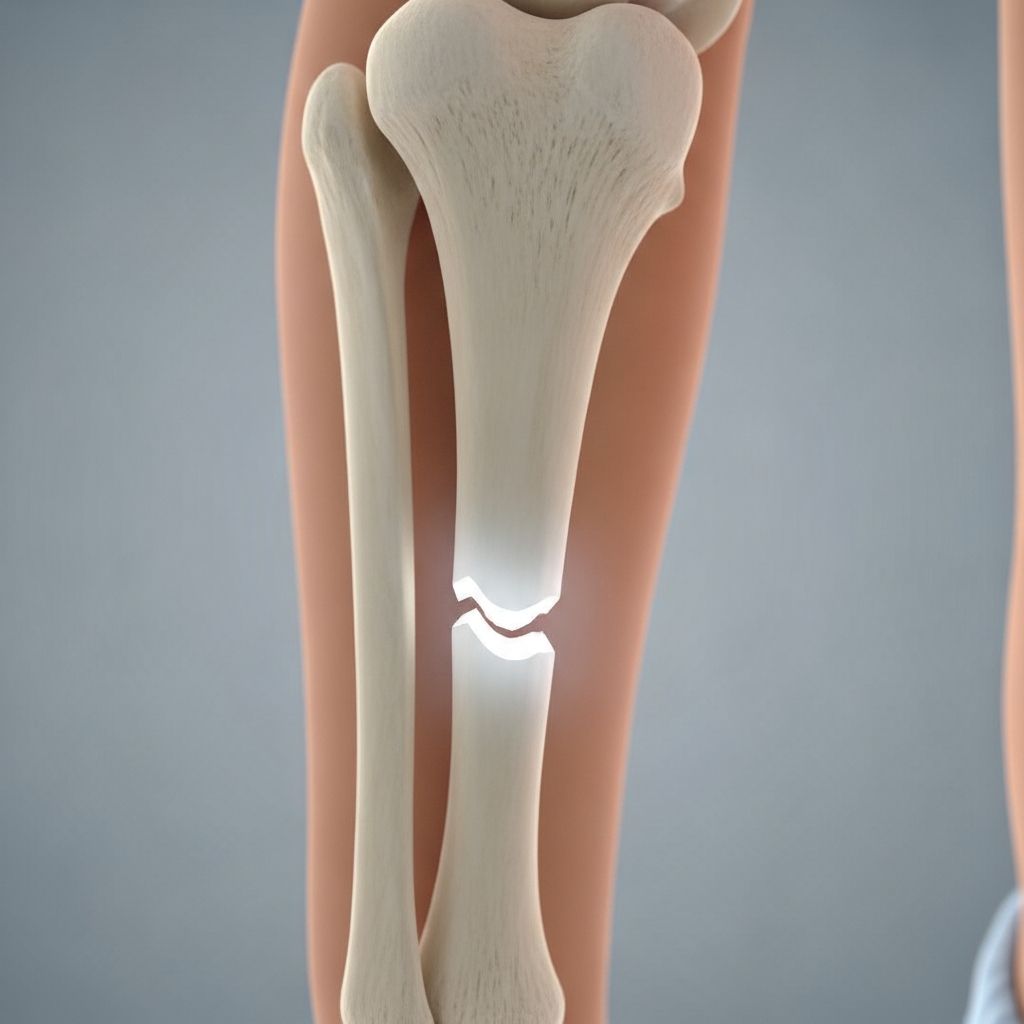
Greenstick fractures represent a common injury among children, characterized by a partial break in the bone where one side cracks while the other remains intact, much like bending a fresh tree branch. These fractures occur predominantly in young bones due to their flexibility and ongoing growth.
Why Children’s Bones Behave Differently
Young bones possess greater elasticity compared to adult bones, thanks to a thicker periosteum and higher collagen content. This allows them to bend under force rather than snap completely. The physis, or growth plate, adds another layer of vulnerability, as it is a soft cartilage area essential for bone lengthening. Such properties make greenstick fractures nearly exclusive to children under 10-14 years old, with millions reported annually in the U.S.
Primary Causes Behind These Injuries
Greenstick fractures typically result from bending forces applied to long bones. Common scenarios include:
- Falling onto an outstretched hand, known as FOOSH injury, during play or bike rides.
- Sports-related impacts, like tumbling from playground equipment or during soccer.
- Direct blows from objects or vehicle accidents, though less frequent.
- Rarely, non-accidental trauma or nutritional deficiencies like vitamin D shortage weakening bones.
Arm bones—radius, ulna, humerus—are most affected since children instinctively brace falls with their hands.
Spotting the Signs Early
Symptoms vary by severity but often start mild, mimicking sprains. Key indicators include:
- Intense pain at the site, worsening with touch or movement.
- Swelling, bruising, or redness around the injury.
- Visible bend or deformity in the limb, especially forearm.
- Limited motion; child may guard the area or cry inconsolably.
- Tenderness, warmth, or stiffness.
In fingers or minor cases, only soreness appears, delaying recognition. Always suspect fracture after falls with persistent complaints.
How Doctors Confirm the Fracture
Diagnosis begins with physical exam: checking deformity, neurovascular status (pulse, sensation), and range of motion. X-rays are primary, revealing the partial cortical break and bend. For growth plate involvement, MRI or CT may be needed if X-rays are inconclusive. Median nerve checks are vital for forearm fractures.
| Fracture Type | Key X-ray Feature | Common Location |
|---|---|---|
| Greenstick | One-sided cortical disruption | Forearm (radius/ulna) |
| Torus | Buckling without full break | Wrist |
| Growth Plate | Physis separation | Knee, ankle |
This table compares greenstick to similar pediatric patterns.
Treatment Approaches for Healing
Most greenstick fractures heal without surgery due to bone stability from intact periosteum. Standard care:
- Immobilization: Circular cast for 4-8 weeks; forearm fractures often use long-arm casts initially.
- Reduction: Gentle straightening under sedation if angulated >15 degrees.
- Pain Management: Ice, elevation, acetaminophen/ibuprofen.
- Follow-up: Weekly X-rays first 2 weeks to monitor alignment, as these fractures can shift.
Severe cases with full breaks or neurovascular compromise may require pins or open reduction. Growth plate fractures demand specialist orthopedic care to prevent length discrepancies.
Step-by-Step Recovery Timeline
- Weeks 1-2: Swelling peaks; strict cast adherence, elevate limb.
- Weeks 3-4: Pain eases; X-ray check, possible cast adjustment.
- Weeks 5-8: Bone bridges; short-arm cast transition.
- Post-Cast: Physical therapy for strength, gradual activity return.
Full remodeling occurs in months, aided by children’s rapid healing.
Potential Complications to Watch
Though rare, risks include:
- Refracture or malunion if cast loosens.
- Compartment syndrome (urgent: severe pain, numbness).
- Growth disturbances from physis damage.
- Infection at cast edges.
Report fever, worsening pain, or color changes immediately.
Preventing Future Fractures
Proactive steps reduce risks:
- Supervise playground/sports; use helmets, pads.
- Build bone health: calcium/vitamin D-rich diet (milk, sunlight).
- Teach safe falling: tuck chin, roll.
- Strength training for older kids.
Calcium needs: 700-1300mg daily per age.
Frequently Asked Questions (FAQs)
Can my child go to school with a greenstick fracture?
Yes, if pain-controlled and cast allows; use sling for comfort.
How long until sports resume?
8-12 weeks post-cast, after doctor clearance and strength tests.
Is surgery ever needed?
Rarely; only for unstable or displaced fractures.
Does it hurt to get the cast?
Minimal; local numbing used for reductions.
Will it affect growth?
Low risk if properly treated; monitor with orthopedist.
Long-Term Outlook and Parental Tips
Children recover swiftly, often stronger bones post-healing. Parents: track symptoms, adhere to follow-ups, encourage rest. Consult pediatric orthopedists for personalized plans. Early intervention ensures optimal outcomes.
References
- Understanding Greenstick and Growth Plate Fractures in Children — Miller Children’s & Women’s Hospital. 2023. https://www.millerchildrens.memorialcare.org/blog/understanding-greenstick-and-growth-plate-fractures-children
- Greenstick Fracture: Symptoms, Causes, and More — Healthline. 2023-10-24. https://www.healthline.com/health/greenstick-fracture
- Greenstick Fracture — StatPearls, NCBI Bookshelf. 2023-07-17. https://www.ncbi.nlm.nih.gov/books/NBK513279/
- Greenstick fractures occur almost exclusively in children — UCLA Health. 2022. https://www.uclahealth.org/news/article/greenstick-fractures-occur-almost-exclusively-children
- What is a Greenstick Fracture and How is it Treated? — Orthopaedic Specialty Clinic. 2023. https://www.osc-ortho.com/blog/what-is-a-greenstick-fracture-and-how-is-it-treated/
- Greenstick Fracture: Causes, Symptoms, and Treatment — ER of Mesquite. 2024. https://erofmesquite.com/blog/greenstick-fracture-causes-symptoms-and-treatment/