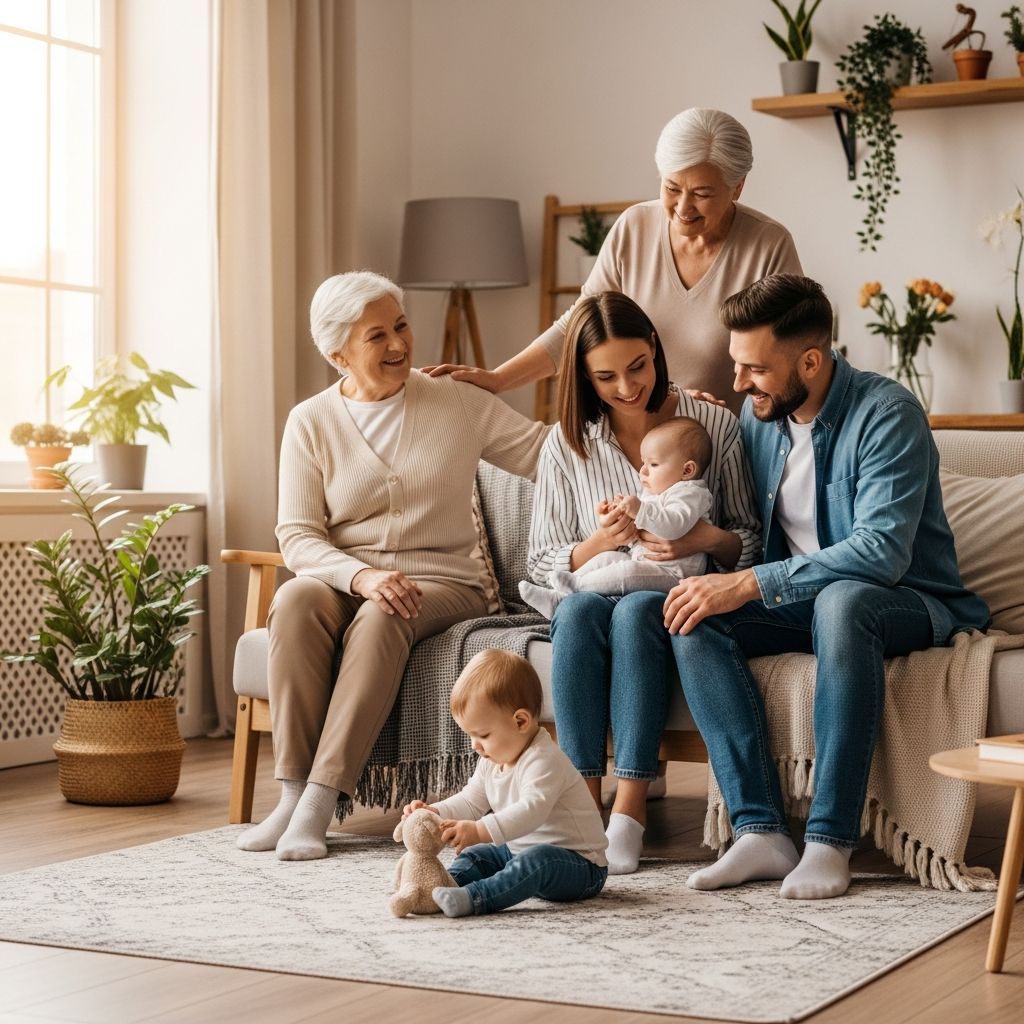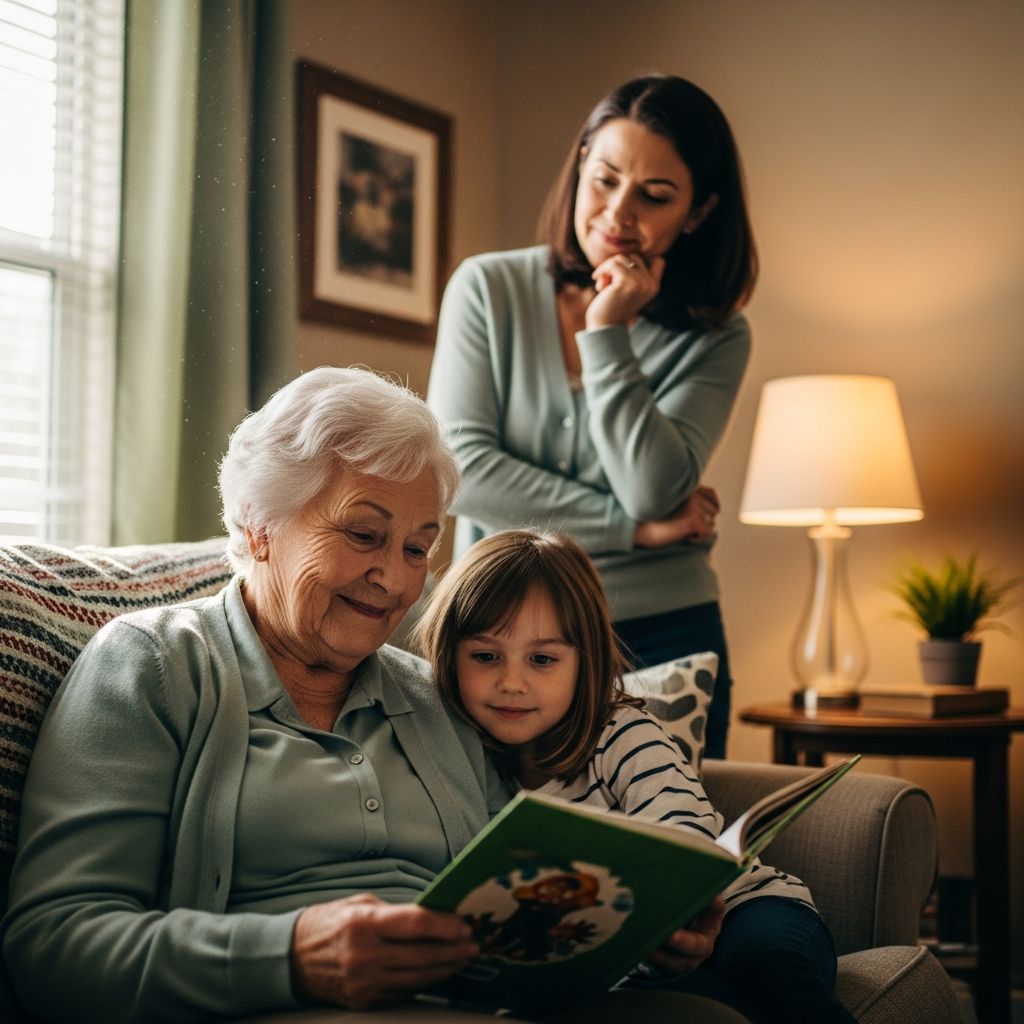
Grandparents play a vital role in family life, offering wisdom, care, and extra support for busy parents. However, when their child-rearing approaches clash with modern parental strategies, tensions can arise. This article delves into various grandparent parenting styles, their effects on young children, and actionable steps for parents to foster unity without compromising their authority.
Understanding Core Parenting Approaches in Grandparenting
Parenting styles adopted by grandparents often stem from their own era’s norms, generational differences, or personal experiences. Research identifies four primary styles—authoritative, authoritarian, permissive, and uninvolved—that influence child outcomes differently when practiced by grandparents versus parents.
- Authoritative: Balanced with warmth and clear rules, promoting resilience and self-regulation.
- Authoritarian: High demands with low responsiveness, potentially leading to compliance but emotional strain.
- Permissive: Indulgent with few boundaries, risking entitlement and behavioral issues.
- Uninvolved: Minimal engagement, which can leave emotional gaps.
Studies show grandparental overprotection and excessive care correlate positively with children’s emotional and behavioral problems, unlike parental care which buffers against externalizing behaviors. This distinction highlights why grandparent involvement requires alignment with parental goals.
Impacts of Permissive Grandparenting on Child Development
Permissive grandparenting, characterized by leniency and indulgence, aims to create joy but can undermine structure. Children in such environments may struggle with authority respect, developing entitlement where whims override rules. For instance, grandparents ignoring parental no-sweets policies might spoil grandchildren to gain favor, fostering a ‘fun grandparent’ image over consistent guidance.
Empirical data links this style to heightened emotional problems. A study on grandparenting styles found overprotection and care from grandparents associated with increased behavioral issues, contrasting parental styles that mitigate these risks. Longitudinal evidence indicates children primarily raised by grandparents exhibit more oppositional behaviors and ADHD diagnoses compared to those with mothers.
| Style | Grandparent Effect | Child Outcome |
|---|---|---|
| Permissive | Overindulgence, no boundaries | Entitlement, poor self-control |
| Authoritarian | Strict rules, punishment | Compliance but potential resentment |
| Authoritative | Warmth + structure | Resilience, emotional regulation |
Positive Potentials: When Grandparent Involvement Builds Resilience
Not all grandparent roles are fraught; balanced involvement enhances child resilience. Grandparents provide warmth from life experience, aiding emotional bonds and self-worth. Their participation reduces maternal parenting stress, bolstering family strength and indirectly boosting children’s cognitive skills and cohesion.
According to ecosystem theory, grandparent support in three-generation families fosters stable attachments, improving social adaptation and reducing problems. Children learn self-regulation by observing grandparents, aligning with social learning principles. Positive outcomes include better initiative in toddlers and emotional regulation, particularly in interdependent family structures.
Recognizing Signs of Interference and Control Tactics
Some grandparents subtly undermine parents through manipulation. Common tactics include defying rules to appear ‘cooler,’ blaming parents for strictness, or using gifts to sway allegiance. This triangulation pits child against parent, eroding trust.
Worse, authoritarian extremes employ yelling or punishment, stifling a child’s voice except for favored ones. Long-term, such patterns can program adult children to side with grandparents, even leading to estrangement via smear campaigns.
Parents note grandparents resisting gentle parenting—empathetic, boundary-focused—which they view as lacking discipline. This clash risks isolation if unaddressed.
Effective Communication: Bridging Generational Gaps
Open dialogue is key. Start with ‘I’ statements: ‘I feel concerned when rules differ because it confuses our child.’ Share evidence-based resources on modern parenting benefits.
- Educate Gently: Explain gentle parenting’s focus on empathy and boundaries, contrasting permissive pitfalls.
- Set Clear Expectations: Outline house rules and consequences collaboratively.
- Acknowledge Contributions: Thank them for love and support to maintain positivity.
Research supports this: Grandparent involvement thrives when reducing parental stress, enhancing family bonds.
Practical Strategies for Setting Family Boundaries
Boundaries preserve harmony. Designate roles: Grandparents for fun and wisdom, parents for discipline.
- Limit unsupervised time if styles clash.
- Use family meetings to unify approaches.
- Model respect: Children learn from observed interactions.
For persistent issues, suggest positive parenting workshops. Sites like Positive Parenting Solutions offer grandparent-tailored advice on respectful interference management.
Case Studies: Real-Life Family Resolutions
Consider a family where permissive spoiling led to tantrums. Parents hosted a rule-sharing session, resulting in grandparents enforcing bedtimes during visits—tantrums dropped.
Another: Authoritarian smacking clashed with gentle methods. Education on resilience links shifted behaviors, strengthening bonds.
Frequently Asked Questions
What if grandparents ignore my rules?
Address calmly with specifics: ‘We avoid screens before bed for sleep health.’ Reiterate if needed, limiting visits if unresolved.
Can grandparent spoiling harm my child long-term?
Yes, it fosters entitlement and boundary disregard, per studies linking permissive styles to behavioral issues.
How do I thank grandparents without encouraging overindulgence?
Praise non-material support: ‘Your stories delight them!’ Redirect gifts to experiences.
Is grandparent involvement always positive?
Balanced yes, but misaligned styles can increase problems. Alignment maximizes benefits like resilience.
What about cultural differences in grandparent roles?
Respect traditions while prioritizing child needs. Discuss compromises.
Long-Term Family Harmony: Investing in Unity
Harmonized roles yield thriving children. Grandparents enrich lives when supporting, not supplanting, parents. Prioritize communication, education, and boundaries for enduring bonds.
References
- 6 Ways Narcissistic Grandparents will try to Take Control of Your Children — SMVU Trauma Coaching. 2023. https://www.smvutraumacoaching.com/post/6-ways-narcissistic-grandparents-will-try-to-take-control-of-your-children
- The Relationship Between Parenting Styles Practiced By Grandparents and Parents and Children’s Emotional and Behavioral Problems — National Library of Medicine. 2023-03-15. https://pmc.ncbi.nlm.nih.gov/articles/PMC10065465/
- Effects of grandparents’ involvement on young children’s resilience: A chain mediation model — National Library of Medicine. 2024. https://pmc.ncbi.nlm.nih.gov/articles/PMC12630510/
- Find Out Why You Should Support Gentle Parenting — AARP. 2024-01-10. https://www.aarp.org/family-relationships/gentle-parenting/
- When Grandparents Interfere With Positive Parenting — Positive Parenting Solutions. 2023. https://www.positiveparentingsolutions.com/when-grandparents-interfere/