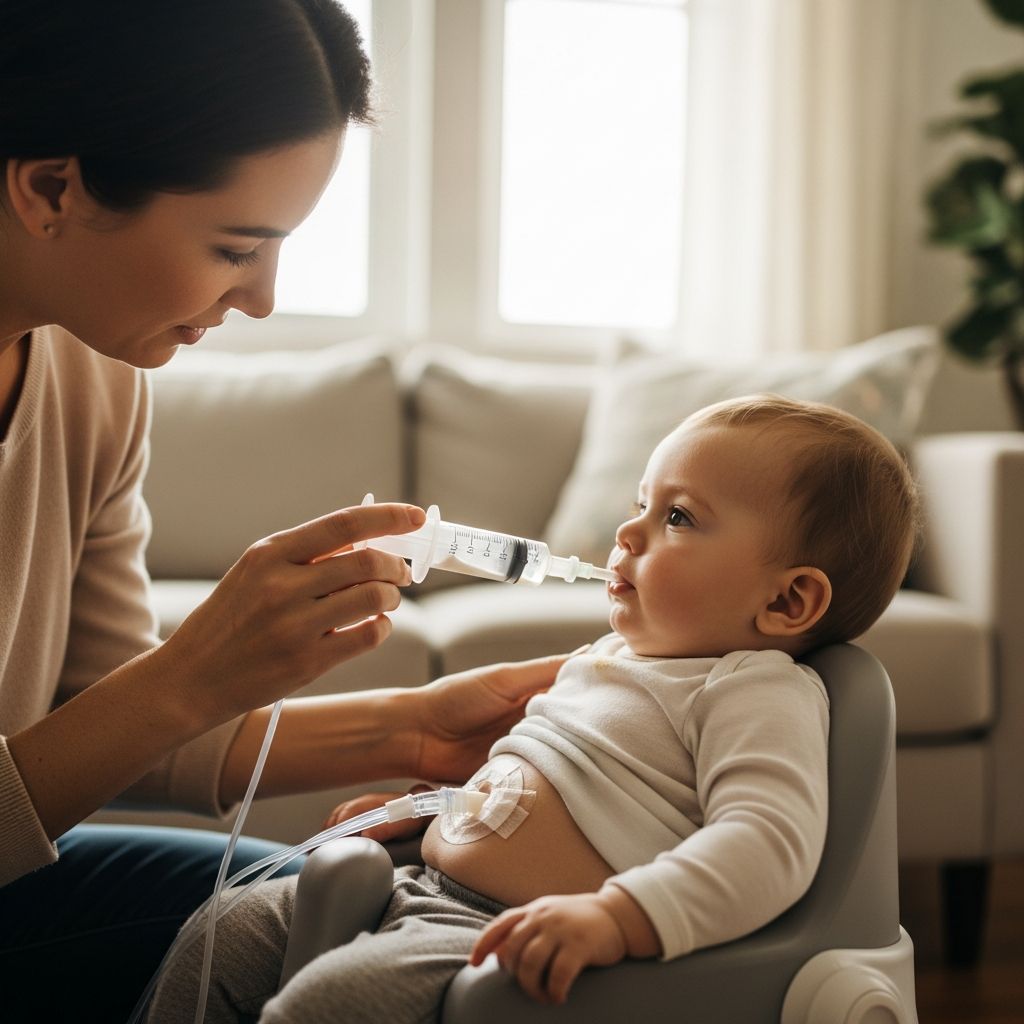
Fetal Alcohol Spectrum Disorders (FASD) encompass a range of lifelong conditions resulting from alcohol exposure during pregnancy, affecting physical growth, brain development, and behavior in children.
Understanding the Impact of Prenatal Alcohol Exposure
Prenatal alcohol exposure occurs when alcohol consumed by a pregnant person crosses the placenta via the umbilical cord, directly impacting the developing fetus. This exposure can disrupt critical stages of fetal growth, particularly brain formation, at any point during pregnancy—even before pregnancy is confirmed. No amount of alcohol is considered safe, and all types, from beer to spirits, pose equal risks.
Alcohol interferes with cell migration, differentiation, and neural connections in the fetal brain, leading to structural changes like reduced brain volume and functional deficits in cognition and behavior. Binge or heavy drinking heightens severity, but even moderate intake can cause harm. Parents should note that genetic factors and timing of exposure influence outcomes, making each case unique.
Recognizing the Core Features of FASD
Children with FASD often exhibit characteristic traits across growth, facial features, brain function, and confirmed exposure history. These features vary in severity, forming a spectrum rather than a uniform condition.
- Growth Challenges: Prenatal or postnatal growth deficiency, such as height or weight below the 10th percentile, is a hallmark, strongly linked to alcohol exposure.
- Facial Characteristics: Distinctive traits like a smooth philtrum (ridge between nose and upper lip), thin upper lip, and small eye openings, ranked on scales from mild to classic.
- Central Nervous System Issues: Includes small head size (microcephaly), coordination problems, attention deficits, and structural brain anomalies visible on imaging.
- Exposure Confirmation: Documented maternal alcohol use, though not always required for all diagnoses.
These elements are quantified in diagnostic tools like the 4-Digit Code system, which scores each feature on a 1-4 scale for precision.
Diagnostic Categories Within the FASD Spectrum
FASD includes several diagnoses based on symptom combinations. Healthcare providers assess physical exams, growth charts, neurodevelopmental tests, and exposure history.
| Diagnosis | Key Criteria | Common Features |
|---|---|---|
| Fetal Alcohol Syndrome (FAS) | Full facial features, growth deficiency, CNS abnormalities; exposure often confirmed. | Severe growth issues, classic face, brain damage. |
| Partial FAS (pFAS) | Some facial features, growth or CNS problems, confirmed exposure. | Partial face traits, developmental delays. |
| Alcohol-Related Neurodevelopmental Disorder (ARND) | CNS functional issues, confirmed exposure; no full facial features. | Learning difficulties, behavioral challenges. |
| Neurobehavioral Disorder Associated with Prenatal Alcohol Exposure (ND-PAE) | Impaired thinking/memory, behavior, adaptive skills; >13 drinks/month exposure. | Tantrums, attention shifts, daily living struggles. |
The 4-Digit Code system groups 246 codes into 19 categories, enabling precise diagnosis across ages and exposure levels.
Behavioral and Cognitive Challenges in Daily Life
Beyond physical signs, FASD profoundly affects behavior and learning. Children may struggle with impulse control, memory, math, and social skills, often leading to school difficulties or ADHD-like symptoms. Daily adaptive tasks—dressing appropriately, hygiene, or peer play—can be overwhelming.
Parents frequently observe irritability, severe mood swings, poor planning, and rigidity in routines. These stem from brain regions governing executive function and emotion regulation. Early identification allows tailored interventions to build strengths and mitigate weaknesses.
Long-Term Health and Secondary Conditions
Into adolescence and adulthood, FASD increases risks for mental health issues, substance use, employment challenges, and legal troubles due to poor judgment. Growth deficiencies may persist, and untreated CNS problems exacerbate vulnerabilities.
- Intellectual disabilities varying from mild to severe.
- Motor skill deficits affecting coordination and fine tasks.
- Social impairments leading to isolation or conflicts.
Proactive management reduces these risks, emphasizing lifelong support.
Steps for Accurate Diagnosis
Diagnosis requires multidisciplinary teams: pediatricians, neurologists, psychologists, and dysmorphologists. Key steps include:
- Medical history review for alcohol exposure.
- Physical and facial measurements using standardized tools.
- Brain imaging (MRI) for structural anomalies.
- Neuropsychological testing for cognitive/behavioral function.
- Growth assessments over time.
Tools like the 4-Digit Code enhance objectivity, distinguishing FASD from other conditions. Early diagnosis, ideally before age 6, optimizes outcomes.
Support Strategies for Families
No cure exists, but targeted therapies improve quality of life. Parents can implement:
- Behavioral Therapies: Structured programs teaching coping skills and routines.
- Educational Plans: IEPs or 504 plans with accommodations like extra time or visual aids.
- Medical Interventions: Medications for co-occurring ADHD or anxiety.
- Family Counseling: To build understanding and resilience.
- Lifestyle Adjustments: Consistent schedules, supervision, strength-based activities.
Schools play a vital role; educators trained in FASD recognize that challenges arise from brain differences, not defiance.
Prevention: The Key to Avoiding FASD
Complete abstinence from alcohol during pregnancy (including preconception) is the only prevention method. Public health campaigns stress this, as risks persist throughout gestation. Partners and communities support by promoting sober environments.
Frequently Asked Questions (FAQs)
What causes FASD?
FASD results solely from prenatal alcohol exposure; no safe threshold exists.
Can FASD be cured?
No, but early interventions significantly improve functioning and independence.
How common is FASD?
Affects up to 5% of U.S. children, often undiagnosed.
Does light drinking cause harm?
Yes, any amount risks developmental issues.
Who diagnoses FASD?
Specialized clinics using criteria like the 4-Digit Code.
Empowering Parents: Resources and Next Steps
Connect with FASD networks, parent support groups, and specialists. Track developmental milestones and consult providers early. With knowledge and strategies, families navigate FASD successfully, fostering happy, capable children.
References
- Diagnostic Guide for Fetal Alcohol Spectrum Disorders — University of Washington FAS Diagnostic & Program Network. 2024. https://depts.washington.edu/fasdpn/pdfs/Guide2024.pdf
- About Fetal Alcohol Spectrum Disorders (FASDs) — Centers for Disease Control and Prevention (CDC). 2024-10-24. https://www.cdc.gov/fasd/about/index.html
- Understanding Fetal Alcohol Spectrum Disorders — National Institute on Alcohol Abuse and Alcoholism (NIAAA), NIH. 2023. https://www.niaaa.nih.gov/publications/brochures-and-fact-sheets/understanding-fetal-alcohol-spectrum-disorders
- Fetal Alcohol Spectrum Disorders – AAP — American Academy of Pediatrics (AAP). 2024. https://www.aap.org/en/patient-care/fetal-alcohol-spectrum-disorders/
- Understanding FASD: A Comprehensive Guide for Pre K-8 Educators — Duke University. 2016. https://sites.duke.edu/fasd/files/2016/04/FASD_Guide.pdf (Note: Retained for foundational diagnostic descriptions still referenced in current guidelines.)