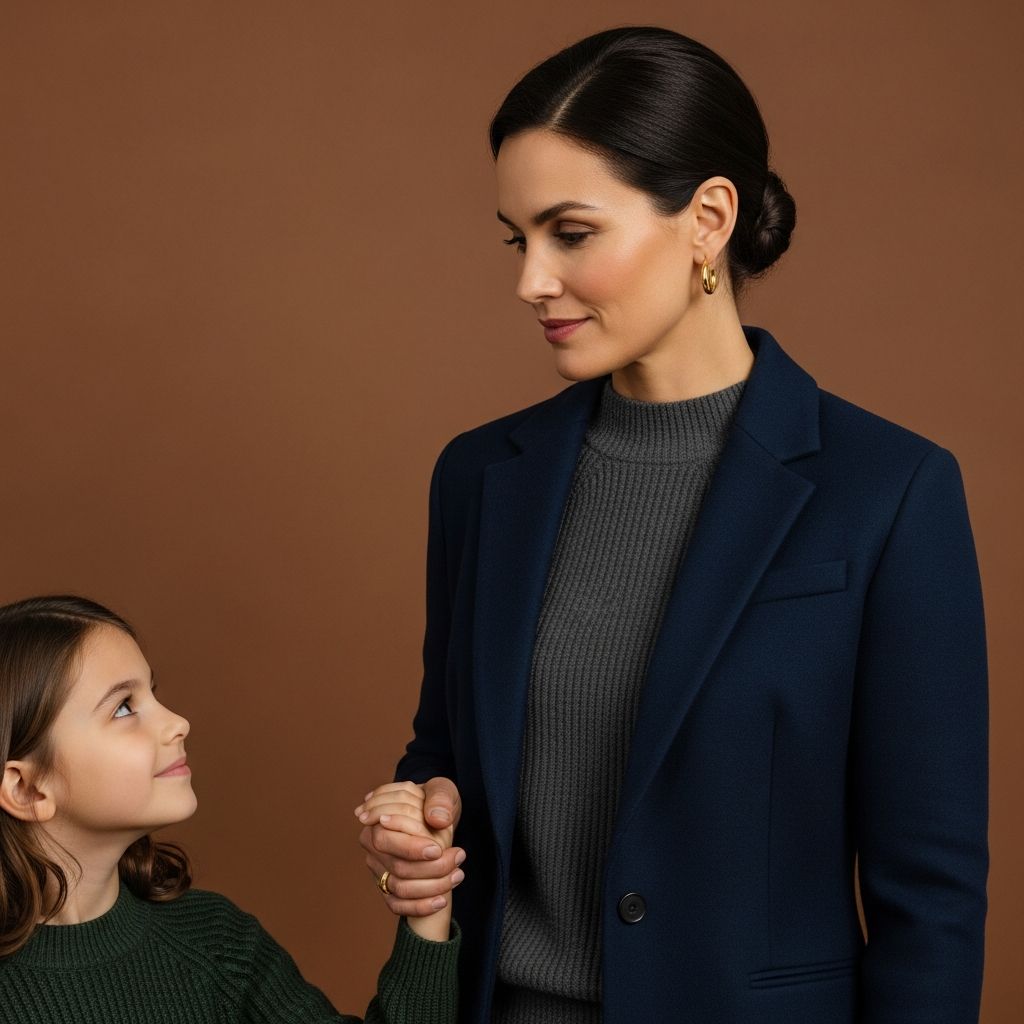
When Grandma Drinks: Protecting Your Child While Preserving Family Ties
Many families rely on grandparents for childcare, emotional support, and a sense of continuity. But what happens when a grandparent drinks alcohol regularly, heavily, or in ways that make you uneasy around your child? This is a delicate situation that many parents face, often in silence, torn between protecting their child and preserving important family relationships.
Grandparents who drink can range from those who enjoy a glass of wine with dinner to those whose drinking patterns raise genuine safety concerns. The challenge for parents is not to judge, but to assess risk, communicate clearly, and act in their child’s best interest—without unnecessarily fracturing family bonds.
Understanding the Spectrum of Grandparent Drinking
Not all drinking is the same, and not every grandparent who drinks poses a danger. It helps to think of grandparent alcohol use on a spectrum:
- Occasional, moderate drinking: A drink with dinner, at a holiday meal, or during a special occasion, with no noticeable impact on behavior or judgment.
- Regular but controlled drinking: Daily or near-daily drinking that doesn’t interfere with responsibilities, but may still raise questions about long-term health or modeling behavior.
- Heavy or risky drinking: Frequent intoxication, drinking early in the day, hiding alcohol use, or drinking that leads to impaired judgment, mood swings, or unsafe behavior around children.
- Alcohol use disorder (AUD): A clinical condition where drinking is compulsive, difficult to control, and continues despite negative consequences.
For parents, the key is not to label the grandparent, but to ask: Does this drinking pattern create any risk to my child’s physical safety, emotional well-being, or sense of security?
Recognizing When Grandparent Drinking Becomes a Concern
It’s normal to feel conflicted. You may love and respect your parent or in-law, but also feel uneasy when they’re around your child after drinking. Warning signs that grandparent drinking may be crossing into risky territory include:
- Appearing visibly intoxicated when caring for or spending time with the child.
- Driving or operating vehicles or equipment after drinking.
- Being emotionally volatile, aggressive, or unusually withdrawn after drinking.
- Forgetting responsibilities, such as feeding, diaper changes, or bedtime routines.
- Putting the child in unsafe situations (e.g., leaving them unattended, allowing dangerous play).
- Minimizing or denying concerns when you bring them up.
- Drinking in front of the child in ways that normalize excessive or problematic use.
Even if the grandparent is not abusive or neglectful, repeated exposure to impaired or emotionally unstable behavior can affect a child’s sense of safety and emotional regulation over time.
How Grandparent Drinking Can Affect Children
Children are highly sensitive to the emotional climate of their environment. When a grandparent drinks in ways that disrupt consistency, safety, or emotional availability, it can have subtle but lasting effects:
- Emotional insecurity: A child may feel anxious or on edge if they can’t predict how the grandparent will behave.
- Confusion about boundaries: If rules are inconsistent or ignored when the grandparent is drinking, the child may struggle with understanding limits.
- Modeling behavior: Children learn by watching adults. Frequent or excessive drinking can normalize alcohol use, especially if it’s not discussed openly.
- Physical safety risks: Impaired judgment increases the risk of accidents, falls, or inadequate supervision.
- Long-term relationship patterns: Research shows that children exposed to problematic alcohol use in caregivers are at higher risk for anxiety, mood disorders, and later substance use themselves.
These effects don’t mean every grandparent who drinks will harm a child, but they do highlight why thoughtful boundaries are important.
Assessing Risk: A Practical Framework for Parents
Before deciding how to respond, it helps to step back and assess the situation objectively. Ask yourself:
- How often does the grandparent drink?
- How much do they typically consume?
- Do they ever appear impaired when with my child?
- Have there been any incidents of unsafe behavior, even minor ones?
- How does my child react after time with this grandparent?
- Am I more worried about safety, or about discomfort with the drinking itself?
It can also be helpful to discuss your observations with your partner, a trusted friend, or a counselor to gain perspective. The goal is not to pathologize the grandparent, but to make informed decisions about your child’s care.
Setting Clear, Respectful Boundaries
Once you’ve assessed the situation, the next step is setting boundaries that protect your child while respecting the grandparent. This is often the hardest part, because it requires clear communication and sometimes limits on access or responsibilities.
Effective boundaries are:
- Specific: Instead of “Don’t drink around the kids,” say, “We need to know that you’re fully alert and able to supervise when you’re watching the baby.”
- Consistent: Apply the same rules every time, not just when you’re present.
- Non-negotiable when safety is involved: If driving after drinking or impaired supervision is a concern, those limits must be firm.
- Respectfully communicated: Focus on your child’s needs, not the grandparent’s flaws.
Examples of clear boundaries:
- “We’re comfortable with you having a drink with dinner, but we need to know that you’re not drinking before or during childcare.”
- “We’d like to keep overnight visits to times when you haven’t been drinking, so we know the baby is in a very safe environment.”
- “We’re happy for you to spend time with the kids, but we need to be confident that you’re not driving after drinking.”
How to Talk to a Grandparent About Their Drinking
Having this conversation is rarely easy, but it’s often necessary. The key is to approach it with empathy, clarity, and a focus on the child’s well-being.
Consider these strategies:
- Choose the right time and place: Talk in private, when everyone is calm, not in the heat of the moment or during a visit.
- Start with appreciation: Acknowledge the grandparent’s role and the value they bring to the child’s life.
- Use “I” statements: Focus on your feelings and concerns rather than accusations. For example: “I feel worried when I see the baby left unattended after you’ve been drinking, because I want to be sure they’re always safe.”
- Be specific about behaviors, not character: Talk about what you’ve observed, not labels like “alcoholic” or “problem drinker.”
- Offer solutions, not ultimatums: Suggest alternatives, like limiting childcare to times when they haven’t been drinking, or arranging for another adult to be present.
If the grandparent becomes defensive or dismissive, it’s okay to pause the conversation and revisit it later. The goal is not to “win” the argument, but to establish a safer environment for your child.
When to Limit or Restrict Contact
There are times when, despite your best efforts, the safest choice is to limit or even temporarily restrict contact between your child and a grandparent who drinks. This is never a decision to be made lightly, but it may be necessary when:
- There is a clear risk of physical harm or neglect.
- Impaired supervision has already led to an incident (e.g., a fall, near-miss, or unsafe situation).
- Repeated conversations about boundaries are ignored or dismissed.
- Other family members or professionals (e.g., pediatrician, counselor) express serious concerns.
Limiting contact doesn’t mean cutting off the relationship forever. It can be framed as a temporary measure: “We need to make sure the baby is in the safest possible environment, so for now, we’re going to keep visits shorter and always with another adult present.”
Protecting Your Child Without Damaging Family Relationships
One of the biggest fears parents have is that setting boundaries will damage the relationship between the grandparent and the child, or create lasting family conflict. While some tension may be unavoidable, there are ways to minimize harm:
- Keep the child out of the conflict: Avoid arguing in front of the child or speaking negatively about the grandparent.
- Explain changes in age-appropriate ways: For older children, you might say, “Grandma’s been feeling tired lately, so we’re going to keep visits shorter for now.”
- Preserve positive interactions: If possible, maintain contact in safer settings (e.g., short daytime visits, public outings) while limiting higher-risk situations (e.g., overnight stays, unsupervised care).
- Involve other family members: If appropriate, enlist the support of other relatives who can help supervise or mediate.
The goal is to protect your child while leaving the door open for a healthier relationship in the future, especially if the grandparent is willing to address their drinking.
Supporting a Grandparent Who Struggles with Alcohol
If a grandparent is open to it, there are ways to support them in seeking help without overstepping your role as a parent:
- Share information gently: Offer resources about alcohol use disorder or local support groups, without insisting they accept help.
- Encourage professional evaluation: Suggest a check-up with a doctor, focusing on overall health rather than just drinking.
- Respect their autonomy: Ultimately, the decision to change their drinking behavior is theirs, not yours.
- Set your own limits: You can care about the grandparent while still prioritizing your child’s safety.
If the grandparent is willing to seek treatment, that can open the door to rebuilding trust and expanding contact over time.
When to Seek Outside Help
There are situations where it’s wise to involve professionals:
- Child safety concerns: If you believe your child is at risk of abuse or neglect, contact child protective services or a trusted pediatrician.
- Family conflict: A family therapist can help mediate difficult conversations and support healthier communication.
- Parental stress: If you’re feeling overwhelmed, anxious, or isolated, individual counseling can provide support and coping strategies.
- Legal or custody issues: In cases where the grandparent is a primary caregiver or has legal rights, consult a family law attorney.
Seeking help is not a sign of failure; it’s a sign that you’re taking your child’s well-being seriously.
Creating a Safety Plan for Grandparent Visits
To reduce uncertainty and stress, consider creating a simple safety plan for visits with a grandparent who drinks. This can include:
- Agreeing on a maximum number of drinks or a cutoff time for alcohol.
- Ensuring another sober adult is present during childcare.
- Limiting overnight stays or unsupervised time.
- Establishing a code word or signal with your partner if something feels off during a visit.
- Having a clear plan for picking up the child early if needed.
Writing this plan down and sharing it with your partner (and the grandparent, if appropriate) can make it easier to stay consistent and reduce last-minute conflicts.
FAQs: Common Questions About Grandparent Drinking
What if Grandma only drinks at family gatherings?
If she has a drink or two at holidays or dinners but remains alert and responsible, that may not require strict limits. However, if she becomes impaired, forgets the child, or behaves in ways that make you uncomfortable, it’s okay to set boundaries (e.g., no unsupervised time with the child after drinking).
How do I handle it if Grandpa drives after drinking?
Safety is non-negotiable. If he drives after drinking, arrange for a designated driver, rideshare, or another adult to transport him. If this is a repeated pattern, it may require a serious conversation or limiting visits where driving is involved.
Should I tell my child about Grandma’s drinking?
For young children, keep explanations simple and focused on safety: “We want to make sure you’re always safe, so sometimes we need to change how we visit Grandma.” For older children, you can be more direct, emphasizing that the drinking is an adult issue and not their responsibility.
What if the grandparent refuses to change or gets angry?
Stay calm and reiterate your concern for the child’s safety. If they continue to disregard boundaries, you may need to limit contact temporarily. You can say, “We love you and want you in our lives, but we have to make sure the baby is always safe.”
Can a grandparent with alcohol use disorder still be a good grandparent?
Yes, many grandparents with alcohol use disorder can still have loving, meaningful relationships with their grandchildren, especially if they are in treatment, sober, or drinking in a controlled way. The key is ongoing assessment of safety and consistency of care.
Final Thoughts: Balancing Love, Safety, and Boundaries
Dealing with a grandparent who drinks is one of the more emotionally complex challenges in parenting. It requires balancing love for family with a fierce commitment to your child’s safety. There is no one-size-fits-all answer, but there are clear principles that can guide you:
- Put your child’s safety and emotional well-being first.
- Communicate clearly, respectfully, and consistently with the grandparent.
- Set boundaries that are specific, reasonable, and focused on behavior, not blame.
- Be willing to limit contact if necessary, while leaving room for future healing.
- Seek support when you need it, whether from your partner, other family, or professionals.
By approaching the situation with both compassion and clarity, you can protect your child while preserving the possibility of a healthy, loving relationship with their grandparent in the long run.
References
- Effects of an Alcoholic Mother on Children: Dangers & Risks — American Addiction Centers. Accessed 2025. https://americanaddictioncenters.org/alcohol/rehab-treatment/effect-of-alcoholic-mother-on-children
- Grandparent Alcohol Use Disorder and Grandparent-Grandchild Relationships — PMC, National Institutes of Health. 2023. https://www.ncbi.nlm.nih.gov/pmc/articles/PMC10524835/
- Children of Alcoholics — American Academy of Child & Adolescent Psychiatry. 2022. https://www.aacap.org/AACAP/Families_and_Youth/Facts_for_Families/FFF-Guide/Children-Of-Alcoholics-017.aspx