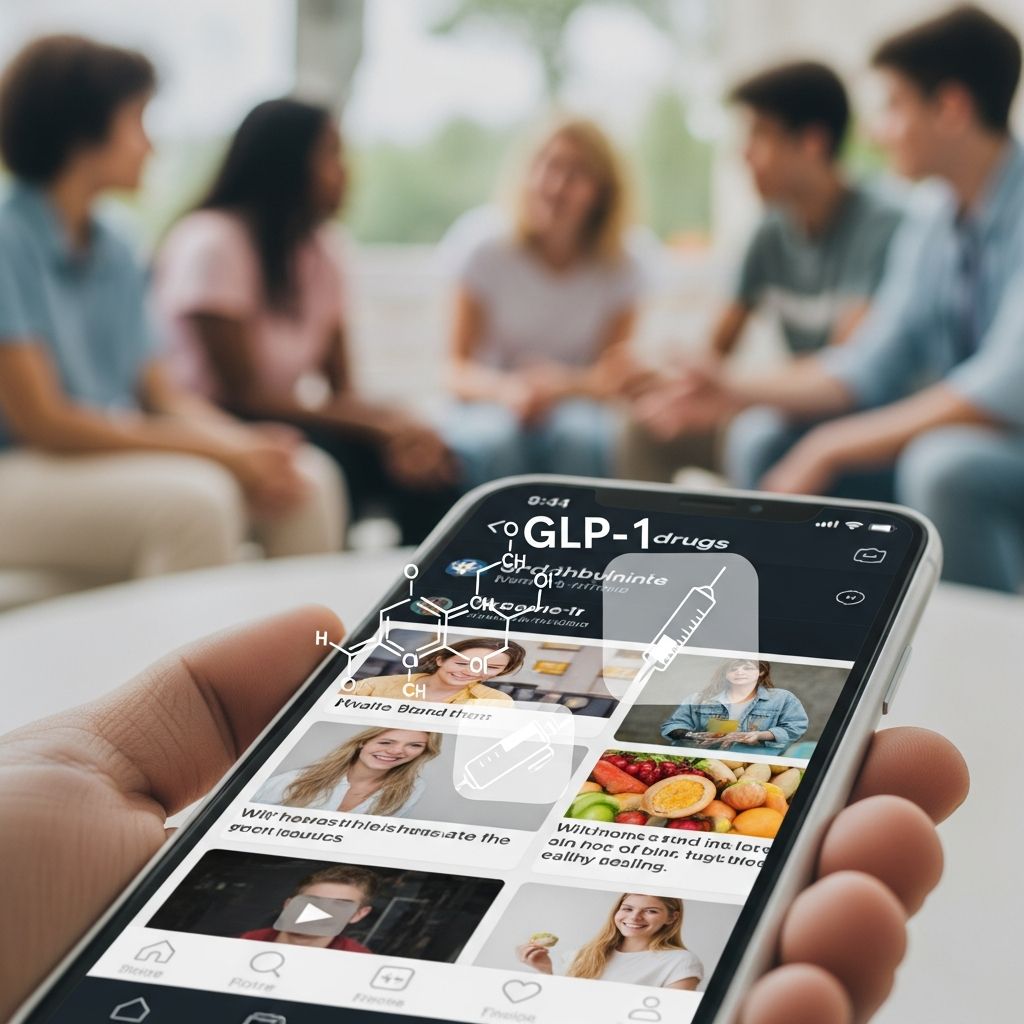
Teenagers today scroll through platforms like TikTok and Instagram, where videos promoting GLP-1 drugs such as Ozempic and Wegovy garner billions of views. These medications, originally developed for type 2 diabetes management, have surged in popularity for weight loss, influencing young minds amid rising obesity rates. Parents must step in with nuanced discussions to counter misinformation and hype.
The Social Media Explosion of Weight Loss Medications
Social media has transformed GLP-1 agonists into viral sensations. TikTok videos tagged with #Ozempic exploded from 2 million views in 2021 to over 1.2 billion in 2023, driven by celebrity endorsements and user testimonials. This digital buzz extends to teens, who see quick-fix narratives amid body image pressures. By 2025, prescription rates for drugs like Wegovy among adolescents climbed to 17.3 per 100,000, up 50% from 2023, reflecting a 600% overall increase in pediatric use over five years.
Platforms amplify compounded versions—custom-made injections not fully FDA-approved—pushing ‘microdosing’ for cosmetic results. Ads from telehealth services target users with promises of shedding pounds for events like weddings, often bypassing strict medical criteria. For teens, this creates a distorted view, equating thinness with success while downplaying health complexities.
Understanding GLP-1 Medications: Benefits and Mechanisms
GLP-1 receptor agonists mimic glucagon-like peptide-1, a hormone that regulates blood sugar and appetite. Injected weekly, they slow gastric emptying, reduce hunger, and promote satiety, leading to significant weight loss—often 15-20% of body weight in adults. The FDA approved Wegovy for adolescents aged 12 and older with obesity, marking a shift in pediatric care per American Academy of Pediatrics guidelines.
For teens with severe obesity and comorbidities like hypertension or type 2 diabetes, these drugs offer a powerful tool, outperforming alternatives like metformin. Early intervention can prevent long-term health issues, but usage varies globally due to limited pediatric data outside the U.S.
| GLP-1 Drug | Primary FDA Approval | Pediatric Use (Ages 12+) | Key Effect |
|---|---|---|---|
| Wegovy (semaglutide) | Obesity, 2021 | Approved | 15-17% weight loss |
| Ozempic (semaglutide) | Type 2 Diabetes, 2017 | Off-label common | Appetite suppression |
| Zepbound (tirzepatide) | Obesity, 2023 | Pending pediatric | Dual hormone action |
Risks and Long-Term Concerns for Young Users
While effective, GLP-1s carry side effects like nausea, vomiting, diarrhea, and potential muscle loss, which can hinder teen growth and activity. Compounded versions pose higher risks due to lack of FDA oversight, with warnings against their use for elective weight loss. Long-term data is scarce; no studies track effects into adulthood for those starting young.
Adolescents face unique vulnerabilities: heightened body image sensitivity, potential impacts on social life, self-esteem, and peer dynamics. Starting at ages 13-14 may commit users to lifelong therapy without full comprehension of implications. Experts predict 2026 expansions to younger ages, raising ethical questions.
- Gastrointestinal issues: Common in 20-40% of users, often resolving but disruptive.
- Muscle wasting: Up to 40% of weight loss may be lean mass, critical for growing teens.
- Mental health: Risk of disordered eating or dependency on drugs over lifestyle changes.
- Access barriers: U.S. insurance often limits to one year, despite chronic need.
Why Teens Are Drawn to These Trends
The allure stems from social proof: influencers showcase transformations, tying weight loss to happiness and status. Amid a childhood obesity epidemic—now affecting 20% of U.S. youth—teens seek solutions amplified by algorithms. Short-term users share glowing reviews, boosting mainstream acceptance and demand.
Body positivity movements have waned as GLP-1 ads dominate, with over 4,000 semaglutide campaigns in 2023 alone. Teens, navigating identity formation, may view these drugs as shortcuts, ignoring holistic health.
Strategies for Parents: Starting Meaningful Dialogues
Open conversations build trust. Begin by asking what they’ve seen online, validating feelings without judgment. Explain GLP-1s factually: not magic pills, but tools for specific medical needs.
- Monitor feeds: Use parental controls; discuss ad influences.
- Promote media literacy: Teach spotting hype vs. science.
- Focus on health: Emphasize nutrition, exercise over scales.
- Seek professionals: Consult pediatricians for personalized advice.
Frame talks around empowerment: ‘Your body is changing naturally; let’s support it with habits that last.’ Address pressures head-on, reinforcing diverse beauty standards.
Building Healthy Habits Beyond Medication
Lifestyle remains foundational. Encourage balanced meals, 60 minutes daily activity, and sleep—proven obesity fighters. Family involvement models sustainability, reducing reliance on drugs.
- Meal prep with veggies, proteins, whole grains.
- Fun activities: sports, hikes, dance classes.
- Mindful eating: Ditch screens at meals.
- Sleep routines: 8-10 hours nightly for hormone balance.
Programs combining behavior therapy with GLP-1s yield best outcomes, but prevention trumps treatment.
Navigating Insurance and Access Challenges
In the U.S., coverage hinges on BMI over 30 (or 27 with conditions), often one-year limits. Globally, pediatric guidelines lag. Telehealth eases access but risks off-label pushes. Parents should verify FDA-approved options and doctor oversight.
The Evolving Landscape in 2026 and Beyond
By 2026, multi-system drugs may emerge, alongside pediatric approvals. Social media demand reshapes wellness marketing, urging brands to adapt. Research gaps persist, demanding caution.
Frequently Asked Questions
Are GLP-1 drugs safe for teens?
Approved for ages 12+ with obesity, but side effects and long-term unknowns require medical supervision.
How do I talk to my teen about Ozempic ads?
Listen first, share facts, focus on overall wellness over appearance.
What if my teen wants to try GLP-1s?
Consult a pediatric endocrinologist; prioritize lifestyle assessments first.
Can social media be controlled?
Use app limits, discuss critically, model positive habits.
What’s the best alternative to drugs?
Family-based changes: diet, exercise, behavioral support yield lasting results.
References
- How Ozempic and GLP-1s Are Changing Childhood and Teen Weight Management — Think Global Health. 2025. https://www.thinkglobalhealth.org/article/how-ozempic-and-glp-1s-are-changing-childhood-and-teen-weight-management
- Monster of 2025: GLP-1 Ads — Mother Jones. 2026-01. https://www.motherjones.com/media/2026/01/monster-of-2025-glp-1-ads-ozempic-instagram-weight-loss/
- The Impact of Weight Loss Drugs 2025 — eMarketer. 2025. https://www.emarketer.com/content/impact-of-weight-loss-drugs-2025
- Experts predict major weight-loss treatment overhauls coming in 2026 — Fox News. 2025. https://www.foxnews.com/health/weight-loss-experts-predict-major-treatment-changes-likely-emerge-2026
- What is the future of GLP-1 trends — PwC. 2025. https://www.pwc.com/us/en/services/consulting/business-model-reinvention/glp-1-trends-and-impact-on-business-models.html