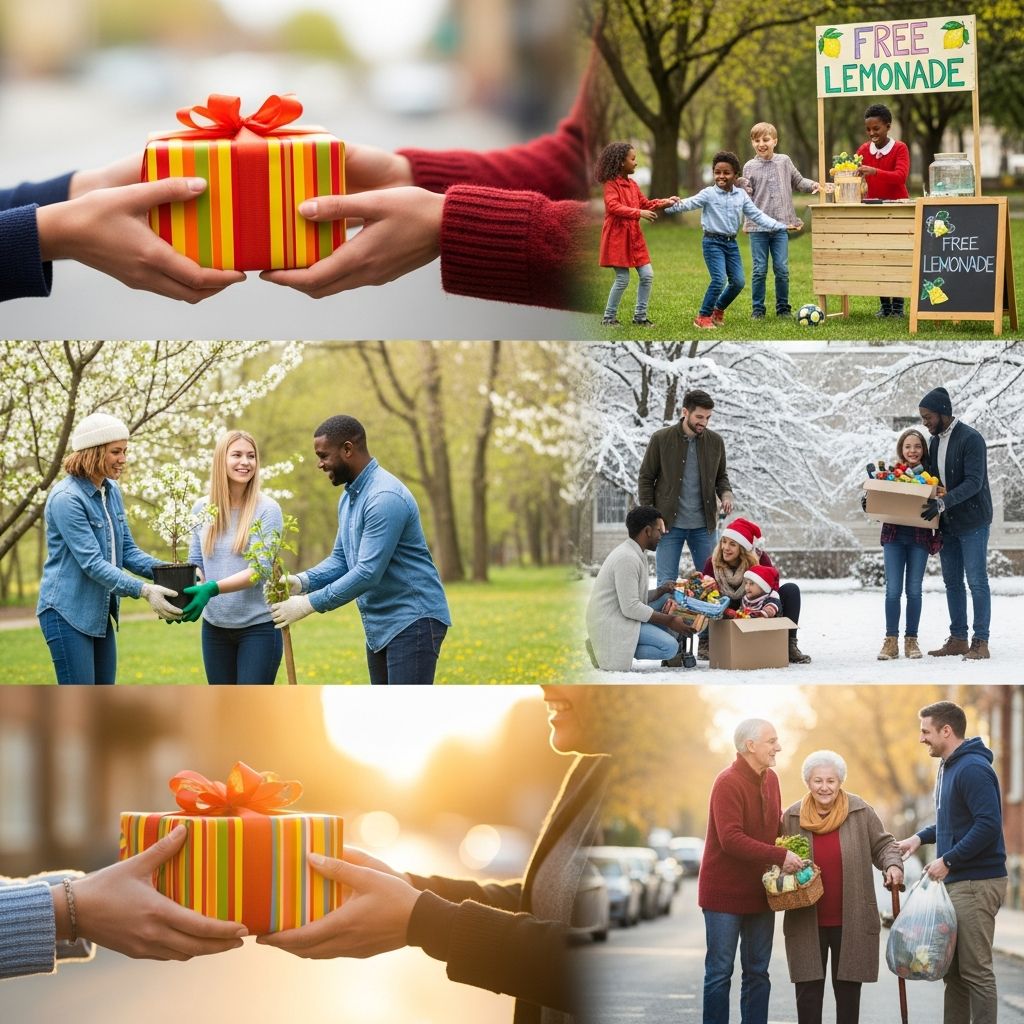
Generosity transcends a single day, evolving into a transformative force that strengthens communities and enriches lives when practiced consistently. Giving Tuesday, observed annually on the Tuesday after Thanksgiving, kickstarts this mindset by countering holiday consumerism with purposeful giving.
The Roots and Rise of a Global Giving Movement
Launched in 2012 by the 92nd Street Y in partnership with the United Nations Foundation, Giving Tuesday emerged as a counterpoint to Black Friday and Cyber Monday’s shopping frenzy. This initiative aimed to redirect focus toward altruism, encompassing donations, volunteerism, and everyday kindness. Over the years, it has grown into a worldwide phenomenon, inspiring billions in contributions and mobilizing millions of participants across continents.
In the United States alone, the 2022 event generated over $3.1 billion in donations, highlighting its economic clout while mobilizing volunteers for nonprofits. Globally, stories abound of profound impacts, such as children in Brazil revitalizing their schools and then reciprocating by sharing poetry with seniors, illustrating how giving empowers all involved. This movement levels the playing field, allowing anyone—regardless of financial means—to contribute through time, skills, or simple gestures.
Why Generosity Benefits Givers and Receivers Alike
Research underscores that acts of giving enhance personal well-being, reducing stress and boosting happiness by fostering connections and purpose. Psychologically, generosity shifts focus from self-centered consumption to communal contribution, providing fulfillment that material acquisitions cannot match. During the holiday rush, when abundance is highlighted through feasts and festivities, Giving Tuesday invites reflection on gratitude, turning thanks into action.
Neuroscientific studies from institutions like Stanford’s PACS Center affirm that generosity activates reward centers in the brain, akin to eating chocolate or receiving praise, but with enduring effects on mental health. Communities benefit too, as collective efforts address needs from poverty alleviation to education, creating ripple effects that sustain social fabrics.
Practical Pathways to Participate on Giving Tuesday
Engagement is accessible and varied, ensuring broad participation. Here’s how individuals, families, and organizations can join:
- Financial Contributions: Select causes aligning with personal values, from child welfare to environmental efforts. Even modest donations amplify through matching programs, like those offered by companies doubling employee gifts up to $5,000.
- Time and Skills: Volunteer at shelters, mentor youth, or assist local initiatives. Nonprofits leverage this day to onboard helpers for ongoing roles.
- Advocacy Online: Share stories on social media with #GivingTuesday to inspire networks, potentially featuring on official channels.
- Daily Kindness: Perform micro-acts like delivering meals, offering compliments, or aiding neighbors—gestures that spark chains of positivity.
Businesses amplify impact via donation matches or employee volunteering, while families can host group activities like food drives, embedding values early.
Turning One Day into Lifelong Habits
The true power of Giving Tuesday lies in its catalyst role for sustained generosity. Nonprofits convert one-time givers into loyal supporters through follow-up strategies. Post-event, send personalized thank-yous via email, social posts, or handwritten notes to nurture relationships and encourage recurrence.
| Strategy | Immediate Action (Giving Tuesday) | Ongoing Practice |
|---|---|---|
| Gratitude Expression | Thank donors instantly | Monthly updates on impact |
| Engagement Building | Volunteer sign-ups | Recurring events/invites |
| Transparency | Share real-time results | Annual impact reports |
| Planning | Campaign launches | Year-round donor programs |
This table outlines progression from event-specific tactics to habitual practices, ensuring momentum endures. Individuals can adopt micro-habits: schedule weekly volunteer hours, set recurring small donations, or maintain a ‘kindness journal’ tracking daily acts.
Real-World Examples of Lasting Change
Philanthropists like Michael and Susan Dell exemplified scale by pledging $6.25 billion for children’s investment accounts, demonstrating high-impact potential. Grassroots efforts shine too: a single meal delivery might lead to ongoing neighborhood support networks. Organizations like TechnoServe highlight how initial Giving Tuesday gifts evolve into year-long commitments, deepening community ties.
In impoverished areas, programs aiding maternal and child health, such as those by Compassion International, thrive on sustained support, ensuring babies’ healthy starts[10]. These cases prove generosity’s scalability, from personal gestures to systemic shifts.
Overcoming Barriers to Consistent Giving
Common hurdles include time scarcity and donor fatigue amid endless appeals. Combat these by prioritizing 2-3 causes annually, automating contributions, and focusing on high-impact charities verified by evaluators. Start small: one act daily reduces overwhelm while building resilience.
For families, integrate giving into routines—like ‘gratitude dinners’ discussing weekly contributions—making it intergenerational. Workplaces can institutionalize through matching and paid volunteer days, aligning corporate goals with social good.
Measuring Personal and Collective Impact
Track progress with simple metrics: dollars donated, hours volunteered, or kindness acts logged. Apps and platforms facilitate this, while nonprofits provide impact reports—e.g., ‘Your $50 fed 10 families for a week.’ Collectively, movements like Giving Tuesday have raised billions, but individual tracking sustains motivation.
Broader metrics include improved community metrics, like reduced poverty rates in supported areas, underscoring long-term value.
Frequently Asked Questions
What is Giving Tuesday exactly?
A global generosity day post-Thanksgiving, promoting donations, volunteering, and kindness to counter consumerism.
Do I need money to participate?
No—time, skills, or acts of kindness count equally, empowering everyone.
How can I make my giving last beyond one day?
Use thank-yous, updates, and recurring commitments to build habits.
What’s an example of a simple act of kindness?
Buy coffee for a stranger, help with groceries, or listen attentively—small steps create ripples.
Can businesses get involved?
Yes, through matching gifts, employee volunteering, and awareness campaigns.
References
- Giving Tuesday reminds us all gifts small large can change world around us — Fox News. 2023-11-28. https://www.foxnews.com/opinion/giving-tuesday-reminds-us-all-gifts-small-large-can-change-world-around-us
- Giving Tuesday 2025: Meaning, Impact, and How to Get Involved — TechnoServe. 2025-01-15. https://www.technoserve.org/blog/giving-tuesday-explainer/
- Celebrating Generosity: The Impact of Giving Tuesday — PCMA Capital Chapter. 2024-11-20. https://capital.pcma.org/chapter-news/giving-tuesday/
- GivingTuesday: The History and Power of a Global Day of Generosity — Stanford PACS Center. 2023-11-27. https://pacscenter.stanford.edu/pacs-blog/givingtuesday-the-history-and-power-of-a-global-day-of-generosity/
- The Generosity Continues: Next Steps After GivingTuesday — GivingTuesday.org. 2024-12-05. https://www.givingtuesday.org/blog/the-generosity-continues-next-steps-after-givingtuesday/
- Celebrate Generosity on Giving Tuesday: A Day to Make an Impact — Blank Foundation. 2024-11-25. https://blankfoundation.org/celebrate-generosity-on-giving-tuesday-a-day-to-make-an-impact/