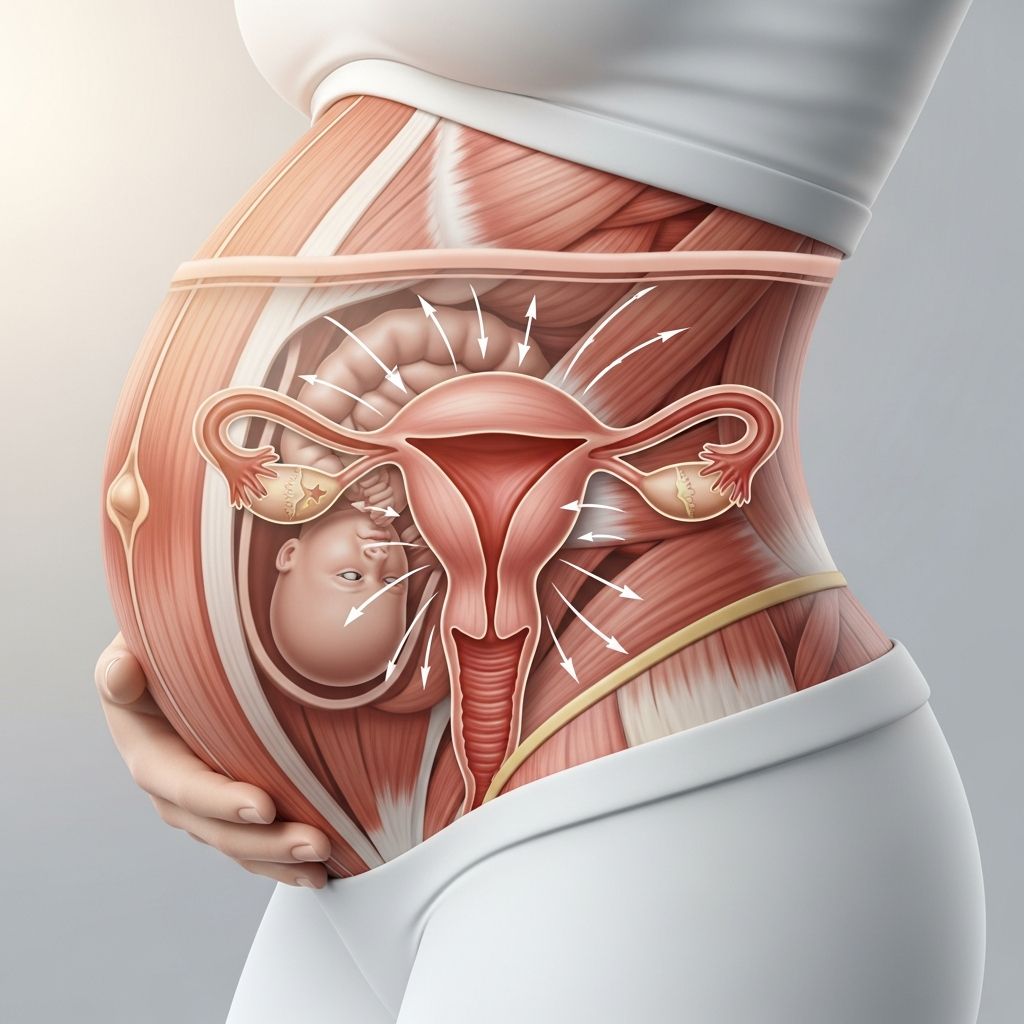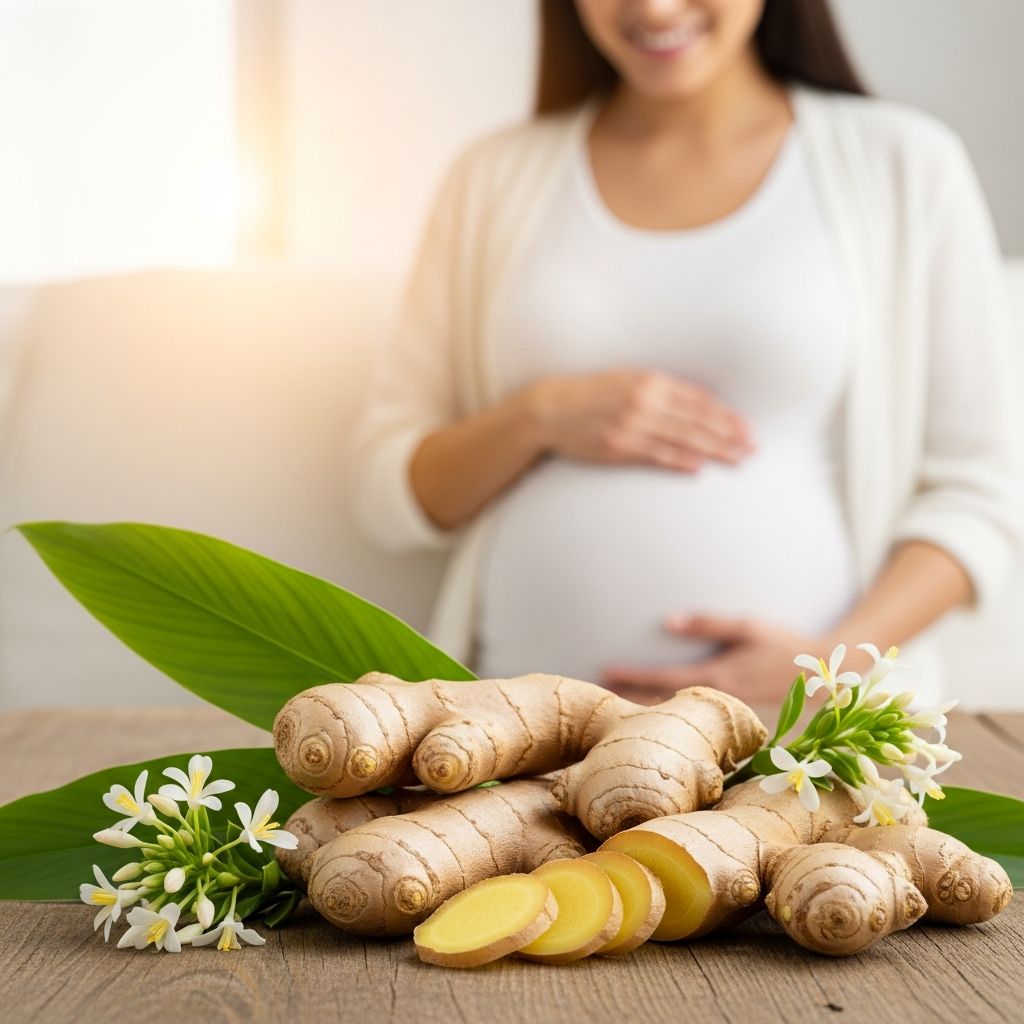
Experiencing nausea and vomiting during the early stages of pregnancy affects up to 80% of women, often referred to as morning sickness despite occurring anytime. Ginger supplements, particularly in capsule form, have emerged as a popular and evidence-based natural option to manage these symptoms effectively.
Understanding Nausea and Vomiting in Early Pregnancy
Nausea and vomiting of pregnancy (NVP) typically begins around week 6 and peaks between weeks 8 and 12, subsiding for most by week 16. While generally mild, it can lead to dehydration, weight loss, and nutritional deficiencies if severe. Hormonal changes, particularly rising human chorionic gonadotropin (hCG) and estrogen levels, are primary culprits, alongside slowed digestion and heightened sensitivity to smells.
Symptoms range from queasiness to frequent retching and vomiting. Tools like the Rhodes Index help quantify severity by tracking frequency and distress levels of nausea, retching, and vomiting. Mild to moderate cases respond well to lifestyle tweaks and supplements, while hyperemesis gravidarum requires medical intervention.
The Science Behind Ginger’s Anti-Nausea Effects
Ginger (Zingiber officinale) contains bioactive compounds like gingerols and shogaols that act on the gastrointestinal tract and central nervous system. These compounds speed gastric emptying, reduce intestinal motility issues, and block serotonin receptors in the gut and brain—key pathways in nausea signaling.
Clinical trials consistently demonstrate ginger’s superiority over placebo. In a randomized controlled trial (RCT) with 120 pregnant women under 16 weeks gestation, those taking 250 mg ginger capsules three times daily for four days saw Rhodes Index scores drop by 48% for total symptoms, compared to 13% for placebo and 10% for controls (P < 0.001). Nausea reduced by 46%, vomiting by 51%.
Another double-blind RCT (n=70) reported 85% improvement in nausea with 1,000 mg daily ginger versus 56% for placebo (P < 0.01), with vomiting decreasing 50% versus 9%. Meta-analyses confirm ginger matches vitamin B6 (pyridoxine) efficacy without drowsiness common in antihistamines like dimenhydrinate.
Clinical Evidence from Key Studies
Multiple RCTs underpin ginger’s reliability:
- A 7-day trial showed significant symptom reductions after adjusting for confounders like pregnancy intent (ANCOVA, P < 0.001).
- Four placebo-controlled studies (n=283) reported greater nausea relief, three showing vomiting reductions.
- Doses of 975-1,500 mg/day equaled 30-75 mg pyridoxine, with better tolerability.
| Study | Dose | Duration | Nausia Reduction (Ginger vs Placebo) | Vomiting Reduction |
|---|---|---|---|---|
| RCT, n=120 | 750 mg/day | 4 days | 46% vs 13% | 51% vs 10% |
| RCT, n=70 | 1,000 mg/day | 4 days | 85% vs 56% | 50% vs 9% |
| RCT, n=170 | 1,000 mg/day | 7 days | Similar to dimenhydrinate | No difference day 3-7 |
These findings hold for mild-moderate NVP before 16 weeks; severe cases need further study.
Safe Dosage and Administration Guidelines
Pregnant women should aim for 250-500 mg ginger capsules, 3-4 times daily, totaling 750-1,500 mg. Start low to assess tolerance, taking with food to minimize heartburn. Brands like Zintoma (250 mg capsules) have been trialed successfully.
Duration: 4-7 days typically suffices for noticeable relief; monitor via symptom diaries. Discontinue if vomiting exceeds 5 episodes/day or symptoms worsen—consult a provider. Forms include capsules (most studied), tea, or chews, but capsules ensure consistent dosing.
Safety Profile for Expectant Mothers
Ginger is likely as safe as placebo in pregnancy, with no increased miscarriage, preterm birth, or congenital anomaly risks in trials up to 1,500 mg/day. A UK Committee on Toxicity draft affirms safety for nausea relief. Side effects are rare (<5%): mild heartburn or diarrhea at high doses.
Compared to pharmaceuticals:
- Less drowsy than dimenhydrinate (6% vs 78%).
- Matches B6 without pyridoxine-related neuropathy risks at high doses.
Consult healthcare providers, especially with gallstones, clotting disorders, or medications like warfarin, as ginger may enhance effects.
Incorporating Ginger into a Broader NVP Strategy
Ginger shines in combination:
- Diet: Small, frequent bland meals; avoid triggers.
- Hydration: Electrolyte drinks if dehydrated.
- Supplements: 10-25 mg B6 + doxylamine for synergy.
- Non-drug: Acupressure bands, hypnosis, aromatherapy (limited evidence).
Track progress with apps or journals. If symptoms persist beyond 16 weeks or cause >3 kg weight loss, seek antiemetics like ondansetron.
Practical Tips for Daily Use
– Choose standardized extracts (e.g., 5% gingerols).
– Store capsules cool/dry.
– Pair with crackers or toast.
– Brew fresh ginger tea as adjunct (1g root/ cup).
– Monitor baby kicks and urine output for dehydration flags.
Potential Limitations and When to Seek Help
Evidence is strongest for mild-moderate NVP; severe hyperemesis may require IV fluids/hospitalization. Trials note heterogeneity in measures, limiting meta-analyses. Not all respond (15-20% non-improvement). Always prioritize provider advice over self-treatment.
Frequently Asked Questions (FAQs)
Is ginger safe throughout all trimesters?
Studied mainly in first trimester; short-term use appears safe later, but confirm with your OB-GYN.
How quickly does ginger work for nausea?
Relief often starts day 1, peaks by day 4.
Can I use ginger tea instead of capsules?
Yes, but capsules provide precise dosing; tea variability may reduce efficacy.
What if ginger causes stomach upset?
Reduce dose or take with meals; switch forms if needed.
Does ginger affect pregnancy hormones?
No evidence; it targets GI/brain nausea pathways.
Expert Insights and Future Research
Organizations like Mayo Clinic endorse ginger as first-line. Ongoing trials explore optimal extracts and severe NVP. A meta-analysis notes stronger nausea than vomiting effects. Empower yourself with evidence-based choices for a smoother pregnancy.
References
- Effect of Ginger on Relieving Nausea and Vomiting in Pregnancy — PMC/NCBI. 2014. https://pmc.ncbi.nlm.nih.gov/articles/PMC4228518/
- Morning Sickness – Diagnosis and Treatment — Mayo Clinic. 2023-10-15. https://www.mayoclinic.org/diseases-conditions/morning-sickness/diagnosis-treatment/drc-20375260
- Ginger for the Treatment of Nausea and Vomiting in Pregnancy — AAFP. 2011-11-15. https://www.aafp.org/pubs/afp/issues/2011/1115/od1.html
- Effects of Ginger Capsules on Pregnancy, Nausea, and Vomiting — PubMed. 2009. https://pubmed.ncbi.nlm.nih.gov/19250006/
- Ginger as a Safe Herbal Supplement for Nausea and Vomiting of Pregnant Women — Wellness Institute. 2019-03-27. https://www.wellnessinstitutesc.com/blog/2019/3/27/ginger-as-a-safe-herbal-supplement-for-nausea-and-vomiting-of-pregnant-women-nvp