Parents today face a landscape of drugs that did not exist a generation ago, and gamma-hydroxybutyrate (GHB) is one of the most concerning. Often linked with parties, clubs, and sexual assault, this drug can be especially dangerous for teens because it is easy to hide, unpredictable, and sometimes taken without a person’s knowledge.
This guide explains what GHB is, why it appeals to some young people, how it affects the body and brain, and how parents can recognize problems and protect their children.
What Is GHB?
GHB stands for gamma-hydroxybutyrate, a chemical that slows down the central nervous system. It is usually produced illegally and sold as an illicit drug, most often in liquid form. People may call it by street names such as “G,” “liquid ecstasy,” “Georgia Home Boy,” or other slang terms that vary by region.
Unlike some drugs that are visibly obvious, GHB can be nearly invisible in social settings. It is often:
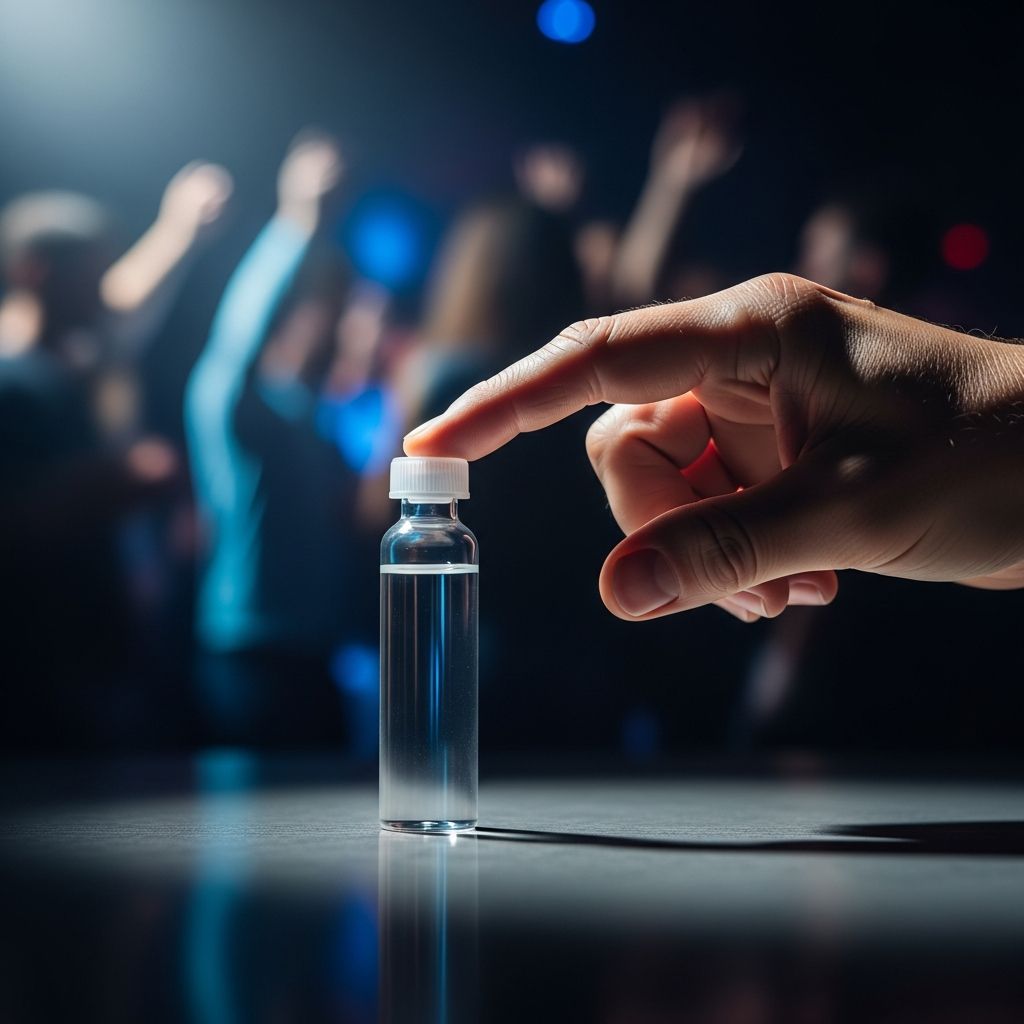
- A clear, colorless liquid, sometimes slightly salty or soapy in taste.
- Packaged in small bottles, vials, or even repurposed drink containers.
- Occasionally found as a white powder or tablet that can be dissolved into drinks.
Because it is typically made in illicit labs with no quality control, users can never be sure how strong it is, what chemicals it contains, or how much they are actually taking.
Why Do Some Teens Encounter GHB?
Teens usually encounter GHB in social settings where music, dancing, and alcohol are present. While not nearly as common as alcohol or cannabis, it sometimes appears in certain nightlife scenes, at unsupervised house parties, or in circles where “club drugs” are glamorized.
Young people might be exposed to GHB in several ways:
- Curiosity and peer pressure: Friends may offer it as something that will make the party “more fun” or claim that it is safer than other drugs.
- Desire to fit in: A teen who feels socially awkward may be tempted by promises of feeling relaxed, more confident, or less self-conscious.
- Victimization: In some cases, GHB is slipped into a person’s drink without consent, making the user a target for theft, assault, or sexual violence.
Because the drug is often odorless and colorless, a teen may not realize it has been added to a beverage, which is one reason GHB is sometimes described as a “date rape” drug.
How GHB Affects the Brain and Body
GHB acts as a depressant, meaning it slows down brain activity and many functions of the body. At low doses, users may feel looser or more sociable. At higher doses, basic bodily functions such as breathing and heart rate can become dangerously slow.
Common short-term effects can include:
- Feelings of relaxation or euphoria.
- Lowered inhibitions and increased talkativeness.
- Drowsiness, dizziness, or unsteady walking.
- Nausea, vomiting, or sweating.
- Blurred or changed vision, disorientation, or confusion.
- Slurred speech and difficulty concentrating.
As the dose increases, dangerous effects can occur quickly, sometimes within minutes:
- Loss of consciousness or “passing out.”
- Very slow or irregular breathing.
- Seizures or jerking movements.
- Coma or, in extreme cases, death.
Unlike alcohol, where the difference between buzzed and extremely drunk may be more gradual, the difference between a “small” and a life-threatening dose of GHB can be very small. That makes it particularly risky for inexperienced users or anyone who drinks from a container with an unknown amount mixed in.
GHB and Other Substances: A Deadly Mix
GHB is markedly more dangerous when combined with other substances that affect the brain and nervous system. Many overdoses and medical emergencies happen because people use GHB along with alcohol or other drugs without understanding how they interact.
Risky combinations include:
- Alcohol: Both alcohol and GHB slow breathing and reaction time. Taken together, they can cause sudden loss of consciousness and dangerously slow or stopped breathing.
- Sedatives and anti-anxiety medications: Medicines like benzodiazepines (for example, some sleep or anxiety drugs) also depress the central nervous system and can magnify GHB’s effects.
- Opioids: Prescription painkillers or street opioids such as heroin further slow breathing, greatly increasing the risk of fatal overdose.
- Stimulants: While some users mix GHB with stimulants such as cocaine or MDMA, this puts conflicting demands on the heart and nervous system and can lead to heart strain, overheating, or unpredictable behavior.
Teens often have little understanding of how these substances interact, making any combination especially risky.
Short-Term and Long-Term Health Risks
Many people think of GHB as a brief “high,” but the consequences can last long after the night is over. The drug can affect memory, decision-making, and physical health in ways that may not be obvious right away.
Short-Term Dangers
- Overdose: Because the gap between a “recreational” dose and a toxic dose is small, overdose is a constant risk.
- Accidents and injury: Impaired balance and judgment increase the chance of falls, car crashes, unsafe sex, and other injuries.
- Memory gaps: Some people experience amnesia for events that occurred while under the influence, which can make it difficult to know whether they were assaulted or harmed.
Possible Long-Term Problems
Research on long-term GHB use is still developing, but repeated use has been associated with:
- Dependence, where the body and brain adapt to expect the drug.
- Withdrawal symptoms such as anxiety, insomnia, shaking, and intense cravings when not using.
- Concentration and memory difficulties that can interfere with school or work.
- Mood changes, including irritability or depression.
Teens are particularly vulnerable because their brains are still developing, and interference with sleep, learning, and emotional regulation can have lasting effects.
GHB and Sexual Assault
One of the most frightening features of GHB is how it can be misused to target unsuspecting victims. Because it is often colorless and nearly tasteless, someone can secretly add it to a drink without the victim’s knowledge. The resulting drowsiness, confusion, and memory loss can leave a person unable to resist or later recall what happened.
Risks related to assault include:
- Impaired ability to say no or physically defend oneself.
- Memory gaps that make it difficult to report or document the assault.
- Delayed realization that something happened, sometimes only after physical symptoms or injuries appear.
Teens of any gender can be victims. It is important to emphasize that assault is never the victim’s fault, regardless of whether substances were involved. Access to medical care, sexual assault services, and trusted adults is critical in these situations.
Warning Signs a Teen May Have Used GHB
Because GHB can act quickly and cause profound drowsiness, its effects may sometimes be mistaken for extreme drunkenness or fatigue. Parents and caregivers who know what to look for are better prepared to respond.
Possible signs during or soon after use include:
- Sudden, unusual drowsiness or falling asleep at odd times.
- Confusion, disorientation, or difficulty speaking clearly.
- Unsteady walking, clumsiness, or appearing “out of it.”
- Vomiting, pale or clammy skin, or shallow breathing.
- Waking up with no memory of part of the evening, despite friends saying the teen seemed awake.
Over time, patterns may appear that suggest repeated use:
- Frequent unexplained “blackouts” or memory gaps.
- Secretive behavior around parties or new friend groups.
- Changes in mood, sleep, or school performance.
- Bottles or containers with unknown clear liquids, especially if hidden.
These signs do not prove a teen is using GHB, but they are strong reasons to ask questions, seek professional guidance, and increase supervision and support.
When GHB Use Becomes a Pattern
Some teens may begin to use GHB regularly, especially if they enjoy its relaxing effects or feel it helps with sleep or social anxiety. Over time, though, their bodies may adapt, leading them to need more of the drug to achieve the same effect.
Possible signs of dependence or problem use include:
- Using GHB alone, not just at parties or events.
- Spending increasing time and energy obtaining or using the drug.
- Continuing to use despite problems at school, home, or with friends.
- Feeling physically unwell, anxious, or shaky when they do not use.
Stopping heavy use suddenly can trigger withdrawal symptoms, which may be dangerous without medical supervision. If you suspect this is happening, contact a health care provider or addiction specialist rather than encouraging abrupt, unsupervised quitting.
Safety Tips Teens Should Know
While the safest option is not to use GHB at all, parents can also share strategies that reduce the risk of unintentional exposure or harm. These conversations do not condone drug use; instead, they recognize that realistic, practical advice can save lives.
- Never leave drinks unattended at parties, clubs, or gatherings.
- Do not accept open drinks from others; watch drinks being prepared or open them yourself.
- Avoid sharing drinks or drinking from large common containers like punch bowls.
- Stay with trusted friends who agree to look out for one another and leave together.
- Seek help right away if someone suddenly becomes very drowsy, confused, or unresponsive.
These guidelines also help protect against other substances that might be added to drinks without a person’s consent.
How to Talk With Your Teen About GHB
Open, ongoing conversations are one of the strongest protective factors against risky substance use. Teens are more likely to listen when adults stay calm, respectful, and honest rather than relying on fear-based messages alone.
Helpful communication approaches include:
- Start early and talk often: Bring up drugs and safety as part of everyday conversations, not just when there is a crisis.
- Ask, don’t lecture: Begin with questions such as “What have you heard about club drugs?” or “What would you do if someone tried to put something in your drink?”
- Share clear expectations: Explain your family’s rules about substance use and the reasons behind them.
- Offer a safety plan: Let your teen know they can call or text you for a ride, any time, no questions asked in the moment, if they feel unsafe.
Emphasize that asking for help is a sign of maturity, not weakness. Teens who know they can turn to their parents or guardians are better equipped to handle peer pressure and emergencies.
What To Do in an Emergency
GHB emergencies can escalate quickly. If you suspect someone has taken GHB—whether intentionally or unknowingly—and shows worrisome symptoms, treat it as a medical emergency.
Warning Signs Requiring Immediate Help
- Unresponsiveness or inability to wake the person.
- Very slow, shallow, or irregular breathing.
- Blue or gray lips or fingertips.
- Seizures or repeated vomiting.
If any of these occur:
- Call emergency services right away.
- Place the person on their side if they are unconscious, to help prevent choking on vomit.
- Do not leave them alone, and do not assume they will “sleep it off.”
- If you know what substances were taken, tell medical personnel; this information can guide treatment.
There is no quick antidote that reverses GHB, so supportive care from medical professionals—such as monitoring breathing and heart rate in a hospital—is often essential.
Practical Overview for Parents
| Topic | Key Points |
|---|---|
| What GHB is | An illegal depressant drug, usually a clear liquid, sometimes used at parties and in assaults. |
| Main short-term effects | Relaxation, lowered inhibitions, drowsiness, confusion, nausea, risk of unconsciousness and slowed breathing. |
| Major dangers | Overdose, breathing problems, coma or death, memory loss, increased vulnerability to assault. |
| Warning signs | Sudden extreme drowsiness, confusion, coordination problems, vomiting, unexplained memory gaps. |
| Parent actions | Talk openly, set clear rules, monitor social situations, know emergency steps, seek help when concerned. |
When and Where to Seek Help
If you are worried that your teen has experimented with GHB or is using it regularly, you do not have to handle it alone. Health care providers, school counselors, and substance use specialists can help assess the situation and recommend next steps.
Ways to seek help include:
- Scheduling an appointment with your child’s doctor or pediatrician.
- Contacting a local mental health or addiction clinic for an evaluation.
- Reaching out to school counselors or social workers for support and referrals.
- Calling a national or regional drug helpline for confidential guidance.
Early intervention can prevent a one-time experiment from turning into a serious pattern. Even if you are unsure how severe the problem is, talking with a professional can clarify your options.
Frequently Asked Questions About GHB
Is GHB ever used legally?
In some countries, a form of GHB is prescribed in tightly controlled medical settings for specific sleep disorders. Outside of those settings, however, the substance sold on the street or at parties is illegal and unsafe. The doses, purity, and added chemicals are unknown, making non-medical use highly risky.
Can someone get addicted to GHB?
Yes, repeated use can lead to both psychological and physical dependence. People who develop dependence may feel they need the drug to relax, sleep, or handle social situations and can experience withdrawal symptoms—such as anxiety, trembling, or trouble sleeping—if they stop suddenly. Professional medical care is often important when reducing or quitting frequent use.
How long do the effects of GHB last?
The effects usually begin within minutes of taking the drug and can last several hours, depending on how much was taken and whether it was combined with other substances. Even after the obvious high wears off, a person may feel tired, confused, or emotionally unsettled for some time.
How can I tell if my teen’s drink has been spiked?
It is extremely difficult to recognize a spiked drink just by looking at it, especially if the drug is colorless and nearly tasteless. Behavior and physical symptoms—such as sudden, extreme drowsiness or confusion out of proportion to any alcohol consumed—are often the first clues. When in doubt, seek medical attention and keep any remaining drink if professionals advise testing.
What should I do if my teen admits to trying GHB?
Try to stay calm and focus on safety rather than punishment in the immediate moment. Ask open questions about when, where, and why they used it, and consider involving a health professional to evaluate any health risks and discuss strategies to prevent further use. Emphasizing concern and support makes it more likely your teen will be honest with you in the future.