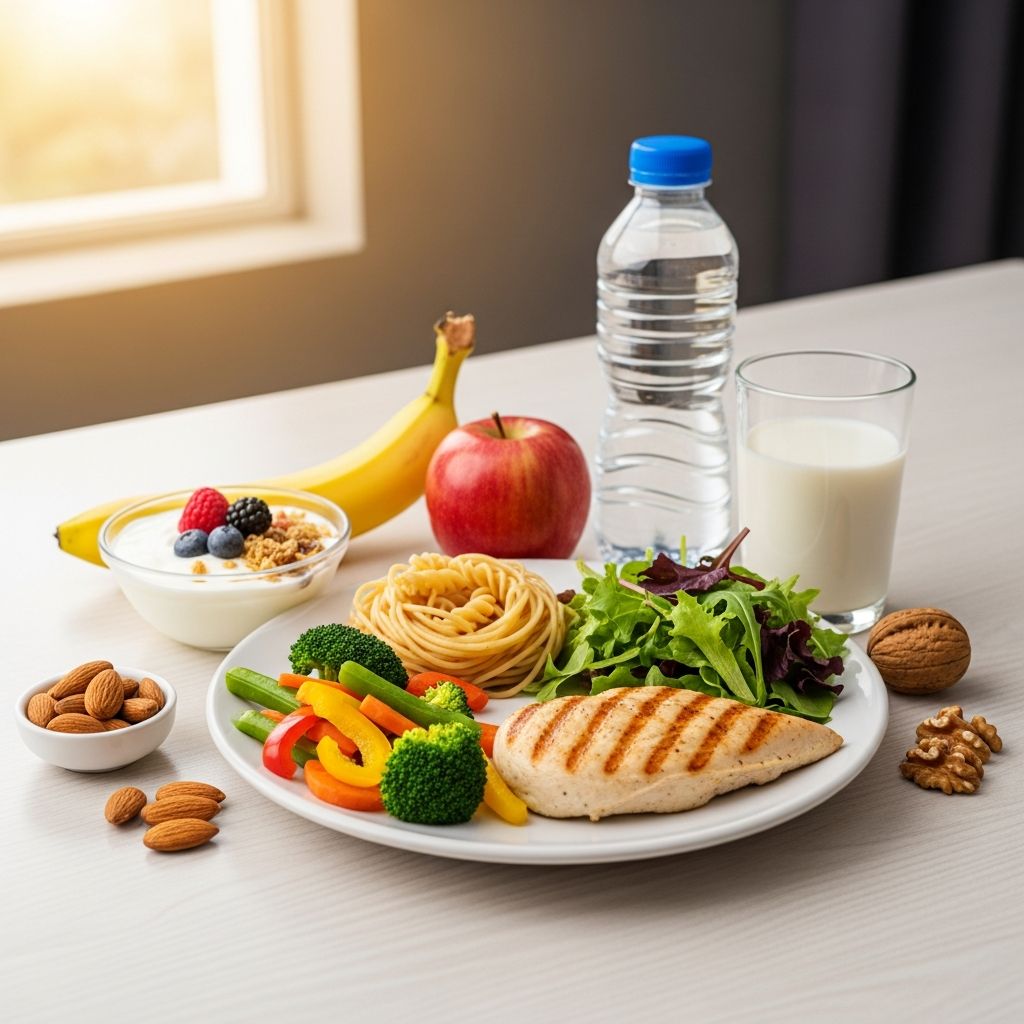
Young athletes demand more from their bodies than their peers, requiring a strategic approach to eating that supports intense training, rapid growth, and competition demands. Proper nutrition provides the energy for performance, aids muscle repair, and ensures overall health, preventing issues like fatigue or injury. This guide draws from pediatric expertise to outline how parents can build effective eating plans.
Core Building Blocks of a Winning Diet
The foundation of nutrition for children in sports lies in macronutrients: carbohydrates for sustained energy, proteins for tissue repair, and fats for long-term fuel and hormone health. Health authorities recommend that young athletes’ diets consist of 45-65% carbohydrates, 10-30% protein, and 25-35% fats to meet these needs.
Carbohydrates: The Primary Energy Source
Carbs power high-intensity efforts like sprinting or jumping, replenishing glycogen stores depleted during activity. Opt for complex sources such as oats, quinoa, sweet potatoes, and whole-grain products that release energy steadily, avoiding blood sugar crashes. Young athletes should aim for multiple servings daily, incorporating them into every meal for consistent fueling.
Proteins: Repair and Growth Support
Protein rebuilds muscles stressed by training, with needs around 0.7-1.0 grams per pound of body weight or 1-1.5 grams per kilogram, achievable through diet alone for most kids. Spread intake across meals with lean options like eggs, poultry, fish, beans, yogurt, and nuts to maximize absorption and growth.
Fats: Essential for Endurance and Health
Healthy unsaturated fats from avocados, olive oil, nuts, seeds, and fatty fish provide calorie-dense energy for endurance sports and support cell function. Limit saturated fats to under 10% of intake, steering clear of fried foods.
| Macronutrient | Role in Performance | Daily Examples (per meal/snack) |
|---|---|---|
| Carbohydrates | Quick and sustained energy | Whole grains, fruits, veggies (45-65% calories) |
| Protein | Muscle repair, growth | Eggs, chicken, beans, dairy (10-30% calories) |
| Fats | Endurance fuel, hormones | Nuts, avocado, fish (25-35% calories) |
Daily Eating Rhythm for Peak Performance
Consistency trumps perfection; young athletes thrive on 3 balanced meals plus 2-3 snacks every 3 hours to maintain energy and prevent hunger dips. Each eating occasion should blend carbs, protein, and fats, plus fruits and vegetables for micronutrients.
- Breakfast: Kickstart with oatmeal topped with yogurt, berries, and nuts for lasting fuel before school or practice.
- Lunch: Hearty options like turkey on whole-grain bread, veggies, and milk to sustain afternoon training.
- Dinner: Grilled fish, quinoa, and steamed broccoli to recover from the day’s demands.
- Snacks: Apple with peanut butter, cheese sticks with crackers, or smoothies blending fruit, yogurt, and spinach.
Calorie needs vary by age, size, and sport intensity—endurance athletes may require more carbs, while strength-focused ones emphasize protein—but total intake must exceed expenditure to fuel growth.
Hydration: The Unsung Hero of Athletic Success
Water regulates body temperature, transports nutrients, and prevents dehydration, which impairs focus and strength. Athletes lose fluids via sweat, needing replacement before, during, and after sessions—thirst signals are too late. Aim for water as the mainstay, supplemented by milk for protein and electrolytes in longer events.
- Before activity: 16-20 oz 2-3 hours prior, plus 8-10 oz 10-15 minutes before.
- During: 4-8 oz every 15-20 minutes for sessions over 60 minutes.
- After: 16-24 oz per pound of body weight lost, ideally with carbs and protein.
Avoid over-relying on sports drinks unless training exceeds an hour; they add sugars unnecessarily for short bursts.
Strategic Fueling Around Training and Games
Timing meals optimizes digestion and energy availability. Pre-event eating focuses on easily digestible carbs 3-4 hours before, with lighter snacks closer to start time to avoid gastrointestinal distress.
| Timing | Focus | Sample Foods |
|---|---|---|
| 3-4 Hours Before | Balanced, carb-heavy | Chicken wrap, fruit, yogurt |
| 1-2 Hours Before | Light carbs | Banana, graham crackers, pretzels |
| During (60+ min) | Quick carbs/fluids | Sports drink, gel, fruit |
| Within 30 Min After | Carbs + protein | Chocolate milk, turkey sandwich |
| 2 Hours After | Full recovery meal | Pasta with meat sauce, veggies |
Post-workout windows capitalize on recovery: carbs restore glycogen within 30-60 minutes, paired with protein for muscle synthesis.
Micronutrients: Supporting Bones, Blood, and Beyond
Beyond macros, vitamins and minerals fortify resilience. Calcium (1000-1300 mg/day) and vitamin D (600 IU/day) build strong bones strained by impact sports; sources include dairy, fortified foods, and sunlight. Iron prevents anemia in endurance runners, found in lean meats and greens. A colorful plate ensures broad coverage without supplements, unless deficiencies are confirmed.
Navigating Challenges and Myths
Myth: More protein equals bigger muscles. Excess doesn’t accelerate gains and strains kidneys; balanced intake suffices.
Myth: Supplements are essential. Whole foods provide all needs for most youth; powders risk harm.
For allergies or vegetarian diets, consult dietitians to fill gaps. Monitor weight and energy; under-fueling halts growth.
Sample 1-Day Meal Plan for a 12-Year-Old Soccer Player
| Meal | Foods | Key Nutrients |
|---|---|---|
| Breakfast | Oatmeal w/ milk, banana, almonds | Carbs, protein, fats |
| Snack 1 | Greek yogurt, berries | Protein, antioxidants |
| Lunch | Turkey quinoa bowl, carrots, apple | Balanced macros, fiber |
| Snack 2 (Pre-practice) | Whole-grain toast w/ peanut butter | Quick carbs, fats |
| Post-practice Snack | Chocolate milk, pretzels | Recovery carbs/protein |
| Dinner | Salmon, sweet potato, spinach salad | Omega-3s, vitamins |
| Evening Snack | Cheese, whole-grain crackers | Calcium, sustained energy |
This plan delivers ~2500 calories, adjustable by portion.
Frequently Asked Questions (FAQs)
What if my child refuses veggies or has allergies?
Blend into smoothies or sauces; for allergies, swap with equivalents like fortified plant milks and consult a dietitian.
Do young athletes need sports bars or shakes?
Rarely; real foods like fruit and yogurt work better and cheaper.
How much water is enough daily?
Base on urine color (pale yellow) and activity; generally 8-10 cups plus more during sports.
Can vegetarian athletes get enough protein?
Yes, via beans, lentils, tofu, eggs, dairy, and nuts—aim for variety.
What about weight concerns?
Increase calories via carbs/fats if underweight; seek medical advice for personalized plans.
References
- Nutrition & Performance for Young Athletes — Children’s Health. 2023. https://www.childrens.com/health-wellness/what-young-athletes-should-eat-to-perform-their-best
- 5 Nutrition Truths for Growing Athletes — Children’s Hospital Colorado. 2023. https://www.childrenscolorado.org/just-ask-childrens/articles/5-nutrition-truths-for-growing-athletes/
- 4 Nutritional Guidelines for Young Athletes — Boston Children’s Hospital. 2023. https://bchp.childrenshospital.org/news/4-nutritional-guidelines-young-athletes
- Sport nutrition for young athletes — PMC – NIH. 2013-10-16. https://pmc.ncbi.nlm.nih.gov/articles/PMC3805623/
- Sports Nutrition for the Serious Youth Athlete — US Youth Soccer / Tufts University. 2023-09. https://www.usyouthsoccer.org/wp-content/uploads/sites/160/2023/09/Sports-Nutrition-for-the-Serious-Youth-Athlete.pdf
- Sports Nutrition: Giving Young Athletes an Edge — Phoenix Children’s. 2023. https://phoenixchildrens.org/articles-faqs/blog/sports-nutrition-giving-young-athletes-an-edge
- 8 Gameday Nutrition Tips for Young Athletes — Academy of Nutrition and Dietetics. 2023. https://www.eatright.org/fitness/sports-and-athletic-performance/beginner-and-intermediate/8-gameday-nutrition-tips-for-young-athletes