Why Gentle Toothbrushing Matters
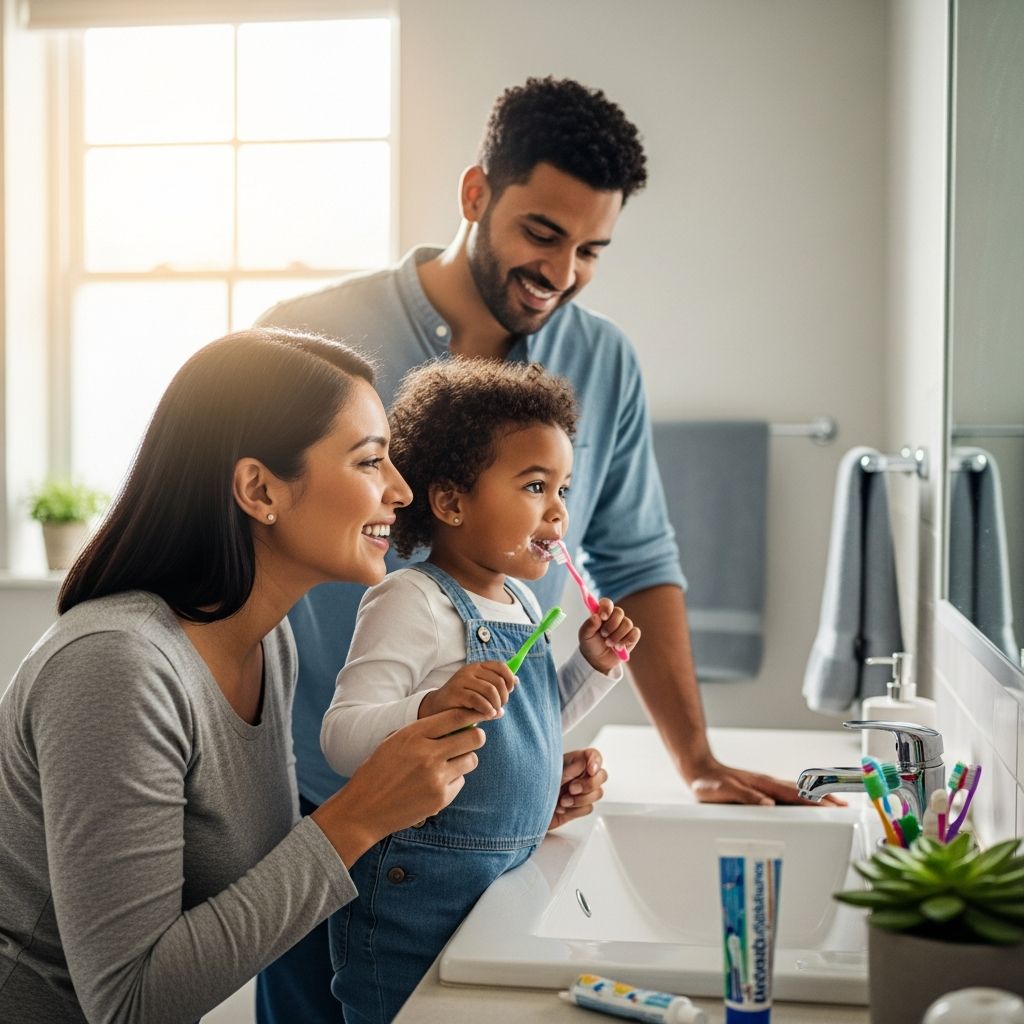
Establishing a positive toothbrushing routine is crucial for a child’s lifelong oral health. When parents approach this daily task with patience and creativity, children are more likely to develop healthy habits that last into adulthood. Gentle parenting techniques help reduce resistance, foster cooperation, and create a sense of security around oral care routines .
Building a Consistent Routine
- Children thrive on predictability, so integrating toothbrushing into their morning and evening routines provides comfort and structure .
- Choose a consistent time each day, such as after breakfast and before bedtime, to reinforce the habit.
- Use visual cues like a chart or a special song to signal the start of brushing time.
- Keep the atmosphere calm and positive, avoiding raised voices or pressure, which can make the experience stressful for both parent and child .
Engaging Children Through Play and Choice
Empowering children with choices and playful activities makes toothbrushing more enjoyable and less of a chore. When kids feel involved, they are more likely to cooperate and take ownership of their oral health.
- Let children pick their own toothbrush and toothpaste flavor, giving them a sense of control and excitement .
- Turn brushing into a game—pretend the toothbrush is a superhero fighting off cavity monsters, or sing a favorite song for two minutes to keep time .
- Allow your child to brush your teeth or a doll’s teeth, which can help them feel more comfortable and in control .
- Use a timer or a special cup for rinsing to add a fun element to the routine .
Teaching Proper Technique with Patience
Children need guidance to learn the correct brushing technique. Demonstrating and supervising helps ensure thorough cleaning and protects their teeth and gums.
- Show your child how to hold the toothbrush at a 45-degree angle to the gums and use gentle circular motions .
- Brush all surfaces of the teeth, including the front, back, and chewing surfaces, and remind them to brush their tongue for fresh breath .
- Supervise brushing until your child is about 7 or 8 years old, ensuring they cover all areas and use the right amount of toothpaste .
- For younger children, use a smear of fluoride toothpaste (about the size of a grain of rice) for those under 3, and a pea-sized amount for ages 3 to 6 .
Adapting to Your Child’s Needs
Every child is unique, and flexibility is key to making toothbrushing a positive experience. Adjusting the routine to fit your child’s mood and comfort level can make a big difference.
- Choose a comfortable location for brushing, such as the kitchen or a cozy spot on the couch, if the bathroom feels overwhelming .
- Plan brushing sessions based on your child’s mood—wait until they are calm and engaged rather than forcing the routine during stressful moments .
- Be patient and understanding, especially if your child is resistant or anxious about brushing. Offer gentle encouragement and praise for their efforts .
Common Challenges and Solutions
| Challenge | Solution |
|---|---|
| Child refuses to brush | Offer choices, make it fun, and try a different time or location . |
| Brushing is too short | Use a timer or a two-minute song to ensure thorough cleaning . |
| Child is afraid of the toothbrush | Let them play with the brush, brush a doll, or try a different type of brush . |
| Child swallows toothpaste | Use a small amount of fluoride toothpaste and supervise brushing closely . |
FAQs
- How can I make toothbrushing fun for my child?
Try letting your child choose their toothbrush and toothpaste, play a favorite song, or turn brushing into a game . - When should my child start brushing their teeth?
Begin as soon as the first tooth appears, using a soft-bristled brush and a smear of fluoride toothpaste . - How long should my child brush their teeth?
Brush for two minutes, twice a day, using a timer or a song to keep track . - What if my child is resistant to brushing?
Be patient, offer choices, and try to make the experience positive and stress-free . - When can my child brush their teeth independently?
Most children need help until they are about 7 or 8 years old, but this can vary by child .
Conclusion
By using gentle, respectful parenting strategies, parents can transform toothbrushing from a daily battle into a positive, empowering experience. Consistency, playfulness, and patience are key to helping children develop healthy oral habits that last a lifetime .