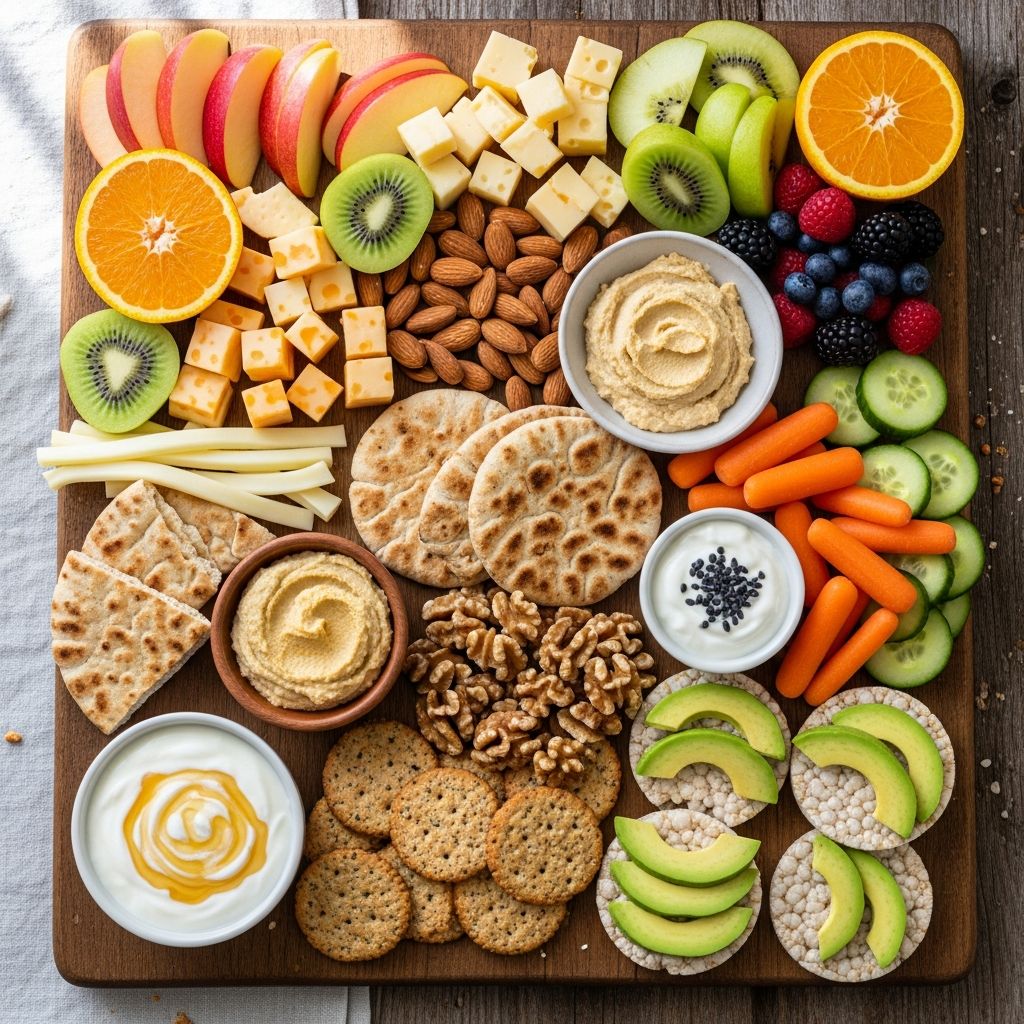
Providing children with wholesome snacks is essential for their growth, energy levels, and overall well-being. Dietitians emphasize choices that blend proteins, healthy fats, fiber-rich carbs, and vitamins to keep kids satisfied between meals without relying on processed sugars or empty calories. These snacks not only curb hunger but also teach lifelong healthy eating patterns.
Why Balanced Snacks Matter for Young Eaters
Children’s bodies are constantly developing, requiring steady nutrient intake to support brain function, muscle growth, and immune health. According to health experts, snacks should ideally include at least two food groups from MyPlate guidelines, such as fruits paired with dairy or grains with proteins. This combination prevents blood sugar spikes and crashes, helping kids stay focused at school or during playtime.
Snacking makes up about 25-30% of a child’s daily calories, making selection critical. Prioritizing whole foods like fresh produce, nuts, and yogurt ensures they meet daily fruit and vegetable recommendations—often 5-13 servings—which many kids fall short on. Dietitians also note that involving children in snack prep fosters positive food relationships.
Protein Powerhouses for Steady Energy
Protein-rich snacks build and repair tissues while promoting fullness. Here are top picks:
- Cheese sticks or cubes: Portable and calcium-packed, pair with fruit for a complete bite. String cheese offers about 6-8 grams of protein per serving.
- Greek yogurt with berries: Probiotic benefits plus 10-15 grams of protein. Opt for low-sugar varieties and top with fresh strawberries or blueberries.
- Cottage cheese dips: Mix with peaches or cherry tomatoes for sweet-savory contrast. High in potassium and protein, it’s versatile for picky eaters.
- Hard-boiled eggs or turkey sticks: Quick to prepare ahead, delivering 6-12 grams of complete protein. Slice eggs for fun shapes.
- Roasted edamame or chickpeas: Crunchy, plant-based options with 10-11 grams of protein per pack, plus fiber for gut health.
These options satisfy savory cravings while supporting muscle development, as recommended by pediatric nutrition guidelines.
Fruit and Veggie Delights That Sneak in Nutrients
Fruits and vegetables provide vitamins, antioxidants, and hydration. Dietitians suggest creative pairings to boost appeal:
- Apple slices with nut butter: Fiber from apples plus healthy fats from peanut or almond butter keeps energy steady.
- Baby carrots or celery sticks with dips: Hummus, yogurt ranch, or bean spreads add protein. Raw veggies are kid-preferred for crunch.
- Freeze-dried fruits or pouches: Shelf-stable like apple chips or chia-fruit blends offer fiber and omega-3s without mess.
- Fruit kabobs or sliced bananas: Dip in yogurt then cereal for a frozen treat. Easy for on-the-go.
- Cherry tomatoes or cucumber spears: Pair with cottage cheese for a low-cal, vitamin C boost.
Aiming for half of snacks to be produce helps meet USDA recommendations, reducing obesity risks.
Grain-Based Goodies for Lasting Fuel
Whole grains supply sustained energy through complex carbs and B vitamins. Choose these:
- Whole grain crackers with cheese: Triscuits or similar with low-fat cheese for balanced crunch.
- Mini muffins or oat balls: Banana-based, no refined sugar, with add-ins like chocolate chips or nuts. Freezer-friendly.
- Popcorn packs: Organic, lightly salted for fiber without grease. A whole-grain win.
- Granola bars or trail mix: Low-sugar with seeds, dried fruit, and nuts. School-safe versions use seeds.
- Pretzels or graham crackers: Dip in hummus or pair with fruit for fun.
These provide quick prep while aligning with heart-healthy eating from the American Heart Association.
Quick Prep Snack Recipes Your Kids Will Love
Homemade snacks allow customization. Try these simple ideas:
- Peanut Butter Energy Balls: Mix oats, peanut butter, flaxseeds, and mini chocolate chips. No-bake, 20 minutes total. Gluten- and dairy-free.
- Mini Banana Muffins: Mash overripe bananas with maple syrup, bake in mini tins. Nut-free option, freezes well.
- Yogurt Parfaits: Layer Greek yogurt, low-sugar granola, and berries. Adjust portions by hunger level.
- Trail Mix Custom Blend: Combine nuts/seeds, dried cherries, and white chocolate chips. Brain-boosting fats.
- Veggie Fritters: Grate zucchini or carrots, mix with egg and oats, pan-fry. Savory toddler-approved.
These recipes use pantry staples, taking under 30 minutes, perfect for meal prep.
Snack Comparison: Nutrition at a Glance
| Snack Idea | Protein (g) | Fiber (g) | Key Nutrients | Prep Time |
|---|---|---|---|---|
| Cheese Stick + Grapes | 7 | 1 | Calcium, Vit C | 1 min |
| Greek Yogurt + Berries | 15 | 3 | Probiotics, Antioxidants | 2 min |
| Roasted Edamame | 11 | 4 | Iron, Plant Protein | 0 min |
| Apple + Nut Butter | 4 | 5 | Healthy Fats, Fiber | 3 min |
| Mini Muffins | 3 | 2 | Potassium, Whole Grains | 30 min |
This table highlights balanced options, drawing from dietitian insights for optimal nutrition.
Age-Appropriate Snacking Strategies
Tailor snacks by age for safety and needs:
- Toddlers (1-3 years): Soft fruits like banana slices, yogurt with oatcakes, small cheese cubes. Include starchy carbs and proteins.
- Preschoolers (4-6 years): Pouches, crunchy veggies with dips, mini pitta pizzas. Encourage dipping for engagement.
- School-age (7+ years): Trail mix, popcorn, energy balls. Bigger portions for active days.
Always supervise choking hazards like whole grapes or nuts for younger kids.
Stocking Up: Smart Shopping for Snacks
Focus on perimeter aisles for fresh items. Look for:
- Low-sugar yogurts, organic popcorn, seed-based mixes.
- Allergy-friendly brands like nut-free muffins or chickpea snacks.
- Bulk buys of fruits, cheeses for cost savings.
Pair with low-cal drinks like water or low-fat milk to round out hydration.
Frequently Asked Questions
How often should kids snack?
Two to three times daily, spaced 2-3 hours from meals, to maintain energy without spoiling appetite.
Are store-bought snacks healthy?
Select those with whole ingredients, low added sugars (<5g/serving), and high fiber/protein. Check labels.
What if my child is a picky eater?
Offer dips, fun shapes, or involve them in choices. Pair familiar favorites with new items.
Can snacks help with weight management?
Yes, nutrient-dense choices prevent overeating at meals and support healthy growth per hospital guidelines.
Are there vegan options?
Absolutely: hummus with veggies, edamame, fruit with seed butter, chia pouches.
These FAQs address common parent concerns based on expert advice.
References
- 30 Healthy Snacks for Kids (Back-to-School Friendly) — The Real Food Dietitians. 2023. https://therealfooddietitians.com/healthy-snacks-for-kids-back-to-school-snacks/
- Sensible Snacking for Children — Nationwide Children’s Hospital. 2024. https://www.nationwidechildrens.org/specialties/center-for-healthy-weight-and-nutrition/resources-for-families/nutrition-articles/sensible-snacking-for-children
- Healthy Snacks for Kids on the Go — Gleaners Community Food Bank. 2023. https://www.gcfb.org/healthy-snacks-for-kids-on-the-go-2/
- 3 Ways to Get Kids to Snack Healthy — NC Division of Public Health. 2025-03-11. https://www.dph.ncdhhs.gov/blog/2025/03/11/3-ways-get-kids-snack-healthy
- Snacks for Toddlers and Young Children — SR Nutrition. 2024-08. https://www.srnutrition.co.uk/2024/08/snacks-for-toddlers-and-young-children/
- Healthy Snacks for Kids and Teens — American Heart Association. 2024. https://www.heart.org/en/healthy-living/healthy-eating/eat-smart/nutrition-basics/healthy-snacks-for-kids-and-teens