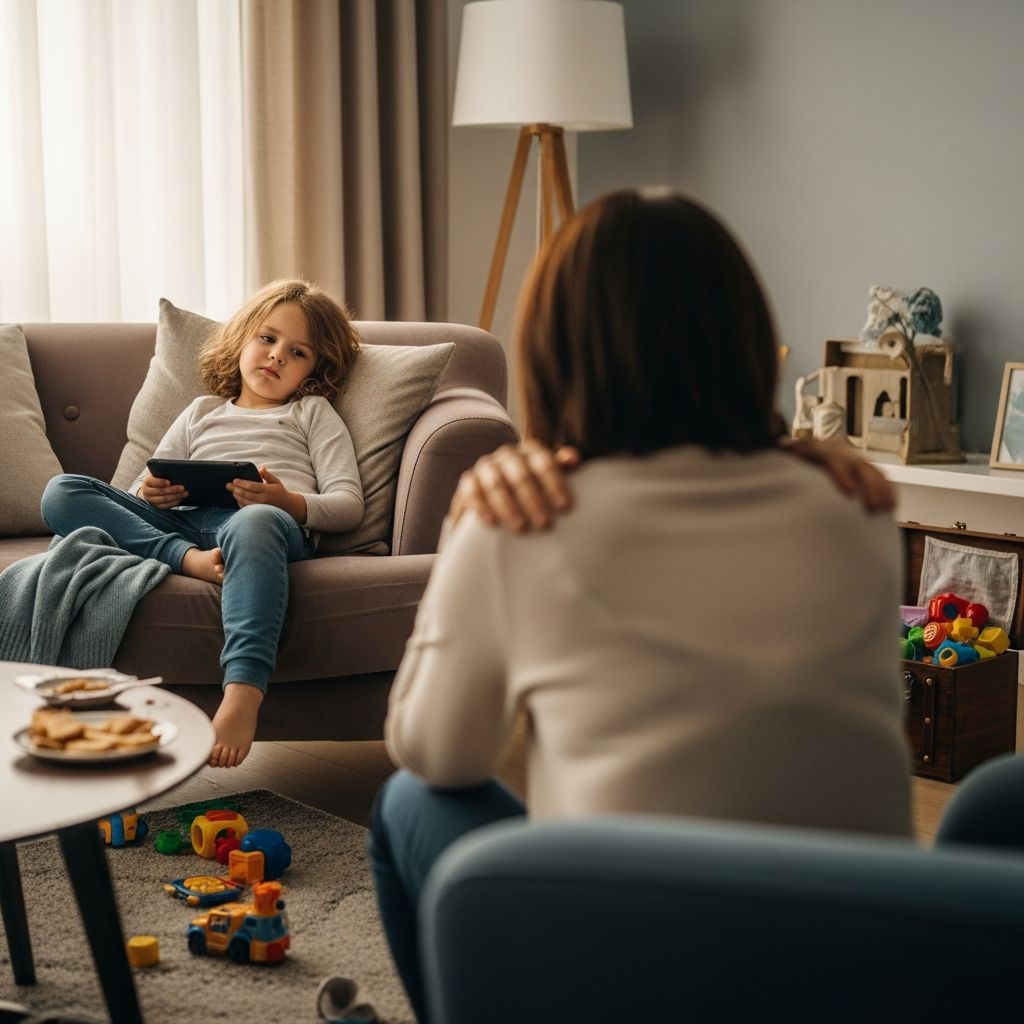
Gentle parenting emphasizes empathy, respect, and firm boundaries to nurture emotionally healthy children, but critics argue it risks fostering entitlement by avoiding discipline. Research indicates it often builds secure attachments and self-regulation without spoiling kids when implemented correctly.
Defining Gentle Parenting in Modern Families
Gentle parenting, rooted in principles from child psychologist Dr. Alfred Adler since the 1920s, focuses on building strong parent-child connections through empathy and understanding rather than punitive measures. Parents validate children’s emotions, encourage autonomy within limits, and model respectful communication to create a safe emotional environment.
Key pillars include:
- Empathy first: Acknowledging feelings like frustration during a tantrum before redirecting behavior.
- Clear boundaries: Offering choices within structure, such as selecting between two healthy dinner options.
- Positive guidance: Teaching self-regulation through modeling calm responses instead of timeouts or spankings.
- Understanding development: Aligning expectations with age-appropriate milestones to avoid frustration.
This approach contrasts with authoritarian styles that rely on strict obedience, aiming instead for children who internalize values like responsibility and kindness.
The Science Behind Gentle Parenting’s Benefits
Studies support gentle parenting’s positive impacts on child development. For instance, it reduces anxiety risks and promotes regulated social responses in shy toddlers, according to research on positive parenting styles. Children in empathetic homes show better school performance and emotional control.
| Benefit | Evidence | Long-Term Outcome |
|---|---|---|
| Secure Attachments | Validation fosters trust, leading to strong bonds. | Better relationships in adolescence and adulthood. |
| Emotional Regulation | Parental modeling teaches self-awareness. | Reduced stress, improved conflict resolution. |
| Academic Success | Positive styles correlate with higher achievement. | Confident, independent learners. |
| Family Harmony | Less power struggles improve dynamics. | Stronger household relationships. |
Proponents like Sarah Ockwell-Smith argue it creates empathic family dynamics, minimizing resentments by allowing emotional expression within boundaries. Kids learn they can achieve goals independently, boosting self-esteem.
Addressing the ‘Spoiling’ Myth: Boundaries Matter
The notion that gentle parenting spoils children stems from misconceptions that it means permissiveness—no rules, unlimited choices. In reality, it mandates firm, consistent limits while explaining why they exist, empowering kids without entitlement.
For example, instead of ‘no candy because I said so,’ a gentle parent might say, ‘Candy isn’t for dinner because it doesn’t give your body strong energy—let’s choose apple slices or carrots.’ This teaches reasoning and nutrition without rebellion.
- It avoids ‘helicoptering’ by granting age-appropriate autonomy.
- Choices are limited to maintain parental authority.
- Consequences are natural, like missing playtime if toys aren’t tidied, teaching accountability.
Research debunks spoiling fears: Children raised with empathy and structure exhibit fewer behavior problems and higher social competence, per developmental studies.
Potential Challenges and How to Overcome Them
Gentle parenting demands patience and time, which can feel exhausting amid busy schedules. Parents may face initial resistance as children test new dynamics, mistaking empathy for weakness.
Common pitfalls:
- Inconsistent boundaries: Leads to confusion; solution: Daily routines reinforce limits.
- Parental burnout: Self-care is essential; join support groups for accountability.
- Age mismatches: Teens need more independence; adjust empathy to maturity levels.
Long-term, the investment yields resilient kids adept at stress management and peaceful conflict resolution. A Brown Health analysis notes lifelong benefits in relationships and emotional preparedness.
Real-World Applications: Strategies for Everyday Parenting
Implementing gentle parenting transforms routines. During bedtime battles, validate tiredness (‘I know you’re cozy and want to play more’) then guide with choices (‘Book or song first?’).
In public meltdowns:
- Stay calm to model regulation.
- Name emotions: ‘You’re angry the line is long.’
- Offer solutions: ‘Deep breaths, then we’ll go on the slide.’
For siblings fighting over toys, facilitate sharing discussions: ‘How did that make you feel? What can we do together?’ This builds empathy organically.
Table of age-specific tips:
| Age Group | Strategy | Example |
|---|---|---|
| Toddlers (1-3) | Simple choices, emotion naming | ‘Red cup or blue? You’re sad—hug?’ |
| Preschool (4-6) | Explain reasons, natural consequences | ‘Pjs now or story later? No cleanup, no play.’ |
| School-age (7-12) | Problem-solving discussions | ‘Homework frustration? Break or help?’ |
| Teens (13+) | Autonomy with check-ins | ‘Plans sound fun—home by 10?’ |
Comparing Gentle Parenting to Other Styles
Gentle parenting sits between authoritative (warmth + structure) and permissive (high warmth, low structure) styles. Diana Baumrind’s framework shows authoritative yields the best outcomes: self-reliant, socially adept kids.
| Style | Warmth | Control | Outcomes |
|---|---|---|---|
| Authoritative/Gentle | High | High (adaptive) | Confident, regulated, successful. |
| Authoritarian | Low | High | Obedient but anxious, low self-esteem. |
| Permissive | High | Low | Impulsive, poor self-control. |
| Neglectful | Low | Low | Low achievement, behavior issues. |
Gentle aligns with authoritative, prioritizing connection over compliance.
Long-Term Outcomes: From Childhood to Adulthood
Children of gentle parents develop independence, high self-esteem, and goal-oriented mindsets. They navigate challenges calmly, form healthy bonds, and excel academically. Reduced family tensions create lasting harmony.
Critics’ spoiling concerns overlook evidence: Empathetic guidance internalizes values, unlike permissiveness.
Frequently Asked Questions
What is the main goal of gentle parenting?
It aims to raise emotionally intelligent children through empathy, boundaries, and positive discipline, fostering secure attachments and self-regulation.
Does gentle parenting work for strong-willed kids?
Yes, by validating feelings and offering structured choices, it reduces power struggles and teaches coping skills effectively.
Can gentle parenting lead to entitled children?
No, when boundaries are firm; it promotes responsibility via understanding, not indulgence.
How does gentle parenting differ from permissive parenting?
Gentle has clear limits and guidance; permissive lacks structure, risking poor self-control.
Is gentle parenting backed by research?
Yes, studies link it to lower anxiety, better social responses, and academic success.
Practical Steps to Start Gentle Parenting Today
Begin with self-reflection: Track triggers to respond empathetically. Practice active listening daily. Consistency builds trust over time, yielding confident kids without spoiling.
References
- What Is Gentle Parenting? Core Tenets, Pros, And Cons — BetterHelp. 2023. https://www.betterhelp.com/advice/parenting/what-is-gentle-parenting/
- Gentle Parenting: What It Is, How It Can Help, and Possible Drawbacks — Brown Health. 2023. https://www.brownhealth.org/be-well/gentle-parenting-what-it-how-it-can-help-and-possible-drawbacks
- Gentle Parenting: Core Principles, Advantages, and Disadvantages — Foster Courage Co. 2023-07-15. https://fostercourageco.org/2023/07/15/gentle-parenting-core-principles-advantages-and-disadvantages/
- Gentle parenting — The Mother Baby Center. 2023-08. https://www.themotherbabycenter.org/blog/2023/08/gentle-parenting/
- Gentle Parenting: Debunking the Misconceptions — Bozeman Counseling. 2024-09-27. https://www.bozemancounseling.org/blog/2024/9/27/gentle-parenting-debunking-the-misconceptions
- Unleashing the Power of Gentle Parenting (& 3 Examples) — PositivePsychology.com. 2023. https://positivepsychology.com/gentle-parenting/