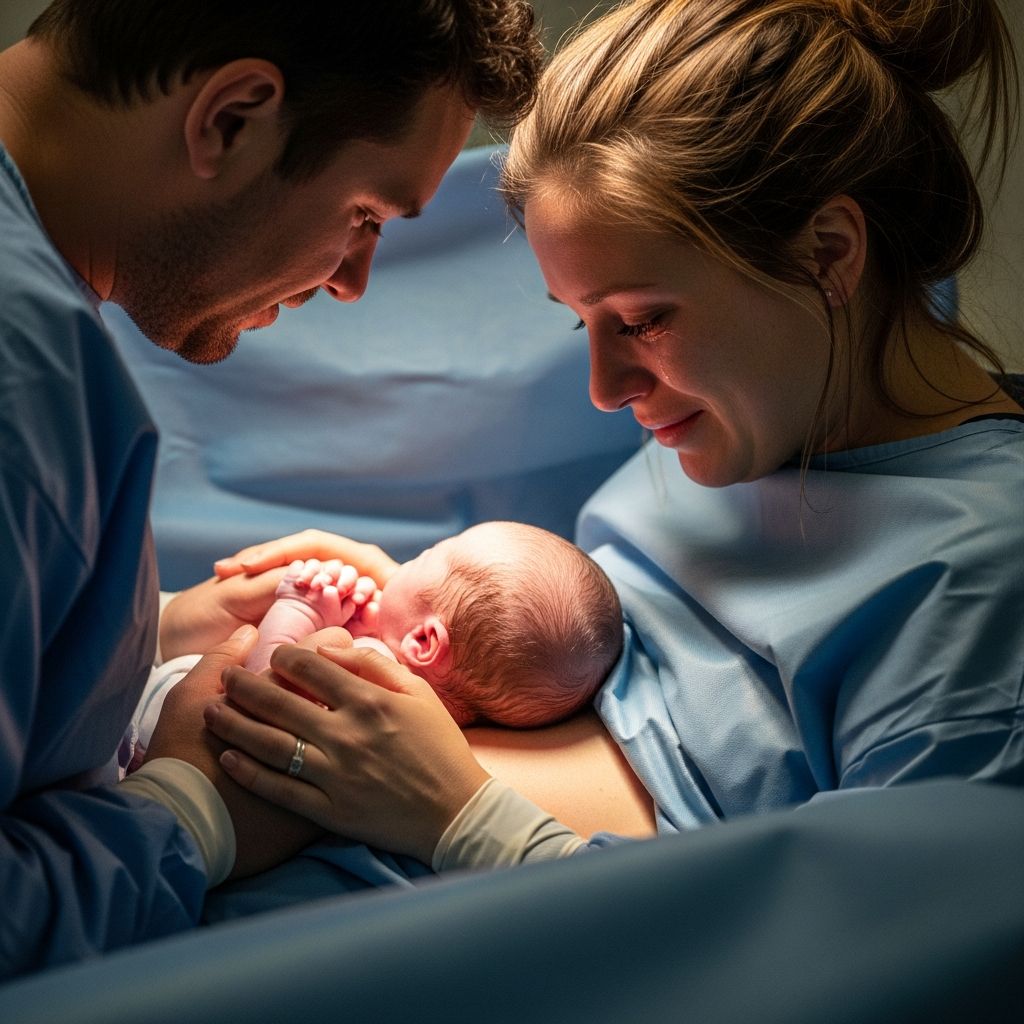
Gentle C-sections represent an innovative evolution in cesarean deliveries, blending the precision of surgery with the emotional warmth of natural birth. This approach prioritizes family involvement and immediate newborn contact, fostering deeper connections right from the start.
Understanding the Shift to Gentle Cesarean Deliveries
Traditional C-sections, while life-saving, often leave parents feeling sidelined in a sterile operating room environment. In contrast, **gentle C-sections**—also called family-centered or natural cesareans—modify the procedure to empower families. The core surgery remains identical, involving an incision through the abdomen and uterus, but enhancements like adjusted drapes and positioning allow visibility and touch during emergence.
These adaptations address common complaints of detachment. Parents witness their baby’s arrival, hold them promptly, and initiate bonding rituals typically associated with vaginal births. This shift not only enhances satisfaction but also supports physiological benefits for the newborn.
Key Elements That Define a Gentle C-Section
Several practical changes distinguish this method:
- Clear or Lowered Drapes: A transparent screen replaces opaque barriers, enabling parents to see the baby’s head and shoulders emerge without compromising sterility.
- Immediate Skin-to-Skin Contact: One arm remains free—often achieved by placing EKG leads on the back and avoiding arm restraints—allowing the newborn to be placed chest-to-chest moments after birth.
- Slower Baby Delivery: Surgeons extract the baby gradually, starting with the head, to compress the chest and expel lung fluids naturally, easing the respiratory transition.
- Family Participation: Partners may cut the umbilical cord if conditions permit, and photography is often allowed, heightening involvement.
- Adjusted Sedation and Monitoring: Requests for lighter anesthesia keep parents more alert, while IV lines and monitors are positioned to facilitate holding.
These elements maintain surgical safety while humanizing the process. Not all hospitals offer them universally; availability depends on provider training and facility protocols.
Physiological and Emotional Advantages for Newborns
The deliberate pacing of delivery in gentle C-sections mimics vaginal birth mechanics. As the uterus gently squeezes the baby’s body, amniotic fluid is expressed from the lungs and airways, potentially reducing transient tachypnea—a common respiratory issue in traditional cesareans.
Post-delivery, skin-to-skin contact stabilizes vital signs. The parent’s body heat regulates the newborn’s temperature, while proximity syncs heart rates and breathing patterns. Studies link this to fewer NICU admissions and smoother adaptations to extrauterine life.
Breastfeeding initiation thrives too. Proximity triggers oxytocin release, aiding milk letdown and latch success, which correlates with long-term nursing duration.
Benefits for Birthing Parents and Families
For mothers, active participation combats the sense of powerlessness often reported after standard C-sections. Seeing and touching the baby immediately fosters empowerment and joy, improving postpartum mood and satisfaction.
Partners benefit from inclusion, such as cord-cutting or photos, strengthening family bonds from minute one. Reduced maternal stress—via lower cortisol from bonding—may ease recovery and lower complications like excessive bleeding.
| Aspect | Gentle C-Section | Traditional C-Section |
|---|---|---|
| Bonding Opportunity | Immediate skin-to-skin | Delayed, baby to warmer |
| Parental Visibility | Clear drape for viewing | Opaque barrier |
| Family Involvement | Cord-cutting, photos possible | Limited to observation |
| Breastfeeding Start | Early initiation | Often postponed |
| Stress Levels | Lower for all | Higher due to separation |
This comparison underscores how small tweaks yield substantial relational gains.
Preparing for Your Gentle C-Section: Practical Steps
Discussing preferences early is crucial. Share your birth plan with your obstetrician weeks ahead, confirming their experience with gentle techniques. Key talking points include drape type, arm freedom, and skin-to-skin timing.
Assess risks honestly: Gentle C-sections suit low-risk cases without fetal distress. If complications arise, protocols revert to standard for safety. Pack essentials like a phone for photos and comfortable layers for the OR chill.
- Research providers: Seek those offering family-centered cesareans.
- Create a flexible plan: Prioritize must-haves like skin-to-skin.
- Tour the facility: Understand OR setup and team roles.
- Communicate needs: Use clear, collaborative language.
- Prepare mentally: Visualize the positive differences.
Support from doulas versed in surgical births can bridge gaps, advocating during the procedure.
Potential Challenges and Realistic Expectations
Despite appeal, gentle C-sections aren’t always feasible. Emergencies demand swift action, potentially skipping modifications. Anesthesia levels vary, and not every baby tolerates delayed warmer visits.
Post-op recovery mirrors traditional C-sections: pain management, mobility restrictions, and incision care apply. Emotional highs from bonding don’t erase surgical healing demands. Setbacks like unexpected sedation may occur, so flexibility is key.
Insurance typically covers it as a standard cesarean; no premium costs apply. However, confirm with your hospital, as custom requests might influence scheduling.
Real Stories: Voices from Gentle C-Section Families
Many parents recount transformative moments. One mother shared how watching her baby’s emergence through a clear drape erased surgical sterility fears, leading to instant tears of joy and effortless nursing. Another father described cutting the cord as his proudest memory, cementing family unity.
These anecdotes highlight emotional resonance, though outcomes vary. Professional testimonials affirm higher satisfaction scores among gentle C-section recipients.
Future Directions in Family-Centered Surgical Births
Adoption grows as evidence mounts. Facilities like Brigham and Women’s Hospital integrate protocols routinely, training teams on bonding science. Research expands, exploring impacts on maternal mental health and infant development.
Innovations like aromatic OR environments or music therapy complement core elements, personalizing further. Global spread promises wider access, normalizing this humane alternative.
Frequently Asked Questions About Gentle C-Sections
Is a gentle C-section riskier than a traditional one?
No, the surgical risks remain the same; modifications prioritize experience without added danger.
Can every hospital perform a gentle C-section?
Not necessarily—seek providers trained in family-centered techniques for best results.
What if my baby needs medical attention?
Safety first: If required, the newborn goes to the team, resuming skin-to-skin later.
Does insurance cover gentle C-sections?
Yes, billed as standard cesareans; confirm with your plan.
How do I request a gentle C-section?
Discuss early in prenatal visits, outlining preferences clearly.
Are partners allowed in the OR?
Typically yes, dressed in sterile attire, enhancing support.
This comprehensive approach ensures informed choices, maximizing joy in cesarean journeys. (Word count: 1678)
References
- Benefits of a Gentle C-Section — Willow OBGYN. 2023. https://willowobgyn.com/blog/benefits-of-a-gentle-c-section
- The Rise of the “Gentle C-Section” — Americord Registry. 2023. https://www.americordblood.com/articles/the-rise-of-the-gentle-c-section
- What to Know About a Gentle C-Section — WebMD. 2024-01-15. https://www.webmd.com/baby/what-to-know-about-a-gentle-c-section
- What Is a Gentle C-Section? Birth Plan, Benefits and More — The Bump. 2023. https://www.thebump.com/a/gentle-c-section
- The Gentle Cesarean — Brigham and Women’s Hospital. 2024. https://www.brighamandwomens.org/anesthesiology-and-pain-medicine/pain-free-birthing/gentle-cesarean
- The Gentle C-Section Experience: Closer Connections From the Start — Inspira Health Network. 2023-05-10. https
Written by