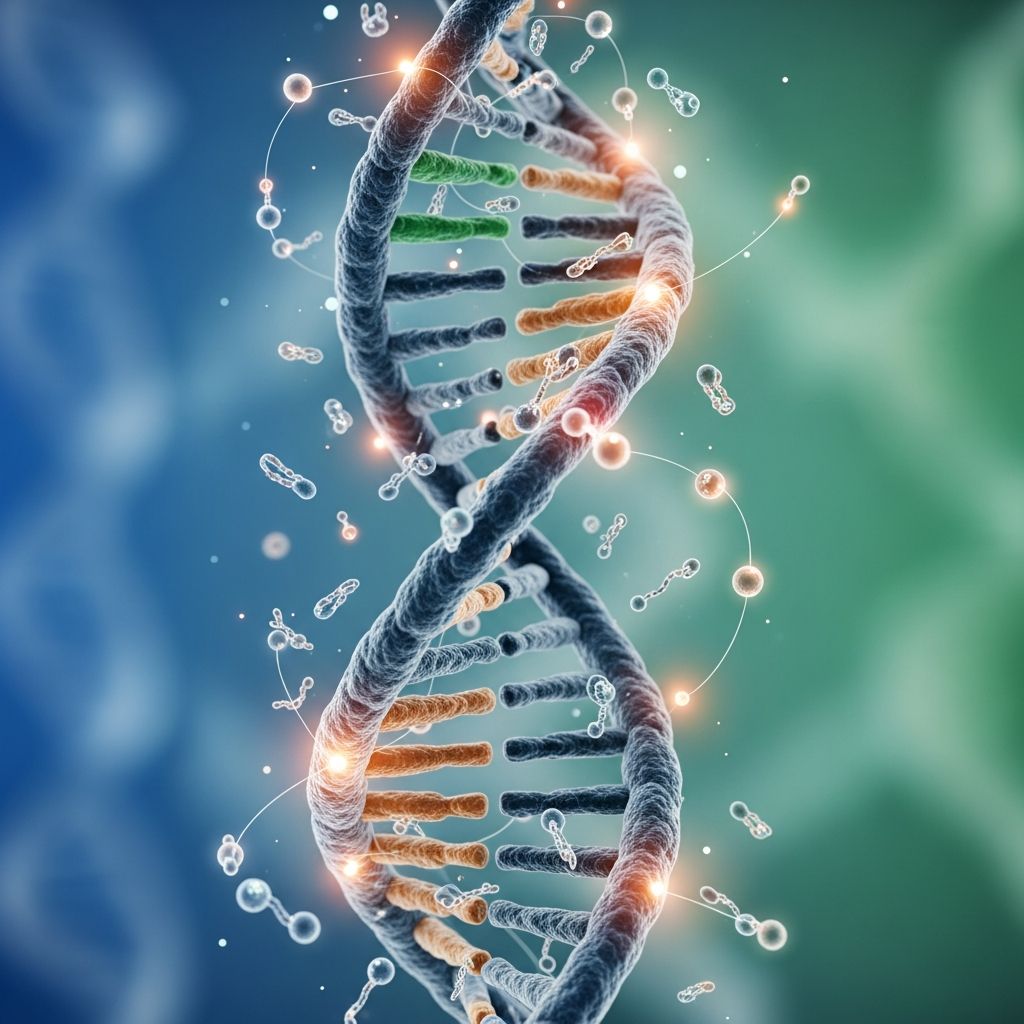
Every cell in the body holds a detailed instruction manual that helps decide how a person looks, grows, and functions. That manual is written in a special code made of DNA, and the sentences in that manual are called genes. When the genetic code changes in certain ways, it can lead to health problems known as genetic disorders.
This guide explains what genes are, how traits are passed down in families, how genetic disorders happen, and what teens and their families can do if a genetic condition affects them or someone they know.
1. DNA, Chromosomes, and Genes: The Body’s Instruction Manual
To understand genetic disorders, it helps to start with the basic building blocks of genetic information. The body is made of trillions of tiny units called cells. Inside almost every cell is DNA, a long, twisting molecule shaped like a double helix. DNA carries the code that tells cells what to do and when to do it.
DNA is packed into structures called chromosomes, which are like chapters in a book. Humans usually have 46 chromosomes in each cell, arranged in 23 pairs. One member of each pair comes from the mother, and the other comes from the father. Sections of DNA on these chromosomes are called genes, and each gene contains the instructions for a particular job, such as making a protein that builds muscle, affects eye color, or helps fight infection.
- DNA is the chemical code that stores genetic information.
- Chromosomes are bundles of DNA that keep this code organized.
- Genes are segments of DNA that give specific instructions for the body.
2. How Traits Are Inherited from Parents
Each person receives half of their chromosomes from their mother and half from their father. This mixing of genetic material explains why someone might have a parent’s nose, a grandparent’s hair color, or similar height to an older sibling. Genes can come in different versions, which helps explain the differences between family members as well.
Most traits are influenced by many genes working together, and sometimes by the environment too. For example, height is shaped both by genetics and by factors such as nutrition, sleep, and exercise. Even when a gene gives a strong push in one direction, lifestyle and environment can still play important roles in a person’s final traits and health.
- Some physical traits, like natural eye color, are heavily influenced by genetics.
- Other traits, like strength and fitness, reflect a mix of genes and environment.
- Different combinations of gene versions in a family lead to unique-looking siblings.
3. What Is a Genetic Disorder?
A genetic disorder is a health condition caused, at least in part, by changes in a person’s genes or chromosomes. These changes can affect how the body grows, how organs work, or how the brain develops and functions. Sometimes a genetic disorder is present from birth; other times, it shows up later in childhood, the teen years, or adulthood.
Genetic disorders can range from mild to very serious. Some affect just one part of the body, such as the blood or the eyes. Others can influence several body systems at once, leading to complex health needs. Not every change in DNA is harmful, but certain changes disrupt important instructions, and that is when a disorder can occur.
- Genetic disorders come from changes in the DNA code or in chromosome structure or number.
- They can appear in one person in a family or run across several generations.
- Some cause visible differences, while others affect organs or internal processes.
4. How Genetic Changes Happen
For a genetic disorder to occur, something usually changes in the genetic instructions. These changes are called mutations or variants. In some cases, the change affects a single gene. In other cases, a piece of a chromosome is missing, extra, or rearranged. Sometimes an entire chromosome is present in extra copies or missing altogether.
Genetic changes can be inherited from a parent or can appear for the first time in a child. When a new change appears that was not present in the parents’ genes, it is often due to a random error when DNA is copied as cells divide or when egg and sperm cells are formed. Many of these changes are harmless, but some damage important instructions and lead to a disorder.
- Single-gene changes alter the code in one specific gene.
- Chromosome changes may delete, duplicate, or rearrange larger sections of DNA.
- Number changes involve missing or extra whole chromosomes.
Table: Types of Genetic Changes and Their Effects
| Type of change | What happens in the DNA | Possible result |
|---|---|---|
| Single-gene mutation | One gene’s code is altered (for example, a letter of the DNA code is changed, added, or removed). | A specific protein may not work correctly, leading to a condition related to that protein’s job. |
| Deletion | A segment of a chromosome, containing several genes, is missing. | Missing instructions can affect growth, learning, or organ development. |
| Duplication | A segment of a chromosome is present more than once. | Extra copies of genes can disrupt normal cell processes. |
| Translocation | Pieces of chromosomes swap places or attach incorrectly. | Genes may end up in the wrong context, changing how they work or are controlled. |
| Extra or missing chromosome | Instead of the usual pair, a cell has three copies or only one of a chromosome. | Widespread effects on development and health because many genes are involved. |
5. Major Categories of Genetic Disorders
Although there are thousands of individual genetic conditions, they can be grouped into a few main categories. This makes it easier to understand how they arise and how they might behave in families. Knowing the category does not tell the whole story, but it offers clues about inheritance and risk.
The three broad categories that are often described are single-gene disorders, chromosomal disorders, and complex or multifactorial conditions. Each category has its own patterns and examples.
5.1 Single-Gene Disorders
Single-gene disorders occur when a change in one gene has a major effect on how that gene’s protein works. The affected gene may be important for blood cells, muscles, brain cells, or many other tissues. Because only one gene is involved, the disorder often follows recognizable family patterns.
Single-gene conditions can be inherited in several ways, including dominant and recessive inheritance. In dominant conditions, a single changed copy of the gene is enough to cause the disorder. In recessive conditions, a person needs two changed copies—one from each parent—to show symptoms. Carriers of recessive conditions usually do not have the disease themselves but can pass the changed gene to their children.
- Dominant single-gene disorders can appear in multiple generations.
- Recessive disorders often appear when both parents unknowingly carry the same gene change.
- Some single-gene conditions affect the blood, muscles, or nervous system.
5.2 Chromosomal Disorders
Chromosomal disorders involve changes to the structure or number of whole chromosomes. Because chromosomes carry many genes, these changes often have wide-ranging effects on growth, learning, and physical development. Some chromosomal conditions are associated with characteristic facial features, heart differences, or other health concerns.
Many chromosomal disorders begin when an egg or sperm cell is formed with too few or too many chromosomes, or when chromosome pieces break and reattach in unusual ways. These changes usually are not inherited from a parent but occur randomly. Still, family counseling can be important to understand any future risk.
- Chromosomal disorders usually affect multiple body systems at once.
- They can be detected through specialized tests that look at a person’s chromosomes.
- Early support can help with learning, physical development, and medical needs.
5.3 Complex or Multifactorial Conditions
Many common health problems, such as certain heart conditions, some types of diabetes, and many mental health disorders, are influenced by both genes and the environment. These are called complex or multifactorial conditions. No single gene causes them by itself. Instead, several genes each add a small effect, and lifestyle or environmental factors contribute as well.
A person with a family history of a complex condition may inherit a tendency or higher risk, not a guarantee of getting the disorder. Choices like diet, physical activity, avoiding smoking or drugs, managing stress, and attending regular checkups can sometimes lower risk or delay the onset of symptoms.
- Multiple genes plus environment work together in complex conditions.
- Risk can often be lowered with healthy lifestyle habits.
- Family history offers clues but does not determine a person’s future by itself.
6. How Genetic Disorders Are Diagnosed
When doctors suspect a genetic disorder, they combine information from several sources to reach a diagnosis. The process often begins with a detailed medical history and physical examination. Family history is especially important, because patterns over several generations may suggest a specific type of inheritance.
Depending on the situation, health professionals may recommend genetic tests. These can range from looking at single genes to scanning all the chromosomes or even reviewing large parts of the DNA code. Test results are interpreted with the help of specialists such as geneticists and genetic counselors, who explain what the findings mean for the person and the family.
- Family trees can show whether a condition tends to run in a certain pattern.
- Blood or saliva samples are commonly used for genetic testing.
- Genetic counselors help families understand results and options.
7. Treatment, Management, and Everyday Life
Not all genetic disorders can be cured, but many can be managed so that people can live active, meaningful lives. Treatment plans are tailored to the specific condition and may involve medications, physical or occupational therapy, surgery, special diets, or assistive devices. Early diagnosis often allows treatment to begin before serious complications develop.
In many cases, care involves a team: primary care providers, specialists, therapists, school staff, and mental health professionals. Working together, they can create an individual plan that supports not only physical health but also learning, independence, and emotional wellbeing.
- Some conditions have targeted medications that correct or improve certain problems.
- Therapy and educational support can help with movement, communication, and learning.
- Routine checkups monitor growth, organ function, and response to treatment.
8. Emotional and Social Impact for Teens
Living with a genetic disorder, or having a family member who has one, can bring up many emotions. Teens may feel different from peers, worry about the future, or feel guilty or angry even though they did nothing to cause the condition. These feelings are normal and deserve attention and support.
Strong support systems make a big difference. Talking with trusted adults, joining support groups, or connecting with others who have similar experiences can help reduce feelings of isolation. Schools can offer accommodations, and friends can be allies when they understand what is going on.
- Open communication with family and health professionals helps teens feel informed and involved.
- Counseling or therapy can offer tools for coping with stress and big emotions.
- Online and local support groups provide spaces to share experiences and practical tips.
9. Genetic Testing, Privacy, and Choices
Genetic testing can provide useful information, but it also raises important questions. Teens and families may want to know whether a test can predict a condition, help guide treatment, or affect future decisions about school, sports, relationships, and careers. It is helpful to think through how a person might feel about different outcomes before testing.
Privacy is another major concern. Genetic information is personal and sensitive, so it should be shared only with people who truly need it, such as certain health professionals or, in some cases, close family members. Laws in many places protect against some types of genetic discrimination, but it is still wise to ask health providers how results will be stored and who will have access.
- Before testing, many families meet with a genetic counselor to discuss pros and cons.
- Some tests answer current medical questions, while others estimate future risk.
- Teens should be part of the conversation when decisions affect their bodies and futures.
10. What Teens Can Do to Stay Informed and Empowered
Even though genes play a large role in health, they do not tell the entire story. Teens can take steps to stay as healthy as possible, whether or not they have a known genetic condition. Learning trustworthy information, asking questions, and building good habits are powerful ways to feel more in control.
For those living with a genetic disorder, being informed about the condition and taking part in decision making can turn fear into confidence. It can also help when explaining the condition to friends, teachers, or coaches who need to understand why certain accommodations or medical appointments are important.
- Ask doctors, nurses, and counselors to explain anything that is confusing.
- Use reliable health sites, books, and organizations instead of random online posts.
- Focus on what can be controlled: taking medicines correctly, attending checkups, and building healthy routines.
11. Frequently Asked Questions (FAQs)
Do all genetic changes cause disease?
No. The DNA code contains many variations that simply make people different from one another without causing illness. Only some changes disrupt important instructions and lead to a disorder. Many people carry harmless variations or changes that have no known effect.
Can lifestyle choices fix a genetic disorder?
Lifestyle choices cannot remove a genetic change, but they can often reduce symptoms or lower the risk of complications. For example, following medical advice, staying active when possible, eating a balanced diet, and avoiding smoking or drugs can make a big difference in overall health. These habits support the body even when genes pose challenges.
If a parent has a genetic disorder, will their child definitely have it?
Not necessarily. The chance depends on the type of condition and how it is inherited. Some disorders give each child a 50 percent chance of inheriting the changed gene, while others require changes in both copies of a gene or involve more complex factors. Genetic counseling can help families understand their specific risks.
Can someone develop a genetic disorder later in life?
Yes. Some genetic conditions appear during the teen years or adulthood instead of at birth. In these cases, a person may have lived without noticeable symptoms for years before a certain organ or system becomes affected. Regular checkups and knowing family history can help with early detection.
Is it okay to feel worried about genetic testing?
Feeling nervous, uncertain, or even scared about genetic testing is completely normal. The results can affect how someone sees their future, so it makes sense to think carefully beforehand. Talking with family members, health professionals, and counselors can make decisions clearer and provide emotional support.
12. Key Takeaways for Teens and Families
Genes are powerful, but they are only one part of the story of a person’s health and identity. Understanding how DNA, chromosomes, and genes work can make genetic disorders less mysterious and easier to talk about. Even when a condition cannot be cured, knowledge, support, and good medical care can transform how someone lives with it.
For teens, the most important steps are staying informed, asking questions, and remembering that no one is defined only by a diagnosis. With the right information and support network, it is possible to navigate genetic challenges and still plan for a meaningful, hopeful future.