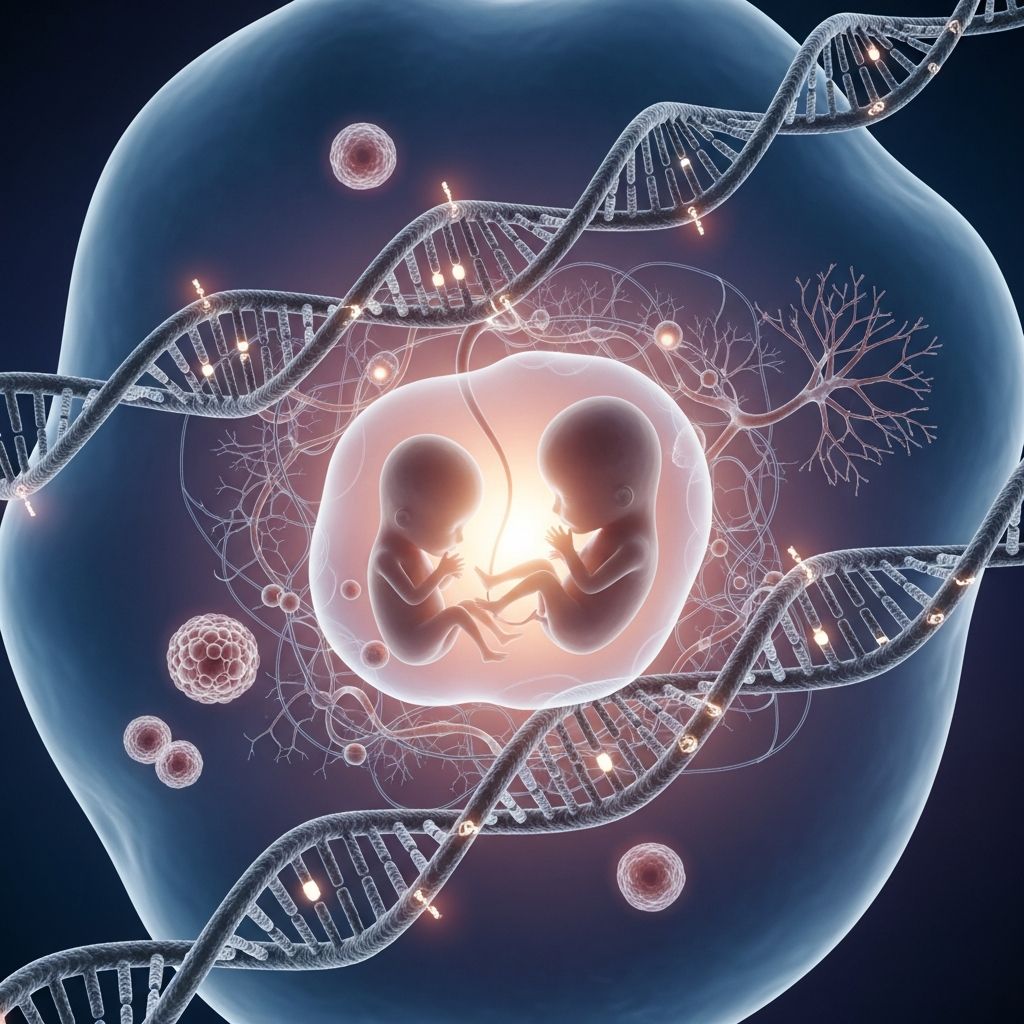
Generational trauma refers to the transmission of unresolved emotional wounds across family lines, influencing behaviors, emotions, and relationships in profound ways. Parents can harness awareness of this phenomenon to interrupt negative patterns and cultivate more nurturing environments for their children.
Recognizing the Hidden Legacy of Family Trauma
Trauma experienced by previous generations often lingers unspoken, shaping how parents interact with their kids without conscious intent. This inheritance manifests through subtle shifts in emotional availability, response styles, and household atmosphere. For instance, a parent who endured childhood neglect might unintentionally replicate emotional distance, leaving children feeling unseen.
Key indicators include heightened reactivity to stress, difficulty expressing vulnerability, or overprotectiveness rooted in past fears. These patterns stem from adaptive survival mechanisms that, while once protective, become maladaptive in stable settings. Research shows that such dynamics alter family roles, sometimes leading to children assuming premature responsibilities known as parentification.
- Behavioral echoes: Children mirror coping strategies like avoidance or outbursts observed in parents.
- Communication barriers: Hesitancy to discuss feelings creates emotional silos within the home.
- Atmospheric tension: Unresolved pain fosters unpredictability, eroding a child’s sense of security.
Understanding these signs is the first step toward reclamation. By naming the influence, parents reclaim agency over their responses.
How Trauma Shapes Modern Parenting Practices
Unresolved trauma diminishes a parent’s capacity for empathy and emotional regulation, directly impacting child-rearing. Studies reveal that traumatized individuals perceive threats more acutely, leading to inconsistent or overly rigid parenting.
This can result in:
| Trauma Influence | Parenting Effect | Child Outcome |
|---|---|---|
| Emotional numbing | Withdrawal from child’s needs | Feelings of abandonment |
| Hypervigilance | Overprotectiveness | Limited independence development |
| Anger projection | Harsh discipline | Increased anxiety or resentment |
| Role confusion | Parentification | Developmental delays |
These effects compound, perpetuating a cycle where children internalize instability, mirroring parental struggles in their own lives. Nonverbal cues, like tense body language, further signal danger to sensitive young minds, amplifying insecurity.
The Science Behind Trauma’s Intergenerational Reach
Evidence from peer-reviewed studies confirms trauma’s heritability, not just genetically but through environmental and behavioral pathways. Parental PTSD, for example, correlates with impaired reflective functioning—the ability to understand one’s emotions and those of others.
Children of affected parents often exhibit elevated anxiety, attachment issues, and behavioral challenges. One mechanism involves mirrored instability: kids absorb and replicate the dysregulation they witness daily. Historical traumas, such as those from war or abuse, echo in family systems, altering emotional climates for generations.
Neurological impacts include heightened stress responses, where offspring develop similar cortisol patterns, priming them for reactivity. Breaking this requires intentional disruption of transmission routes like negative communication and unmet emotional needs.
Practical Steps to Interrupt Trauma Cycles
Empowerment begins with self-awareness. Parents can audit their triggers: What situations evoke disproportionate fear or anger? Journaling reactions links present behaviors to past events.
- Build emotional literacy: Practice naming feelings to model healthy expression for children.
- Set boundaries mindfully: Distinguish protective limits from fear-driven control.
- Foster secure attachment: Prioritize consistent presence and validation.
- Seek professional insight: Therapy helps unpack roots without burdening kids.
Incorporate daily rituals like shared gratitude or calm check-ins to rebuild trust. These shift the family emotional climate from tense to supportive.
Cultivating Resilience in Your Children
While healing personal trauma, parents simultaneously equip kids with tools against inheritance. Teach emotional regulation through age-appropriate techniques: deep breathing for tantrums, perspective-taking for conflicts.
Encourage narratives that honor resilience over victimhood. Share family stories selectively, framing survival as strength. This builds psychological security, countering alienation.
- Validate emotions without fixing: “I see you’re upset; let’s sit with it together.”
- Promote autonomy: Allow safe failures to develop problem-solving.
- Model apologies: Demonstrate repair after missteps.
Resilient children emerge confident, empathetic, and cycle-resistant.
Self-Care as a Foundation for Family Healing
Healing demands parental well-being. Trauma depletes energy, so prioritize sleep, nutrition, and movement. Mindfulness practices rewire stress responses, enhancing patience.
Connect with supportive networks—parent groups or mentors provide perspective. Self-compassion is key: Acknowledge progress amid setbacks. This ‘healing while parenting’ models growth for children.
Track wins in a family journal: moments of connection reinforce positive shifts. Over time, these build a trauma-informed home.
Navigating Challenges in the Healing Journey
Resistance arises—old patterns die hard. Partners may clash if one heals faster, or kids test new boundaries. Patience and communication bridge gaps.
Common hurdles:
- Trigger reactivation: Past pain resurfaces; pause and ground before responding.
- Guilt overload: Forgive imperfect parenting; focus on direction over perfection.
- Isolation: Combat with community; shared stories normalize the process.
Progress is nonlinear, but consistency yields transformation.
Frequently Asked Questions
What exactly is generational trauma?
It’s the unconscious passing of trauma responses—like anxiety or avoidance—from parents to children via behaviors and environment, not just genes.
Can I heal generational trauma without therapy?
Yes, through self-education, mindfulness, and supportive relationships, though professional guidance accelerates breakthroughs for complex cases.
How do I know if my parenting is trauma-influenced?
Signs include overreactions, emotional unavailability, or repeating your parents’ styles despite vows otherwise. Reflection clarifies.
Will addressing my trauma confuse my kids?
Age-appropriate honesty builds trust; shield young ones from details while modeling vulnerability positively.
How long does breaking the cycle take?
Varies by individual—months to years. Small, daily shifts compound into lasting change.
Building a Legacy of Strength
By confronting inherited trauma, parents author a new family story. This work not only mends personal wounds but fortifies descendants against repetition. Empowered choices today ripple into tomorrow’s resilience.
References
- How Generational Trauma Influences Family Dynamics — Impossible Psychological Services. 2024-06-07. https://www.impossiblepsychservices.com.sg/our-resources/articles/2024/06/07/how-generational-trauma-influences-family-dynamics/
- Intergenerational Transmission of Trauma: The Mediating Effects of… — National Center for Biotechnology Information (PMC). 2022. https://pmc.ncbi.nlm.nih.gov/articles/PMC9141097/
- Generational Trauma and Its Effects on Newer Generation Parents — Suffolk University Digital Commons. 2024. https://dc.suffolk.edu/cgi/viewcontent.cgi?article=1041&context=undergrad
- What Is Generational Trauma — and How It Shows Up in Your Child’s Behavior — Child Therapy Center LA. N/A. https://www.childtherapycenterla.com/post/what-is-generational-trauma-and-how-it-shows-up-in-your-child-s-behavior
- Breaking Generational Cycles with Trauma-Informed Parenting — EdParenting. N/A. https://www.edparenting.com/blog/breaking-generational-cycles-with-trauma-informed-parenting
- Understanding Generational Trauma & Breaking The Cycle — Holly Hill Hospital. N/A. https://hollyhillhospital.com/blog/understanding-generational-trauma-breaking-the-cycle/
- What Is Generational Trauma? And How You Can Break the Cycle — Cleveland Clinic. N/A. https://health.clevelandclinic.org/generational-trauma