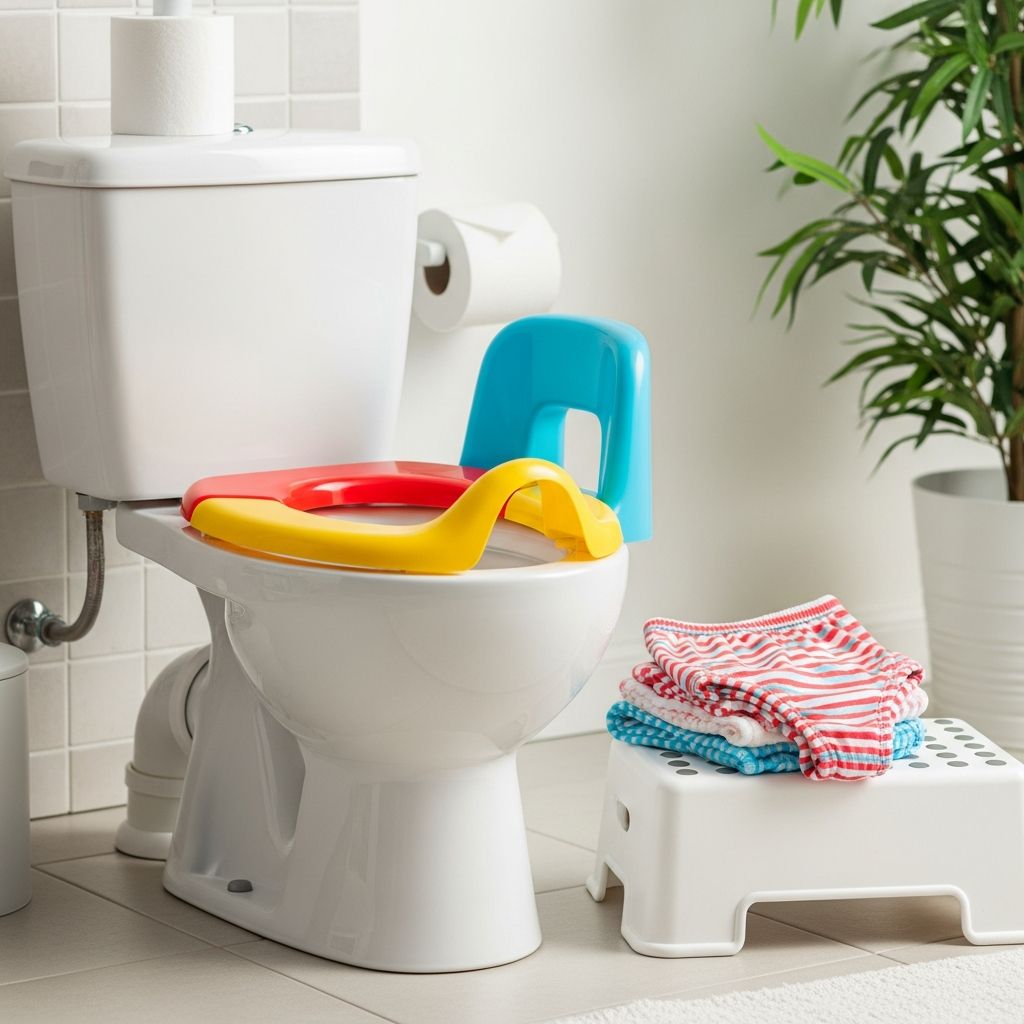
Parenting is often advertised as a magical, soft-focus montage of cuddles, matching pajamas, and perfectly filtered milestones. In reality, it is more like a live-action sitcom filmed in a house that never stays clean, starring two exhausted adults and small humans who can cry because their banana is “too curvy.” Humor is not just a bonus in this season of life; it is survival gear.
This article explores why laughing at the madness of parenting can make the hard days feel lighter, how to see the comedy in ordinary tasks, and why sharing funny parenting moments is one of the best ways to feel less alone.
Why Parenting Feels Like a Sitcom You Didn’t Audition For
Most parents enter the journey with a vague idea of bedtime stories, family traditions, and maybe a handmade Halloween costume or two. Very few anticipate the number of times they will say, “Please stop licking the window,” or “We do not store grapes in our socks.” The gap between expectation and reality is exactly where the comedy lives.
Everyday parenting life is filled with moments that would seem absurd anywhere else. You can be having a serious thought about your career, only to be interrupted by someone urgently needing you to admire the shape of their cereal. The constant collision between adult concerns and child logic delivers an unending stream of accidental punchlines.
The Emotional Whiplash of Raising Tiny Humans
One of the strangest parts of parenting is how quickly emotions swing from frustration to tenderness. A toddler can scream because the sky is “too bright,” and five minutes later fall asleep on your shoulder like a tiny, snoring apology. This emotional whiplash can be exhausting, but it is also what makes the story of parenting so unforgettable.
Humor does not erase the hard parts, but it softens the edges. Laughing about the spilled milk, the public tantrum, or the marker mural on the wall transforms those memories into family stories instead of lasting stress.
Everyday Scenes That Are Funnier Than They Feel in the Moment
In the moment, many parenting scenarios feel like disasters. With a bit of distance (and maybe a shower), they become excellent comedy material. Some classics:
- The stealth snack attack: You hide in the pantry to eat a cookie in peace, only to be discovered by a small detective who can hear a crinkling wrapper from three rooms away.
- The wardrobe negotiations: Your child has 27 outfit options but will only wear the dinosaur pajamas that are still damp from last night’s laundry.
- The bedtime marathon: You tuck them in, say goodnight, walk away, and then immediately hear, “I just remembered something VERY important…” three times in a row.
- The toy paradox: They own enough toys to open a small store, yet the only interesting object in the room is your phone, your laptop, or the permanent marker.
These situations can feel infuriating when you are tired or overwhelmed. Later, they often become the stories you repeat with friends, laughing until you have tears in your eyes.
Why Humor Is Essential for Parental Sanity
Parenting is physically tiring and mentally demanding. There are long stretches where no one is thanking you for cutting crusts off sandwiches or reading the same book 19 times in a row. Humor gives you a way to release tension without denying that things are hard.
Laughing at everyday chaos helps in several ways:
- It turns mishaps into material: When the baby decorates the dog with yogurt, it moves from “failure” to “plot twist” if you decide it is going in the mental comedy file.
- It shifts perspective: Seeing your home as a temporary circus can feel less disappointing than constantly chasing the illusion of perfection.
- It builds resilience: A parent who can laugh after a long night is not ignoring reality; they are choosing a softer way to meet it.
Common Parenting Roles in the Family Comedy
Within each household, parents often fall into familiar “roles” in the ongoing family comedy show. Sometimes these roles swap, sometimes they overlap, and sometimes both adults audition for all of them on the same day.
| Unofficial Role | Signature Move | Typical Line |
|---|---|---|
| The Snack Manager | Knows exactly how many crackers are left in the box at all times. | “No, you cannot have a third breakfast.” |
| The Schedule Captain | Lives by the calendar, color-codes school events, and forgets their own haircut appointment. | “We need to leave in four minutes if we want to be only slightly late.” |
| The Toy Archaeologist | Specializes in stepping on, tripping over, and locating missing action figures. | “Why is there a plastic dinosaur in the fridge?” |
| The Bedtime Negotiator | Translates bedtime excuses and offers counterproposals involving one more page. | “You may ask one more question, and then we are really, truly, officially done.” |
| The Laundry Philosopher | Stares at the never-ending pile and questions the meaning of existence. | “How did we wear this many socks in one day?” |
Recognizing these roles can add a playful lens to repetitive tasks. Instead of simply folding clothes again, you become the heroic Laundry Philosopher, bravely sorting unmatched socks in the face of overwhelming odds.
Kid Logic: The Funniest Part of the Job
Children approach the world with a logic that is charming, baffling, and occasionally hazardous. They see no issue with wearing mittens in summer, insisting spaghetti is breakfast food, or crying because their shadow is “following them without permission.”
Some of the most memorable moments happen when adult reasoning collides with this unique perspective:
- A child who insists they are not tired while literally falling asleep mid-sentence.
- A preschooler who believes that if they can’t see you, you also cannot hear them climbing the furniture.
- An older child who argues that homework cannot be started until the perfect pencil is found, and no other pencil on earth will do.
Instead of viewing these moments only as battles to win, they can become stories to cherish. Someday, those wild explanations and heartfelt arguments will be the details you remember most clearly.
Finding Humor in the Messy Parts
Not every situation is instantly laughable. Some days, the mess, noise, and emotional labor feel like too much. Humor in parenting is not about pretending everything is fine; it is about choosing to search for light, even if it arrives late and in small doses.
Ways to gently invite more laughter into your routine include:
- Rewriting the script in your head: When you mop juice off the floor again, imagine a narrator saying, “In a shocking twist, the floor is once more sticky.”
- Saving quotes: Write down the most ridiculous things your kids say. Over time, those notes become a treasure trove of unfiltered comedy.
- Celebrating “almost wins”: The toddler still wore shoes on the wrong feet, but you left the house on time. That absolutely counts.
How Parents Can Share the Laughter
Parenting can be lonely, even when you are never technically alone. Sharing the funny side of your day—online, in group chats, or at playdates—reminds you that no one has it all figured out. Another parent has also forgotten picture day, burned dinner, or sent a child to school with two different shoes.
Safe ways to connect through humor include:
- Texting a trusted friend a funny snapshot of your day, like the mountain of laundry or the living room fort city.
- Swapping anonymous stories in parenting groups without oversharing details about your kids.
- Enjoying lighthearted memes or humorous articles that reflect what you are living through, so you feel seen rather than judged.
Using Humor Without Mocking Your Kids
There is a difference between laughing about parenting and laughing at your children’s expense. The goal is to find comedy in the shared situation, not to humiliate the people you are raising. Gentle humor can coexist with deep respect.
Consider these guidelines:
- Avoid sharing stories that would embarrass your child later, especially anything involving bodily functions, fears, or private moments.
- Focus on your own reactions and mishaps, rather than framing your child as the joke.
- If your child is old enough, ask their permission before sharing stories about them online.
Accepting Imperfection as Part of the Joke
Modern parents feel intense pressure to get everything “right”—from nutrition and screen time to academic readiness and emotional development. The reality is that no one can pass every test at once, and the illusion of a flawless parent is just that: an illusion.
Humor acts as a small rebellion against the expectation of perfection. When you choose to laugh about the store-bought cupcakes, the science project finished at midnight, or the breakfast-for-dinner emergency plan, you are quietly declaring that being human is allowed here.
Frequently Asked Questions About Funny Parenting Moments
Is it okay to joke about being overwhelmed as a parent?
Yes, as long as the humor is not your only coping strategy, joking about your exhaustion or confusion can be a healthy release. It often helps you feel less alone and may encourage more honest conversations with other parents.
What if I do not find any of this funny in the moment?
That is completely normal. Not every hard moment has to be turned into a joke right away. Sometimes humor arrives later, when you are less tired and have more distance from the situation.
Can humor help my relationship with my co-parent?
Sharing private jokes and laughing together about the chaos can strengthen your connection. When both adults recognize that you are on the same team, even the roughest days feel a little more manageable.
How do I balance venting with staying grateful?
It is possible to appreciate your children deeply and still admit that some days are ridiculous. Laughing about the hard parts does not mean you love your kids any less; it simply means you are honest about the full experience.
What if the stress feels bigger than jokes can handle?
If you feel constantly overwhelmed, sad, or disconnected, reaching out for support is more important than finding something to laugh about. Humor is a tool, not a cure, and it is completely valid to talk to a professional, a trusted friend, or a support group when you need more help.
Turning Today’s Chaos Into Tomorrow’s Stories
Someday, the season of stepping on blocks at midnight and arguing about vegetables will fade into something softer. What remains will be the stories: the time your child wore a superhero cape to the grocery store, the bath that turned into a tidal wave, the bedtime routine that went so off-script you could only laugh.
You do not need to enjoy every second of parenting to appreciate the strange, hilarious journey it is. If all you manage today is one small chuckle in the middle of the mess, that is still a victory. In a life filled with spilled snacks, half-finished cups of coffee, and surprise dance performances in the hallway, laughter might be the most realistic form of perfection you can aim for.