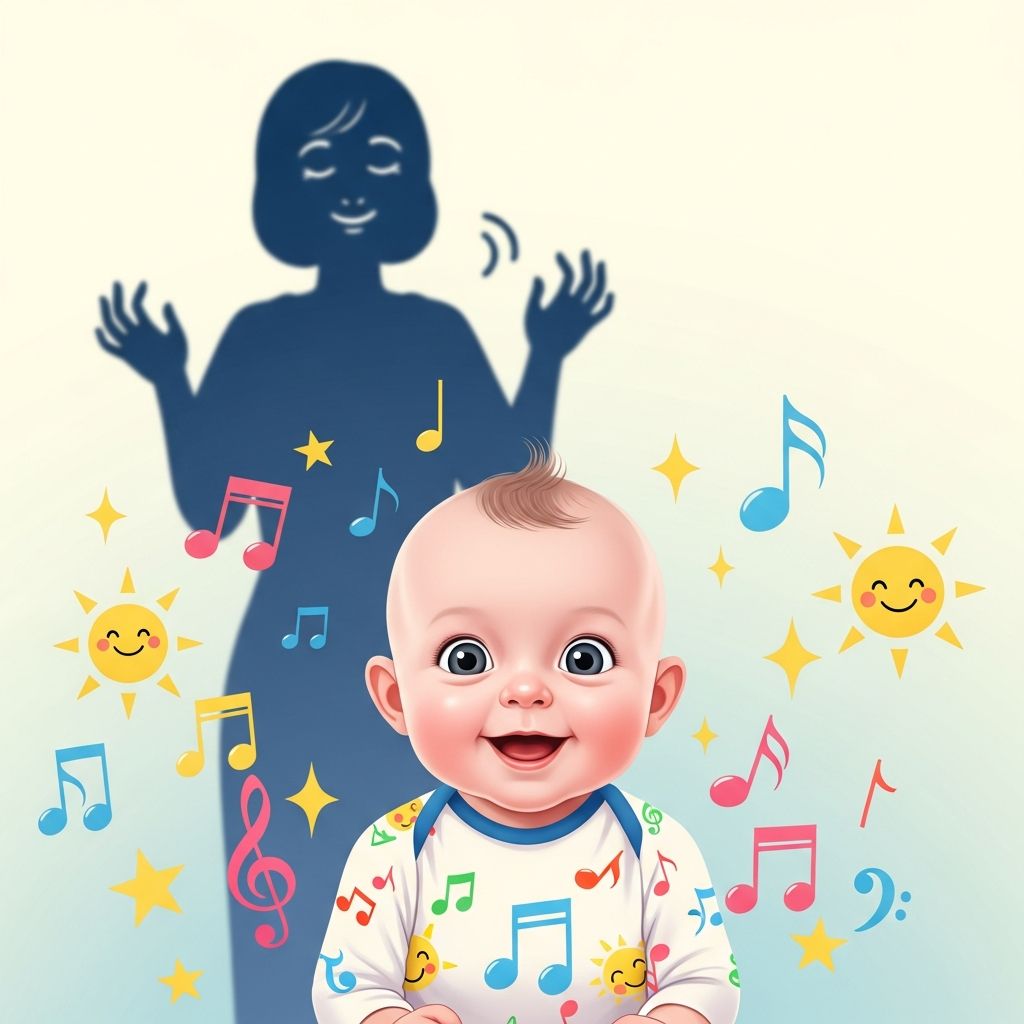
Funny baby songs are more than cute background noise; they are one of the simplest tools parents can use to calm, connect with, and teach their infants while actually having fun themselves.
With a bit of silliness, some made-up lyrics, and a willing baby audience, everyday routines like diaper changes and car rides can turn into tiny comedy concerts that support your child’s emotional and language development.
Why Babies Love Silly Songs
Infants are naturally drawn to music, especially when it comes from a familiar caregiver and includes exaggerated sounds, facial expressions, and simple patterns.
Funny songs, with their odd noises and playful rhythms, give babies something easy to follow and respond to, whether that is wide-eyed attention, smiles, or wiggly dancing.
- Repetition and rhythm help babies predict what comes next, which makes them feel safe and engaged.
- Silly sounds and exaggerated singing make your voice stand out from everyday speech, capturing your baby’s attention more fully.
- Babies feel especially connected when the song seems “just for them,” such as when you sing their name or describe what they are doing.
The Hidden Benefits Of Singing To Your Baby
Singing funny songs does not just entertain; it supports emotional regulation, social connection, and language learning at the same time.
Even very simple tunes, repeated often, can become powerful emotional anchors that help a baby calm down, anticipate routines, and feel close to their caregivers.
| Area | What Happens | How Songs Help |
|---|---|---|
| Emotional regulation | Babies feel overwhelmed and cry to signal needs. | Gentle, playful singing can lower distress and help babies settle, especially when paired with cuddling or rocking. |
| Bonding | Infants recognize and prefer familiar voices. | Hearing your singing voice over and over builds a sense of safety and deepens your connection. |
| Language | Babies learn how sounds become words long before they speak. | Rhymes, repeated phrases, and naming objects in songs expand your baby’s vocabulary and understanding. |
| Motor skills | Infants explore movement by kicking, waving, and bouncing. | Clapping, bouncing, or shaking toys to the beat strengthens coordination and body awareness. |
What Makes A Baby Song “Funny”?
A song does not need to be clever or polished to feel funny and exciting to an infant; it mostly needs to be playful, predictable, and a little bit ridiculous.
The humor for babies often lies in unexpected sounds, repeated nonsense words, and dramatic changes in your voice or expression.
Elements that usually work well:
- Goofy sound effects: Think “boop,” “zoom,” “wiggle-wiggle,” and other nonsense noises.
- Simple, repetitive lines: One or two short phrases repeated over and over.
- Big expressions: Raised eyebrows, wide eyes, and exaggerated smiles while you sing.
- Unexpected pauses: Stop suddenly, look surprised, and then burst back into the song.
- Movement punchlines: A gentle tickle, bounce, or “peekaboo” moment at the end of a phrase.
Turning Everyday Moments Into Comedy Songs
Funny songs work best when they are woven into everyday routines, so babies begin to associate specific tunes with familiar activities and feelings.
Over time, the song becomes a cue: it signals that something predictable and safe is about to happen, whether that is a diaper change, a bath, or bedtime.
1. Diaper-Change Dance Numbers
Diaper changes can feel stressful for both baby and parent, especially when there is wiggling, crying, or late-night exhaustion; funny songs can transform that tension into playful interaction.
By narrating the process in a lighthearted way, you distract your baby, keep your own mood lighter, and create a small ritual that may reduce resistance over time.
- Sing about the baby’s toes, tummy, or diaper in a mock-dramatic voice.
- Add a gentle “ta-da!” or playful sound at every big step, like removing the diaper or fastening new tabs.
- Use a silly “diaper inspection” verse where you pretend to be shocked, then relieved, then amused.
2. Bathtime Splash Songs
Bathtime is a sensory adventure, and funny songs can help babies associate warm water and new sensations with joy rather than anxiety.
Pairing a consistent song with bathtime prepares your baby for the transition and gives you a tool to soothe nervousness if the water or environment feels new.
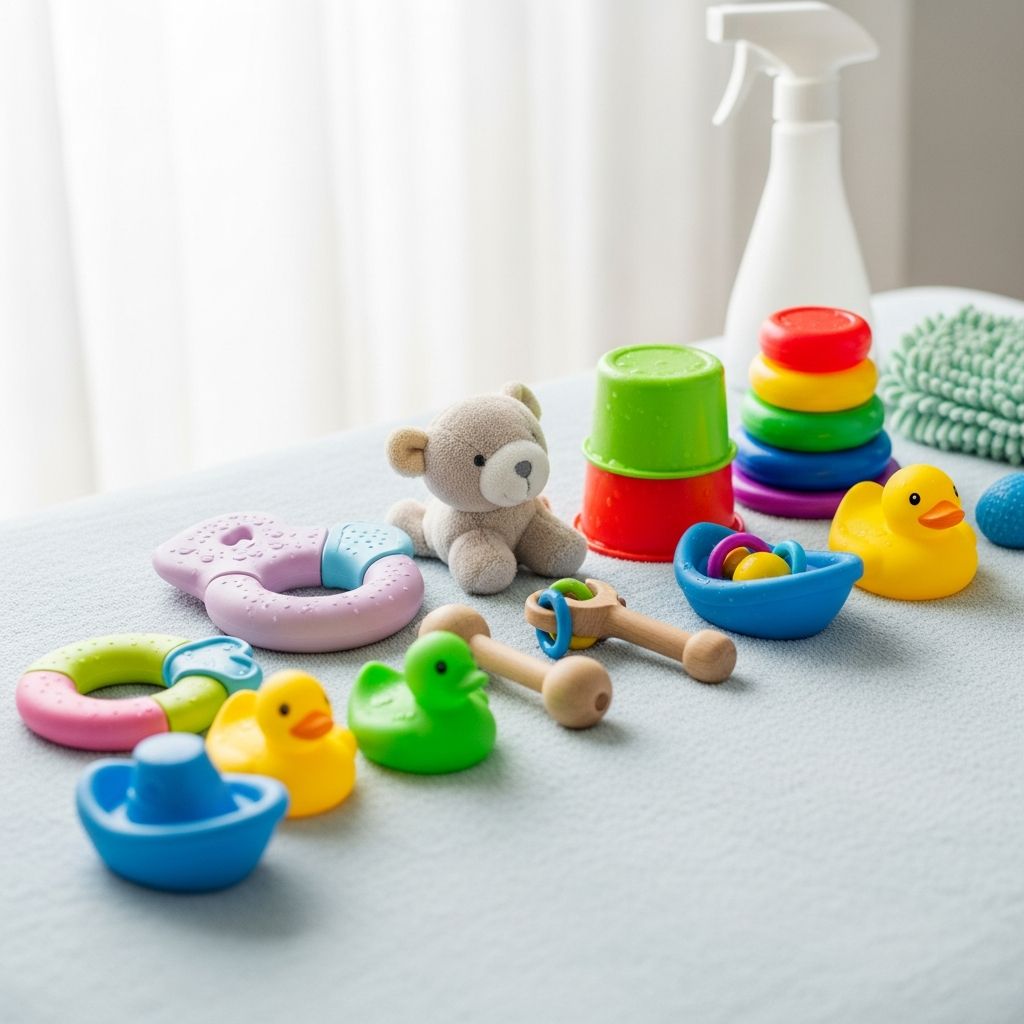
- Sing about bubbles, splashing, or “talking” bath toys in a comic voice.
- Add predictable motions, like gently lifting and splashing hands at the same part of the song each time.
- Use different voices for different toys (a squeaky duck, a serious sponge, a dramatic washcloth).
3. Car-Seat Comedy Concerts
Car rides are tough because you cannot pick up and soothe a crying baby, but your voice is always available and can travel through the whole car.
Funny car-seat songs turn a stressful drive into a small show, where rhythm, repetition, and predictable verses help settle discomfort or boredom.
- Choose one simple “car song” you always use when buckling in or starting the engine.
- Describe what you see out the window in a playful, sing-song tone (“trees,” “lights,” “cars,” etc.).
- Use call-and-response sounds, leaving a pause for your baby to squeal, babble, or kick in reply.
4. High-Energy Playtime Anthems
Funny songs are perfect for short bursts of high-energy play on the floor, in a baby seat, or during tummy time, where movement and laughter naturally fit together.
These “anthem” songs can be a cue that it is time to wiggle, kick, and explore, supporting both motor development and positive associations with physical effort.
- Create a “wiggle song” where specific words always cue certain motions, like kicking legs or waving arms.
- Use rising and falling pitches to match your baby’s movement, exaggerating your voice when they move more.
- End the song with a predictable hug, cuddle, or “ta-da!” finish.
5. Wind-Down Giggles Before Bed
While bedtime usually calls for calmer, slower songs, a short funny tune earlier in the routine can burn off extra energy and ease the transition from play to sleep.
Many parents find that a sequence of one or two lighthearted songs followed by quieter lullabies helps babies accept that the day is ending.
- Start with a gentle but upbeat “pajama song” as you get your baby ready for bed.
- Gradually lower your volume and slow your tempo as the routine continues.
- Shift from playful to soothing songs at the same point every night so your baby learns the pattern.
Simple Frameworks For Making Up Your Own Songs
You do not need musical training to create songs your baby will love; whether you sing in tune or not, your voice is uniquely meaningful to your child.
Most effective baby songs follow a simple, repeatable structure that you can adapt endlessly to different situations and moods.
The “Rename A Tune” Trick
One of the easiest methods is to take the melody of a tune you already know and swap in new, funny words that describe what is happening right now.
This keeps your brain relaxed because you do not have to invent a new rhythm; you simply hang fresh, ridiculous lyrics on a familiar structure.
- Pick a simple tune with a clear, repeating pattern.
- Replace the original words with phrases about diapers, bottles, bathwater, or your baby’s name.
- Repeat the funniest lines several times in a row for maximum baby delight.
The “Narrate The Moment” Method
Another approach is to sing what you are already saying out loud, turning routine instructions or descriptions into a sing-song “story” about your baby.
This strategy reinforces language, because your child hears everyday words and phrases wrapped in rhythm and rhyme, which makes them easier to notice and remember.
- Describe your actions (“We are lifting you up,” “We are wiping your face”) to a steady, simple beat.
- Highlight key words, like “up,” “down,” “wet,” “dry,” with extra emphasis or a silly voice.
- Add a short, recurring “chorus” line that pops up after every few phrases.
The “Sound-Effect Symphony” Game
When your brain feels too tired for full sentences, lean into pure sound effects and nonsense syllables to build a playful rhythm.
Babies often respond strongly to repeated sounds, even if they have no clear meaning, because the pattern itself becomes familiar and funny.
- Pick two or three silly sounds and repeat them in a sequence, like a verbal drumbeat.
- Match each sound to a movement, such as a gentle bounce or a tiny tickle.
- Pause suddenly now and then, making eye contact before restarting the pattern.
Using Movement, Props, And Faces To Boost The Fun
The more senses you engage, the more memorable and entertaining your baby’s song time becomes, especially in the first year of life.
Combining touch, sight, and sound in one playful package turns a simple tune into a full-body experience that encourages learning and connection.
- Movement: Gentle bouncing, rocking, or dancing with your baby in your arms or on your lap.
- Props: Soft toys, rattles, or cloths that “dance” or “talk” in time with the music.
- Facial expressions: Raised eyebrows, surprised looks, and exaggerated smiles or frowns at key points in the song.
- Touch cues: Light taps on hands or feet when specific words or sounds come around.
Frequently Asked Questions About Funny Baby Songs
Do I need to be a good singer for songs to help my baby?
No. Babies care far more about familiarity and emotional warmth than about musical perfection, and they naturally prefer the voices of their caregivers.
What matters most is that you sing often, respond to your baby’s reactions, and use your voice consistently during comforting, playful moments.
Can silly songs really calm a crying baby?
Singing can reduce infant distress and support emotional regulation more effectively than speaking alone in many situations.
While no strategy works every time, a familiar funny song paired with gentle touch and responsive caregiving can become a powerful, soothing routine for many babies.
How early should I start singing to my baby?
Parents can sing to babies even before birth, and research suggests that fetuses respond to music and later recognize familiar tunes after they are born.
After birth, regular singing continues to support bonding, calmness, and learning from the newborn period onward.
Are funny songs too stimulating before sleep?
High-energy songs can be stimulating if used right before sleep, which is why many parents find it helpful to place playful tunes earlier in the bedtime routine.
Ending the evening with slower, gentler songs helps babies shift from excitement to relaxation while still enjoying the comfort of familiar melodies.
What if my baby seems uninterested?
Babies have different temperaments, and some show quieter responses to music, such as slower breathing, soft eye contact, or relaxed body posture instead of big smiles.
Try adjusting your volume, tempo, distance, or type of song, and give your baby time to learn the pattern before deciding whether a particular tune works.
Quick Tips For Parents Who Feel “Musically Awkward”
Many adults hesitate to sing because they feel self-conscious, but for your baby, your voice is already their favorite soundtrack.
Letting go of perfection and embracing silliness makes song time enjoyable for you as well, which further boosts the positive emotional atmosphere your baby absorbs.
- Keep songs short and repetitive so you do not have to remember complex lyrics.
- Use the same tune in multiple situations, just changing a word or two.
- Focus on eye contact and touch rather than “getting the notes right.”
- Invite partners, siblings, or grandparents to create their own funny songs too.
Bringing Humor Into Everyday Parenting
Funny baby songs are a simple, flexible way to add lightness to the repetitive, tiring parts of early parenthood while still supporting your child’s growth.
By turning routines into musical mini-shows, you build family traditions, strengthen your bond, and give your baby an early sense that the world is a playful, responsive place.