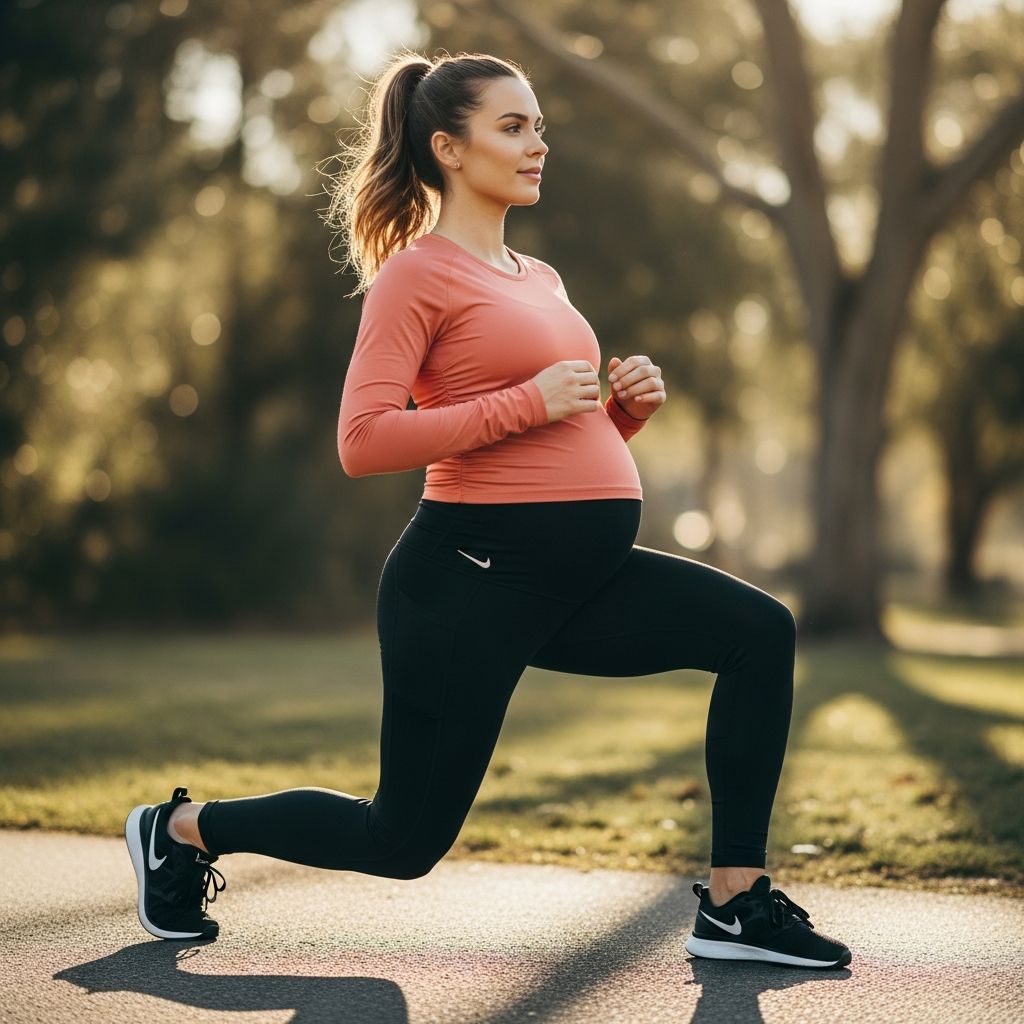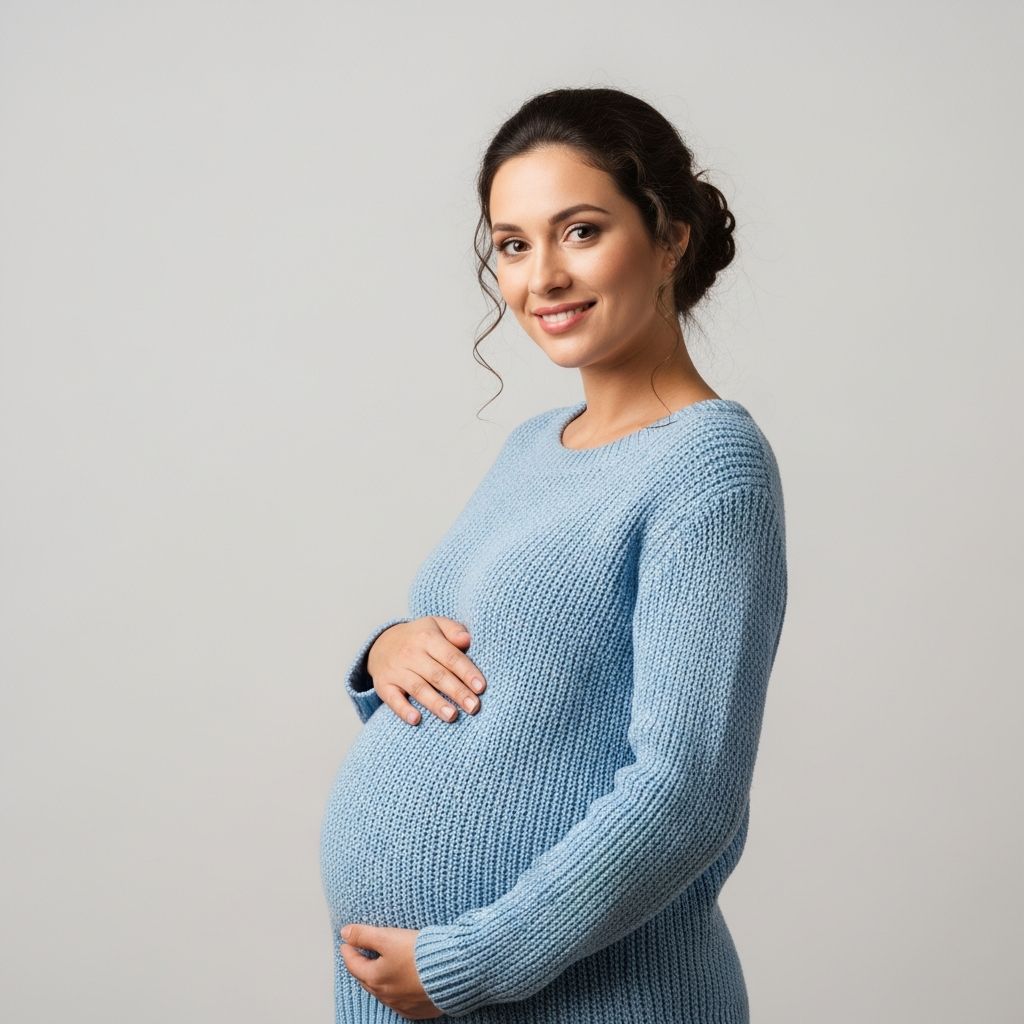
Every pregnancy is a unique journey, and one of the most visible signs of this miracle is the baby bump. As women reach full term—typically around 39 to 42 weeks—their bellies showcase an astonishing array of shapes, sizes, and positions. Far from the uniform, perfectly rounded ideals often portrayed in media, real-life full-term pregnancy bellies reflect the diversity of human bodies, lifestyles, and genetic makeups. This article delves into the natural variations of these bellies, drawing inspiration from countless real stories to celebrate authenticity and provide reassurance for expectant mothers.
Understanding the Spectrum of Baby Bump Shapes
Full-term bellies can range from compact and low-hanging to high and protruding, basketball-like orbs. Several factors contribute to these differences, including the mother’s height, body type, muscle tone, the baby’s position, and even the number of pregnancies.
- High vs. Low Carriers: Taller women or those with stronger abdominal muscles often carry higher, creating a more upright silhouette. Shorter frames or relaxed ligaments may result in a lower, more forward projection.
- Wide vs. Narrow: Multiples or babies in transverse positions can widen the belly, while singleton posterior babies might elongate it vertically.
- Pointy vs. Smooth: A frank breech or active kicker can give a pointed appearance, whereas a nestled anterior baby smooths out the contours.
These variations are entirely normal. Studies from the American College of Obstetricians and Gynecologists (ACOG) emphasize that fundal height—measured from the pubic bone to the top of the uterus—varies by up to 4 centimeters at term without indicating issues, as long as fetal movement and growth are monitored.
Factors Shaping Your Full-Term Belly
What determines how your belly looks at full term? Let’s break it down.
Maternal Build and Genetics
Women with narrower pelvises may see their bumps protrude more prominently, while those with wider hips distribute the weight broader. Genetic predispositions play a role too; if your mother or sisters carried low, you might follow suit.
Baby’s Size and Position
A larger baby (over 8 pounds) stretches the abdomen more, often creating a fuller, rounder shape. Position matters immensely: occiput anterior (head down, facing your back) typically yields the classic round bump, while occiput posterior can make it appear smaller or uneven.
Lifestyle Influences
Regular exercise strengthens the core, potentially keeping the bump higher. Conversely, conditions like diastasis recti—separation of abdominal muscles—affect up to 60% of pregnant women and can lead to a coning or domed appearance.
| Factor | Impact on Bump Shape | Example |
|---|---|---|
| Height | Taller: Higher carry; Shorter: Lower carry | 5’10” mom vs. 5’2″ mom |
| Muscle Tone | Strong: Compact; Weak: Spread out | Yoga practitioner vs. sedentary |
| Parity (Pregnancies) | First: Tight; Subsequent: Looser | Primipara vs. multipara |
| Amniotic Fluid | High: Larger; Low: Smaller | Polyhydramnios vs. oligohydramnios |
Real Stories: Celebrating Varied Full-Term Looks
Across the globe, mothers share their 40-week bellies, proving no two are alike. Imagine a petite woman whose bump seems impossibly huge, defying physics, or an athletic build carrying so low it brushes the thighs. These stories normalize the spectrum.
One common theme: societal pressure to match ‘perfect’ images leads to unnecessary anxiety. Yet, communities online and in clinics affirm that as long as ultrasounds confirm healthy growth, the external shape is cosmetic.
Comfort Tips for Late Pregnancy
With full-term bellies come discomforts like back pain, heartburn, and waddling gaits. Here are evidence-based strategies:
- Support Garments: Maternity belts reduce lumbar strain by 30%, per a Journal of Obstetrics study.
- Posture Practice: Pelvic tilts and cat-cow yoga poses align the pelvis.
- Hydration and Movement: Walking 30 minutes daily eases swelling and promotes descent.
- Sleep Aids: Pregnancy pillows cradle the bump, improving sleep quality.
Health Indicators Beyond Appearance
A bump’s look doesn’t dictate health. Key checks include:
- Regular kick counts: 10 movements in 2 hours.
- Fundal height measurements aligning with gestational age.
- Non-stress tests for heart rate patterns.
The World Health Organization (WHO) recommends monitoring these over aesthetics, as visual size correlates poorly with fetal well-being.
Debunking Common Full-Term Bump Myths
- Myth: Big bump = Big baby. Not true; fluid and position inflate size.
- Myth: Pointy bump = Breech. Many pointy bellies house vertex babies.
- Myth: Small bump = Failure to thrive. Short moms or posterior babies often appear smaller.
Frequently Asked Questions
Why does my full-term bump look different from my friends’?
Individual anatomy, baby position, and pregnancy number create unique shapes. Diversity is normal.
Is a low-hanging belly a problem at 40 weeks?
No, if baby is engaged and healthy. It often signals labor readiness.
Can exercise change my bump shape?
Strengthening core muscles may keep it higher and firmer, but genetics dominate.
Should I worry if my belly measures small?
Consult your provider for ultrasound, but many small bumps are healthy.
How do I prepare my body for birth with a big bump?
Focus on perineal massage, squats, and relaxation techniques to ease delivery.
Embracing Your Unique Pregnancy Journey
Full-term bellies are badges of honor, each telling a story of growth and resilience. By sharing and viewing real examples, expectant mothers gain confidence. Remember, the beauty lies in the diversity—your bump is perfect as is.
(Word count: 1678)
References
- 38 Week Bump Gallery – Pregnancy in Pictures — MadeForMums. 2023-05-15. https://www.madeformums.com/pregnancy/38-week-bump-gallery-pregnancy-in-pictures/
- Uniquely Beautiful: 30 Baby Bumps at 30 Weeks — Southern Chick Journal. 2018-04-16. https://www.southernchickjournal.com/2018/04/16/uniquely-beautiful-30-baby-bumps-at-30-weeks/
- Practice Bulletin No. 204: Fetal Growth Restriction — American College of Obstetricians and Gynecologists (ACOG). 2021-02-01. https://www.acog.org/clinical/clinical-guidance/practice-bulletin/articles/2019/02/fetal-growth-restriction
- WHO Recommendations on Antenatal Care for a Positive Pregnancy Experience — World Health Organization (WHO). 2016-11-07. https://www.who.int/publications/i/item/9789241549912
- Diastasis Recti During Pregnancy — Mayo Clinic. 2024-01-12. https://www.mayoclinic.org/healthy-lifestyle/pregnancy-week-by-week/expert-answers/diastasis-recti/faq-20057843