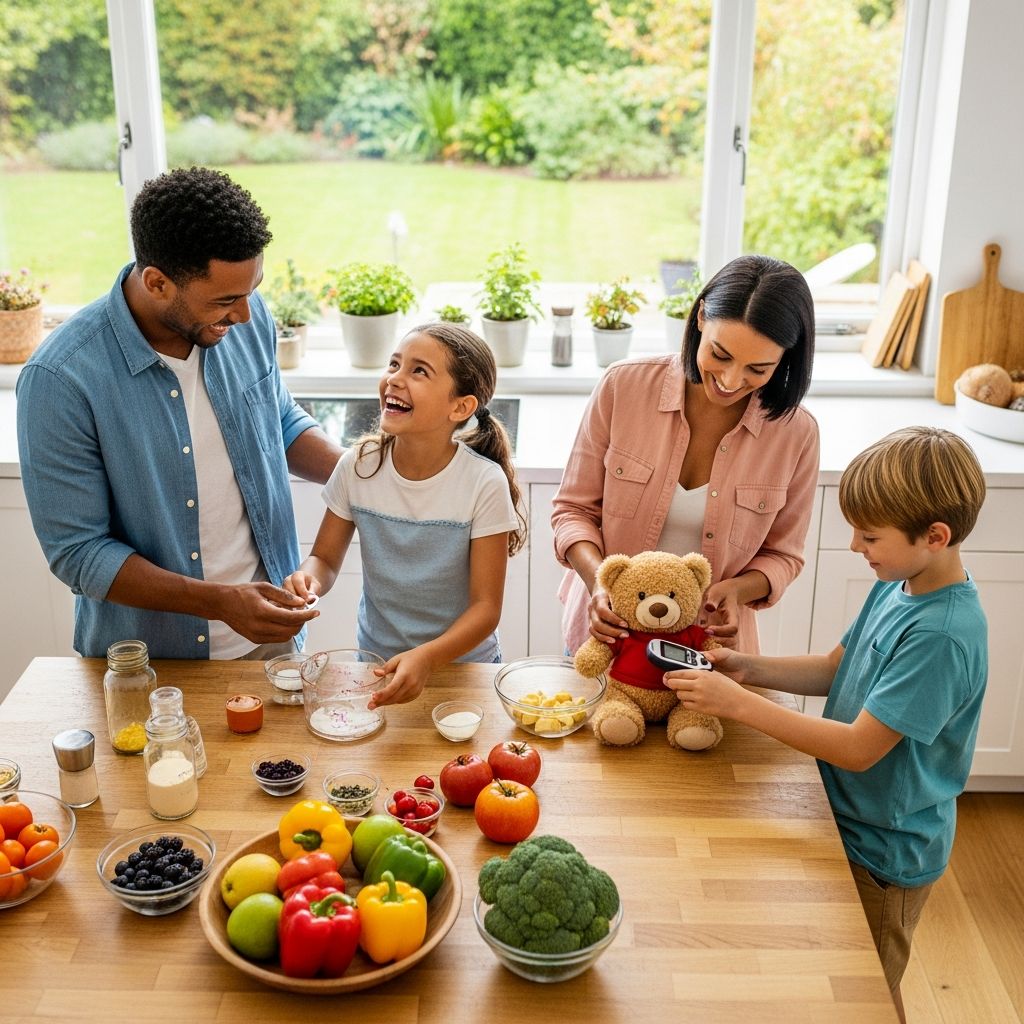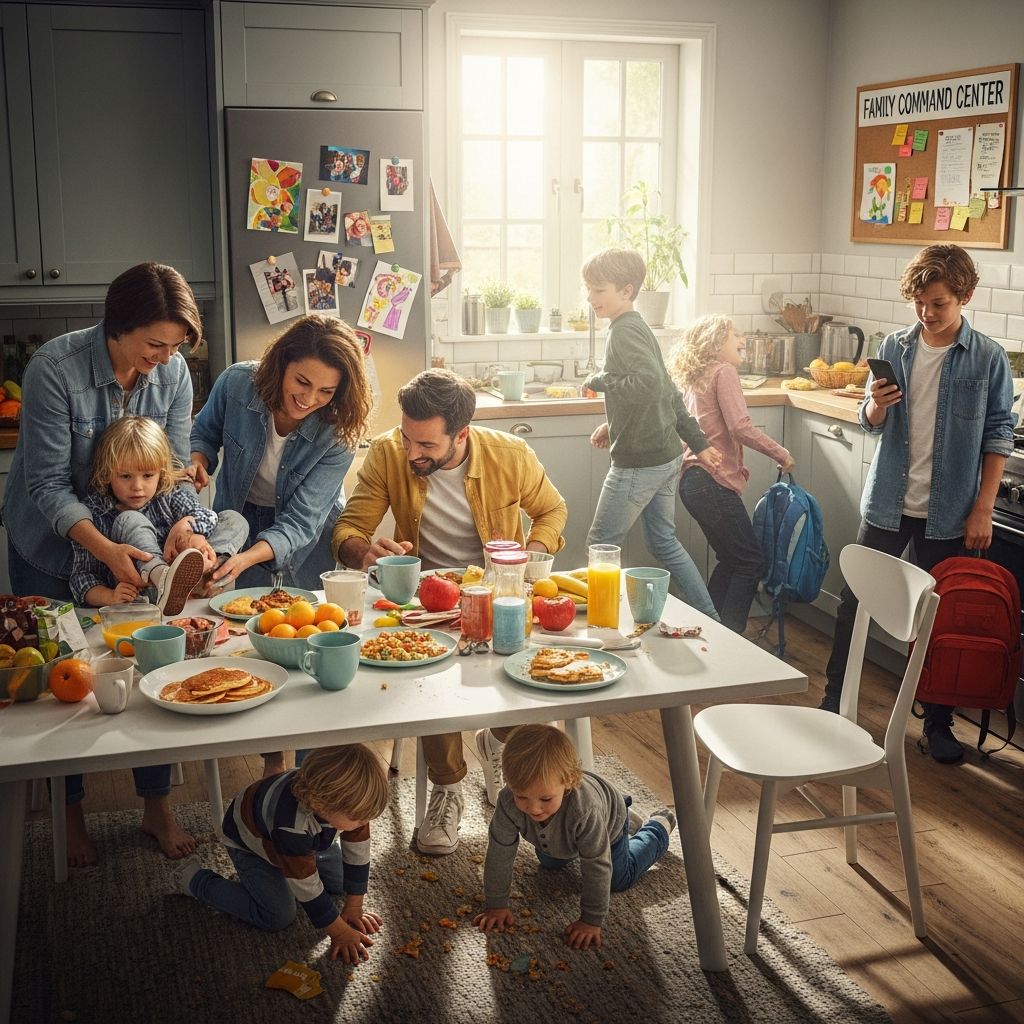
The holiday season promises magic, but for many parents it also brings exhaustion, tears, and power struggles. This guide shows how to use peaceful parenting to move through the holidays with more calm, cooperation, and genuine joy for the whole family.
Why Holidays Feel So Hard For Families
Holidays disrupt everything children usually rely on: regular routines, familiar environments, predictable people, and manageable expectations. When that foundation disappears, many kids express their stress through clinginess, whining, resistance, and meltdowns.
Parents are often overloaded too—managing logistics, finances, visitors, and extended family dynamics—so their own stress levels make it harder to respond calmly. Recognizing that everyone’s nervous system is under pressure helps you approach misbehavior as a signal of overwhelm rather than defiance.
Core Peaceful Parenting Principles For The Holidays
Peaceful parenting is not about perfect behavior; it is about strong connection, clear limits, and emotional safety. Keeping a few core principles in mind can transform holiday conflicts into opportunities to build resilience and trust.
- Connection before correction: Kids cooperate more when they feel seen, safe, and valued.
- Behavior as communication: Meltdowns signal “I’m overwhelmed,” not “I’m bad.”
- Calm is contagious: Your regulated nervous system helps your child regulate theirs.
- Limits with empathy: You can say “no” firmly while still honoring your child’s feelings.
Planning A Child-Friendly Holiday Season
A smoother holiday starts long before the first party or trip. Thoughtful planning reduces last-minute chaos and gives children the predictability they need to stay grounded.
Step 1: Clarify What Matters Most
Instead of trying to “do it all,” choose what truly makes the season meaningful for your family. Let your values—not social pressure—shape your schedule and traditions.
- List the top 3 things that matter to you (for example: connection, rest, one special tradition).
- Let go of activities that add stress but little joy (extra parties, elaborate crafts, excessive gifts).
- Share your priorities with your partner or co-parent so you can stay aligned when plans get busy.
Step 2: Design A “Good-Enough” Holiday Routine
Children do best when there is at least a loose rhythm to the day, even when you are traveling or visiting others. You do not need a strict schedule, but a few predictable anchors can make a huge difference.
- Keep sleep and meal times as consistent as possible.
- Protect one daily “connection ritual” (story time, bedtime chat, morning cuddle on the couch).
- Block off daily quiet time—even 20 minutes—to reset nervous systems.
Holiday Stress Triggers For Kids (And What To Do)
Certain holiday conditions almost guarantee bigger emotions and trickier behavior. When you can anticipate these triggers, you can prevent many blowups and respond more compassionately to the rest.
| Trigger | What Kids Experience | Supportive Parent Response |
|---|---|---|
| Over-scheduling | Exhaustion, irritability, resistance | Reduce activities, schedule downtime, leave events early if needed |
| Sugar and rich foods | Energy spikes, crashes, emotional roller-coaster | Offer protein and water, keep treats predictable, avoid using food as reward |
| Crowds and noise | Sensory overload, clinginess, shut-down or hyper | Plan breaks, create a quiet retreat spot, stay physically close |
| New people and places | Shyness, anxiety, refusal to participate | Prepare in advance, allow warm-up time, never force physical affection |
| Unclear expectations | Confusion, “misbehavior,” power struggles | Explain plans simply, set limits ahead of time, repeat calmly |
Preparing Kids Before Events And Gatherings
Many conflicts can be softened or avoided if children understand what is coming and what is expected of them. Think of this as giving them an emotional map for the day rather than springing surprises.
Use Simple, Predictable Previews
Before an event, walk your child through the sequence in concrete language. Younger kids benefit from very short, visual explanations, while older kids may appreciate more detail and collaboration.
- Describe the basic order: “First we drive, then we say hello, then we eat, then we play.”
- Explain any key rules ahead of time (for example: staying in the yard, checking in before more dessert).
- Invite questions or worries: “Is there anything you’re nervous or curious about?”
Create Family Signals And Exit Plans
Kids feel more secure when they know how to get help or take a break without embarrassment. Simple plans also help you leave gracefully when your child is clearly done.
- Choose a quiet signal (a hand squeeze, a code word) that means “I need a break.”
- Pick a calm-down spot at each location (spare room, car, porch, quiet corner).
- Agree that leaving early is allowed if their body and brain feel “too full.”
Handling Meltdowns With Calm And Compassion
Even with excellent planning, holiday meltdowns will happen. Your goal is not to stop big feelings but to help your child move through them safely and to repair any ruptures between you.
In The Heat Of The Moment
When a meltdown starts, logic and lectures will not work because your child’s brain is in fight-or-flight mode. What helps most is your calm presence, simple language, and a safe space for the storm of feelings to pass.
- Focus on safety first: remove dangerous objects or gently move to a quieter spot.
- Stay close and grounded; breathe slowly and deeply to steady your own nervous system.
- Use brief, soothing phrases: “You are safe. I’m here. Your feelings are okay.”
After The Storm: Repair And Reflect
Once everyone is calm, you can revisit what happened in a way that teaches emotional skills and problem-solving. This step helps children learn from difficult moments instead of feeling ashamed or rejected.
- Offer a warm reconnection first: a hug, a cuddle, or playful contact.
- Describe the situation neutrally: “You really wanted to keep playing, and it was hard to stop.”
- Brainstorm together: “What could we try next time when it’s hard to leave?”
Setting Limits Kindly With Kids
Holidays can tempt adults to relax every boundary or, in frustration, swing to harsh consequences. Peaceful parenting uses firm, consistent limits delivered with empathy rather than fear.
- State the limit clearly and briefly: “Gifts stay on the table until after dinner.”
- Validate the feeling: “It’s really hard to wait when you’re excited.”
- Offer a choice within the limit: “You can sit next to me or help set the table while we wait.”
- Follow through calmly; do not add shame, threats, or long lectures.
Navigating Extended Family Expectations
Relatives may have strong opinions about discipline, food, screens, or how children “should” behave. Holding your peaceful parenting values in the face of criticism is challenging but deeply worthwhile.
Protecting Your Child’s Emotional Safety
Your primary responsibility is your child’s well-being, not other adults’ approval. When relatives push for things that conflict with your values, you can maintain boundaries respectfully.
- Decide non-negotiables in advance (for example: no forced hugs, no shaming comments).
- Use calm, firm language: “In our family, we don’t force physical affection. A wave or high five is fine.”
- Redirect criticism: “We’re trying something different with discipline. We can talk about it another time.”
Balancing Traditions And Your Child’s Needs
Long-standing traditions can be beautiful, but they may need gentle adjustment when young children are involved. You can honor the spirit of a tradition while still prioritizing rest and regulation.
- Shorten events (for example: come for dessert, not the entire evening).
- Offer alternatives (lighting one candle at home instead of attending a late ceremony).
- Explain changes as a phase: “While the kids are little, we’re keeping things simpler so everyone can enjoy them.”
Gifts, Gratitude, And Managing “More, More, More”
The culture of the holidays often pushes children toward wanting more: more presents, more treats, more attention. Instead of shaming kids for this, you can use the season to nurture gratitude, generosity, and realistic expectations.
Before The Gifts
Clear communication about presents helps reduce disappointment and comparison. It also gives you permission to step off the treadmill of endless shopping.
- Explain that gifts may be big or small and that love is not measured by quantity.
- Consider a simple framework (for example: “something to wear, something to read, something you want, something you need”).
- Prepare kids to see others receive different gifts without assuming unfairness.
Teaching Gratitude And Generosity
Gratitude grows from experience, not from lectures. Involving children in giving and helping makes the holidays feel richer and more meaningful.
- Invite kids to help choose or make simple gifts for relatives or friends.
- Encourage small acts of kindness: drawing cards, delivering cookies, helping set up chairs.
- Model appreciation out loud: “Grandma worked hard cooking this meal. I feel thankful we can enjoy it together.”
Traveling With Children: Staying Sane On The Move
Travel adds another layer of challenge: long stretches of sitting, unfamiliar bathrooms, delays, and cramped spaces. A little preparation can turn travel from a battle into an adventure you navigate together.
Before You Leave
Kids handle travel better when they know what the journey will look like and what tools they will have to cope.
- Describe the plan: “We’ll drive for a while, stop to stretch, then drive again.”
- Pack a small “comfort kit”: favorite toy, blanket, headphones, snacks, and a water bottle.
- Set expectations for screens, snacks, and seat belts before you get in the car or on the plane.
On The Road Or In The Air
Movement, novelty, and connection are your best tools for preventing travel meltdowns. Flexibility is more helpful than rigid rules during long journeys.
- Build in breaks for movement whenever possible.
- Use simple games (I-spy, stories, guessing games) to pass time and connect.
- Offer frequent snacks and water to avoid hunger-related meltdowns.
Protecting Your Own Well-Being
Peaceful parenting is much harder when you are stretched beyond your limits. Taking care of yourself is not selfish; it is an investment in your capacity to show up calmly for your children.
- Say “no” to events that will clearly overwhelm your family.
- Delegate tasks instead of silently carrying everything yourself.
- Keep one simple daily practice just for you (walk, journaling, quiet tea, a brief stretch).
Frequently Asked Questions (FAQs)
How do I handle relatives who criticize my gentle approach?
Stay anchored in your values and remember that you do not need to convince anyone in the moment. Thank them for caring, briefly state that you are parenting in a way that works for your family, and redirect the conversation.
What if my child melts down in front of everyone?
Focus on your child, not the audience. Stay as calm as you can, move them to a quieter space if possible, and offer comfort and safety rather than punishment.
Is it okay to change traditions if they are too stressful?
Yes. Traditions are meant to serve your family, not the other way around. You can pause, simplify, or reinvent them in ways that honor both your heritage and your children’s needs.
How can I encourage gratitude without shaming my child?
Model gratitude consistently and invite participation in giving and helping. Avoid comparing your child to others; instead, notice and gently highlight moments when they show appreciation or kindness.
What if my partner does not share my peaceful parenting approach?
Choose calm moments away from the kids to discuss your goals and concerns. Share resources, agree on a few key non-negotiables, and look for small areas where you can experiment together, rather than expecting instant full alignment.
Creating A Holiday Season You Actually Enjoy
When you center connection, realistic expectations, and emotional safety, the holidays become less about performing and more about belonging. You will still have messy moments, but you and your children will move through them feeling like you are on the same team.
A calmer season does not require perfect behavior or perfect planning. It simply asks that you slow down enough to notice what your child’s behavior is telling you and to respond with as much empathy, structure, and presence as you can muster—one moment at a time.