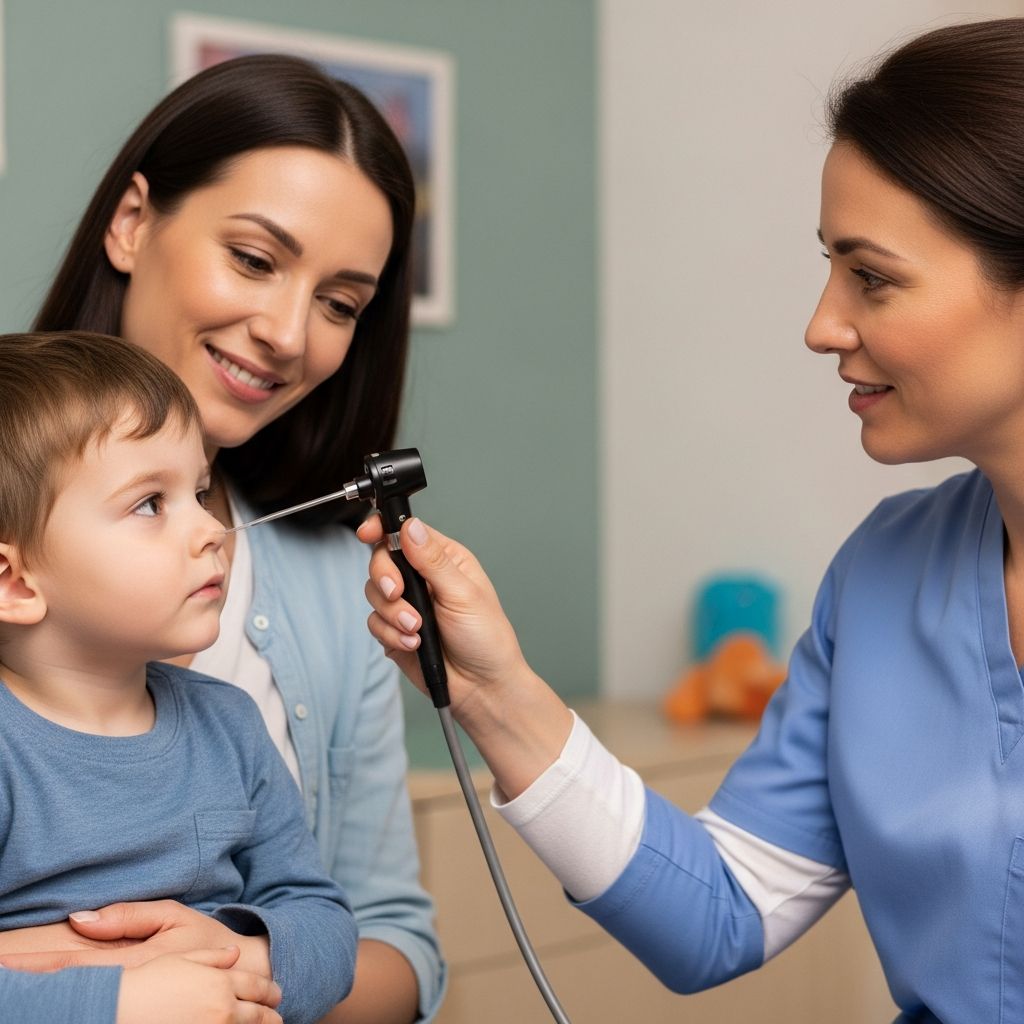
The follicle-stimulating hormone (FSH) blood test is a vital diagnostic tool used to evaluate hormonal balance in children, particularly concerning puberty development and reproductive health. Produced by the pituitary gland, FSH plays a crucial role in stimulating the growth of ovarian follicles in girls and sperm production in boys.
Understanding Follicle-Stimulating Hormone and Its Role in Kids
FSH is one of the key gonadotropins released by the pituitary gland in response to signals from the hypothalamus via gonadotropin-releasing hormone (GnRH). In prepubertal children, FSH levels remain low to support minimal reproductive activity. As puberty nears, typically between ages 10 and 14, rising GnRH triggers increased FSH and luteinizing hormone (LH) secretion, initiating physical changes like breast development in girls and testicular enlargement in boys.
In girls, FSH promotes the maturation of ovarian follicles, leading to estrogen production that drives secondary sexual characteristics. In boys, it supports Sertoli cells in the testes, essential for spermatogenesis. Disruptions in FSH can signal issues in the hypothalamic-pituitary-gonadal axis, making this test indispensable for pediatric endocrinologists.
When Do Doctors Recommend an FSH Test for Children?
Pediatricians order FSH tests primarily when children show signs of atypical puberty. Precocious puberty, where sexual characteristics appear before age 8 in girls or 9 in boys, may prompt testing to identify elevated FSH indicating early gonadal activation. Conversely, delayed puberty—lack of development by age 13 in girls or 14 in boys—could reveal low FSH due to pituitary or hypothalamic dysfunction.
- Precocious puberty evaluation: High FSH suggests central causes like tumors or idiopathic activation.
- Delayed puberty assessment: Low levels may point to hypogonadotropic hypogonadism.
- Structural abnormalities: Testing for undescended testes, ovarian dysgenesis, or pituitary lesions.
- Accompanying symptoms: Growth spurts mismatches, short stature, or menstrual irregularities in older children.
Other indications include monitoring chronic conditions like Klinefelter syndrome or Turner syndrome, where FSH elevations signal gonadal failure.
How the FSH Blood Test Procedure Works for Kids
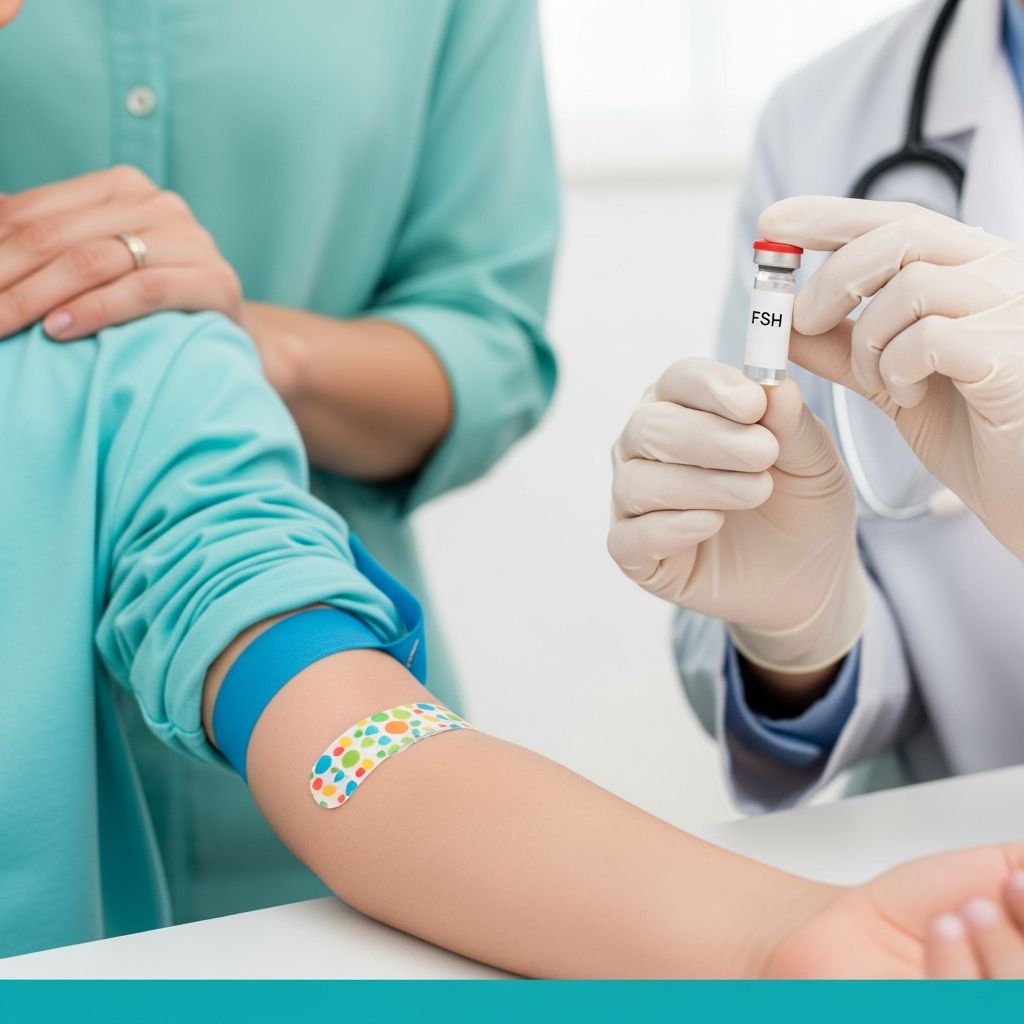
The procedure is straightforward and mirrors standard venipuncture. A phlebotomist cleans the arm, applies a tourniquet, and inserts a needle into a vein, usually in the elbow crook, drawing 2-5 mL of blood. The process lasts under 5 minutes, with minimal discomfort from the needle prick.
Preparation is key for anxious children:
- Explain the steps using age-appropriate language and books on medical visits.
- Practice deep breathing or distraction techniques like counting or storytelling.
- Schedule morning appointments when cortisol (a stress hormone) is naturally higher, potentially stabilizing results.
- No fasting is typically required, but confirm with the lab.
Post-draw, apply pressure to stop bleeding and offer comfort. Results arrive in 1-3 days, analyzed via immunoassay methods like IMMULITE systems with high sensitivity (0.1 mIU/mL).
Normal FSH Levels: Age and Sex Variations
FSH reference ranges vary significantly by age, sex, and pubertal stage. Prepubertal levels are low, rising during puberty and stabilizing in adulthood. These values are derived from large pediatric cohorts, accounting for ethnic and methodological differences.
| Group | FSH Range (mIU/mL) | Notes |
|---|---|---|
| Males: Prepuberty | 0 – 5.0 | Low until puberty onset |
| Males: Puberty | 0.3 – 10.0 | Increases with testicular growth |
| Males: Adult | 1.5 – 12.4 | Stable post-puberty |
| Females: Prepuberty | 0 – 4.0 | Minimal activity |
| Females: Puberty | 0.3 – 10.0 | Peaks mid-cycle equivalent |
| Females: Menstruating | 4.7 – 21.5 | Cycles influence |
| Females: Post-menopause | 25.8 – 134.8 | Relevance for older diagnostics |
These ranges are from UCSF Benioff Children’s guidelines; labs may adjust slightly based on assays. Pediatric intervals often stratify by Tanner stages for precision.
Interpreting Abnormal FSH Results in Children
Deviations guide diagnosis:
High FSH: Indicates primary gonadal failure, where testes/ovaries don’t respond, prompting pituitary compensation. Causes include genetic disorders (e.g., Klinefelter in boys), chemotherapy damage, or radiation. In precocious puberty, it confirms gonadal maturity.
Low FSH: Suggests secondary issues like pituitary tumors, hypopituitarism, or chronic illness suppressing GnRH. Common in delayed puberty.
Contextual factors: Stress elevates levels temporarily; medications like steroids suppress them. Always pair with LH, estradiol/testosterone, and imaging (MRI/ultrasound).
Related Tests and Comprehensive Evaluation
FSH rarely stands alone. Complementary tests include:
- LH: Parallels FSH in pubertal surges.
- GnRH stimulation test: Injects leuprolide; measures response for pituitary function.
- Sex steroids: Estradiol (girls), testosterone (boys).
- Thyroid panel: Rules out endocrine overlaps.
- Bone age X-ray: Assesses skeletal maturity.
A full panel provides the hypothalamic-pituitary-gonadal axis snapshot, essential for tailored interventions like hormone therapy.
Potential Risks and Considerations
Risks are minimal: bruising, fainting (rare in kids), infection (<0.1%). Accuracy hinges on proper timing—random for kids, but cycle-day specific for menstruating teens. Ethnic variations exist; African American cohorts show similar ranges but higher cortisol in illness.
Treatment Pathways After FSH Testing
Results dictate management:
- Precocious puberty: GnRH analogs to halt progression.
- Delayed puberty: Low-dose sex steroids or recombinant gonadotropins.
- Gonadal failure: Hormone replacement, fertility counseling later.
Multidisciplinary care involves endocrinologists, psychologists for body image, and geneticists if needed.
Frequently Asked Questions (FAQs)
Why might my child’s FSH be high?
High FSH often signals gonadal resistance or damage, common in genetic conditions or after cancer treatments.
Is fasting needed for a pediatric FSH test?
No, fasting isn’t required unless combined with glucose tests.
How accurate are FSH results in young children?
Highly accurate with modern assays, but interpret with clinical context and pubertal staging.
Can stress affect FSH levels?
Yes, acute stress raises levels via cortisol crosstalk.
What if my child fears needles?
Use numbing cream, distraction, or child life specialists.
Does FSH testing hurt?
Brief pinch; most kids tolerate well with preparation.
Empowering Parents: Next Steps Post-Testing
Discuss results promptly with your pediatrician. Track growth, symptoms, and family history. Early intervention optimizes outcomes, preventing psychosocial impacts of puberty disorders. Regular follow-ups ensure progress.
This test demystifies hormonal puzzles, guiding families toward health. Consult specialists for personalized advice.
References
- Pediatric reference intervals for FSH, LH, estradiol, T3, free T3… — PMC/NCBI. 2013-04-25. https://pmc.ncbi.nlm.nih.gov/articles/PMC3636986/
- Book Follicle Stimulating Hormone (FSH) Test Near Me — LabFinder. Accessed 2026. https://www.labfinder.com/blood-test/follicle-stimulating-hormone-fsh/
- Follicle-stimulating hormone (FSH) blood test — UCSF Benioff Children’s Hospitals. Accessed 2026. https://www.ucsfbenioffchildrens.org/medical-tests/follicle-stimulating-hormone-(fsh)-blood-test
- Follicle-Stimulating Hormone (FSH): What It Is & Function — Cleveland Clinic. 2023-08-28. https://my.clevelandclinic.org/health/articles/24638-follicle-stimulating-hormone-fsh
- Blood Test: Follicle Stimulating Hormone (FSH) — Nemours KidsHealth. Accessed 2026. https://kidshealth.org/en/parents/blood-test-fsh.html
- Diagnosing Disorders of Puberty — NYU Langone Health. Accessed 2026. https://nyulangone.org/conditions/disorders-of-puberty/diagnosis