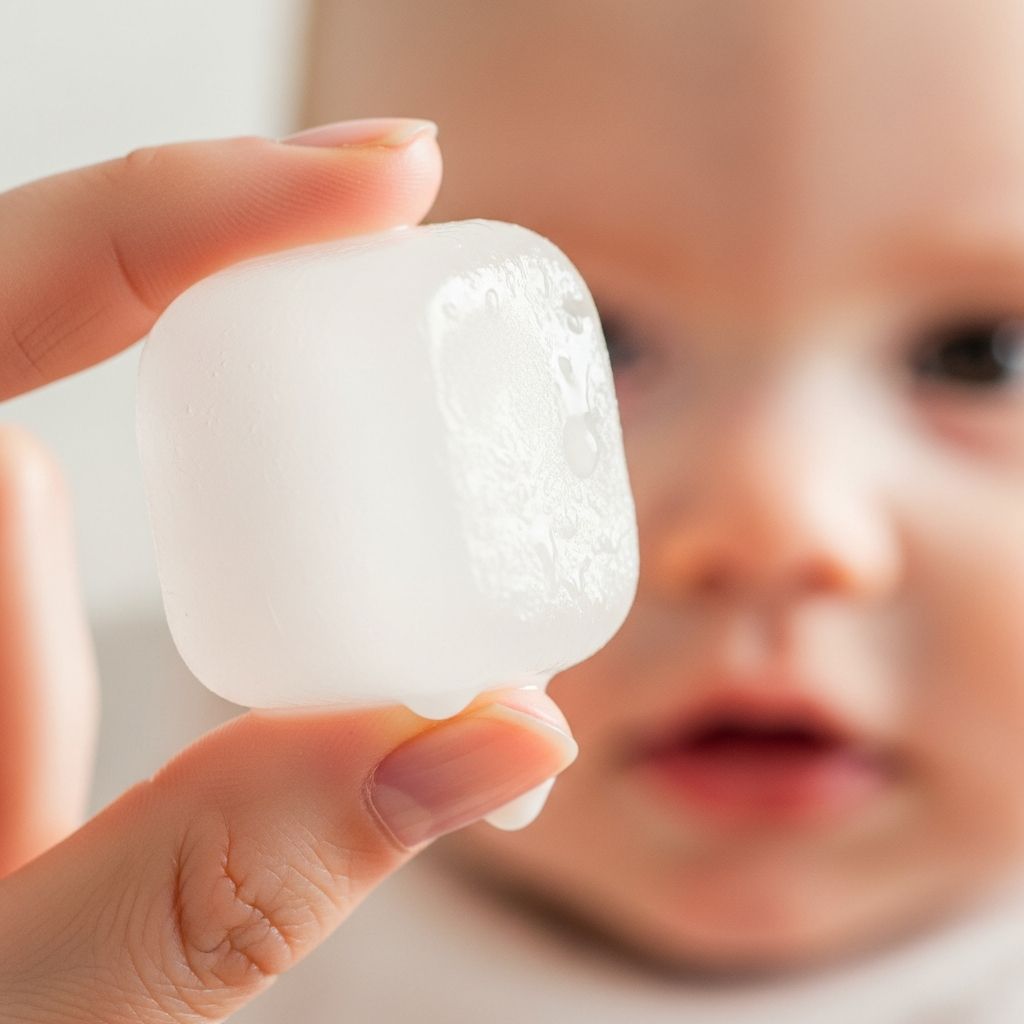
Teething can turn even the happiest baby into a restless, drooling, and uncomfortable little person. Many parents look for gentle, low-risk options before using medication, and one creative solution is to use frozen breast milk as a soothing, nourishing teething aid.
Why Teething Feels So Tough for Babies
When teeth begin to push through the gums, the surrounding tissue becomes swollen, tender, and inflamed. This can lead to fussiness, disrupted sleep, excessive drooling, and a strong desire to chew or bite on anything within reach. While teething is a normal developmental stage, it often feels overwhelming for both babies and caregivers.
Cold pressure on the gums can temporarily numb discomfort and reduce inflammation. That is why many pediatric experts recommend cool—not rock-hard frozen—toys, washcloths, or food-safe options that babies can safely chew and suck on under supervision.
How Frozen Breast Milk Helps Soothe Sore Gums
Breast milk already provides nutrition, antibodies, and comfort during feeding. Turning it into a chilled or gently frozen treat can combine the emotional reassurance of breastfeeding with the pain-relieving benefits of cold therapy.
- Cooling effect: Cold or semi-frozen milk lightly numbs the gums and may ease inflammation.
- Familiar taste and smell: Because it is your milk, babies often accept it more readily than unfamiliar teethers or food.
- Hydration and calories: A teething baby who is too uncomfortable to nurse vigorously can still get fluids and energy while soothing their gums.
- Gentle comfort: The sucking motion itself is calming for many infants and can help them settle during fussy periods.
Safe Ways to Offer Frozen Breast Milk for Teething
There are several parent-friendly methods to use breast milk for teething. The key is to prioritize safety, minimize choking risks, and avoid extreme cold against the gums for long periods.
1. Soft Breast Milk Pops
Breast milk pops are small, baby-sized portions of frozen or semi-frozen milk designed to be held with a handle or contained in a food-grade device.
- Pour freshly pumped or properly stored breast milk into small silicone popsicle molds or teething pop molds designed for babies.
- Fill each mold only partially to keep the size appropriate for an infant’s mouth.
- Freeze until firm but not rock-hard, if possible. Letting the pop sit at room temperature for a few minutes can soften the surface.
- Offer the pop while your baby is upright and fully supervised, holding the handle yourself at first if needed.
- Take breaks and remove the pop if your baby’s gums or lips look too pale or baby appears uncomfortable from the cold.
2. Mesh or Silicone Feeders with Frozen Milk
Mesh or silicone feeders allow you to place frozen cubes or semi-frozen breast milk inside a closed compartment that babies can gnaw and suck on.
- Freeze breast milk in small, clean ice cube trays or silicone molds.
- Place one cube inside a mesh or soft silicone feeder designed for infants.
- Check that the feeder securely locks so the cube cannot slip out whole.
- Monitor your baby closely as they chew and suck on the feeder, taking it away when the cube is mostly melted.
3. Chilled (Not Rock-Solid) Milk Slush
For babies sensitive to very cold temperatures, a slightly thick, slushy texture can be more comfortable.
- Chill pumped breast milk in the refrigerator until very cold.
- Partially freeze a small portion, then stir to create a slushy consistency.
- Offer in a slow-flow bottle, a lidded training cup, or a spoon for older babies while they sit upright.
Storage, Hygiene, and Temperature Guidelines
Safe handling of breast milk matters just as much for teething treats as it does for regular feeds. Always follow evidence-based storage guidelines from reputable health organizations or your pediatric provider.
| Step | Best Practice |
|---|---|
| Clean equipment | Wash hands, pump parts, molds, and feeders with hot soapy water or as manufacturer directs. |
| Labeling | Mark storage containers with the date milk was expressed and use the oldest first. |
| Freezer storage | Keep milk in the back of the freezer, away from temperature fluctuations in the door. |
| Thawing | Thaw in the refrigerator or in a container of warm water; avoid microwaves to prevent hot spots. |
| Leftovers | Discard any partially melted pops or milk that has been in contact with baby’s mouth for a feeding. |
Before trying new methods of offering breast milk, discuss storage and handling limits with your pediatrician or a lactation professional, especially if your baby was premature or has health conditions.
Important Safety Considerations
Cold breast milk treats can be a helpful part of a teething toolkit, but they must be used carefully. Safety always comes before convenience or novelty.
- Avoid large, hard chunks: Do not give your baby loose cubes or pieces of frozen milk that they could break off and choke on.
- Limit exposure to intense cold: Extremely hard, ice-like teethers or pops left in the mouth too long may irritate delicate tissue.
- Supervise constantly: Stay within arm’s reach whenever your baby has any teething device or food-based teether.
- Check for allergies or sensitivities: If your baby has had reactions to your diet through breast milk, consult your pediatrician before concentrating or freezing milk for teething purposes.
- Respect feeding cues: If your baby is hungry, offer a normal feed instead of using teething treats as a full replacement.
When to Talk to a Pediatrician
Most babies handle teething with only minor discomfort, but there are times when professional guidance is essential. Contact your child’s healthcare provider if you are unsure whether a symptom is related to teething or illness.
- Fever, rash, or symptoms of infection accompany teething discomfort.
- Your baby refuses feeds, has fewer wet diapers, or shows signs of dehydration.
- You are unsure how long breast milk may be safely stored, frozen, or refrozen in your specific situation.
- You plan to combine frozen breast milk treats with over-the-counter teething gels or pain medications.
Health professionals can also suggest safe pain-relief options, review correct doses of medications if needed, and help identify alternative strategies if frozen milk does not seem to calm your baby.
Alternative Gentle Teething Options
Frozen breast milk is just one of many tools you can use. Some babies prefer to chew on firm textures, while others respond better to gentle pressure or extra cuddling.
- Chilled—not frozen solid—silicone or rubber teething rings.
- A clean, damp washcloth placed briefly in the refrigerator and then held by a caregiver while baby chews.
- Extra nursing or bottle feeds for comfort and hydration.
- Age-appropriate, soft foods (for babies already on solids) that are cool and easy to gum, such as smooth, cold purees.
You can mix and match these approaches based on your baby’s temperament, age, and pediatric guidance. What works one week might change as new teeth begin to emerge.
Practical Tips for Parents Using Frozen Breast Milk for Teething
Small adjustments in routine can make teething days and nights more manageable. Consider building a simple system that keeps soothing options ready without adding extra stress.
- Freeze breast milk in very small portions, so defrosting is quick and waste is minimal.
- Keep a labeled container in the freezer specifically for teething pops and cubes.
- Offer teething treats at times when you can sit down, watch your baby closely, and stay calm.
- Use a bib or burp cloth to catch drool and melting milk, and change wet clothing promptly to prevent skin irritation.
- Consider a soothing bedtime routine that includes a short teething session before a final feed, gentle rocking, and dim lighting.
Frequently Asked Questions About Frozen Breast Milk for Teething
1. From what age can I offer frozen breast milk teething treats?
Many parents wait until their baby shows clear signs of teething and can sit with support and handle basic oral exploration. Always confirm with your pediatrician, particularly if your baby was born early or has medical concerns.
2. Can frozen breast milk replace regular feeds?
No. Teething treats are intended for comfort and partial hydration, not as a full replacement for breastfeeding or bottle feeding. Continue offering normal feeds based on your baby’s hunger cues.
3. How often can I give my baby a frozen milk pop?
There is no universal schedule that fits every baby. Short, supervised sessions a few times a day during peak discomfort are common, but you should watch your baby’s reactions and follow guidance from your healthcare provider.
4. Is it okay to refreeze breast milk if it has already partially thawed?
Food safety recommendations usually advise against refreezing previously thawed milk that has been fully liquefied or warmed. Discard any teething pops or cubes that have melted significantly or been in contact with your baby’s saliva.
5. My baby refuses frozen treats. What else can I do?
Some babies dislike cold textures in their mouths. In that case, focus on alternative soothing methods, such as cool (not icy) teething rings, extra cuddling, gentle gum massage with a clean finger, or additional nursing, while discussing options with your pediatrician.
Bringing It All Together
Frozen breast milk can be a gentle, nurturing way to help your baby through teething. By combining the calming familiarity of your milk with carefully controlled cold, you may ease sore gums while still protecting delicate tissues and supporting good nutrition.
With safe handling, close supervision, and guidance from your healthcare team, frozen breast milk pops, feeders, and slushes can fit naturally into a broader teething plan that prioritizes comfort, bonding, and your baby’s overall well-being.