Understanding Infant Cradle Cap: A Common Scalp Condition
Cradle cap is a prevalent dermatological condition affecting newborns and young infants, characterized by a buildup of yellowish or whitish scaly patches on the baby’s scalp. Despite its sometimes alarming appearance to new parents, this condition is entirely harmless and does not indicate poor parenting or inadequate hygiene. The term “cradle cap” originates from the condition’s higher prevalence in infants during their early months of life, though it occasionally persists into early childhood. Understanding the nature of this condition can help parents approach it with confidence and implement effective management strategies without unnecessary concern.
Recognizing the Physical Characteristics of Cradle Cap
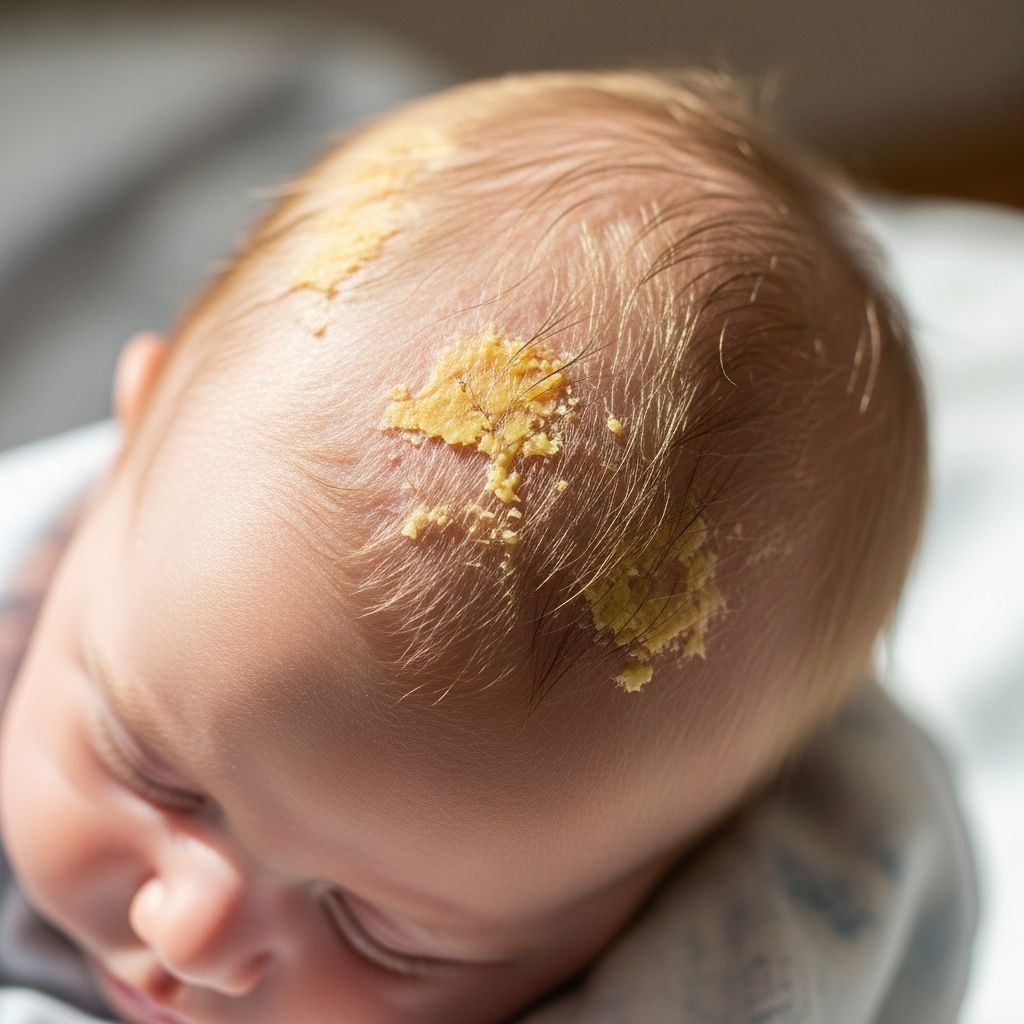
Identifying cradle cap requires familiarity with its distinctive visual presentation. Parents should be aware of the various manifestations this condition can display across their baby’s scalp and surrounding areas.
- Thick, oily crusts or patches that accumulate on the scalp surface
- White or yellow flaky material resembling dandruff in appearance
- Greasy or oily texture covering portions of the scalp
- Mild reddening of the affected skin, though this is typically subtle
- Patches that may appear dry in some cases, contrary to the typically oily presentation
An important distinction exists between cradle cap and other infant skin conditions. Unlike atopic dermatitis or eczema, cradle cap does not typically cause itching or discomfort to the baby, though parents may find the appearance concerning. The condition remains localized to the scalp in most cases, though it can occasionally spread to the face, neck, or upper body areas if left untreated.
The Biological Mechanisms Behind Cradle Cap Development
The precise etiology of cradle cap remains incompletely understood by the scientific and medical communities. However, researchers have identified several contributing factors that likely work in combination to produce this condition.
The primary suspected cause involves maternal hormones that transfer to the baby during pregnancy and remain active in the infant’s system for several weeks or months following birth. These circulating hormones appear to stimulate excessive activity in the sebaceous glands distributed across the baby’s scalp. As a result, these glands produce abnormally high quantities of sebum, the natural oil that protects and lubricates skin.
Alongside hormonal influences, a fungal organism called malassezia, which naturally occurs in sebum, may contribute to the inflammatory response characteristic of cradle cap. When this yeast proliferates excessively within the oily environment created by overproduction of sebum, it can trigger skin inflammation and the characteristic scaling and crusting. This fungal involvement explains why antifungal treatments, particularly those containing ketoconazole, often prove effective in managing the condition.
It is crucial for parents to understand that cradle cap is neither contagious nor a consequence of inadequate hygiene practices. This condition is an entirely natural physiological response in young infants and carries no social implications for parenting quality.
Timeline and Natural Resolution of Cradle Cap
One of the most reassuring facts about cradle cap is that it is self-limiting, meaning it naturally resolves without intervention. Most infants experience improvement in cradle cap by six to twelve months of age. However, the timeline varies considerably among individual babies, and some cases may persist somewhat longer despite parental efforts at treatment.
Parents should recognize that allowing cradle cap to resolve naturally requires patience, as the process can extend over several months. During this waiting period, gentle home care can help manage the visible buildup and may accelerate improvement, though the condition will eventually disappear regardless of treatment decisions.
Home-Based Treatment Approaches
While medical intervention is typically unnecessary, several safe and gentle home care strategies can help manage cradle cap and promote faster resolution of visible scaling.
Daily Scalp Cleansing Techniques
Regular gentle washing forms the foundation of home-based cradle cap management. Parents should wash their baby’s scalp daily or approximately two to three times per week using a mild, baby-appropriate shampoo. This regular cleansing helps loosen the accumulated scales and crusts, making them easier to remove. When washing, parents should use their fingers or a soft washcloth to gently massage and rub the affected scalp area, which aids in gradually lifting away the buildup.
A critical caution applies to overzealous treatment: parents should absolutely avoid scratching, picking at, or aggressively rubbing the cradle cap. Such actions can damage the delicate skin underneath and create opportunities for bacterial infection to develop.
Oil-Based Treatments
Applying pure, natural oils to the baby’s scalp provides an effective and safe approach to loosening stubborn crusts. Parents can apply a small amount—approximately the size of a nickel—of organic coconut oil, olive oil, or almond oil directly to the affected scalp areas. This treatment works best when applied at night, allowing the oil to soften the crusts overnight. The following morning, gentle washing with baby shampoo removes both the oil and the loosened scaling.
Parents may also consider using mineral oil in place of organic oils, which can be massaged gently into the scalp at night and washed away the following morning. This approach often helps lift crusts with minimal irritation.
Baking Soda Application
Some parents find success incorporating baking soda into their cradle cap management strategy. This gentle, natural substance can be used as part of the washing routine to help gently remove scales.
Soft-Bristled Brushing
After applying oil treatments and allowing time for the crusts to soften, parents can use a soft baby brush or comb to gently lift away loosened scales. This mechanical removal should always be performed gently to avoid irritating the underlying skin.
Medical Interventions When Home Care Is Insufficient
For cases where home care approaches fail to provide satisfactory improvement within two weeks, or when cradle cap spreads beyond the scalp to the baby’s face or body, pediatric guidance becomes important. Healthcare providers have several pharmaceutical options available to address more persistent or spreading cases.
A mild topical steroid preparation, specifically a 1% hydrocortisone cream applied three times daily for seven days, often clears up resistant cradle cap within approximately two weeks. Medicated shampoos represent another option, particularly antifungal shampoos containing 2% ketoconazole, which specifically targets the malassezia yeast that may be contributing to the condition. Parents should ensure such shampoos do not contact the baby’s eyes, as they may cause discomfort.
More severe or persistent cases may require prescription-strength treatments, which pediatricians or dermatologists can recommend based on individual circumstances.
Distinguishing Cradle Cap from Secondary Infections
While cradle cap itself is benign, complications can occasionally develop that warrant medical attention. Parents should monitor for signs of secondary infection, which can occur when bacteria colonize the areas beneath the crusts.
Indicators of infection include:
- Intensification of redness beyond the mild pinkness typical of uncomplicated cradle cap
- Appearance of small fluid-filled blisters that subsequently rupture and weep
- Presence of pus or malodorous discharge from affected areas
- Development of fever or signs of systemic illness in the baby
Should infection develop, bacterial organisms similar to those causing impetigo may be responsible, and antibiotic therapy becomes necessary. Unlike cradle cap itself, impetigo is highly contagious and requires prompt medical treatment. Parents noticing signs of infection should contact their pediatrician promptly.
When to Seek Professional Medical Guidance
Clear guidance exists regarding circumstances that warrant professional evaluation by a pediatrician or dermatologist. Parents should contact their healthcare provider if:
- Cradle cap persists beyond two weeks despite consistent home treatment attempts
- The affected area spreads beyond the scalp to facial areas, neck, or trunk
- Signs of infection appear, including blistering, weeping, or unusual odor
- The baby develops fever or becomes unwell
- The rash becomes severe with significant pain or disrupts the baby’s sleep or feeding
- Hair loss occurs in the affected areas
- Parents have questions or concerns about appropriate care strategies
Board-certified dermatologists possess expertise in evaluating pediatric skin conditions and can offer prescription treatments and detailed guidance tailored to individual cases.
Comparative Overview of Treatment Options
| Treatment Method | Application Frequency | Expected Timeline | Best For |
|---|---|---|---|
| Daily mild shampoo washing | Daily or 2-3 times weekly | Gradual improvement over weeks | Mild cases; preventive maintenance |
| Oil treatments (coconut, olive, almond) | Nightly application | Visible improvement within days | Softening crusts; natural preference |
| Hydrocortisone cream 1% | 3 times daily for 7 days | 2 weeks typical clearance | Moderate inflammation; medical guidance recommended |
| Antifungal shampoo (ketoconazole 2%) | As directed on product | Variable; 2-4 weeks typical | Suspected fungal involvement |
| Prescription antifungal treatments | As prescribed by physician | Variable based on product | Severe or resistant cases |
Preventing Recurrence and Long-Term Scalp Health
While preventing initial onset of cradle cap may not be entirely possible due to hormonal factors beyond parental control, maintaining consistent gentle scalp hygiene supports optimal skin health. Using baby-specific shampoos rather than adult formulations prevents irritation from harsh detergents. Some babies may experience mild recurrence of cradle cap symptoms even after complete initial resolution, and gentle management approaches remain appropriate for any subsequent occurrences.
Frequently Asked Questions
Does cradle cap indicate that I am not keeping my baby clean enough?
No. Cradle cap has nothing to do with hygiene or parenting practices. It results from natural physiological processes and hormonal influences, not inadequate cleansing.
Can I catch cradle cap from my baby, or can my baby spread it to siblings?
Cradle cap is not contagious. It is not an infection and cannot spread to other people, including siblings or caregivers.
Should I avoid washing my baby’s hair if they have cradle cap?
No. Regular gentle washing with mild shampoo is one of the primary home care strategies and helps loosen and remove scales. You should avoid over-washing or harsh scrubbing, but regular cleansing is beneficial.
How long will cradle cap last?
Most babies experience resolution by six to twelve months of age. Some cases may persist somewhat longer, but the condition is self-limiting and will eventually resolve without intervention.
Is it safe to use over-the-counter antifungal shampoos on my baby?
Antifungal shampoos containing ketoconazole can be used on babies when recommended by a pediatrician. Always ensure the shampoo does not contact the baby’s eyes, as it may cause discomfort. Discuss specific products with your healthcare provider before use.
What should I do if my baby’s cradle cap becomes infected?
Contact your pediatrician immediately if you notice signs of infection such as increased redness, blistering, weeping, unusual odor, or fever. Your baby may require antibiotic treatment to address the infection.
References
- Cradle Cap Symptoms and Natural Treatments — American Pregnancy Association. 2024. https://americanpregnancy.org/healthy-pregnancy/first-year-of-life/cradle-cap-symptoms-and-natural-treatments/
- Cradle Cap — Better Health Channel, State Government of Victoria. 2024. https://www.betterhealth.vic.gov.au/health/healthyliving/cradle-cap
- Cradle Cap: Causes, Symptoms & Prevention — Johnson’s Baby. 2024. https://www.johnsonsbaby.com/baby-tips/what-is-cradle-cap
- Cradle Cap in Adults: Treatment, Causes, Product Recommendations — Healthline, reviewed by Cynthia Cobb, DNP, APRN, WHNP-BC, FAANP. May 9, 2023. https://www.healthline.com/health/cradle-cap-in-adults
- Understanding Cradle Cap — Mana.md. 2024. https://mana.md/understanding-cradle-cap-2/
- Cradle Cap Causes & Treatment — Cleveland Clinic. 2024. https://my.clevelandclinic.org/health/diseases/15786-cradle-cap-seborrheic-dermatitis-in-infants
- How to Treat Cradle Cap — American Academy of Dermatology. 2024. https://www.aad.org/public/everyday-care/hair-scalp-care/scalp/treat-cradle-cap
- Cradle Cap — Diagnosis and Treatment — Mayo Clinic. 2024. https://www.mayoclinic.org/diseases-conditions/cradle-cap/diagnosis-treatment/drc-20350400