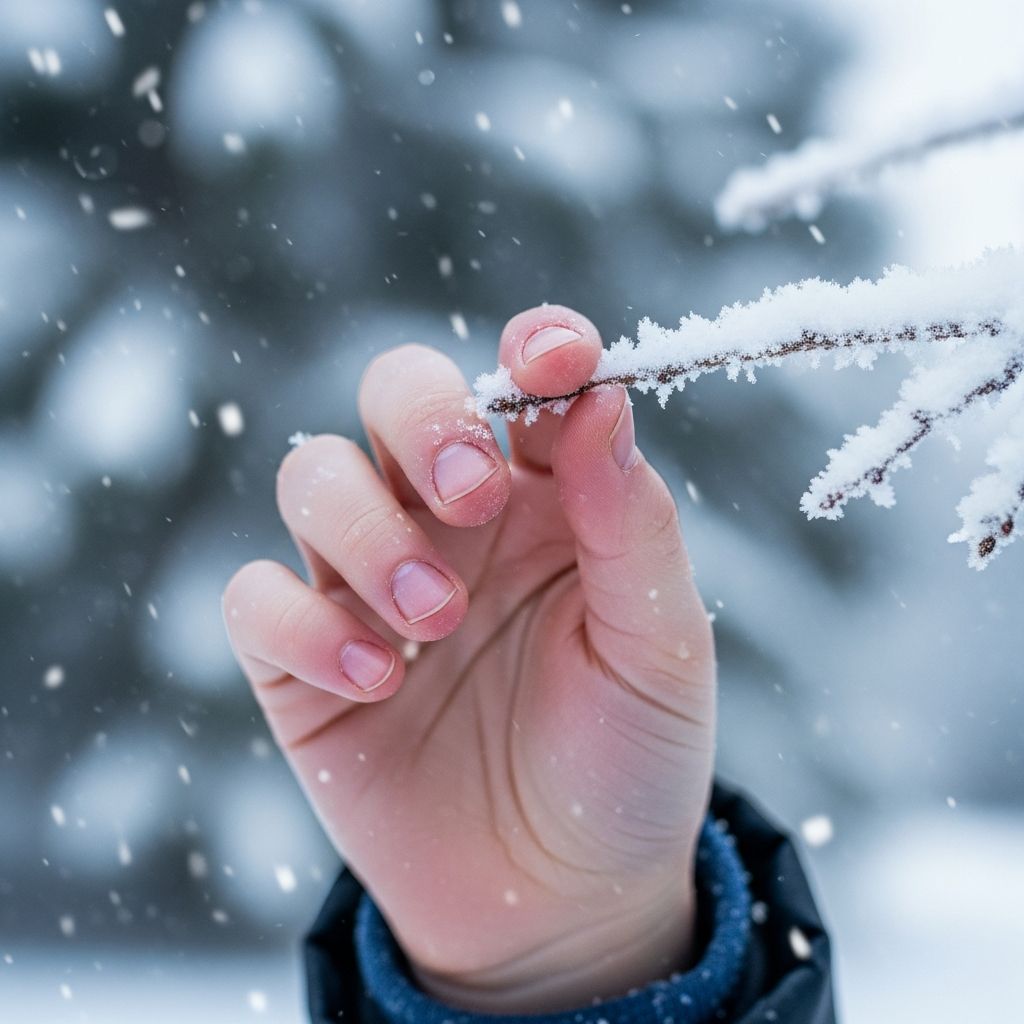
Cold winter days can be magical for children, but low temperatures and wind can quickly turn fun into a medical emergency if frostbite develops. Understanding how frostbite happens, what it looks like, and how to respond helps parents keep kids safe while still allowing them to enjoy snow and ice.
What Exactly Is Frostbite?
Frostbite is an injury caused by freezing of the skin and underlying tissues when they are exposed to very cold temperatures for too long. The body redirects warm blood away from the extremities to protect vital organs, so areas like fingers, toes, nose, cheeks, and ears are at particular risk. In the earliest stage, called frostnip, only the top layer of skin is affected, but deeper frostbite can damage nerves, blood vessels, and skin cells.
Why Children Are Especially Vulnerable
Children lose body heat faster than adults because they have a larger surface area compared with their body weight and are often more active outdoors without noticing discomfort. Their smaller hands, feet, ears, and noses have less tissue and blood volume, making them more likely to freeze during intense cold or strong wind. Kids may also ignore early warning signs of cold injury if they are excited or focused on play.
- Young children may not recognize or communicate numbness or pain until frostbite has already started.
- Teens involved in winter sports may push through discomfort to continue practice or competition.
- Children with certain medical conditions (such as circulation problems or diabetes) can be at higher risk and may develop frostbite more quickly.
Frostnip vs. Frostbite: Knowing the Difference
Not every cold, painful finger is true frostbite. Frostnip is a milder, early form of cold injury that affects only the outer layer of skin and typically does not cause permanent damage when treated promptly. Recognizing frostnip gives parents a chance to act early and prevent more serious frostbite.
| Feature | Frostnip | Frostbite |
|---|---|---|
| Depth of injury | Surface of the skin only | Skin and deeper tissues can be affected |
| Sensation | Cold, tingling, mild numbness | Marked numbness; area may feel hard or completely without feeling |
| Skin color | Red, pale, or slightly whitish while chilled | White, gray, waxy, or even blue/black in severe stages |
| Blistering | Usually absent | Clear or blood-filled blisters may appear after rewarming |
| Long-term damage | Unlikely when treated promptly | Possible skin scarring, tissue loss, or nail deformities |
Common Warning Signs Parents Should Watch For
Parents should learn to spot changes in their child’s skin and behavior that suggest frostnip or frostbite may be developing. Frequent visual checks are especially important on very cold, windy, or damp days.
- Early warning signs (often frostnip): red or pale skin that feels very cold to the touch, tingling or pins-and-needles sensations, mild burning discomfort, and complaints that fingers or toes “hurt” when they start to warm up.
- More serious signs (possible frostbite): skin that looks white, grayish, or waxy; the area may feel firm, stiff, or frozen rather than soft; numbness or complete loss of feeling; clumsiness in using affected fingers or walking on affected toes.
- After rewarming: swelling, blisters filled with clear or bloody fluid, or intense throbbing pain in the once-frozen area can indicate deeper frostbite that needs medical care.
High-Risk Weather and Situations
Frostbite does not require extreme mountain conditions; it can occur in typical winter weather if skin is unprotected or wet. Wind and moisture dramatically increase risk because they speed heat loss from exposed skin.
- Wind chill below freezing can lead to frostbite on exposed skin in a surprisingly short time, especially when kids are moving fast while skiing, skating, or sledding.
- Wet clothing from snow play, sweating, or slush increases heat loss and sets the stage for frostnip and frostbite even in temperatures just below 0°C (32°F).
- Prolonged immobility, such as sitting still in a snow fort or on a chairlift, reduces circulation and increases the chance that toes or fingers will freeze.
Immediate First Steps if You Suspect Frostnip
Early, gentle treatment of frostnip often prevents more serious injury. Parents should act quickly but calmly when they notice suspicious skin changes or when a child complains of pain after being out in the cold.
- Move indoors right away. Get the child out of the cold and wind as soon as possible, even if that means going into a nearby car or building briefly.
- Remove wet or tight clothing. Wet gloves, socks, and boots should come off; replace them with dry, warm items or wrap the child in blankets.
- Warm the affected area gradually. Use warm (not hot) water or your own body heat. A basin of comfortably warm water is ideal for fingers and toes. Gently place the area in the water and keep it there until normal color and sensation return, often 20–30 minutes.
- Avoid rubbing or massaging. Friction can damage cold, delicate tissue and may worsen the injury.
- Monitor for progression. If pain, discoloration, or numbness persists after rewarming, treat the situation as possible frostbite and seek medical advice.
First Aid for Suspected Frostbite
Deep frostbite is a medical emergency that requires professional evaluation. While arranging medical care, parents can take careful first-aid steps that help limit further damage.
- Seek urgent medical help. Call a healthcare provider or emergency services if skin appears white, gray, or blue, or if the area feels hard, totally numb, or develops blisters.
- Do not let the area refreeze. Only begin active rewarming if there is confidence the child will remain in a warm environment. Repeated freezing and thawing causes far more tissue damage.
- Use warm water immersion when appropriate. Warm (not hot) water in the 37–40°C (98–104°F) range is typically recommended; water should feel comfortably warm to an adult hand, not scalding. Keep the rest of the child warm with blankets during soaking.
- Protect thawed skin. After rewarming, loosely cover the area with a clean, soft dressing or cloth. Place dry gauze or fabric between fingers or toes to keep them from rubbing against each other.
- Avoid direct heat sources. Do not use heating pads, fires, stoves, or radiators because numb skin can burn before the child feels pain.
What Doctors May Do for Frostbite
In a medical setting, clinicians assess how deeply frostbite has affected the tissues and whether there are complications such as infection. Treatment plans aim to restore blood flow, ease pain, and protect the injured area while it heals.
- Pain control: Rewarming can be very painful, so healthcare providers may give pain medicine to keep the child comfortable.
- Specialized rewarming: Staff may use carefully controlled warm water baths and monitor the child’s temperature, heart rate, and circulation during the process.
- Wound care: Blisters may be protected with sterile dressings; any open areas are kept clean to reduce infection risk. In some cases, topical or oral medications may be used.
- Follow-up monitoring: Severe frostbite may require repeated visits to track healing and to watch for tissue loss or long-term sensitivity to cold.
Long-Term Effects Parents Should Know About
Mild frostbite and frostnip usually heal without lasting problems, though the area may remain sensitive to cold for a period of time. More severe frostbite can lead to scarring, changes in skin or nail appearance, and, rarely, loss of tissue.
- Children who have experienced frostbite may feel sharp pain or tingling in the affected area each time it is exposed to cold in the future.
- In cases with tissue damage, healing may take weeks or months, and the child might need physical therapy, protective splints, or custom footwear.
- Emotional responses, such as fear of going outside in winter, are also possible and may require reassurance and gradual return to normal activities.
Practical Tips to Prevent Frostbite in Children
Most frostbite incidents can be prevented with good planning, appropriate clothing, and sensible time limits outdoors. Prevention becomes even more important when very low temperatures or strong winds are forecast.
- Dress in layers: Start with a moisture-wicking base layer to keep sweat away from the skin, add an insulating middle layer (like fleece), and finish with a windproof, waterproof outer layer.
- Protect extremities: Use insulated gloves or mittens, warm socks, and waterproof boots. A hat that covers the ears or ear-flap cap and a scarf or neck warmer help shield the face and neck.
- Keep clothes dry: Change out of wet gloves, socks, and pants promptly. Pack extra items when heading to school, daycare, or winter sports.
- Limit time in extreme cold: Schedule indoor breaks every 20–30 minutes on very cold or windy days. Shorten outdoor play if temperatures or wind chills are dangerously low.
- Fuel and hydrate: Provide warm fluids and snacks so the body has enough energy to generate heat. Avoid caffeine for younger children.
- Teach kids the signs: Encourage children to come inside and tell an adult if their fingers, toes, nose, or ears feel painful, tingly, or “frozen.”
Special Considerations for Babies and Teens
Different age groups need tailored strategies for cold-weather safety. Both infants and adolescents have unique risk factors that parents should consider when planning outdoor activities.
- Babies: Infants cannot communicate discomfort and should not be outside in very cold or windy conditions for long. They lose heat quickly in strollers or carriers, so they need extra insulation, warm blankets, and frequent checks of hands, feet, and face.
- Toddlers and preschoolers: Younger children may remove mittens or hats without noticing their hands or ears are getting dangerously cold, so adults must check them often.
- Teens: Older children may underestimate the weather, resist heavy clothing for fashion reasons, or stay out for extended periods for sports or social events. Conversations about safety, proper gear, and early warning signs are crucial.
When to Call a Doctor or Emergency Services
Prompt medical advice is always appropriate if parents are unsure about the severity of a cold-related skin injury. Certain signs, however, should trigger immediate professional evaluation.
- Skin that is white, gray, blue, or black, especially if it feels hard or wooden.
- Blisters that form after rewarming, regardless of size or location.
- Persistent numbness, loss of function, or severe pain in the affected area.
- Signs of infection in previously frostbitten skin, such as redness spreading beyond the injury, warmth, pus, or fever.
- Any cold injury in a child with chronic health conditions that affect circulation or the immune system.
Frequently Asked Questions About Frostbite in Children
How fast can frostbite happen?
The time it takes for frostbite to develop depends on temperature, wind speed, and clothing. On extremely cold, windy days with low wind chill, exposed skin can freeze in minutes, while in milder cold weather, it may take much longer. Wet clothes, metal jewelry, and immobility can shorten the time needed for frostbite to occur.
Can a child get frostbite through gloves and boots?
Yes, frostbite can still occur even when children wear gloves and boots, especially if these items are too tight, thin, or wet. Constrictive footwear or mittens can reduce blood flow, which makes fingers and toes more prone to freezing. Parents should choose roomy, insulated gear and change wet items promptly.
Is it safe to use warm water from the tap for rewarming?
Tap water is often suitable as long as it is not too hot; the temperature should feel comfortably warm to an adult hand, never scalding. Testing the water on a body part that has normal sensation, such as the inside of the wrist, can help parents judge an appropriate temperature. If a thermometer is available, keeping the water roughly in the range of a warm bath for a child is a good benchmark.
Should blisters from frostbite be popped?
Blisters that appear after frostbite are best evaluated by a medical professional. Popping them at home increases the risk of infection and may worsen injury to the skin. Until a doctor can assess the area, parents should keep blisters clean, dry, and protected with a loose, soft dressing.
Can frostbite happen indoors?
Frostbite is unlikely in a typical heated home but can occur indoors in unusual circumstances, such as prolonged exposure to very cold environments like unheated garages or during power outages in severe winter storms. Children who sleep near drafty windows or in damp clothes may be uncomfortable and chilled but rarely develop frostbite if indoor temperatures remain above freezing. However, any situation where indoor temperatures drop near or below 0°C (32°F) for extended periods should be treated with the same precautions as outdoor cold.
Does one frostbite episode mean my child should avoid winter activities?
Most children who recover from mild frostbite or frostnip can safely return to winter play with proper precautions. The affected body part may be more sensitive to cold, so extra insulation and shorter outdoor periods are wise. A conversation with the child’s healthcare provider can help families create a safe plan for future cold-weather sports and activities.
Helping Kids Enjoy Winter Safely
With the right knowledge and preparation, families do not need to avoid winter fun to stay safe. Dressing appropriately, watching the weather, scheduling frequent warm-up breaks, and teaching children to speak up about tingling or numb skin helps prevent frostbite. Parents who know how to recognize frostnip, apply gentle first aid, and seek timely medical care can greatly reduce the risk of serious cold-related injury.