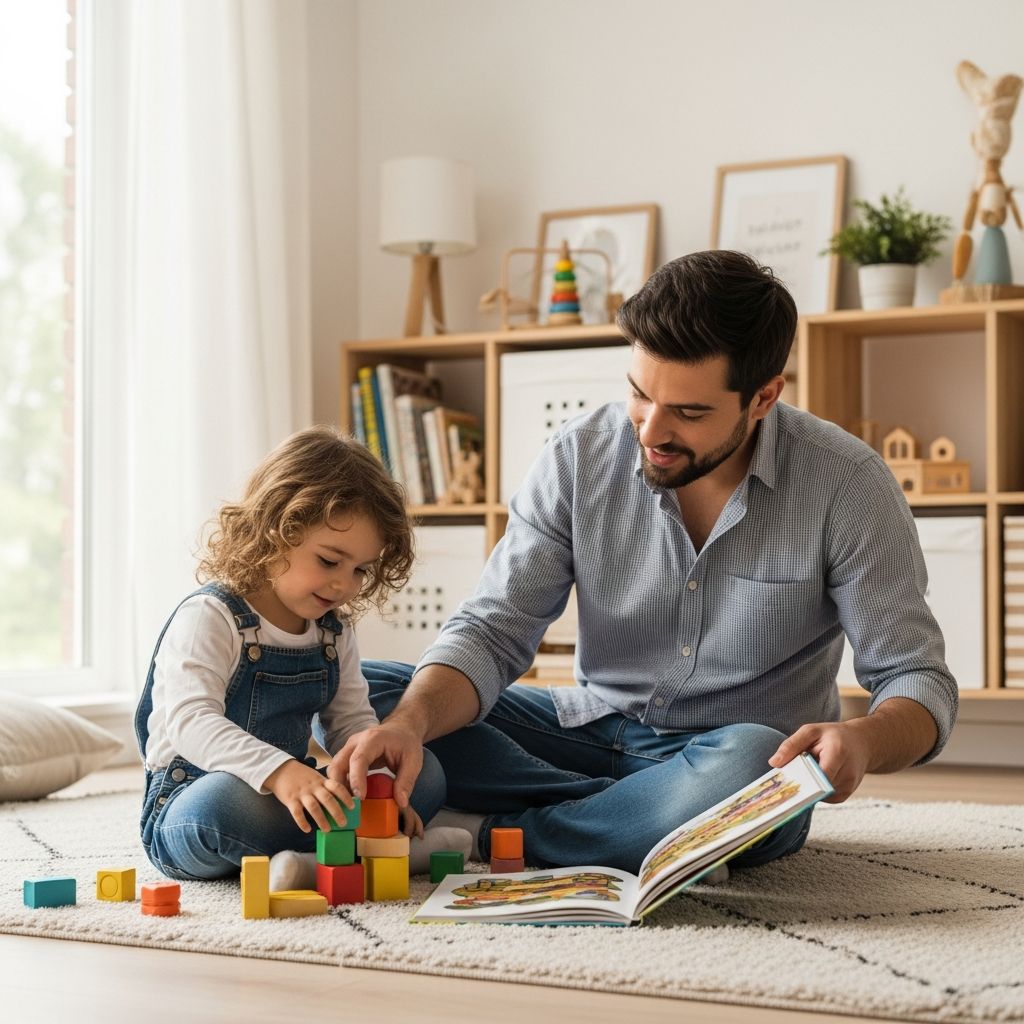
Parenthood begins with the overwhelming joy of holding a newborn, but time accelerates as those tiny bundles transform into active, opinionated explorers. This shift from infancy to the big kid phase brings profound changes, both emotional and logistical, requiring parents to adapt swiftly. While the cuddly baby era fades, new opportunities for connection and discovery emerge, turning potential nostalgia into excitement for what’s ahead.
The Emotional Journey of Letting Go
Watching a child outgrow babyhood often stirs a complex mix of pride and melancholy. Parents frequently report a sense of loss for the simpler days of soothing cries with a bottle or rocking to sleep. Yet, this transition mirrors broader societal patterns where family dynamics evolve alongside individual growth.
Recent demographic shifts highlight how parenting timelines are changing. For instance, data shows that while childlessness rates have risen among younger women, more are entering motherhood later, potentially intensifying the awareness of fleeting early years. This context underscores the universal challenge: cherishing the present amid rapid development.
- Recognize grief for the baby phase as normal—it’s a sign of deep attachment.
- Reframe the change: View independence as a parenting success.
- Journal memories to process emotions without clinging to the past.
Physical Milestones That Signal Change
Children’s bodies transform noticeably, outpacing mental readiness for parents. From ditching diapers to mastering stairs unaided, these milestones demand updated routines. Sleep patterns shift dramatically; what once meant midnight feedings now involves negotiating bedtime stories or stalling tactics.
Nutrition evolves too. Purees give way to finger foods and family meals, fostering skills like self-feeding. Safety concerns pivot from choking hazards to stranger awareness and street smarts. These changes require vigilance but also build resilience in kids.
| Milestone | Typical Age | Parenting Adjustment |
|---|---|---|
| Potty training success | 2-3 years | Goodbye diapers; introduce hygiene routines |
| Full sentences | 2-4 years | Shift to active listening and dialogue |
| Independent dressing | 3-5 years | Stock wardrobes with easy-access clothes |
| Preschool entry | 3-5 years | Prepare for separation and social skills |
Navigating Independence: Fostering Confidence
As children assert autonomy, parenting styles must emphasize guidance over control. Encourage choices in small matters—like picking outfits or snacks—to build decision-making prowess. This phase tests patience but yields independent thinkers.
Socially, playdates replace solo tummy time. Teach sharing and empathy through modeled behaviors. Conflicts arise more frequently, offering teachable moments on emotions. Balance freedom with boundaries to prevent overwhelm.
- Offer limited options to avoid decision paralysis.
- Praise efforts, not just outcomes, to nurture growth mindset.
- Model problem-solving during daily challenges.
Rethinking Daily Routines for Active Kids
Mornings transform from leisurely cuddles to rushed breakfasts and backpack grabs. Evenings extend into homework help or hobby pursuits. Streamline with visual schedules to ease transitions.
Mealtimes become interactive experiments. Involve kids in prep to spark interest in healthy eating. Bedtime rituals evolve into chapter books and whispered dreams, deepening bonds differently.
Decluttering baby gear frees space—donate cribs for bikes, swings for puzzles. This physical purge symbolizes emotional release, making room for current joys.
Sibling Dynamics in the Big Kid Era
With multiple children, transitions vary. Younger siblings may cling to babyhood longer, prompting older ones to step into helper roles. Foster unity through shared activities, reducing rivalry.
Address jealousy by validating feelings: “It’s okay to miss baby toys; let’s find new fun together.” Celebrate each child’s unique pace, preventing comparisons.
Self-Care for Parents in Transition
Amid changes, parental identity shifts. Reconnect with hobbies sidelined by infancy. Seek communities of parents in similar stages for solidarity.
Mindfulness practices, like daily gratitude lists, anchor focus on positives. Professional support helps if nostalgia hinders presence.
Long-Term Perspectives: Preparing for School Years
This phase previews elementary school demands. Hone routines for homework, extracurriculars, and social navigation. Discuss feelings about growth openly to build trust.
Societal trends show declining birth rates, with many young adults delaying or opting out of parenthood. Yet, for those in the trenches, each stage reaffirms commitment’s rewards. Data indicates Americans still desire children but face barriers like timing.
Frequently Asked Questions
How do I cope with sadness over my child growing up?
Embrace it as love’s byproduct. Capture moments via photos or videos, and focus on new milestones to shift perspective.
What if my child resists independence?
Gently persist with encouragement. Use play-based learning for skills like dressing, making it enjoyable rather than forced.
How can I maintain closeness without baby cuddles?
Build rituals like evening walks or game nights. Physical touch via hugs and high-fives sustains bonds.
Is it normal for routines to feel chaotic now?
Absolutely—growth spurts disrupt. Consistent anchors like family dinners restore order gradually.
Should I keep baby items as mementos?
Select a few meaningful pieces; donate the rest to aid closure and benefit others.
Expert Tips for Thriving in This Phase
Pediatric guidelines stress play’s role in development. Allocate unstructured time daily for imagination. Monitor screens to prioritize real-world interactions.
Health checks ensure growth tracks norms. Discuss developmental leaps with providers for reassurance.
References
- Childlessness on the Rise — Except for Women Ages 45 to 50 — U.S. Census Bureau. 2025-09. https://www.census.gov/library/stories/2025/09/older-mothers.html
- Americans are having fewer kids—if they have them at all — American Psychological Association. 2024-07. https://www.apa.org/monitor/2024/07/fewer-children
- Reasons adults give for not having children — Pew Research Center. 2024-07-25. https://www.pewresearch.org/social-trends/2024/07/25/reasons-adults-give-for-not-having-children/
- Falling birth rate not due to less desire to have children — Carolina Population Center, UNC. N/A. https://www.cpc.unc.edu/news/falling-birth-rate-not-due-to-less-desire-to-have-children/