Many families want better baby sleep but feel uneasy about strict “cry-it-out” methods. A French-inspired approach offers a middle path: give the baby a short pause before stepping in, observe what is really happening, and intervene calmly only when needed.
This style of parenting emphasizes respect for the baby’s rhythms, trust in the child’s ability to develop self-soothing, and a strong focus on predictable routines. Over time, these habits can help babies sleep for longer stretches without making parents feel that they are ignoring their child’s needs.
Core Idea: The Power of a Short Pause
At the heart of this French-inspired method is a simple idea: when a baby fusses or cries at night, parents wait briefly before reacting, instead of instantly picking the baby up or offering a feed. This pause usually lasts just a few moments—long enough to see whether the baby settles or escalates.
The pause does not mean abandoning the baby. Rather, it is about listening closely, watching the baby’s body language, and deciding what kind of help is truly required. Sometimes the baby is transitioning between sleep cycles; other times, they are hungry, uncomfortable, or need a cuddle.
How French-Style Pausing Differs from Other Methods
Parents often confuse brief pausing with full “cry-it-out,” but these strategies have different goals and levels of intensity. The French-inspired approach falls between constant intervention and total nonintervention.
| Approach | Parent Response | Emotional Tone | Typical Goal |
|---|---|---|---|
| Instant response | Parents pick up or soothe at the first sound, day or night. | Highly responsive but can be overstimulating for some babies. | Maximize comfort, minimize crying in the short term. |
| French-style pause | Parents wait briefly, observe, then respond if the fussing continues or intensifies. | Calm, observational, focused on understanding signals. | Encourage self-soothing while maintaining responsiveness. |
| Full cry-it-out (extinction) | Parents put baby down and do not return for a set period, even if crying. | Structured but emotionally difficult for many caregivers. | Rapid consolidation of nighttime sleep. |
| Graduated extinction (e.g., Ferber-style) | Parents respond at gradually increasing intervals, offering brief comfort. | More moderate; still involves planned crying. | Teach self-soothing with timed check-ins. |
French-style pausing is gentler than full cry-it-out because the baby is never simply left for long, preset blocks of time. Instead, parents use judgment moment by moment, returning as soon as they hear persistent or escalating distress.
This flexibility can make the method easier to maintain emotionally, which many sleep experts consider crucial because consistency often matters more than the specific technique used.
Why Babies Make Noise During Sleep
Newborns and young infants have active sleep cycles and frequently shift between deeper and lighter stages. During these transitions, it is common for them to grunt, whimper, twitch, or let out a short cry, even while still asleep.
Parents who rush in at every sound can unintentionally wake a baby who might have resettled independently. Pausing allows the baby to cycle back into deeper sleep without unnecessary intervention, which can, over time, lead to longer, more continuous stretches at night.
Step-by-Step: How to Use a Gentle Pause
Families can adapt this approach to their own comfort level and cultural context. The following steps offer a simple structure for night wakings using the idea of a brief pause.
- Hear the sound, stay still. When the baby fusses or cries, resist the urge to immediately jump up. Take a breath and listen.
- Count a short interval. Many parents choose 60–120 seconds as a first pause. This is long enough to see whether the sound tapers off but not so long that distress builds unduly.
- Observe before touching. If possible, quietly approach the crib and watch for a few moments: Is the baby thrashing, rooting, or just wriggling? Are eyes closed or open?
- Respond in the least disruptive way. Start with minimal intervention—gentle shushing, a hand on the chest, or repositioning the pacifier—before picking the baby up or offering a feed.
- Reserve full intervention for clear need. Strong, sustained crying, obvious discomfort, or signs of hunger should prompt feeding, changing, or medical attention as appropriate.
Over days and weeks, many babies begin linking their sleep cycles more smoothly, and parents learn to distinguish brief sleep noises from true distress calls. This shared learning process is one reason some clinicians describe pausing as a way for parents and babies to “experiment” together with sleep.
Respecting the Baby’s Rhythm
French parenting culture often emphasizes that babies are capable of following predictable rhythms in eating, playing, and sleeping. Parents support these rhythms rather than constantly reshaping the day around every small cue.
Instead of offering the breast or bottle at the first restless sound overnight, adults consider when the baby last ate, how the day went, and what the child’s usual pattern is. This broader view can prevent unnecessary feeds and help the baby consolidate nighttime rest.
Building an Evening Routine Around Calm
The pause technique works best when paired with a stable, soothing evening routine. Consistency sends a clear message that bedtime is predictable and safe.
- Keep the hour before bed relatively quiet, with dim lights and gentle voices.
- Use the same sequence most nights, such as bath, pajamas, feed, short cuddle, then bed.
- Avoid overstimulating activities and bright screens close to bedtime.
- Place the baby down drowsy but awake when developmentally appropriate, allowing practice with drifting off independently.
A predictable ritual surrounding sleep can reduce anxiety for both baby and parents, making it easier to trust the process when short pauses feel challenging in the moment.
Emotional Benefits for Parents
Many caregivers find strict cry-it-out methods emotionally taxing because they involve listening to prolonged crying without responding. The French-inspired pause aims to avoid this by using very short waiting periods and emphasizing close observation.
Because parents continue to check on their babies and respond when fussing escalates, they may feel more confident that their child’s emotional security is protected. Some studies examining related sleep-training strategies have not found long-term harm to attachment or behavior when techniques are applied thoughtfully and consistently.
Signs Your Baby Is Ready (or Not)
This gentle pausing method can be adapted across infancy, but it should always be balanced with the baby’s age, health, and temperament. Younger babies may need more frequent feeds and closer contact, while older infants often tolerate slightly longer pauses.
- More ready: Steady weight gain, generally healthy, some ability to self-settle during naps, and occasional longer stretches at night.
- Less ready: Prematurity, medical concerns, poor weight gain, or extreme distress at even brief pauses—these situations merit individualized guidance from a health professional.
Parents should always prioritize safety and medical advice over any sleep philosophy, especially in the newborn period or when chronic conditions are present.
Balancing Responsiveness and Independence
One of the main questions around any sleep strategy is whether it undermines secure attachment. Research on moderated sleep training methods, such as graduated extinction and related techniques, has not shown higher rates of emotional or behavioral problems in the early years compared with gentler approaches like bedtime fading.
French-style pausing attempts to preserve responsiveness while still giving the baby practice in managing minor sleep disturbances. Over time, this blend of warmth and structure may help children feel both supported and capable.
Practical Tips for Night Wakings
When applying this approach at 2 a.m., parents benefit from clear, simple rules that are easy to remember even when tired. The following tactics can make the pause more manageable.
- Agree in advance with a partner on how long to wait before going in.
- Use a soft light or red nightlight so you can observe without fully waking the baby.
- Keep responses boring and low-key: few words, no games, minimal eye contact.
- If you decide to feed, do so calmly and return the baby to bed promptly afterward.
Consistency across caregivers—parents, grandparents, or nighttime helpers—reduces confusion for the baby and can speed the learning process.
Common Concerns and Misconceptions
Some parents worry that even brief pauses are unfair to the baby. However, short, monitored waiting can be compatible with sensitive caregiving when the child’s signals are taken seriously and responded to promptly once genuine need is clear.
Another misconception is that this method guarantees a baby will sleep through the night by a specific age. While cultural accounts sometimes claim very early success, individual children vary widely, and no method can override biological realities such as growth spurts, teething, or developmental leaps.
Safety and When to Seek Help
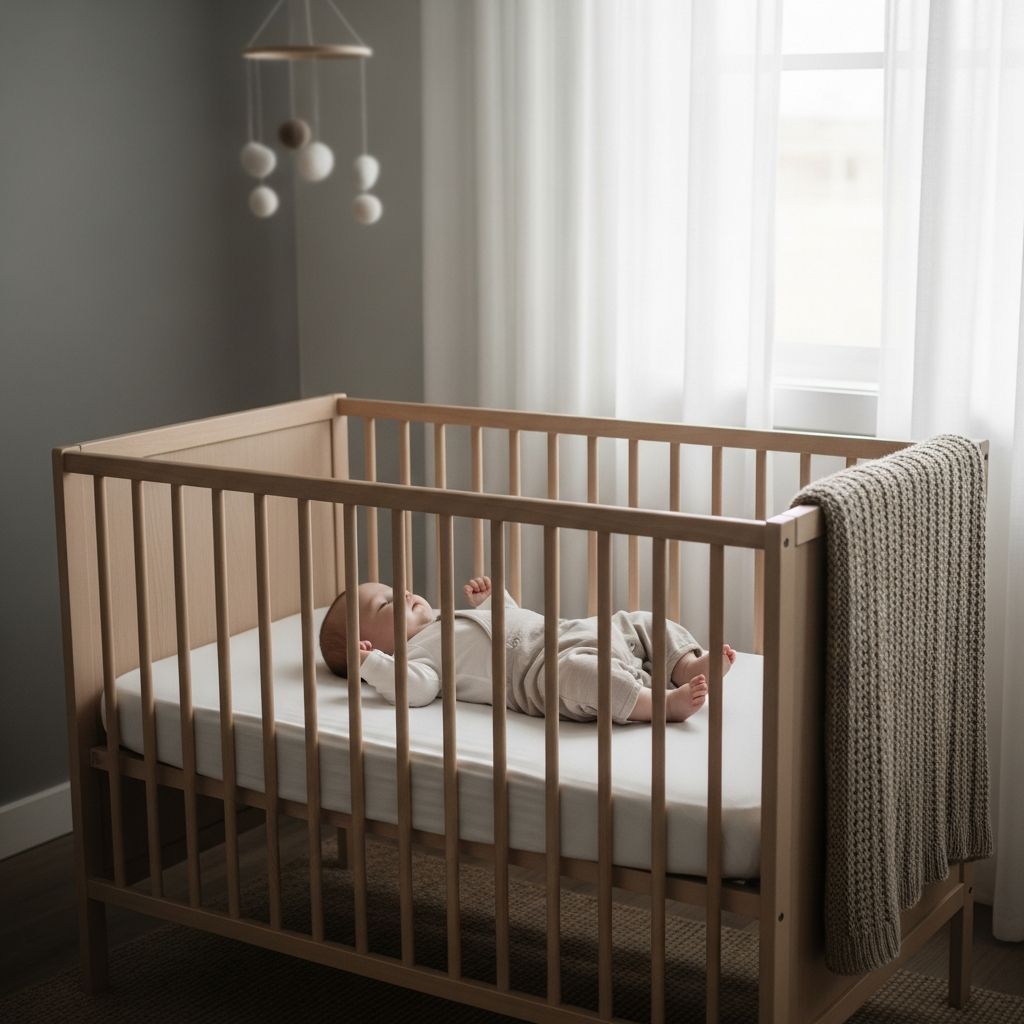
All sleep approaches must be used within safe-sleep guidelines, which typically include placing babies on their backs on a firm surface without loose bedding or soft items. Parents should always follow current medical recommendations in their region.
If frequent night wakings persist, if the baby seems unusually uncomfortable, or if there are concerns about breathing, reflux, or growth, consultation with a pediatric professional or qualified sleep specialist is essential before modifying routines further.
Frequently Asked Questions
Is this French-style pause the same as cry-it-out?
No. Cry-it-out usually means leaving a baby to cry for predetermined, often longer intervals with minimal or no response. The French-inspired pause involves short, flexible waits, careful listening, and then helping the baby if distress continues.
How long should the pause last?
Many families start with one or two minutes, adjusting based on the baby’s age and temperament. The idea is not to watch the clock rigidly but to allow enough time to see if the baby settles while stepping in quickly if crying escalates sharply.
Will pausing damage my bond with my baby?
Research on related, moderate sleep-training methods has not found negative effects on parent–child attachment when they are used thoughtfully and paired with loving daytime care. The key is to remain emotionally present, responsive, and warm overall.
Can this method work for breastfed babies who wake often?
Yes, but expectations may need to be adjusted because many breastfed infants wake for feeding and comfort. Pausing can still help distinguish between brief sleep noises and genuine hunger, which may gradually reduce unnecessary wakings.
What if my baby gets more upset during the pause?
If crying grows intense quickly, the parent can shorten or skip the pause and respond immediately. The method is a tool, not a rule; caregivers should always prioritize safety and their own sense of what feels right for their child.
Adapting the Method to Your Family
Every household has its own culture, schedule, and tolerance for night wakings. The French-inspired pause is best seen as a flexible framework rather than a rigid program, inviting parents to combine brief observation with loving, timely intervention.
By blending calm routines, short pauses, and respect for the baby’s signals, many families find a workable balance between responsiveness and rest, helping everyone in the home move toward more peaceful nights.