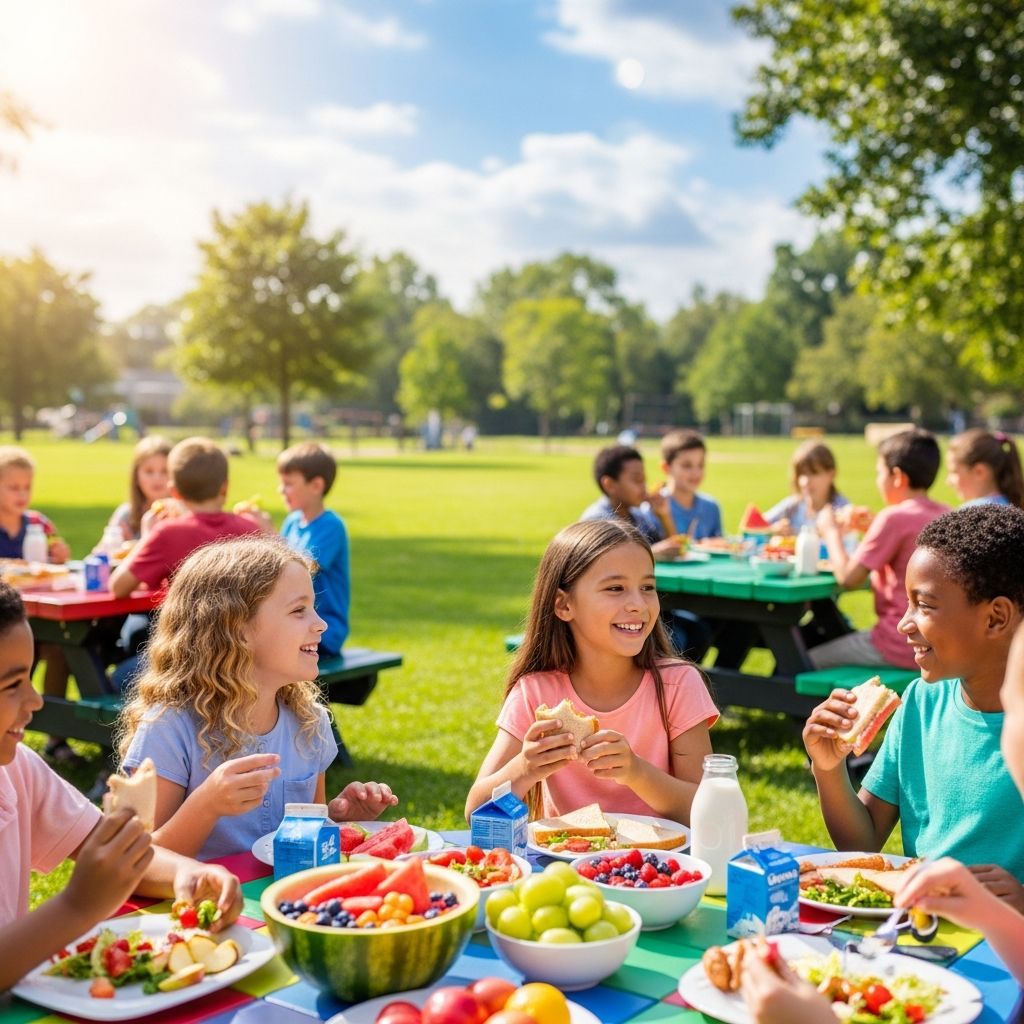
During summer break, millions of children lose access to reliable school meals, creating a critical nutrition gap. Federal programs like SUN Meals ensure kids 18 and under receive free breakfasts, lunches, snacks, and suppers at approved locations across the country, supporting healthy growth and activity.
Understanding the Summer Nutrition Challenge
When schools close, approximately one in six U.S. children faces uncertainty about their next meal, particularly those from low-income households who depend on free or reduced-price school programs. This ‘summer hunger’ phenomenon affects physical health, cognitive development, and overall well-being, as kids require consistent nutrition for play, learning, and exploration during vacation months.
Research highlights that without intervention, children experience nutritional deficits leading to weight gain risks, learning loss, and reduced activity levels. Summer programs bridge this divide by delivering nutrient-rich meals, helping maintain the momentum from school-year nutrition efforts.
How Federal Summer Meal Programs Operate
Administered by the U.S. Department of Agriculture (USDA), SUN Meals encompass initiatives like the Summer Food Service Program (SFSP) and the Seamless Summer Option (SSO), enabling schools, nonprofits, and community groups to serve free meals. These programs reimburse providers for up to two meals per day per child, including breakfast, lunch, snacks, or supper—excluding only lunch and supper combinations.
In rural or hard-to-reach areas, non-congregate options such as grab-and-go, delivery, or parent pick-up expand access where traditional on-site dining isn’t feasible. Starting in 2024, the Summer Electronic Benefit Transfer (Summer EBT) supplements these efforts with grocery benefits for eligible families.
- Universal Access: All children 18 and under qualify, regardless of income; adults with disabilities may also participate.
- Site Variety: Meals served at parks, libraries, YMCAs, churches, and schools.
- Meal Flexibility: Providers can self-prepare, source from schools, or use vendors, with higher reimbursements for on-site preparation.
Types of Summer Meal Sites Explained
Summer meal sites fall into distinct categories to accommodate diverse community needs, each with specific eligibility rules. Open sites welcome drop-ins in high-need areas, while enrolled sites require advance registration.
| Site Type | Description | Eligibility Requirements | Meal Service |
|---|---|---|---|
| Open | Drop-in basis at area-eligible locations (50%+ kids qualify for free/reduced school meals) | All kids 18 & under; no registration | Free meals on-site |
| Closed/Enrolled | Part of activity programs with income verification | At least 50% enrolled kids income-eligible | Free to enrolled kids |
| Camp | Residential or day camps | Income-eligible children only | Up to 3 meals/day |
| Migrant | Serves children of migrant workers | All children qualify | Up to 3 meals/day |
These models ensure broad coverage, from urban parks to rural deliveries.
Finding Nearby Free Meal Locations
The USDA’s Summer Meals Site Finder is a mobile-friendly tool listing thousands of sites with hours, directions, and contact details. Updated by state agencies, it distinguishes on-site and to-go options, making it easy for families to locate services.
Additional resources include state education departments, No Kid Hungry tools, and local partners like Feeding America networks, which served over 24 million meals in 2022. Search by ZIP code or address for immediate results.
- Enter location on USDA Site Finder for maps and schedules.
- Check community centers, parks, or YMCAs for postings.
- Use state-specific locators for detailed listings.
Benefits Beyond Nutrition: Holistic Summer Support
Free summer meals do more than fill stomachs; they foster community engagement and pair food with enrichment activities like sports, arts, and education at many sites. This combination combats ‘summer slide’ in learning while promoting physical health.
Nutritious meals support steady energy for outdoor adventures, reducing obesity risks associated with unstructured summer eating. Programs like those at YMCAs emphasize long-term success through daily nutrition.
Recent Enhancements and Future Outlook
Summer EBT introduces $120 per eligible child for groceries, complementing site-based meals since 2024. Non-congregate expansions during challenges like pandemics have proven effective in reaching isolated kids.
Participation has grown, but awareness remains key—only a fraction of eligible children access these resources annually. Ongoing USDA efforts aim to boost site numbers and visibility.
Frequently Asked Questions
Who qualifies for free summer meals?
All children 18 and under, plus adults with disabilities at some sites. No income proof or registration needed at open sites.
What meals are offered?
Breakfast, lunch, snacks, supper—up to two per day, meeting USDA nutrition standards.
Do sites require enrollment?
Open sites are drop-in; closed sites need advance enrollment with income forms.
Are meals available in rural areas?
Yes, via grab-and-go, delivery, or pick-up options.
How do I contact my state program?
Use USDA lists of administering agencies or the Site Finder.
Encouraging Participation: Tips for Families and Communities
Families should plan around site schedules, combining meals with summer activities. Volunteers and sponsors can expand reach by hosting sites or spreading awareness.
Businesses and faith groups often partner, enhancing local impact. Promoting via social media and flyers maximizes turnout.
References
- Summer Meals Program | No Kid Hungry Center for Best Practices — No Kid Hungry. 2024. https://bestpractices.nokidhungry.org/programs/summer-meals
- Free Summer Meals for Kids | Feeding America — Feeding America. 2024. https://www.feedingamerica.org/our-work/hunger-relief-programs/summer-food-service-program
- SUN Meals – USDA Food and Nutrition Service — USDA FNS. 2024. https://www.fns.usda.gov/summer/sunmeals
- NM Summer Food Program: Free Meals for Children — NM Summer Food Program. 2024. https://summerfoodnm.org
- Summer Meals for Kids Site Finder – USDA Food and Nutrition Service — USDA FNS. 2024. https://www.fns.usda.gov/summer/sitefinder
- Summer Food Program – YMCA — YMCA. 2024. https://www.ymca.org/what-we-do/youth-development/food-programs/summer
- Summer Nutrition Programs – Food Research & Action Center — FRAC. 2025. https://frac.org/programs/summer-nutrition-programs