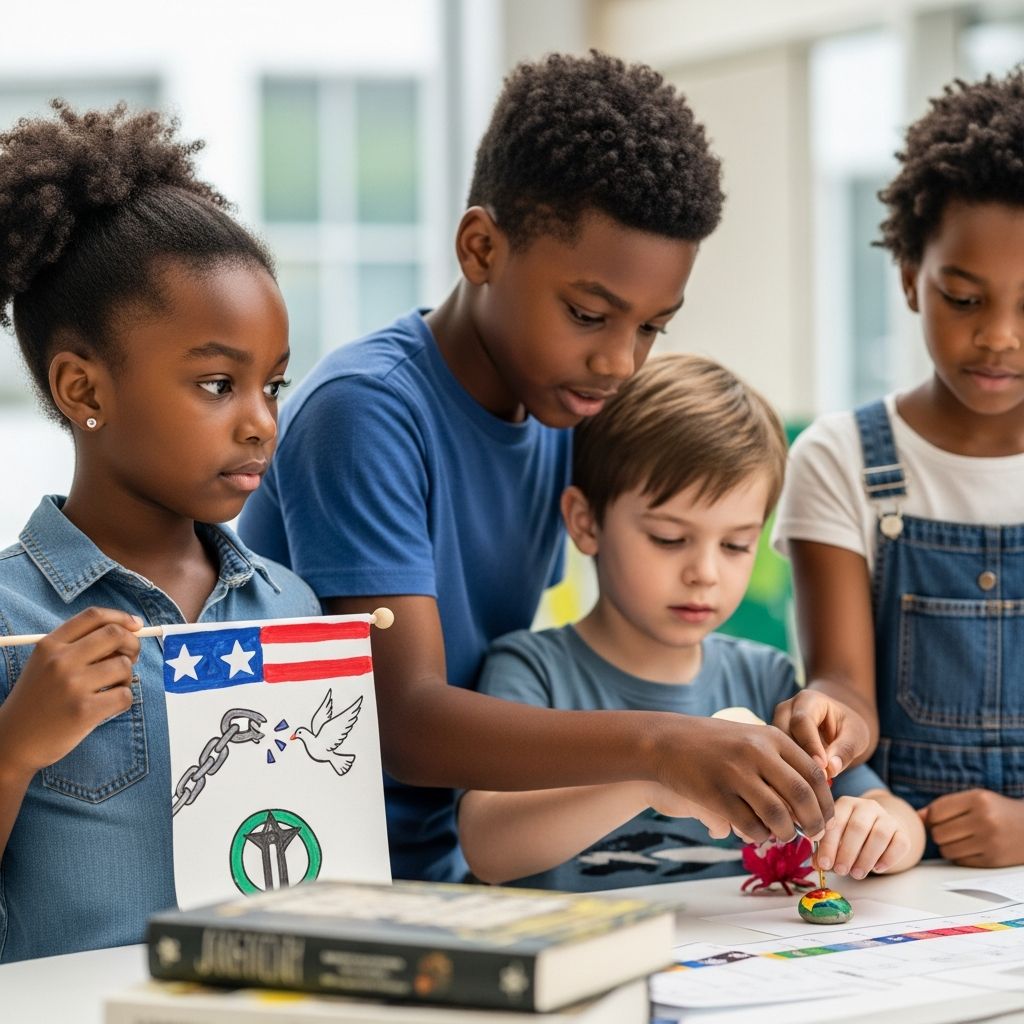
Juneteenth marks a pivotal moment in American history, symbolizing the end of slavery in Texas on June 19, 1865, and broader emancipation struggles. Parents have a unique opportunity to use this day to foster deep respect in children by prioritizing authentic listening to Black experiences over performative gestures.
Understanding Juneteenth’s Historical Roots
Juneteenth commemorates the day Union General Gordon Granger announced General Order No. 3 in Galveston, Texas, informing enslaved people of their freedom more than two years after the Emancipation Proclamation. This delay highlights the uneven pace of liberation and persistent oppression.
Unlike the sanitized narratives in many textbooks, Juneteenth reveals systemic delays in enforcing freedom, influenced by racism and economic interests. Educators note that traditional curricula often sideline this story because it challenges triumphant independence myths.
Why Families Must Prioritize Authentic Education
In an era of book bans and restrictions on discussing structural racism, parents play a crucial role in truthful teaching. Over 20 states have proposed laws limiting talks on racism and slavery, making home discussions vital for countering incomplete school lessons.
- Juneteenth counters whitewashed history by centering Black agency and resistance.
- It connects past enslavement to modern issues like policing disparities and voter suppression.
- Family-led learning builds empathy without relying on potentially censored classrooms.
Age-Appropriate Strategies for Young Learners
For children under five, introduce Juneteenth through celebration and pride in Black contributions, avoiding initial trauma of slavery details. The National Museum of African American History and Culture recommends starting with stories of innovation, leadership, and cultural richness to build positive racial associations.
As kids grow, layer in complexities: explain white involvement in enslavement for white families, emphasizing allyship roles, while interrupting notions of racial superiority.
| Age Group | Focus Areas | Example Activities |
|---|---|---|
| Preschool (3-5) | Black joy, inventions, resilience | Storytelling about Black leaders; joyful music and food traditions |
| Elementary (6-10) | Emancipation delays, resistance | Mapping slavery’s end; discussions on family freedom stories |
| Middle School (11+) | Systemic racism links, current events | Analyzing laws like redlining; connecting to BLM protests |
Building Listening Skills Over Performative Acts
True education means teaching kids to amplify Black voices rather than centering themselves. Encourage consuming content from Black creators—podcasts, books, documentaries—without turning celebrations into personal spectacles.
Avoid commodification: commercial Juneteenth products often dilute meaning, prioritizing profit over history. Instead, guide children to ask, “How can we support Black-led initiatives?”.
Navigating Challenges in Restricted Educational Climates
Anti-critical race theory laws in states like Texas and Florida complicate school teachings, yet they can’t silence homes. Texas’s new mandates still require primary sources on enslaved figures like Ona Judge, offering entry points for deeper inquiry.
Parents should prepare for questions: “Why the delay in freedom?” Use this to discuss capitalism’s role in prolonging slavery, fostering critical thinking.
Practical Activities to Deepen Understanding
- Family Story Circles: Invite Black neighbors or friends to share traditions, modeling active listening.
- Resistance Timelines: Create visuals showing Black perseverance from enslavement to modern justice movements.
- Media Analysis: Watch age-appropriate films together, discussing biases in mainstream portrayals.
- Community Service: Volunteer with Black history organizations, turning knowledge into action.
These activities emphasize Juneteenth as ongoing freedom work, not a one-day event.
Addressing Racial Dynamics in Diverse Families
White parents must explicitly name white perpetration of slavery while highlighting abolitionist allies. This prevents passive superiority narratives. Black families can focus on ancestral strength, equipping kids against bias.
In mixed households, facilitate open dialogues: “What does freedom mean to you?” to bridge perspectives respectfully.
Connecting Juneteenth to Contemporary Justice
Juneteenth illuminates ongoing fights against voter suppression and policing inequities, rooted in slavery’s legacy. Link it to events like George Floyd’s murder, showing children’s observations of racial conversations.
Educators like those in the #TeachTruth campaign defend inclusive history amid bans, inspiring parental advocacy.
Frequently Asked Questions (FAQs)
Q: How do I start talking about slavery with toddlers?
A: Begin with Black excellence and joy—stories of inventors and artists—to create positive foundations before harder truths.
Q: What if my child’s school avoids these topics?
A: Supplement at home with primary sources and Black-authored books, unaffected by state restrictions.
Q: How can white families teach without centering themselves?
A: Focus on listening to Black narratives and self-reflection on privilege, avoiding personal heroism.
Q: Is Juneteenth only for Black families?
A: No, all families benefit from truthful history, but non-Black families must prioritize deference to Black experiences.
Q: How do laws impact home teaching?
A: They don’t; parents retain freedom to discuss fully, countering sanitized curricula.
Fostering Lifelong Racial Literacy
Juneteenth education equips kids to navigate racism thoughtfully, promoting equity. By emphasizing resistance and truth, parents cultivate informed citizens.
Commit to year-round learning: follow Black historians, challenge biases, and model allyship.
References
- Juneteenth: Teaching Outside the Textbook — Zinn Education Project. 2023-06-19. https://www.zinnedproject.org/news/juneteenth/
- NMAAHC Kids Juneteenth Resource — National Museum of African American History and Culture. 2022-06-01. https://nmaahc.si.edu/sites/default/files/files/nmaahc_kids_-_juneteenth_resource.pdf
- Continuing the Juneteenth Dialog — Think Small. 2023-06-20. https://www.thinksmall.org/continuing-the-juneteenth-dialog-engaging-young-children-and-families-after-the-federal-holiday/
- Why schools haven’t taught about Juneteenth — UCLA Newsroom. 2022-06-17. https://newsroom.ucla.edu/stories/why-we-should-teach-about-juneteenth-eddie-cole
- Juneteenth: New Ways to Teach about Slavery — The 74. 2023-06-19. https://www.the74million.org/article/juneteenth-new-ways-to-teach-about-slavery-black-perseverance-and-u-s-history/
- Juneteenth Meets Anti-Critical Race Theory Laws — Education Week. 2021-06-14. https://www.edweek.org/teaching-learning/opinion-juneteenth-meets-anti-critical-race-theory-laws-where-do-teachers-go-from-here/2021/06
- How to talk to children about Juneteenth — University of Pittsburgh Pittwire. 2023-06-16. https://www.pittwire.pitt.edu/pittwire/features-articles/how-talk-children-about-juneteenth