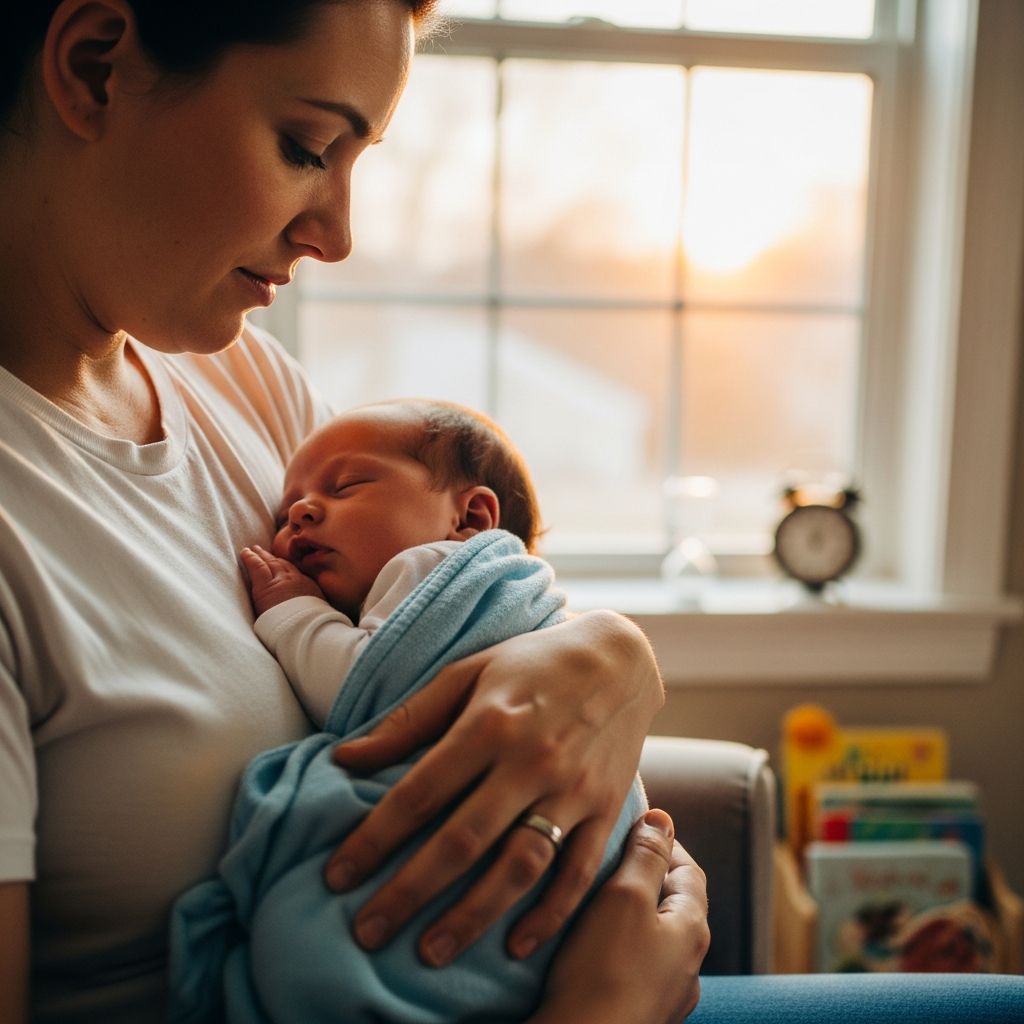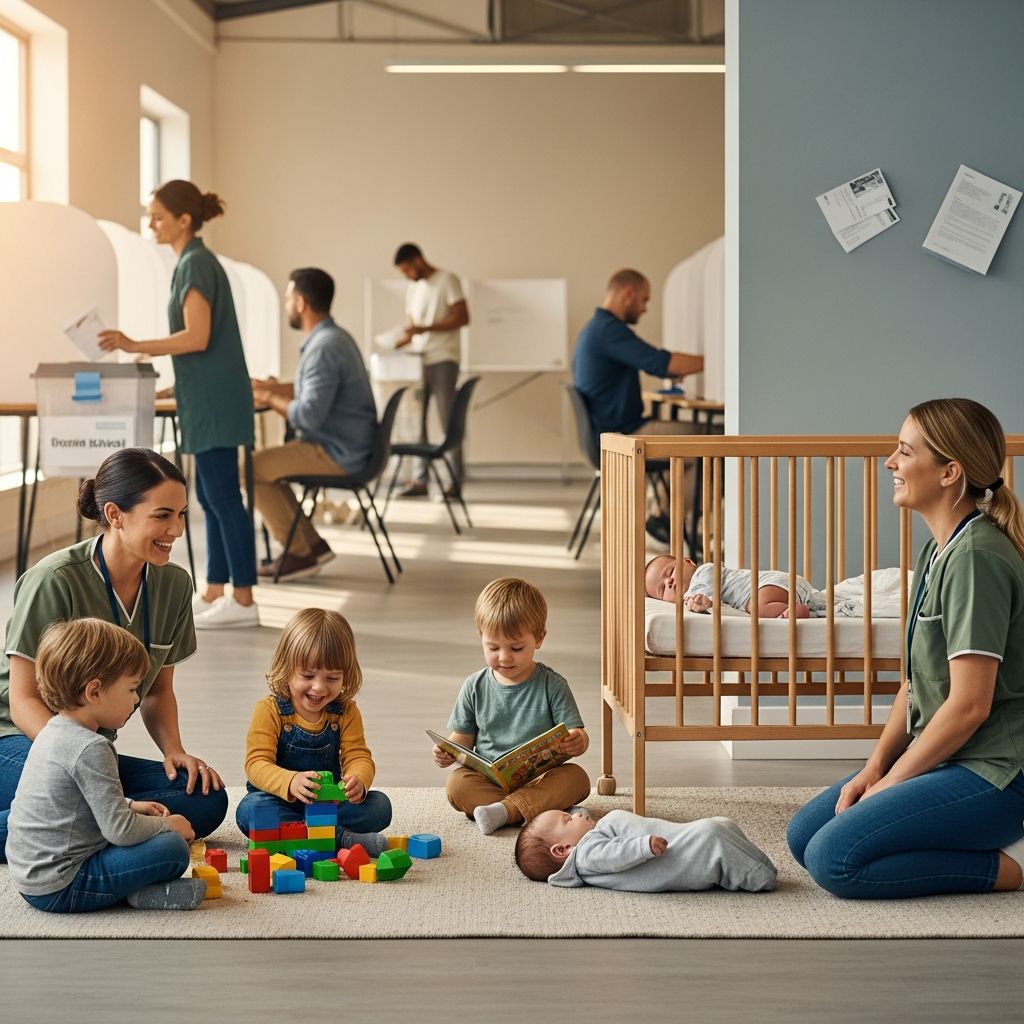
Participating in elections is a cornerstone of democracy, yet for parents, the logistics of childcare often stand as a formidable obstacle. High costs and limited availability can deter families from the polls, disproportionately affecting working mothers and low-income households. Fortunately, innovative programs across the U.S. provide free or subsidized childcare specifically for Election Day, ensuring every voice counts. These initiatives not only remove barriers but also foster greater voter turnout among parents, shaping policies on family support, education, and healthcare[10].
Why Childcare Matters for Voter Participation
Childcare expenses represent one of the largest hurdles for parents on voting day. Long lines at polling stations, combined with the need for safe child supervision, create a perfect storm of inconvenience. Studies show that parents with young children are less likely to vote due to these practical challenges, leading to underrepresentation in electoral outcomes. Programs addressing this gap directly contribute to a more inclusive democracy.
Initiatives like those from Politisit demonstrate how targeted support can make a difference. By offering drop-in childcare sites at or near polling locations, parents can cast their ballots stress-free. This model has expanded since 2020, covering federal, state, and local elections, with reimbursements for providers. Such efforts highlight the intersection of family needs and civic duty.
National Initiatives Breaking Down Voting Barriers
Organizations nationwide are stepping up to provide free childcare for voters. Politisit’s Childcare for Voters program maps out free drop-in sites, allowing parents to locate services easily. Providers can register via a simple form, set up care based on their capacity, report usage, and receive reimbursement checks or transfers. This streamlined process encourages more locations, especially in underserved areas.
Parents seeking options can request nearby sites or explore reimbursement for their own arrangements. Donors play a key role by funding expansions, ensuring broader coverage. Since its inception, the program has grown annually, proving its effectiveness in mobilizing parent voters.
Beyond Politisit, groups like the Children First Action Fund build communities of ‘Child Care Voters’ in states like Pennsylvania. They rally parents, providers, and advocates to support pro-family policies while offering resources like voter buttons to boost engagement. These efforts create a network effect, amplifying family voices in elections.
State-Specific Programs: Pennsylvania’s Child Care Works
Pennsylvania leads with Child Care Works (CCW), a robust subsidized childcare program aiding low-income families. CCW covers costs for care near home or work, with subsidies paying most or all fees based on income and family size. Families contribute a co-pay, which varies, and payments go directly to providers.
Over 200,000 children benefit yearly, enabling parents to work, train, or study. Eligibility requires Pennsylvania residency, children needing care during approved activities, income within guidelines, and at least 20 hours weekly of work/training (or 10 each for split schedules). Children qualify from birth to age 13 (18 for disabilities), and a job promise within 30 days suffices for new applicants.
| Eligibility Criterion | Details |
|---|---|
| Residency | Must live in Pennsylvania |
| Work/Training | 20+ hours/week or 10 work + 10 training |
| Child Age | Birth to 13 (18 with disabilities) |
| Income | Meets family size guidelines; co-pay applies |
Early Learning Resource Centers (ELRCs) guide applications, assess eligibility, and connect families to providers via tools like COMPASS. Helplines like (877) 4-PA-KIDS offer support. Providers accepting CCW serve at-risk children, enhancing community early learning.
Urban Innovations: Philadelphia’s Family Support
In Philadelphia, the city prioritizes early childhood access through PHLpreK, offering free pre-K for three- and four-year-olds since 2017. Hotlines and websites help families enroll in district programs. For broader needs, the Early Learning Resource Center (ELRC) assists with affordable care searches and financial aid via (888) 461-KIDS.
These resources align with election-day efforts, potentially extending to voting support. Philadelphia’s model shows how municipal programs complement national initiatives, providing layered support for parent voters.
How to Access Free Childcare on Election Day
- Check Interactive Maps: Use Politisit’s map for nearby drop-in sites. No site? Submit a request form.
- Partner as a Provider: Organizations apply online, set up care, certify usage, and get reimbursed for federal/state/local elections.
- Apply for Subsidies: Contact your ELRC for CCW or similar programs. Download forms or use online portals like COMPASS.
- Join Voter Networks: Sign up with groups like Child Care Voters for updates and swag.
- Explore Local Options: Cities like Philadelphia offer dedicated hotlines for quick assistance.
Preparation is key: Verify sites weeks ahead, confirm hours matching polling times, and have ID ready for subsidies. Some states reimburse personal arrangements if no sites exist.
Benefits Beyond the Ballot Box
Free childcare initiatives yield long-term gains. Parents vote for family-friendly policies, influencing childcare affordability and parental leave. Higher turnout among parents correlates with better early education funding[10]. Providers gain reimbursements, sustaining operations. Communities see empowered families, reducing voter suppression.
For children, safe play during voting exposes them to civic life early. Programs often include educational activities, blending fun with democracy lessons.
Challenges and Future Directions
Despite progress, gaps persist in rural areas and for non-traditional hours. Scaling requires more partners and funding. Advocacy groups push for permanent election-day childcare mandates. With 2026 midterms approaching, expansion is urgent.
Federal resources like ChildCare.gov guide families to local aid, emphasizing nationwide variability. Policymakers must prioritize these barriers for equitable participation.
Frequently Asked Questions (FAQs)
What is Politisit’s Childcare for Voters program?
It provides free drop-in childcare at polling sites, reimbursing providers for Election Day services across election types.
Who qualifies for Pennsylvania’s Child Care Works?
Low-income PA families working/training 20+ hours/week, with children under 13 (or 18 with disabilities).
How do I find an ELRC in my area?
Use state websites like pa.gov or raiseyourstar.org to locate and contact your local center.
Can I get reimbursed if no site is nearby?
Yes, parents can request reimbursement options via Politisit forms.
Does Philadelphia offer free pre-K?
Yes, PHLpreK provides free programs for 3-4 year-olds; call 1-844-PHL-PREK.
Are teen parents eligible for subsidies?
Yes, if enrolled full-time in education.
These FAQs address common concerns, empowering parents to plan effectively.
References
- Childcare for Voters — Politisit. 2024. https://www.politisit.org/childcare-for-voters
- Find child care and early childhood education — City of Philadelphia (.gov). 2024. https://www.phila.gov/services/education-learning/find-child-care-and-early-childhood-education/
- Child Care Voter — Children First Action Fund. 2024. https://childrenfirstactionfund.org/child-care-voter/
- Apply for Child Care Works (CCW) — Commonwealth of Pennsylvania (.gov). 2024. https://www.pa.gov/services/dhs/apply-for-child-care-works-subsidized-child-care
- Child Care Works (CCW) — The Pennsylvania Key. 2024. https://www.pakeys.org/ccw/
- Child Care Works (CCW) — PA Department of Human Services (.gov). 2024. https://www.pa.gov/agencies/dhs/resources/early-learning-child-care/child-care-works