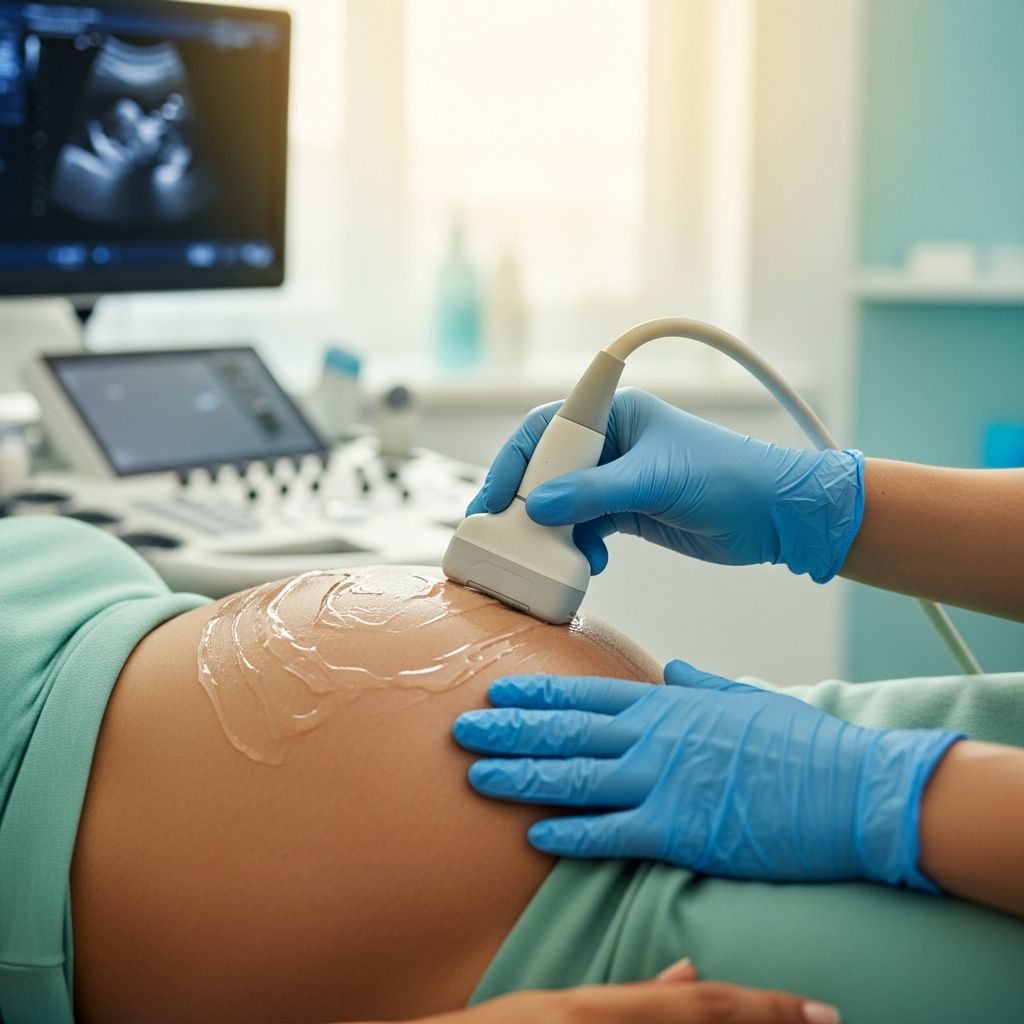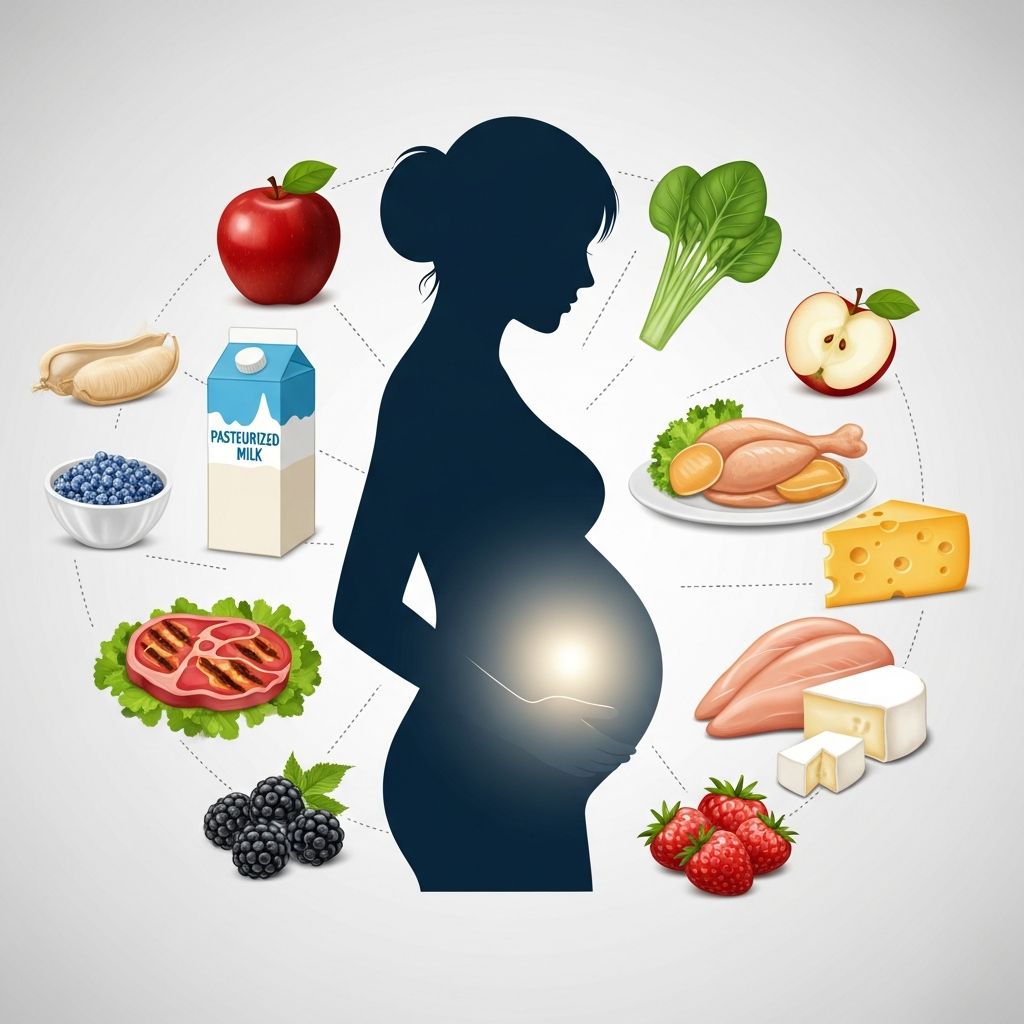
Expectant mothers face unique vulnerabilities to foodborne pathogens due to hormonal changes and immune system adjustments, making vigilance essential. Common bacteria like Listeria, Salmonella, and E. coli can cross the placental barrier, potentially leading to severe outcomes for both mother and fetus.
Why Pregnancy Heightens Food Safety Concerns
During pregnancy, the body’s defenses shift to protect the developing baby, temporarily weakening resistance to infections. This creates opportunities for harmful microbes from contaminated food to thrive. Dehydration from gastrointestinal symptoms poses additional threats, as it can reduce amniotic fluid levels and trigger preterm labor. Studies show pregnant individuals are 10 times more likely to contract listeriosis, underscoring the need for proactive measures.
Unlike non-pregnant adults, where most cases resolve without intervention, pregnancy amplifies risks. Mild maternal symptoms might mask fetal distress, delaying critical treatment. Awareness of these dynamics empowers women to make informed dietary choices throughout gestation.
Common Pathogens Threatening Expectant Mothers
Several bacteria dominate food poisoning incidents in pregnancy, each with distinct sources and impacts. Understanding them aids in targeted avoidance.
- Listeria monocytogenes: Thrives in unpasteurized dairy, deli meats, and soft cheeses; survives refrigeration, posing risks even in ‘fresh’ products.
- Salmonella: Found in undercooked poultry, eggs, and unpasteurized milk; leads to bloodstream infections and potential meningitis transmission.
- E. coli: Linked to raw vegetables, undercooked beef, and contaminated water; causes bloody diarrhea and risks hemolytic uremic syndrome.
- Campylobacter: From raw poultry or pets; early pregnancy exposure heightens miscarriage odds.
- Norovirus: Spread via contaminated produce or surfaces; primarily causes dehydration but rarely malnutrition.
| Pathogen | Common Sources | Incubation Period | Pregnancy-Specific Risk |
|---|---|---|---|
| Listeria | Deli meats, soft cheeses | 2 weeks to 2 months | Miscarriage, stillbirth |
| Salmonella | Eggs, poultry | 6-72 hours | Meningitis in newborn |
| E. coli | Ground beef, sprouts | 3-4 days | Kidney failure |
| Campylobacter | Raw chicken | 2-5 days | Preterm birth |
This table summarizes key threats, drawing from CDC data on incubation and FDA advisories for at-risk groups.
Recognizing Symptoms: What to Watch For
Foodborne illness symptoms mimic morning sickness but escalate rapidly. Primary signs include sudden nausea, profuse vomiting, watery diarrhea, and abdominal cramps—often appearing hours to days post-exposure.
Additional red flags encompass:
- Fever exceeding 100.4°F (38°C), chills, or flu-like muscle aches.
- Headaches, fatigue, or stiff neck signaling possible Listeria.
- Bloody stools or severe dehydration indicators like dizziness and rapid heartbeat.
Pregnancy complicates diagnosis, as baseline nausea persists. Distinguish by abrupt onset and gastrointestinal dominance over isolated vomiting. Fetal movement reduction demands immediate evaluation.
Potential Complications for Mother and Baby
Beyond discomfort, untreated infections endanger pregnancy viability. Dehydration remains paramount, risking neural tube defects and oligohydramnios. Listeria silently invades the placenta, causing 20-30% miscarriage rates and neonatal sepsis.
Salmonella and E. coli provoke bacteremia, arthritis, or renal damage, with vertical transmission possible. Extreme cases culminate in stillbirth or lifelong infant neurological issues. Early intervention mitigates most risks, emphasizing prompt care.
When to Seek Urgent Medical Help
Not all episodes warrant alarm, but specific triggers necessitate emergency response. Contact your provider if symptoms persist beyond 24 hours or include high fever (over 102°F), inability to retain fluids, or blood in stool.
Critical scenarios:
- Signs of severe dehydration: dry mouth, scant urine, lightheadedness.
- Fetal distress: absent movements or contractions.
- Neurological symptoms: confusion, vision changes.
Diagnosis involves stool cultures, blood tests, and vital monitoring. Treatment prioritizes hydration via IV fluids and antibiotics for bacterial culprits like Listeria.
Prevention Strategies: Safe Eating Guidelines
Proactive habits slash risks dramatically. FDA and ACOG advocate these evidence-based practices:
- Cook meats to 165°F internal temperature; avoid raw/undercooked items.
- Skip unpasteurized juices, cheeses (e.g., feta, brie), and deli meats unless reheated steaming hot.
- Wash produce under running water; steer clear of raw sprouts.
- Practice hygiene: separate boards for meats, frequent handwashing.
Stock kitchens with pasteurized alternatives and thermometers for precision cooking. These steps, rooted in official guidelines, protect without sacrificing nutrition.
Treatment Approaches and Recovery Tips
Home care suffices for mild cases: rest, oral rehydration solutions (ORS), and bland diets (BRAT: bananas, rice, applesauce, toast). Avoid anti-diarrheals without guidance, as they prolong bacterial clearance.
Hospitalization addresses severe dehydration or confirmed infections. Amoxicillin treats Listeria effectively if started early. Recovery spans days to weeks; monitor for relapse and resume prenatal vitamins post-resolution.
Post-illness, track fetal health via ultrasounds. Most pregnancies rebound fully with timely care.
Frequently Asked Questions (FAQs)
Can mild food poisoning harm my unborn baby?
Mild cases rarely impact the fetus, but dehydration risks warrant medical checks to ensure safety.
Is Listeria the only serious threat during pregnancy?
No, Salmonella, E. coli, and Campylobacter also pose dangers, though Listeria is most studied due to prevalence in pregnant cases.
How soon after eating bad food do symptoms start?
Varies by pathogen: 18-36 hours for some, up to 2 months for Listeria.
Are there safe cheeses I can eat while pregnant?
Yes, hard cheeses like cheddar and pasteurized varieties are low-risk.
What if I’m trying to conceive and get food poisoning?
Infections may inflame the uterine lining, potentially delaying implantation; consult your doctor.
Empowering Your Pregnancy Journey
Knowledge fortifies against unseen threats. By integrating safe food handling, symptom awareness, and swift action, expectant mothers minimize risks effectively. Regular prenatal visits reinforce these protections, fostering healthy outcomes.
References
- What to Do If You Get Food Poisoning While Pregnant — Healthline. 2023. https://www.healthline.com/health/pregnancy/food-poisoning
- Food Poisoning While Pregnant: Causes, Treatment and Prevention — The Bump. 2023. https://www.thebump.com/a/food-poisoning-during-pregnancy
- Food poisoning and pregnancy — Tommy’s. 2024. https://www.tommys.org/pregnancy-information/im-pregnant/nutrition-in-pregnancy/campylobactor-and-pregnancy
- Food Poisoning During Pregnancy: What To Do — WebMD. 2023. https://www.webmd.com/food-recipes/food-poisoning/food-poisoning-while-pregnant
- Listeria & Pregnancy: Causes, Symptoms & Treatment — Cleveland Clinic. 2024. https://my.clevelandclinic.org/health/diseases/listeria-in-pregnancy
- Food Poisoning Symptoms — CDC. 2025-01-10. https://www.cdc.gov/food-safety/signs-symptoms/index.html
- What Is Foodborne Illness? (Food Safety for Moms-to-Be) — FDA. 2024. https://www.fda.gov/food/people-risk-foodborne-illness/what-foodborne-illness-food-safety-moms-be
- Listeria infection – Symptoms & causes — Mayo Clinic. 2024-08-05. https://www.mayoclinic.org/diseases-conditions/listeria-infection/symptoms-causes/syc-20355269
- Listeria and Pregnancy — ACOG. 2023. https://www.acog.org/womens-health/faqs/listeria-and-pregnancy