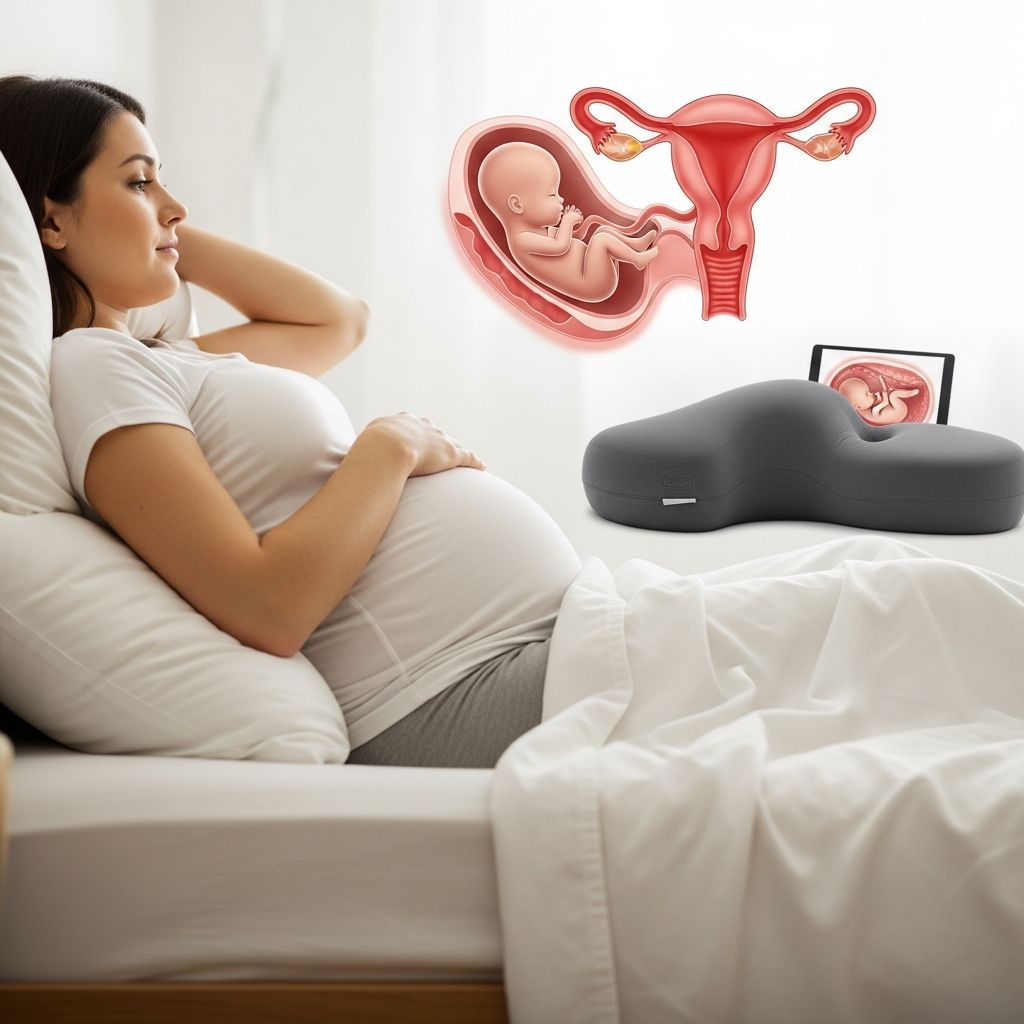
Reaching 19 weeks of pregnancy places you firmly in the second trimester, when many people feel more energetic but start to notice new physical changes as the baby grows. This week is often about becoming more aware of your baby’s movements, understanding new sensations in your body, and preparing for upcoming tests and appointments.
Your Baby at 19 Weeks: Inside the Womb
By week 19, your baby is growing steadily, practicing movements, and developing features that will be important after birth. Although still small, your baby is already forming the systems needed to live outside the womb later in pregnancy.
- Your baby now has a protective creamy coating on the skin, which helps prevent irritation from the surrounding fluid.
- Special types of body fat are starting to develop, which will later help with temperature control after birth.
- The brain is busy wiring pathways for the senses, including hearing, taste, touch, sight, and smell.
- Muscles and joints are getting stronger, so kicks, stretches, and rolls are becoming more frequent.
Many parents picture this week as a time when the baby is actively rehearsing for life outside the uterus—moving, swallowing, and responding to the environment in simple but important ways.
Typical Size and Growth This Week
Although exact size varies from baby to baby, there are some general expectations for this point in pregnancy. Most babies at 19 weeks measure several inches long from head to bottom and weigh only a few ounces. These numbers can sound tiny, yet the difference in growth from earlier weeks is dramatic.
| Growth Aspect | What to Expect at 19 Weeks |
|---|---|
| Length | Several inches from head to bottom, similar to the length of a medium-sized piece of fruit. |
| Weight | A few ounces, light enough to sit in the palm of a hand if born at this size (though not yet ready for life outside). |
| Body Proportions | Head and body becoming more balanced, with limbs lengthening and looking more like a newborn’s. |
| Skin and Fat | Delicate skin covered in a protective layer, while early fat stores begin to form under the surface. |
Ultrasounds around this time can give a clearer picture of your baby’s structure, including the spine, limbs, and facial features, although your provider focuses most on health and development rather than appearance.
Sensations and Movement: Feeling Baby for the First Time
Many pregnant people start to notice early movements somewhere between weeks 18 and 20, and week 19 often falls right in that window. These first sensations can be subtle and easy to miss if you do not know what to look for.
Early movements may feel like:
- Gentle fluttering or brushing inside the lower abdomen.
- Light tapping or tiny bubbles rising.
- A mild rolling or turning sensation, especially when resting quietly.
Every pregnancy is different, so some people feel movement later than others, especially in a first pregnancy or when the placenta lies between the baby and the front of the uterus. If you are ever worried that you are not feeling movement when you expect to, contact your healthcare provider for guidance.
Your Changing Body at 19 Weeks
By this point, many people feel clearly pregnant. Your uterus has grown above the level of your pubic bone and is rising toward your belly button, and your body continues to adapt to support your growing baby.
- Your abdomen is expanding, which can stretch skin and ligaments and sometimes cause tightness or discomfort.
- Breasts may feel fuller and heavier as glands prepare for possible breastfeeding.
- Posture often shifts as your center of gravity changes, sometimes leading to back or hip aches.
- You may notice weight gain becoming more consistent compared with the first trimester.
The second trimester is often described as the most comfortable phase, but that does not mean it is symptom-free. Paying attention to your body’s signals can help you manage discomfort early.
Common Symptoms in Week 19
Symptoms vary widely, but several are common around 19 weeks as your body stretches, hormones fluctuate, and blood volume increases. Not all of these are serious, but they can be surprising if you do not expect them.
- Mild abdominal or groin discomfort: As the uterus grows, the supporting ligaments stretch and may cause brief, sharp pains with sudden movements.
- Back pain: Extra weight and shifting posture can strain muscles in the lower back.
- Leg cramps: These can appear at night and may relate to circulation changes or muscle fatigue.
- Skin changes: You may see darkening along the midline of the abdomen, darkened nipples, or patches of pigmentation on the face.
- Increased appetite: As early nausea fades for many people, hunger often rises to support rapid growth.
- Mild swelling: Hands, feet, or ankles may look a bit puffier, especially later in the day.
Monitor any symptom that changes quickly or feels severe, particularly pain, heavy bleeding, persistent headaches, or sudden swelling in the face or hands. These deserve prompt medical attention.
Mental and Emotional Changes
At 19 weeks, emotions can be a mix of excitement, curiosity, and anxiety. The pregnancy may start to feel more real as you feel movement or see clearer images on ultrasound, and that can bring both joy and worry.
- Many parents feel more connected to the baby after feeling movement or hearing the heartbeat.
- Concerns about parenting, finances, work, and childbirth may become more frequent topics of thought.
- Mood swings can still occur due to hormonal changes, fatigue, or stress.
Talking openly with a partner, trusted friend, or healthcare provider can help normalize these feelings. If sadness, anxiety, or hopelessness feels constant or overwhelming, ask for support; mental health is a key part of prenatal care.
Medical Care Around Week 19
Many people have regular prenatal visits every four weeks during the mid-second trimester. Around this time, your provider may review earlier test results, check your blood pressure and weight, and listen to the baby’s heartbeat.
Common aspects of care in this time frame include:
- Anatomy ultrasound: Often scheduled between weeks 18 and 22, this detailed scan evaluates the baby’s organs, limbs, brain structures, and overall growth.
- Screening discussions: Your provider may review options for additional tests if any earlier screening results were unclear.
- Symptom review: You will usually be asked about pain, bleeding, discharge, mood changes, and movement to ensure everything is progressing safely.
- Lifestyle guidance: It is common to receive advice about nutrition, exercise, and work adjustments at this stage.
Use these visits as an opportunity to ask questions and share any concerns, even if they seem minor. Keeping a small list on your phone can help you remember topics you want to discuss.
Healthy Habits for Week 19
Supporting your body with consistent habits can make this stage of pregnancy more comfortable and may promote healthy growth for your baby. Focus on small changes you can maintain rather than strict rules that create stress.
- Balanced eating: Aim for regular meals with a mix of whole grains, lean proteins, fruits, vegetables, and healthy fats. A prenatal vitamin can help fill nutritional gaps if recommended by your provider.
- Hydration: Drinking enough water supports increased blood volume and helps reduce constipation and some types of headaches.
- Gentle activity: Walking, swimming, or prenatal yoga can improve circulation, mood, and sleep quality, as long as your provider has not advised against exercise.
- Rest and sleep: Try to build a calming evening routine and experiment with pillows to support your belly and between your knees.
- Avoiding harmful substances: Stay away from tobacco, alcohol, recreational drugs, and non-recommended medications or supplements.
Always confirm specific diet or exercise questions with your healthcare provider, especially if you have medical conditions such as diabetes, high blood pressure, or heart disease.
Practical Preparations You Can Start Now
Week 19 is a good time to gradually start preparing for the months ahead without feeling rushed. You do not need to have everything ready yet, but planning early can reduce stress later.
- Consider how and when to share news with your employer if you have not already, and begin exploring leave policies.
- Start a simple budget review to estimate baby-related expenses such as diapers, clothing, and childcare.
- Research childbirth education or newborn care classes in your area or online.
- Think about who you want present during labor and who you can rely on for postpartum support.
- Begin a list of baby supplies to acquire gradually rather than all at once.
Approaching these tasks step-by-step makes them feel more manageable and gives you time to adjust your plans as the pregnancy progresses.
When to Call Your Healthcare Provider
Most pregnancies experience minor discomforts that are not emergencies, but it is important to recognize warning signs. When in doubt, contacting your provider is always appropriate.
Call or seek urgent care if you notice:
- Vaginal bleeding that is more than spotting, or fluid leaking from the vagina.
- Severe or persistent abdominal pain or cramping.
- Sudden, intense headache, vision changes, or pain in the upper right side of the abdomen.
- Fever, chills, or burning during urination.
- Marked decrease in movement after you have already been feeling the baby regularly.
Getting help quickly in these situations can protect both you and your baby, even if it turns out to be something minor.
Frequently Asked Questions About Week 19
Is it normal to feel only light flutters at 19 weeks?
Yes. Early movements are often very gentle and easy to confuse with gas or muscle twitches. They tend to become stronger and more regular over the next several weeks, and many first-time parents do not feel clear kicks until closer to 20 weeks or later.
My bump seems small (or large) compared with others. Should I worry?
Bump size varies widely and depends on body type, muscle tone, how many pregnancies you have had, and the baby’s position. Your provider monitors your uterus size and, when indicated, uses ultrasound to check growth, which is more reliable than visual comparisons with other pregnant people.
Can I sleep on my back at 19 weeks?
Many providers recommend gradually shifting toward side-sleeping as the uterus becomes heavier, because lying flat on the back for long periods may compress major blood vessels. However, briefly waking up on your back is common and usually not harmful; simply roll to your side and use pillows for support.
Is mild cramping normal?
Mild, occasional cramping or pulling sensations can be related to the stretching of ligaments or digestive changes. Pain that is severe, persistent, or accompanied by bleeding, dizziness, or fever should be evaluated urgently.
Do I need special exercise routines this week?
You usually do not need a completely different exercise plan just because you reached week 19. Instead, focus on low-impact activities, listen to your body, avoid lying flat on your back for extended intense workouts, and stop any activity that causes pain, dizziness, or shortness of breath beyond what feels normal.
Key Takeaways for Week 19
- Week 19 is a time of noticeable growth and often the beginning of feeling baby movements.
- Common changes include a growing belly, shifting posture, and new but usually mild discomforts such as backache or ligament pain.
- Healthy habits, regular prenatal care, and prompt attention to warning signs support both your wellbeing and your baby’s development.
- Emotional ups and downs are normal, and building a support network now can make the rest of pregnancy and the postpartum period smoother.
This week is one more step in a longer journey. Focusing on rest, nourishment, and connection with your baby can help you move through the second trimester with greater confidence and comfort.