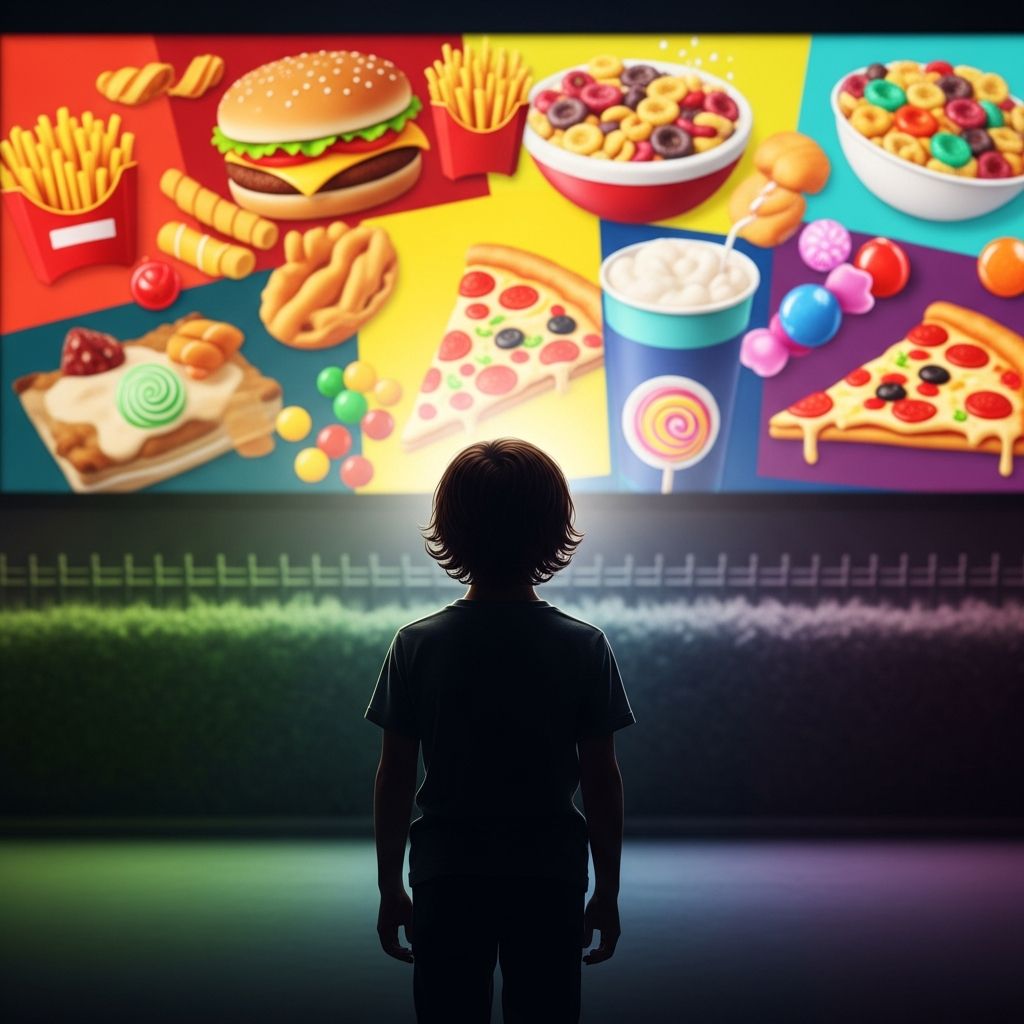
Everywhere children turn, food companies are trying to sell them something sweet, salty, or brightly packaged. From cartoon-covered cereal boxes to snack ads inside mobile games, marketing aimed at kids has become part of childhood itself. When companies agree to limit how much they advertise to children, it is a meaningful step toward healthier habits—but it is only part of the solution.
This article explains how food marketing shapes children’s choices, why restrictions on these ads are a big deal, where voluntary pledges fall short, and how parents can respond at home, at school, and in the community.
How Food Marketing Reaches Children Today
Food advertising used to appear mainly on TV, but today it follows kids across nearly every environment they experience. Understanding where and how these messages appear is the first step toward protecting children from constant pressure to consume unhealthy foods.
- Television and streaming platforms: Many kids still see snack, fast-food, and sugary drink ads during cartoons, family shows, and even sports programming.
- Online video and apps: Ads appear before, during, or after kid-friendly videos, plus as banners and pop-ups on gaming and entertainment apps.
- Social media and influencers: Sponsored posts, branded challenges, and product placements blur the line between entertainment and advertising.
- Retail environments: Eye-level products, colorful displays, and checkout lane treats are carefully designed to catch kids’ attention.
- Schools and activities: Vending machines, fundraisers, and sponsored events sometimes feature low-nutrition foods, even in otherwise health-focused settings.
These multiple touchpoints mean that even if families avoid traditional TV commercials, children can still encounter dozens of food marketing messages in a single day.
Why Children Are Especially Vulnerable to Ads
Children do not process advertising the way adults do. Their brains and judgment are still developing, which makes persuasive messages more powerful and more difficult for them to resist.
- Limited understanding of persuasion: Young children often cannot distinguish between content and advertising or recognize that an ad is trying to influence them.
- Strong emotional appeal: Bright colors, mascots, toys, and catchy jingles tap into emotion rather than reason, bypassing any nutritional concerns.
- Developing self-control: Children have less capacity for impulse control, so repeated exposure to tempting imagery can quickly shape cravings and requests.
- Peer influence: Ads that show groups of kids having fun with a product encourage children to see that food as a way to belong socially.
Because of these vulnerabilities, many experts argue that marketing unhealthy foods to children is not simply another business strategy—it is a public health issue.
The Health Impact of Junk Food Advertising
Advertising is not the only cause of poor nutrition or childhood obesity, but it plays a powerful supporting role. When children are repeatedly exposed to ads for certain foods, those foods become familiar, desirable, and normalized as everyday choices.
- Preference shaping: Kids often ask for brands they recognize from ads, even when they have barely tasted the product.
- Portion distortion: Ads commonly show oversized servings, leading children to view large portions as standard.
- Snacking habits: Constant promotion of snacks encourages “grazing” and eating for entertainment, not hunger.
- Long-term patterns: Early habits—like associating treats with comfort, fun, or rewards—can follow children into adolescence and adulthood.
When many of the most heavily promoted foods are high in added sugar, salt, and unhealthy fats, these advertising patterns contribute to diets that are out of balance with kids’ long-term health needs.
Types of Foods Most Heavily Marketed to Kids
Not all foods are advertised equally. Parents may notice that most of the ads their children see fall into a handful of categories that are convenient, tasty, and highly processed.
| Category | Common Features | Typical Marketing Hooks |
|---|---|---|
| Sugary cereals | High in sugar, colorful shapes, low fiber | Cartoon mascots, games on boxes, prizes or codes inside |
| Snack foods (chips, cookies) | High in salt or sugar, refined grains | Party imagery, “can’t stop” messaging, fun flavors |
| Sugary drinks | Added sugars, little or no nutritional value | Sports themes, music tie-ins, bright colors |
| Fast-food meals | High calories, refined carbs, added fats | Toys with kids’ meals, movie tie-ins, playground imagery |
| Frozen treats and desserts | High sugar, added fats, artificial colors | Summer fun themes, characters, fantasy flavors |
Healthier items like vegetables, whole fruits, and plain water rarely receive the same level of advertising, leaving parents to shoulder most of the work of making those foods appealing.
What It Means When Companies Limit Ads to Kids
In recent years, some large food and beverage companies have announced policies to reduce or restrict their advertising aimed at children. These commitments often sound straightforward, but the details matter a great deal.
- Age thresholds: Some pledges focus on children under a certain age, such as under 12 or under 13, leaving older kids and teens still heavily targeted.
- Audience definitions: Companies may only limit ads in media where a high percentage of viewers are children, which can exclude many family-oriented programs and platforms.
- Product categories: A commitment might apply to only the least nutritious products in a brand’s portfolio, while still allowing heavy promotion of borderline options.
- Marketing techniques: Policies sometimes emphasize traditional commercials, without fully accounting for influencers, branded content, and in-app advertising.
When a company truly reduces or removes kid-focused ads for its least healthy products, it represents meaningful progress. Yet these moves tend to be voluntary and uneven, leaving plenty of gaps.
The Benefits of Stronger Limits on Kid-Directed Ads
Even partial limits on food marketing to children can reduce daily exposure to persuasive messages that promote unhealthy eating. Over time, this can make it easier for families to choose foods based on taste, budget, and health rather than advertising hype.
- Less pester power: When children see fewer ads, they are less likely to beg for specific brands or products in the store.
- More room for family values: Parents’ messages about balanced eating no longer compete as directly with constant commercial messaging.
- Smoother shopping trips: Fewer brand-driven arguments can make grocery visits less stressful for everyone.
- Healthier norms: Reducing the visibility of junk foods can help shift what children see as “normal” daily choices.
Limitations alone do not guarantee that kids will automatically choose fruits over fries, but they do help remove some of the stacked odds against healthier eating.
Where Voluntary Policies Fall Short
While it is encouraging when companies take responsibility, voluntary restrictions have built-in weaknesses. These gaps are important for parents and advocates to understand.
- Self-set definitions: Companies may define what “child-directed” means in ways that leave out many real-world situations where kids are clearly watching.
- Lack of independent oversight: Without external monitoring, it can be difficult to verify whether pledges are consistently followed.
- Shifting tactics: If one type of ad becomes off-limits, marketing may migrate to other channels, such as packaging, in-store displays, or influencer content.
- Uneven participation: Some brands participate in initiatives to limit ads, while others simply continue business as usual.
These limitations explain why many public health experts favor clear, enforceable standards that apply across the industry rather than relying solely on voluntary commitments.
What Parents Can Do at Home
Parents cannot control every ad their children see, but they can equip kids with tools to think critically about marketing and make more thoughtful choices. Small, consistent habits often make the biggest difference.
Build Media Savvy
- Point out ads during shows or online videos and ask your child, “What are they trying to sell here?”
- Explain that ads are designed to make products look more fun, tastier, or more exciting than they really are.
- Encourage kids to notice when something is sponsored or branded, even if it is presented as entertainment.
Set Screen and Ad-Exposure Boundaries
- Use ad-free or reduced-ad platforms when possible, especially for younger children.
- Create family rules like no videos during meals and no screens in bedrooms at night.
- Turn off auto-play features to limit long stretches of unattended viewing with multiple ad breaks.
Make the Kitchen the Main Influencer
- Involve children in choosing recipes and preparing simple dishes so they feel connected to real food.
- Keep a few appealing, ready-to-eat healthy snacks visible—such as cut-up fruit, vegetables with dip, or unsweetened yogurt.
- Talk about how different foods help them grow, think, and play, rather than labeling foods as “good” or “bad.”
Over time, these strategies can help children see themselves as active decision-makers, not just passive audiences for marketing.
Using the Grocery Store as a Teaching Lab
The supermarket is one of the most powerful advertising environments children encounter. The way families shop can either amplify or neutralize some of that pressure.
- Shop with a list: Decide what to buy before going in, and let kids help write and check off items.
- Walk the perimeter first: Focus on sections with produce, dairy, and minimally processed foods before venturing into snack aisles.
- Compare products together: Show children two similar items and read key parts of the labels: sugar content, ingredients list, or fiber amount.
- Limit impulse zones: Set a rule about what, if anything, can be chosen from the checkout area to reduce last-minute conflicts.
When grocery trips become interactive lessons, kids begin to understand how marketing and packaging work—and how to look beyond them.
Advocating Beyond Your Own Household
Individual families can only do so much against large marketing budgets. When parents speak up together, they can influence school policies, community practices, and even broader regulations.
- Schools and childcare centers: Ask about vending options, fundraising products, and advertising on school grounds. Encourage guidelines that favor nutritious choices and limit brand promotion.
- Sports leagues and youth programs: Suggest sponsorships from local businesses that align with health goals, rather than relying on fast-food or sugary drink branding.
- Local government: Support efforts to limit child-targeted marketing in public spaces or near schools, especially for the least nutritious products.
- National initiatives: Stay informed about proposals related to food marketing and children’s health, and share feedback with representatives.
Collective action does not eliminate advertising overnight, but it can steadily shift the environment so that healthy choices become easier, not harder.
Helping Kids Build a Healthy Relationship with Food
Ultimately, the goal is not to create anxiety about every commercial or snack but to give children a stable foundation of habits and attitudes that serve them well throughout life. Advertising is one influence among many; nurturing inner resilience is just as important as changing outer messages.
- Balance, not perfection: Show that enjoying occasional treats is part of normal life while emphasizing that everyday foods should nourish and sustain.
- Body respect: Focus conversations on how food supports energy, mood, and strength rather than on weight or appearance.
- Shared meals: Eat together when possible, using the time for connection rather than negotiations about specific products or brands.
- Listening to hunger cues: Encourage children to notice when they feel hungry or full, even if an ad suggests it is always time for a snack.
When kids learn that they are more than what they buy or eat, advertising loses some of its power to define their choices.
Frequently Asked Questions
Are all food ads aimed at kids harmful?
Not necessarily. Ads that promote genuinely nutritious foods, encourage family meals, or support positive health messages can be helpful. The concern arises when the vast majority of marketing dollars are dedicated to products that are high in sugar, salt, and unhealthy fats and are positioned as everyday, not occasional, choices.
Is it realistic to avoid all junk food marketing?
Completely avoiding marketing is nearly impossible in modern life. The more practical goal is to reduce unnecessary exposure—especially for younger children—and to help older kids recognize and question advertising rather than absorbing it uncritically.
What if my child already loves several heavily advertised brands?
Most families are in that situation. Rather than banning those products outright, consider gradual changes: offer them less often, pair them with healthier options, and talk openly about how ads make them seem more essential than they really are.
Do advertising limits take away parental choice?
Parents remain free to buy any legal product they choose. Limits on child-directed advertising are designed to reduce undue pressure on children and families, not to dictate what adults are allowed to purchase or serve.
How can I support companies that behave responsibly?
Look for brands that are transparent about their marketing policies, invest in healthier products, and avoid using child-appealing tactics for low-nutrition items. When possible, support these companies with your purchases and let them know that their efforts matter to your family.
Moving Toward a Healthier Advertising Landscape
Limiting how and when food companies can advertise to kids is an important step toward a healthier childhood environment. Still, those limits work best when combined with parental guidance, media awareness, and everyday routines that put real food—rather than marketing messages—at the center of family life.
Parents do not have to be perfect to make a difference. By staying informed, setting reasonable boundaries, and speaking up at home and beyond, families can help shape a future where children’s health is not an afterthought in the race to sell snacks.