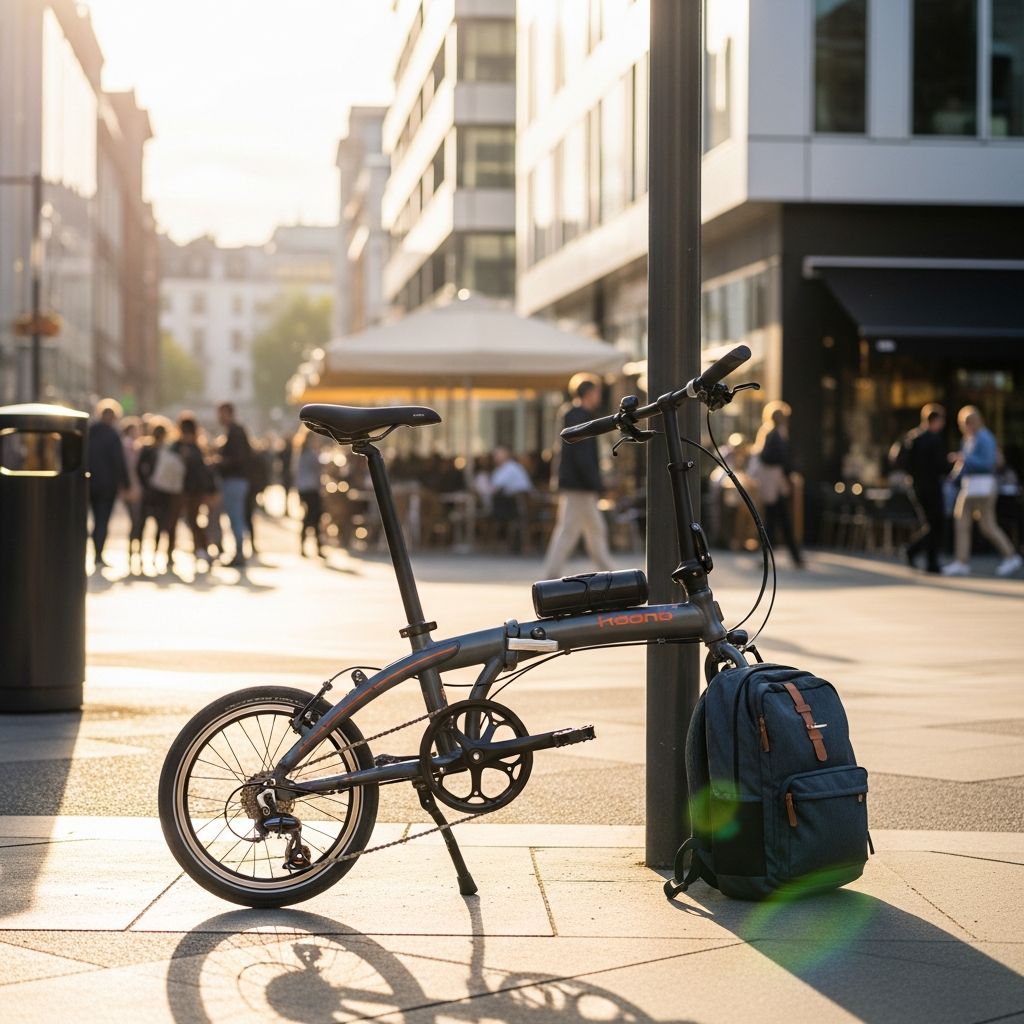
Folding bikes have moved from quirky niche to everyday essential for commuters, travelers, and anyone who wants the freedom of cycling without the storage and security headaches of a traditional bicycle.
Why Folding Bikes Fit Real Life
Most people do not avoid cycling because they dislike bikes; they avoid it because bikes do not always fit into everyday logistics. A folding bike tackles those pain points directly by collapsing into a compact package you can carry, store, and protect with ease.
Instead of planning your day around a full-size bicycle, a folding bike lets you plan your day around your life: work, school runs, errands, travel, and even spur-of-the-moment detours.
- It fits small apartments, shared hallways, and crowded offices.
- It moves seamlessly between streets, trains, buses, and car trunks.
- It lowers the risk of theft because it can usually stay right beside you.
Who Gains the Most From a Folding Bike?
While anyone can enjoy a folding bike, some lifestyles benefit especially strongly. If you see yourself in any of the profiles below, a compact bike may be more of a necessity than a luxury.
Urban and Suburban Commuters
For city workers dealing with limited parking, crowded public transport, and unpredictable schedules, a folding bike becomes a time-saving, stress-reducing tool rather than just a recreational toy.
- Ride from home to the station, fold, and board without worrying about bike spaces.
- Bypass traffic jams and avoid waiting for delayed buses on short connections.
- Store the folded bike under your desk or in a corner of a small office.
Parents and Caregivers
Caring for children often means irregular schedules and last-minute changes. A folding bike can help you move quickly between school, work, and activities without needing another car.
- Use it for the “last kilometer” after parking farther away from crowded school zones.
- Stash it in the trunk for spontaneous park visits or after-school errands.
- Store it indoors at home even when space is shared or limited.
Frequent Travelers
If you often take trains, long-distance buses, or road trips, a folding bike can transform how you explore new places. Instead of being limited to the immediate area around your hotel or station, you can roam widely on two wheels.
- Pack the folded bike in a car trunk alongside luggage with room to spare.
- Use it to connect from a remote parking lot or park-and-ride to your final destination.
- Bring it on weekend getaways to avoid renting bikes or relying on taxis.
Key Advantages of Folding Bikes
When someone falls in love with a folding bike, it is usually because of a combination of practical advantages rather than just one standout feature. The following benefits are what make people loyal to the format.
Portability and Easy Storage
The defining feature of a folding bike is its ability to shrink. This matters far beyond simple convenience; it changes where a bike can live and how it moves through your day.
- Carry it up stairs without battling narrow stairwells or elevators.
- Slide it behind a door, under a desk, or into a closet instead of needing a garage.
- Bring it into cafés, offices, and apartments to reduce exposure to theft and weather.
Security and Peace of Mind
Theft anxiety stops many people from cycling regularly. A folding bike reduces that anxiety because the default “lockup spot” becomes the same place you are already going: inside.
- Keep it in your workspace instead of a public bike rack.
- Store it at home in a hallway, closet, or spare corner, away from prying eyes.
- Lock it briefly when needed, but rely less on outdoor parking overall.
Cost Savings Over Time
The purchase price of a quality folding bike can feel significant, but over time it often replaces daily transport costs and parking fees. Each short ride that would have required a bus, rideshare, or paid parking gradually pays back the investment.
- Cut down on monthly transit passes if you combine riding and occasional tickets.
- Reduce fuel and maintenance costs for a car, especially in dense areas.
- Avoid recurring bike-share or scooter rental fees on daily commutes.
Health and Lifestyle Benefits
Beyond convenience and money, folding bikes build movement into ordinary moments. Short, frequent rides accumulate into meaningful physical activity even if you never “work out.”
- Arrive more alert and energized at work thanks to a light ride instead of a crowded bus.
- Turn tedious errands into quick, refreshing outdoor breaks.
- Encourage kids and family members to stay active by example.
Understanding Folding Bike Features
From the outside, many folding bikes look similar: small wheels and a hinge in the frame. Once you start shopping, differences in weight, folding style, gearing, and wheel size become important. Knowing what matters most to you will keep you from overpaying for features you do not use.
| Feature | What It Affects | Best For |
|---|---|---|
| Weight | How easy it is to carry up stairs or lift onto trains. | People who often carry the bike rather than roll it. |
| Fold size | How much space it needs at home, work, or on transit. | Apartment dwellers and office workers with tight storage. |
| Wheel diameter | Ride feel, stability, and how compact the bike folds. | Short commutes (small wheels) vs. longer, faster rides (larger wheels). |
| Gearing | Ability to handle hills and maintain comfortable speed. | Hilly terrain or riders carrying extra weight. |
| Electric assist | Effort level on climbs and longer distances. | Riders with longer commutes or limited physical capacity. |
Fold Type and Mechanism
Different brands use specific folding patterns, but they generally fall into two categories: bikes that fold mainly in half, and bikes that compress into a more cube-like bundle with multiple hinges. Simpler folds are faster and easier for beginners, while more complex folds can produce a smaller package.
- If you fold and unfold many times per day, prioritize speed and simplicity.
- If you ride less often but need ultra-compact storage, aim for a tighter fold.
- Always test the mechanism; it should feel smooth, secure, and intuitive.
Wheel Size and Ride Feel
Small wheels help the bike fold down very compactly and make acceleration quick, while larger wheels feel more like a conventional bike at higher speeds. There is no universally perfect size; the right choice depends on your roads, distances, and handling preferences.
- Smaller wheels are ideal for short city hops and frequent folding.
- Larger wheels roll more easily over bumps and feel more stable.
- Test different sizes to see which feels natural at your typical speed.
Electric vs. Non-Electric Folding Bikes
Electric folding bikes add a motor and battery, creating a compact machine that smooths out hills and long distances. They weigh more and cost more, but they also extend how far and how often many people choose to ride.
- Choose electric assist if your route includes steep hills or longer stretches.
- Stay non-electric if you prioritize low weight, simplicity, and minimal maintenance.
- Consider where you will charge and store the battery safely.
How to Choose the Right Folding Bike for You
Instead of starting with brands or colors, begin with your daily reality. The questions below will guide you toward a bike that serves your actual life rather than an imagined one.
Step 1: Map Your Typical Week
Think about where you go and how you get there on a normal week. This tells you how often you will ride, how far, and what kind of surfaces you meet most of the time.
- List your regular destinations: work, school, shops, social visits.
- Estimate the distance for each and whether the route is flat, rolling, or hilly.
- Mark which trips involve public transport or car travel.
Step 2: Define Your Non-Negotiables
Some features are nice to have, while others are deal-breakers. Clarifying your non-negotiables prevents buyer’s remorse later.
- Maximum weight you can comfortably lift (especially if you have stairs).
- Storage dimensions you have at home and at work.
- Budget range, including helmet, lights, and a good lock.
Step 3: Test Ride, Fold, and Carry
Reading specs is useful, but nothing replaces physically handling a folding bike. When you try one, pay attention not just to the ride, but to the whole cycle of use: unfold, ride, fold, carry.
- Ride on a surface similar to your regular route, including small bumps or curbs.
- Practice folding three or four times; it should become smoother, not frustrating.
- Lift the folded bike as you would in real life: up stairs, into a car, or onto a platform.
Living With a Folding Bike Day to Day
Owning a folding bike is not just about the initial purchase; it is about building small habits that keep it ready and easy to use. After a few weeks, these habits become second nature, and the bike feels like an extension of your daily toolkit.
Smart Storage Ideas
Because a folding bike takes up less room, you have more creative options for storage. The goal is to place it somewhere visible and accessible so that using it feels easier than skipping it.
- Keep it near your front door with a small mat to catch any dirt.
- Use a simple wall hook or low stand if you want it off the floor.
- At work, slide it under a desk or into a coat cupboard, ideally locked to a fixed point.
Quick Maintenance Routine
Folding bikes use standard components for most parts, so basic care is straightforward. A consistent, light-touch routine keeps your bike pleasant to ride and reduces repair costs.
- Wipe down the frame and hinges occasionally to remove grit and moisture.
- Check tire pressure weekly; small wheels feel rough when under-inflated.
- Have a professional check the folding joints and bolts at least once a year.
Integrating With Other Transport
The real magic of a folding bike appears when you combine it with buses, trains, and cars. This turns rigid routes into flexible options that you can customize on the fly.
- Use the bike for the first and last mile while skipping congested central sections by train.
- Drive to a cheaper or quieter parking area, then ride the rest of the way.
- On rainy days, ride only one leg of the journey and fold for the other.
Frequently Asked Questions About Folding Bikes
Are folding bikes as strong as regular bikes?
Modern folding bikes use reinforced hinges and robust frame designs that are engineered specifically for repeated folding and everyday riding. While they may look delicate compared with some full-size bikes, reputable models are tested for strength and durability under typical urban use.
Do folding bikes feel strange to ride?
The first few minutes on a small-wheeled bike can feel different, especially at very low speeds or over bumps. However, most riders adapt quickly, and many find that for city speeds and short to medium distances, the ride feels agile and responsive rather than odd.
Can I use a folding bike for exercise, not just commuting?
Yes. Any time you turn the pedals, you are getting physical activity, regardless of wheel size or foldability. For longer fitness rides, you may value a model with more gears and a stable riding position, but the health benefits are very real even on short, frequent trips.
Is a folding bike suitable for tall riders?
Many folding bikes feature long, adjustable seat posts and handlebars that accommodate a wide range of rider heights. If you are tall, the most important step is a test ride with the bike properly adjusted, to be sure your knees, back, and arms all feel comfortable and supported.
How long does it take to fold and unfold?
With a little practice, most people can fold or unfold a well-designed bike in under a minute, and often much quicker. The key is a consistent sequence; once the motions become automatic, the process feels like locking a door or buckling a seatbelt rather than a complicated mechanical task.
Making the Leap to a Compact Ride
Switching to a folding bike is less about owning a quirky gadget and more about reshaping everyday mobility. When your bike can live indoors, travel with you, and slot into busy days without drama, cycling stops being a special occasion and becomes a normal, practical choice.
If you are juggling work, family, tight storage, or frequent travel, a well-chosen folding bike may be the quiet upgrade that changes how every short trip feels—lighter on your wallet, kinder to your nerves, and a lot more fun.