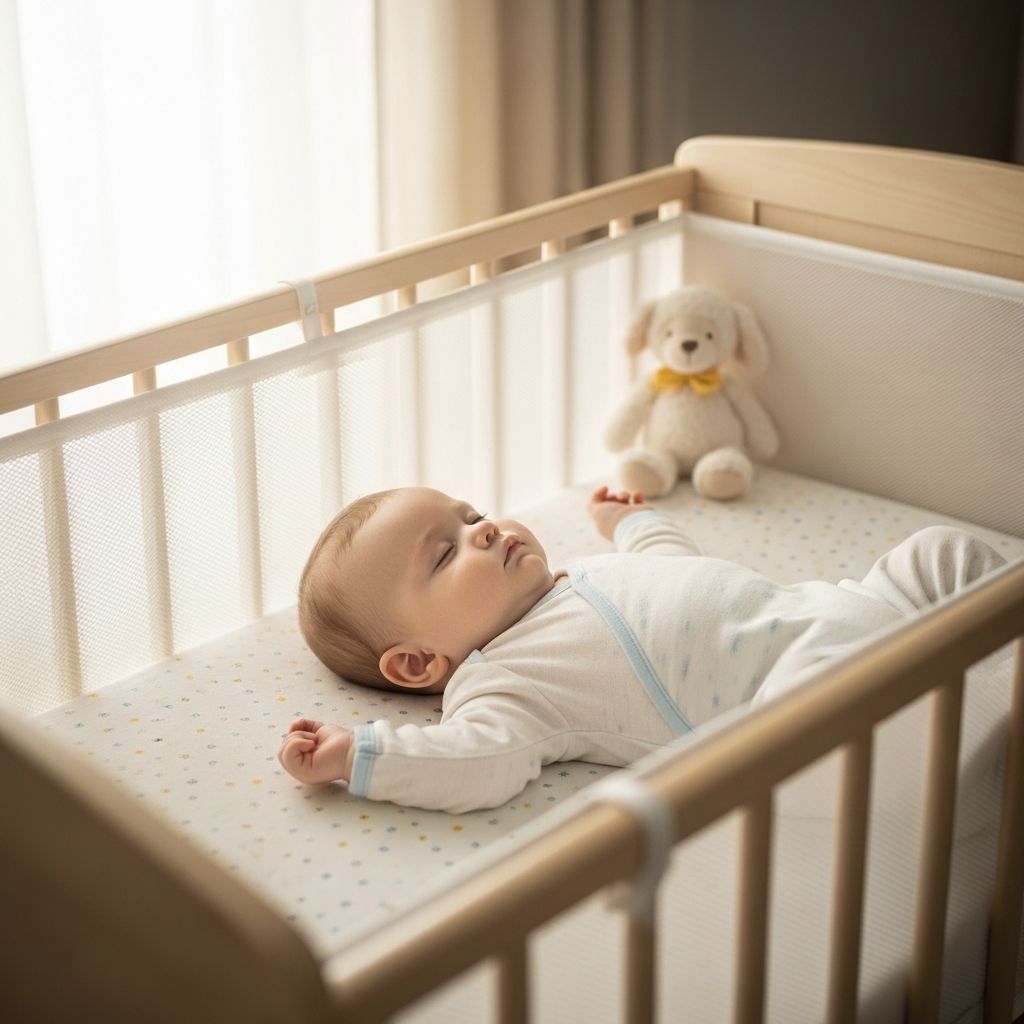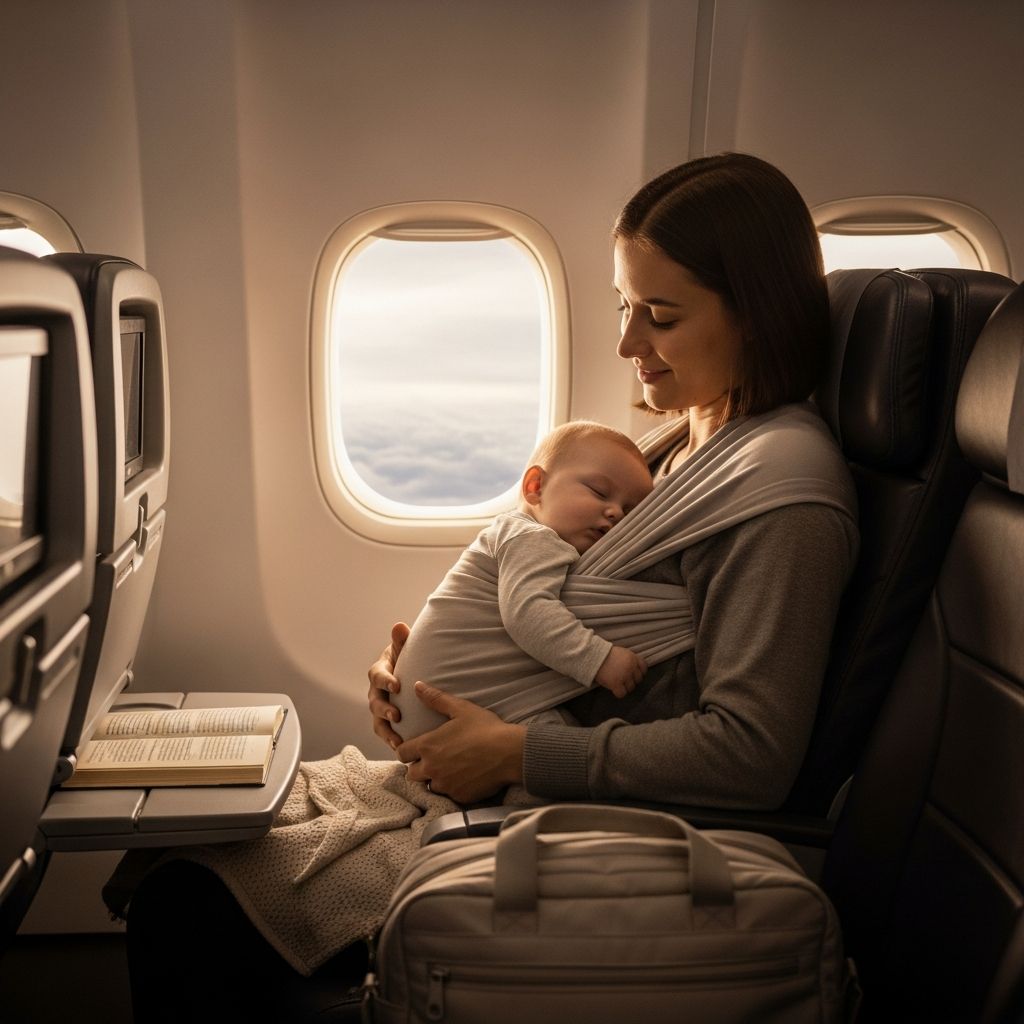
Taking a baby on a plane can feel intimidating, especially if it is your first trip as a new parent. The good news is that with thoughtful preparation and realistic expectations, air travel with an infant can be manageable, and even surprisingly smooth.
Rethinking Baby Air Travel: What to Expect
Before diving into checklists and hacks, it helps to reset expectations. An infant’s needs on a flight are simple but urgent: food, sleep, comfort, and a sense of security. Your goal is not a perfectly quiet flight; your goal is a safe journey where your baby feels as calm and supported as possible.
Infants often handle flights better than older toddlers because they are easier to cuddle, sleep more, and do not yet demand constant entertainment. The trade-off is that you, as the caregiver, must stay flexible and prepared for last-minute diaper changes, unexpected cries, and schedule disruptions. Planning around these realities reduces stress for everyone.
Planning Your Trip Around Your Baby
Thoughtful planning is the single most powerful tool you have for easing your baby’s first flight. Instead of building your schedule for adult convenience alone, start with your infant’s rhythms and needs.
Choosing Flight Times
- Align with naps when possible: For shorter flights, mid-day departures often work well because your baby may naturally fall asleep once settled.
- Consider overnight flights for long hauls: Red-eye or late-evening flights can take advantage of your baby’s longest sleep stretch, giving you more quiet hours in the air.
- Avoid super early starts if mornings are tough: If your baby is fussy in the early morning, a later departure may mean fewer tears in the car, at check-in, and during boarding.
Selecting Seats With Baby in Mind
Seat choice can shape your whole in-flight experience. Think less about legroom for once, and more about access, privacy, and flexibility.
- Aisle seats for easy movement: If you know you will walk the aisle to soothe your baby, an aisle or aisle-adjacent seat makes it simpler to get up without climbing over strangers.
- Window seats for privacy: If you plan to nurse or bottle-feed and prefer privacy, a window seat offers a bit of seclusion and a solid surface to lean on.
- Consider proximity to the restroom: Being closer to the back or front restrooms can speed up diaper changes and reduce the stress of carrying a squirming baby down a long aisle.
- If using a car seat: Confirm that it is approved for air travel, check airline policies, and reserve an appropriate seat where the car seat can be safely installed without blocking exits.
What to Pack in Your Baby’s Carry-On
Packing for a flight with an infant is less about bringing everything and more about bringing the right things within easy reach. Aim to prepare for delays, spills, and surprise messes while keeping bags light enough to carry alongside your baby.
Diapering Essentials
- Enough diapers for the travel day plus extra for delays (often, one per hour in transit as a safe buffer).
- A full pack of wipes plus a small travel pack you can grab on its own.
- Foldable changing pad or disposable pads to protect change tables and your own lap.
- Two small, sealable bags for dirty clothes or soiled diapers if a trash can is not immediately available.
Feeding and Hydration Supplies
- Breastfeeding parents: a nursing cover if desired (though not required), extra breast pads, and a light blanket for support and privacy.
- Formula-feeding parents: pre-measured formula in separate containers, clean bottles, and either bottled water (if allowed) or a plan to obtain safe water at the airport.
- If your baby is eating solids: a couple of familiar, easy-to-eat foods in small containers and a wipeable bib.
- Pacifiers (plus at least one spare) in a clean case to help with both soothing and ear pressure.
Comfort, Clothing, and Extras
- Two changes of clothes for your baby, including extra socks in case of spills or chills.
- One change of top for you, because babies have a talent for choosing flights as the moment to spit up.
- A light blanket that can multitask as a swaddle, nursing cover, or makeshift changing surface.
- One or two small, soft toys and a favorite comfort item, such as a lovey or cloth book.
At the Airport: Setting Yourself Up for Success
The airport portion of travel can be more exhausting than the flight itself. Giving yourself extra time and using baby-friendly strategies can transform the experience from frantic to merely busy.
Arrive Early, Move Slowly
- Build in a cushion: With an infant, everything takes longer—diaper changes, feedings, and even security checks. Aim to arrive earlier than you would have before becoming a parent.
- Use baby-wearing when possible: A comfortable carrier keeps your hands free for documents and bags, allows your baby to nap against your chest, and often simplifies navigating security compared with a stroller alone.
Navigating Security With Baby Gear
- Keep baby items organized in clear pouches so you can quickly pull out liquids, bottles, or medications if requested.
- Be ready to take your baby out of a stroller or car seat through security if required, which is another reason a carrier can be handy.
- Feed or change your baby once you are through security to start the flight with a calmer, more comfortable infant.
Boarding the Plane Without Chaos
Boarding can be one of the most stressful parts of flying with an infant: narrow aisles, overhead bin competition, and a baby who may be overstimulated or overtired. A simple strategy and division of tasks can help.
Divide and Conquer
- If traveling with another adult, consider having one parent board first with the bags to stow gear, sanitize armrests and tray tables, and set up the seat area while the other waits in the boarding area with the baby.
- Board with baby closer to the end of the process if your infant becomes fussy when confined in small spaces, so you shorten the time on board before takeoff.
Setting Up Your In-Flight Nest
- Keep the diapering kit, one toy, and feeding supplies under the seat in front of you for immediate access; everything else can go in the overhead bin.
- Place a light blanket or burp cloth over your shoulder and across your lap in case of sudden spit-up or spills as the plane taxis and takes off.
- Use sanitizing wipes on surfaces your baby will touch, such as armrests, window areas, tray tables, and belt buckles.
Feeding Your Baby in the Air
Eating during the flight does more than keep your baby full; it can also help relieve ear pressure during takeoff and landing. Planning when and how to feed makes those key moments easier.
Timing Feeds Around Takeoff and Landing
- Try to time a feeding so your baby is actively sucking—on breast, bottle, or pacifier—during ascent and descent, which encourages swallowing and helps equalize ear pressure.
- If boarding causes a delay and your baby is already very hungry, feed enough to take the edge off, then offer more once the plane starts to climb.
- If your baby falls asleep naturally before takeoff and seems comfortable, there is usually no need to wake them just to feed.
Practical Feeding Tips
- Bring more milk or formula than you think you will need to account for delays, spills, or an unexpectedly hungry baby.
- Pre-measure formula into separate containers so you can quickly mix it without juggling a large tin in a cramped seat.
- Have burp cloths ready; cabin pressure and new positions can make babies extra gassy, leading to more spitting up.
Helping Your Baby Sleep on the Plane
Baby sleep in the air is less about perfection and more about giving your infant familiar cues that signal rest. You may not recreate your home bedtime routine exactly, but a “mini version” can make a big difference.
Creating a Cozy Sleep Environment
- Dress your baby in soft, layered clothing so you can easily add or remove a layer depending on cabin temperature.
- Use a light blanket or muslin swaddle for younger infants who find comfort in gentle wrapping.
- Dim the light around your baby’s face using the overhead light switch and, if you are by the window, the shade to signal that it is time to rest.
Leaning on Routine Cues
- Recreate 1–2 elements of your usual sleep routine, such as a short lullaby, gentle rocking, or a particular phrase you say at bedtime.
- Offer a pacifier or let your baby comfort-nurse or bottle-feed briefly as part of winding down.
- Accept that naps may be shorter or more frequent than at home, and focus on giving your baby the opportunity to rest whenever they show sleepy signals.
Managing Crying, Fussiness, and Ear Pressure
No matter how well you plan, there may be moments when your baby cries, sometimes loudly. This is normal and does not mean you are doing anything wrong. The key is to move through a calm mental checklist.
A Simple Soothing Checklist
- Check basics first: Is your baby hungry, wet, or too hot or cold?
- Try a new position: Hold your baby upright against your chest, sway gently, or walk the aisle if the seatbelt sign allows.
- Offer a pacifier or finger to suck: Non-nutritive sucking can be powerfully soothing in a high-stimulation environment.
- Use soft sound: Hum a simple tune, quietly shush near your baby’s ear, or let the white noise of the engines work in your favor.
Dealing With Ear Discomfort
- Encourage swallowing through breastfeeding, bottle-feeding, or a pacifier during ascent and descent, when pressure changes most quickly.
- If your baby seems especially uncomfortable, hold them more upright and gently rub their back or pat their bottom for reassurance.
- Talk with your pediatric provider before the trip if your baby recently had an ear infection or congestion, and follow their guidance.
Keeping Yourself Calm and Comfortable
Parents often focus so intensely on their baby’s comfort that they forget their own. Yet your calm presence is one of the most reassuring things your infant can experience on a stressful day of travel.
Small Habits That Help You Cope
- Pack easy, mess-free snacks and a refillable water bottle so you do not attempt the entire flight on an empty stomach.
- Wear soft, layered clothing that you do not mind getting stained, and slip-on shoes to simplify going through security while carrying your baby.
- Give yourself permission to ignore unhelpful looks from strangers; most fellow travelers understand that babies cry and will empathize more than you realize.
Quick Reference: Baby Flight Essentials Table
| Category | Must-Have Items | Nice-to-Have Extras |
|---|---|---|
| Diapering | Diapers, wipes, changing pad, diaper cream | Disposable changing liners, extra trash bags |
| Feeding | Bottles or nursing supplies, formula or expressed milk, burp cloths | Small cooler bag, extra bibs |
| Comfort & Sleep | Blanket, pacifier, spare clothes | Small familiar toy, portable white-noise app (on low volume) |
| Parent Needs | Snacks, water bottle, spare shirt | Neck pillow, compact hand lotion or lip balm |
Frequently Asked Questions About Flying With an Infant
How young is too young for a baby to fly?
There is no single age that fits every family, because health, destination, and flight length all matter. Many parents wait until their baby has had an early check-up and some predictable feeding and sleep patterns, while others travel sooner out of necessity. When in doubt, ask your pediatric provider about your baby’s specific situation and any recent illnesses before booking.
Is it better for my baby to fly in my lap or in a separate seat?
Flying with a lap infant can be more budget-friendly and allows for constant close contact, which many babies find soothing. A dedicated seat with an approved car seat or harness can offer additional structure and may help some infants sleep more soundly, especially on long flights. Your decision will likely balance cost, safety recommendations, and your baby’s temperament.
What should my baby wear on the plane?
Think soft, breathable layers rather than a single heavy outfit. A short-sleeve bodysuit, footed pajamas, and a light sweater or sleep sack let you adjust to changing temperatures in the airport and cabin. Avoid complicated outfits with many buttons or tight waistbands, which make diaper changes harder in cramped restrooms.
How can I reduce my anxiety about other passengers’ reactions?
It helps to remember that most people either have traveled with children themselves or know someone who has. A brief, friendly smile or quick “Doing our best, thanks for your patience” if your baby cries can defuse tension and remind everyone that there is a real family behind the noise. Ultimately, your primary responsibility is to your baby’s well-being, not to others’ comfort.
What if my baby cries the entire flight?
Continuous crying is rare, but it can happen, especially if your baby is overtired or not feeling well. Continue working through your soothing checklist—feeding, changing, rocking, and adjusting clothing or position—while staying as calm as possible. Even if it feels endless in the moment, the flight will eventually end, and your baby will draw most of their emotional cues from your steady, loving presence.
Final Thoughts for Confident Travel
Flying with an infant is not about achieving a flawless, whisper-quiet flight; it is about meeting your baby’s needs in an unfamiliar environment while staying flexible and kind to yourself. With realistic expectations, thoughtful packing, and a basic plan for feeding, sleep, and soothing, you can build confidence one trip at a time.
The first flight with your baby may feel like a big leap, but it is also an opportunity to discover that your growing family can adapt, explore, and make new memories together—starting right there in row 23.