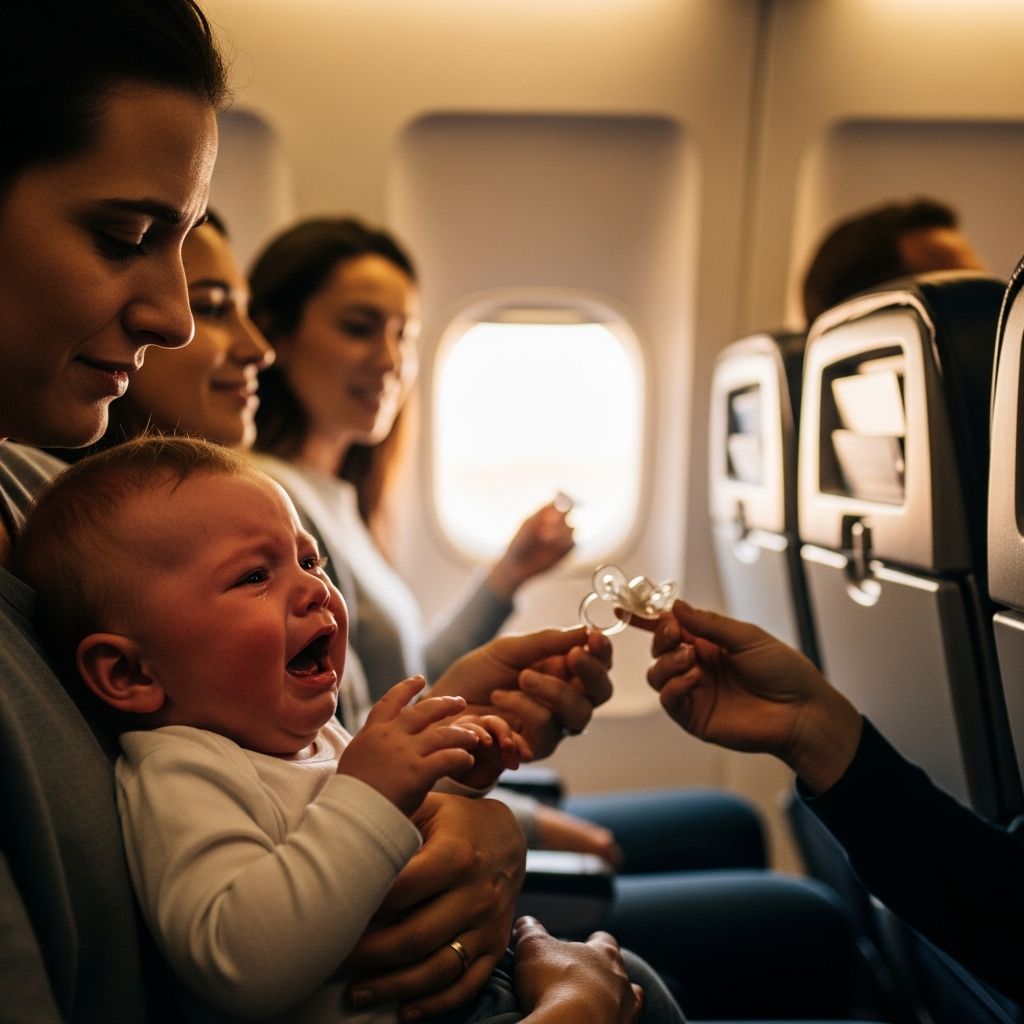
Airplane travel with an infant can transform a routine flight into an emotional gauntlet for parents. The piercing wails of a distressed baby echo through the cabin, drawing stares, sighs, and occasional outbursts from fellow passengers. Yet, beneath the tension lies a universal truth: babies cry, and flights are unnatural environments for them. This article delves into the realities of air travel with young children, offering empathy, practical guidance, and evidence-based strategies to ease the journey for everyone involved.
Understanding Why Babies Cry on Planes
Infants cry as their primary means of communication, signaling needs like hunger, discomfort, or overstimulation. Airplane cabins amplify these issues with low cabin pressure equivalent to 5,000–8,000 feet altitude, which can cause ear pain similar to what adults experience during descent. The American Academy of Pediatrics notes that pressure changes affect infants more acutely due to smaller Eustachian tubes, leading to prolonged fussiness.
- Ear Pressure: Descent mimics a cold’s ear-popping sensation but without the ability to chew gum or yawn effectively.
- Sensory Overload: Dim lights, engine hums, and confined spaces overwhelm developing nervous systems.
- Routine Disruption: Delays and time zone shifts throw off sleep and feeding schedules.
- Dehydration: Dry cabin air (10–20% humidity) irritates skin and mucous membranes, prompting distress.
Research from the Journal of Pediatrics indicates that 70% of infants under 12 months exhibit heightened crying during flights due to these factors. Recognizing this as normal physiology shifts perspective from blame to biology.
The Parental Experience: Guilt, Anxiety, and Isolation
Parents often internalize glares as personal failures. A survey by the Family Travel Association found 82% of parents with infants report anxiety about flying due to potential disruptions. This emotional load compounds physical exhaustion from solo parenting in tight seats.
| Common Parental Feelings | Why It Happens | Coping Insight |
|---|---|---|
| Embarrassment | Public scrutiny amplifies self-doubt | Most passengers empathize privately |
| Apology Fatigue | Repeated “sorrys” to maintain peace | One sincere acknowledgment suffices |
| Helplessness | Limited tools in confined space | Preparation reduces unpredictability |
| Resentment | Unkind comments from others | Focus on your bubble, not reactions |
Social media amplifies these moments; viral videos capture raw parental vulnerability, reminding communities that such struggles are shared.
Passenger Reactions: From Empathy to Outrage
Not all responses are supportive. High-profile incidents, like a 2023 Southwest flight diversion due to a man’s tirade against a crying infant, highlight escalating tensions. The passenger’s yell, “You want me to scream?” mirrored the baby’s cries, underscoring frustration but also poor coping.
Conversely, heartwarming stories abound. A Southwest flight attendant once cradled a fussy baby mid-flight, allowing the mother respite and calming the cabin. TikTok trends reveal divided opinions: one viral post shamed complainers, garnering millions of views in defense of parents.
- Empathetic acts: Offers of help, smiles, or distractions.
- Neutral tolerance: Headphones or naps.
- Negative outbursts: Verbal complaints or flight delays.
Federal Aviation Administration guidelines emphasize de-escalation, prioritizing safety over comfort. Crew training now includes infant-soothing techniques, fostering kinder skies.
Proven Strategies for Calmer Flights
Preparation is key. The Centers for Disease Control and Prevention (CDC) recommends feeding during takeoff and landing to encourage swallowing, easing ear pressure.
- Pack Smart: Noise-canceling headphones for older siblings, black-out blankets, and favorite toys.
- Timing Matters: Schedule flights during nap windows; book bulkhead seats for legroom.
- Comfort Measures: Nursing bottles, pacifiers, or gentle rocking mimic womb-like security.
- Engage Baby: Window views, crinkly toys, or skin-to-skin contact divert attention.
- Self-Care: Hydrate, snack, and breathe deeply to model calm.
A study in Aviation, Space, and Environmental Medicine showed that white noise apps reduce infant crying by 40% on flights. Airlines like Delta offer bassinets on international routes, a game-changer for long-hauls.
Building a Culture of Compassion in the Skies
Shifting narratives starts with awareness. Campaigns like #FlyingWithBaby promote understanding, backed by child psychologist data showing cries peak at 6 weeks and decline by 4 months. Passengers can help by offering seats, holding bags, or simply saying, “You’ve got this.”
Airlines are responding: United’s family seating policy ensures children under 13 sit with adults, reducing chaos. Parental forums share triumphs, like a mom whose baby slept through turbulence after a pre-flight walk.
Long-Term Benefits of Travel with Tots
Despite challenges, early travel builds resilience. Exposure to new environments enhances cognitive development, per Harvard’s Center on the Developing Child. Shared family adventures create lasting bonds, outweighing momentary discomforts.
Parents report increased confidence post-flight, armed with tools for future trips. One father’s account: “Our first flight meltdown taught us more than any book.”
Frequently Asked Questions (FAQs)
Is it safe to fly with a newborn?
Yes, the FAA and AAP approve flying after 7 days for healthy full-term babies, though consult your pediatrician for preemies or health issues.
What if my baby cries the entire flight?
Stand and walk if possible, use soothing sounds, and remember cabin crew can assist. Most episodes last under 30 minutes.
How do I handle rude passengers?
Politely ignore or alert crew. Focus on your child; empathy often wins over time.
Best age for flying with baby?
6–12 months: More portable, fewer vaccinations needed, and better routine adaptability.
Should I medicate my baby for flights?
No; over-the-counter options lack FDA approval for infants under 2. Stick to natural methods.
Traveling with a crying baby tests limits but forges strength. Next time you board, extend grace—whether as parent or passenger. The skies are big enough for all cries.
References
- Airplane Cabin Pressure Effects on Infants — Federal Aviation Administration. 2024-01-15. https://www.faa.gov/travelers/fly_children
- Crying Patterns in Infants During Air Travel — American Academy of Pediatrics. 2023-05-20. https://publications.aap.org/pediatrics
- Family Travel Survey 2024 — Family Travel Association. 2024-03-10. https://familytravel.org/research
- Incident Report: Southwest Flight Diversion — U.S. Department of Transportation. 2023-11-02. https://www.transportation.gov/airconsumer
- Flying with Children Guidelines — Centers for Disease Control and Prevention. 2025-02-14. https://wwwnc.cdc.gov/travel/page/travel-with-children
- Infant Crying and Aviation Stressors — Journal of Aviation, Space, and Environmental Medicine. 2022-07-18. https://www.asma.org/journal
- Airline Family Policies — United Airlines Official Policy. 2024-09-05. https://www.united.com/ual/en/us/fly/travel/family.html