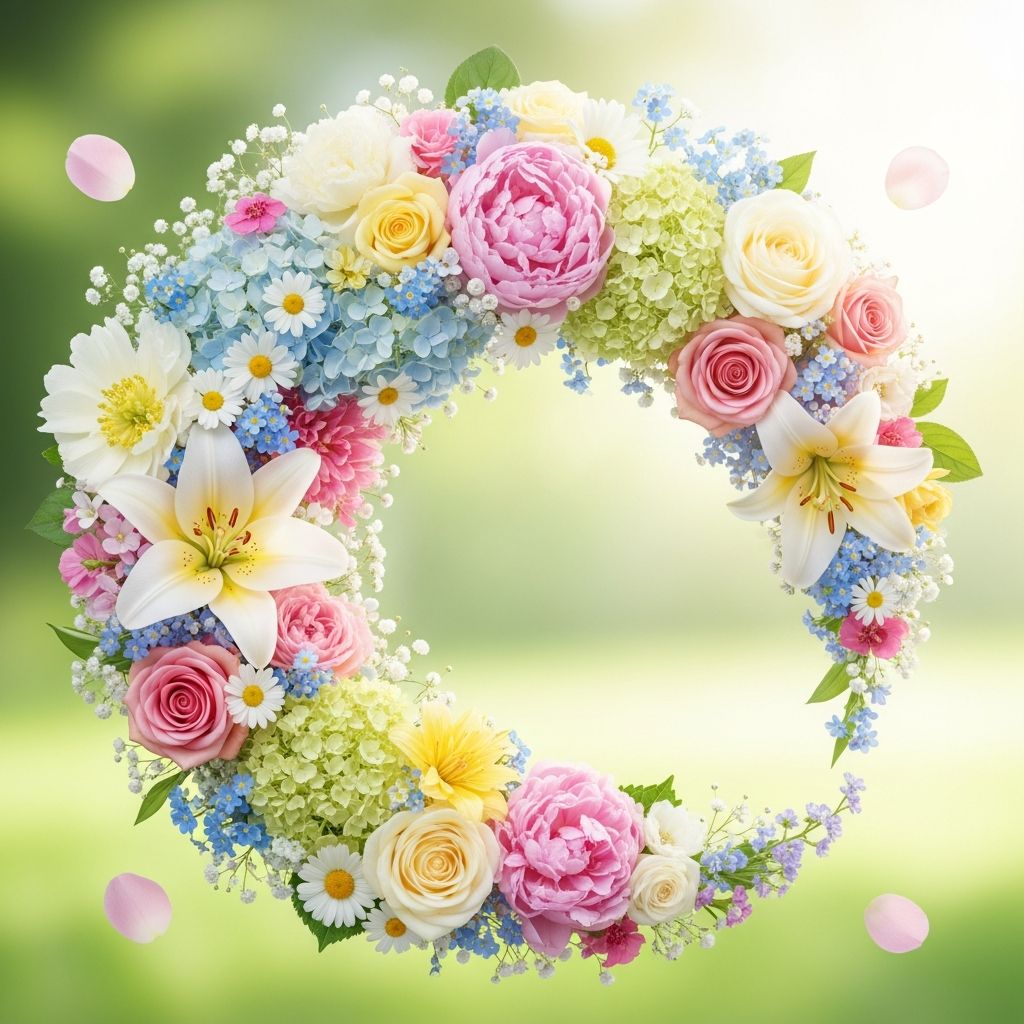
Flower-inspired baby names combine the beauty of the natural world with meaningful symbolism. Many blooms have been linked for centuries to ideas like purity, love, remembrance, and hope, making floral names a rich source of inspiration for your little one.
This guide gathers classic, modern, rare, and unisex flower names, explains their origins and symbolic meanings, and gives you practical tips for choosing a floral name that will grow with your child.
Why Parents Love Flower-Inspired Names
Floral baby names have appeared in literature, religious traditions, and even royal families for generations. Their enduring appeal comes from a unique mix of elegance, nature, and storytelling potential.
- Timeless charm: Names like Lily and Rose feel classic yet never outdated.
- Rich symbolism: In the “language of flowers,” blooms can stand for love, remembrance, hope, and friendship.
- Nature connection: Floral names subtly evoke gardens, seasons, and the outdoors.
- Global roots: Flower names appear in Latin, Greek, Persian, Sanskrit, and many other languages.
- Flexible style: You can choose from sweet and simple to bold and unusual, depending on your taste.
How to Use This Floral Name Guide
Below you will find different sections to help you narrow down the perfect bloom:
- Popular and familiar flower names
- Unique and rare botanical gems
- Names linked to flowers through meaning rather than directly naming the plant
- Unisex and boy-friendly nature names with floral ties
- Tips, FAQs, and reference links to deepen your research
Classic Flower Names Everyone Recognizes
These names are widely used across English-speaking countries and often appear on baby name popularity lists. They feel warm and recognizable, which can make them easy to live with as your child grows.
| Baby Name | Associated Flower | Origin | Common Symbolism* |
|---|---|---|---|
| Lily | Lily | Latin “lilium” | Purity, innocence, refined beauty |
| Rose | Rose | Latin “rosa” | Love, passion, admiration |
| Daisy | Daisy | Old English “day’s eye” | New beginnings, innocence |
| Jasmine | Jasmine | Persian “yasmin” | Grace, beauty, affection |
| Iris | Iris | Greek | Hope, communication, rainbow hues |
| Violet | Violet | Latin | Modesty, faithfulness |
*Symbolism is drawn from traditional “language of flowers” references and may vary by culture.
More Beloved Floral Girl Names
- Poppy – Often associated with remembrance and sleep, thanks to its use in war memorials and mythology.
- Holly – Technically a tree, but widely considered with floral/nature names; linked with winter, protection, and celebration.
- Primrose – From Latin for “first rose,” tied to youth and the early days of spring.
- Camellia – A glossy, rose-like bloom symbolizing admiration and refinement.
Rare and Unusual Flower Names for Standout Style
If you prefer something less common, there are many botanical names that remain underused but highly wearable. These choices can feel fresh and distinctive while still being clearly recognizable as floral.
- Azalea – From Greek, linked to the shrub with vibrant spring flowers; associated with femininity and abundance.
- Magnolia – A bold, Southern-favored blossom representing dignity, resilience, and nobility.
- Aster – Greek for “star,” connected with daisy-like flowers and symbolism of love and patience.
- Marigold – Bright golden flower associated with warmth, creativity, and strong will.
- Lavender – Known for soothing scent and calming qualities; symbolizes devotion and serenity.
- Hyacinth – From Greek mythology, associated with constancy and deep affection.
- Peony – A lush flower traditionally tied to honor, prosperity, and romance in various cultures.
- Orchid – Exotic and elegant, often linked with luxury, beauty, and strength.
For parents seeking international flair, lesser-known floral names from around the world offer beautiful alternatives:
- Jacinta – Spanish form related to the hyacinth flower.
- Kamala – A name of Sanskrit and Hindi origin connected to the lotus flower, often symbolizing spiritual awakening and beauty.
- Roisín – Irish for “little rose,” charming and lyrical.
- Melati – A name used in Indonesia related to jasmine flowers.
Names That Mean “Flower” or “Blossom”
Some baby names do not directly reference a specific flower but carry meanings like “flower,” “blossom,” or “bloom.” These can be perfect if you want a nature connection without tying your child to one particular plant.
- Blossom – English word name meaning to bloom or flourish.
- Floella – Latin roots, related to the idea of flowering or blossoming.
- Florentina – Linked to Latin words for “blooming” and “flowering.”
- Anthea – From Greek, traditionally interpreted as “flowery” or “blossom.”
- Petal – A modern, whimsical word name borrowed from the parts of a flower.
Botanical Names with Floral Connections
Not every nature name that feels floral is a straightforward flower. Some refer to climbing plants, shrubs, or greenery that feature striking blooms. These options can broaden your flower-name list while staying firmly in the botanical world.
- Clematis – A climbing plant with starry flowers, often purple, pink, or white.
- Verbena – A flowering herb associated historically with sacred rituals and healing.
- Chamomile – A daisy-like herb known for its calming tea and gentle medicinal use.
- Myrtle – A fragrant evergreen shrub with small white flowers; in classical traditions, it can symbolize love and peace.
- Lobelia – A plant bearing vivid blue, purple, or red flowers.
Unisex and Boy-Friendly Flower Names
While floral names are often associated with girls, more parents now also use nature and botanical names for boys or in a gender-neutral way. Some flower-related names feel especially flexible.
- Aster – Its meaning of “star” and crisp sound make it feel unisex.
- Lotus – A sacred flower in several religious traditions, associated with purity and enlightenment, used for all genders.
- Rowan – Though technically a tree rather than a flower, it appears on many nature-name lists for boys and girls and fits well alongside floral names.
- Florian – A Latin-rooted name related to flowers and blooming, more commonly used for boys in several European countries.
Some cultures also use region-specific floral names for boys, though these may be less familiar internationally. Checking regional naming traditions can uncover additional options if you want a name that reflects your heritage.
Seasonal Flower Names: Spring, Summer, and Beyond
Flowering seasons can also inspire your choice. If your baby is due in a particular season or shares a special date with a significant holiday, a seasonal bloom can add extra meaning.
Spring-Inspired Names
- Daffodil (often used as a nickname or middle) – Linked to rebirth and hope as one of the earliest spring flowers.
- Primrose – Literally “first rose,” perfectly matched to early spring.
- Cherry (from cherry blossoms) – Evokes delicate pink flowers that appear at the start of spring in many countries.
Summer Blooms
- Marigold – Bright, sunny, and at its peak in the warmer months.
- Peony – Often blooms late spring into early summer; lush and full.
- Rose and Lily – Widely associated with summer gardens and weddings.
Autumn and Winter Florals
- Chrysanthemum – A traditional autumn flower symbolizing friendship, longevity, or grief depending on culture.
- Holly – Strongly tied to winter festivities and evergreen resilience.
- Camellia – Some varieties bloom in the cooler months, adding color to winter gardens.
How to Choose the Right Flower Name
Because flower names blend meaning, sound, and personal story, taking a structured approach can help you decide with confidence.
Key Factors to Consider
- Meaning and symbolism: Check traditional flower meanings and cultural associations to ensure they match the message you want the name to carry.
- Pronunciation: Practice saying the name aloud with your last name. If it is difficult or often mispronounced, decide whether that matters to you.
- Spelling variations: Simple spellings (like Lily vs. Lilly) can reduce confusion over time.
- Nicknames: Think about likely nicknames and whether you like them as much as the full name.
- Longevity: Imagine the name on a baby, teenager, and adult. Classic floral names tend to age well across life stages.
- Cultural and religious context: In some traditions, specific flowers have sacred or solemn meanings; understanding that context can help you choose respectfully.
Practical Naming Tips
- Test the name in different situations: introductions, job titles, and everyday conversation.
- Pair bold, unusual flower names with more traditional middle names (or vice versa) for balance.
- If you love multiple flowers, consider using one as a first name and another as a middle name.
- Check that initials formed by the full name are acceptable to you.
Sample Floral Name Combinations
Here are some example pairings to spark your imagination. These are not rankings, just illustration of how different styles can work together:
- Classic + Classic: Lily Rose, Violet Anne
- Bold + Traditional: Azalea Jane, Magnolia Claire
- International + Familiar: Kamala Grace, Jacinta Rose
- Unisex Nature Blend: Aster Rowan, Lotus James
Frequently Asked Questions About Flower Baby Names
Are flower names considered too feminine for boys?
Many traditional flower names are used more often for girls, but parents increasingly embrace nature words and botanical names for boys too, especially options like Aster, Florian, or Rowan that have a less obviously floral sound.
Do flower names have different meanings in different cultures?
Yes. For example, chrysanthemums can symbolize friendship and joy in some countries but are linked with funerals in others. Checking cultural context is important if your family has ties to a specific region.
Are floral middle names a good compromise?A: Using a flower as a middle name can honor nature, family traditions, or a special memory while keeping a more conventional first name. This is a common way to include bolder choices like Marigold or Peony without making them the everyday name.
Q: Can I combine two flower names in one full name?
You can, and many parents do. Pairing a delicate name (like Daisy) with a more robust one (like Camellia) can create a balanced, memorable combination. Just ensure the overall sound and initials work well together.
How can I research the symbolism behind specific flowers?
Extension services, gardening organizations, and reputable baby-name resources often discuss traditional meanings of common flowers. Combining these with cultural or religious guides from your background will give you the fullest picture.
References
- Flowers and Their Meanings: The Language of Flowers — Iowa State University Extension and Outreach. 2021-03-22. https://yardandgarden.extension.iastate.edu/how-to/flowers-and-their-meanings-language-flowers
- Baby Names Inspired by Flowers: Origins and Meanings — Bloom & Song. 2023-06-01. https://www.bloomandsong.com/hong-kong-wedding-flowers/baby-names-inspired-by-flowers-origins-and-meanings
- 150 Flower Baby Names for Girls, With Origins and Meanings — MadeForMums. 2022-04-14. https://www.madeformums.com/pregnancy/flower-names-girls/
- Names That Mean Flower — Nameberry. 2024-01-05. https://nameberry.com/list/760/names-that-mean-flower
- 121 Flower Baby Names With Floral Meanings — The Bump. 2022-06-10. https://www.thebump.com/b/flower-baby-names