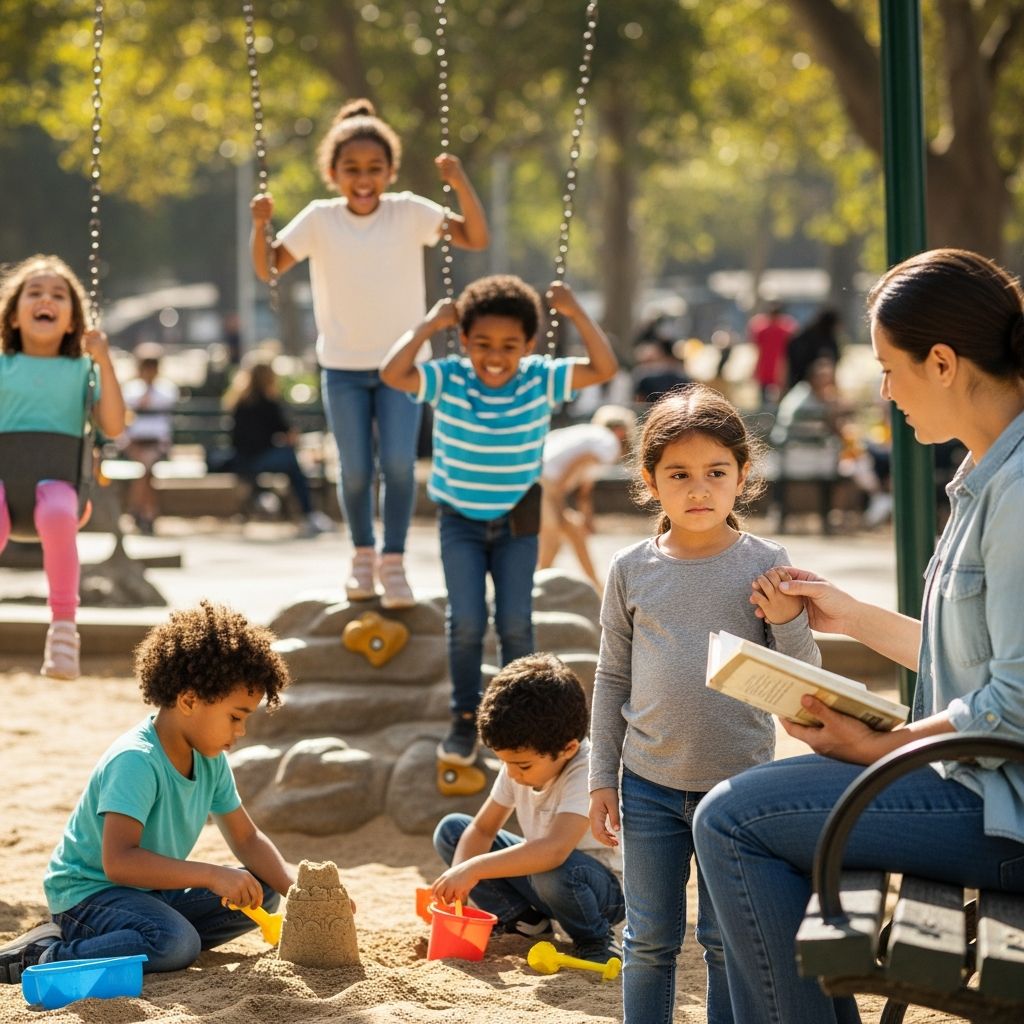
Turning five is a monumental step in a child’s life, blending rapid growth in independence, creativity, and social skills into a whirlwind of energy and curiosity. Fiver parties offer parents a fresh, meaningful way to honor these **developmental milestones** rather than just another birthday bash. Inspired by expert guidelines from pediatric institutions, these gatherings spotlight achievements like riding tricycles, using full sentences, and cooperative play, turning growth into festive fun.
Understanding Key Milestones at Age Five
By age five, children typically master a range of skills across motor, language, cognitive, and social domains, forming the foundation for school readiness. According to the Children’s Hospital of Philadelphia (CHOP), five-year-olds can draw people with multiple body parts, count objects, catch balls, and engage in rule-based games. The National Center for Biotechnology Information (NCBI) notes they hop on one foot, stand briefly on one foot, and use complex sentences with proper grammar. These benchmarks vary slightly by child, but they signal healthy progress.
Motor Skill Achievements
Physical prowess blooms at this age. Kids pedal tricycles confidently, climb stairs without support, and skip or jump rope. Fine motor tasks like copying shapes (triangles, squares) and using scissors emerge, supporting self-care like dressing independently.
- Gross motor: Hops, skips, catches a ball, balances on one foot for seconds.
- Fine motor: Draws detailed figures, buttons clothes, brushes teeth solo.
Language and Communication Progress
Expressive language explodes: full sentences, conversations, and storytelling become norms. They define words, recite poems, and grasp concepts like colors, numbers, and directions (in/on/under). Receptive skills allow listening to stories and following multi-step directions.
Cognitive and Problem-Solving Growth
Five-year-olds count to ten, match pictures to words, and retell stories. They understand time basics, play pretend elaborately, and show curiosity about the world, naming coins or facts.
Social-Emotional Milestones
Cooperative play shines—they share, take turns, and form friendships. Emotional regulation improves, though fears (dark, monsters) may arise. Independence fosters dressing up or group games.
Why Host a Fiver Party?
Fiver parties shift focus from gifts to growth, reinforcing pride in achievements. Parents create tailored events highlighting skills, like skill stations or milestone reenactments. This builds confidence and family bonds, aligning with CDC’s emphasis on tracking milestones for early intervention if needed. Unlike standard parties, fivers educate guests on development, sparking conversations.
| Milestone Category | Typical 5-Year Achievements | Party Activity Idea |
|---|---|---|
| Motor | Skips, catches ball, copies shapes | Obstacle course with hopping and throwing |
| Language | Full sentences, tells stories | Storytelling circle or rhyme recitation |
| Cognitive | Counts to 10, knows colors | Number hunt or shape-matching games |
| Social | Plays cooperatively, shares | Team relay races or group crafts |
Planning Your Perfect Fiver Party
Start with a theme tied to milestones, like ‘Super Skills Adventure’ or ‘Growth Galaxy.’ Invite 5-10 kids for manageable fun. Budget $100-300 covers decor, food, and activities. Set a 2-hour timeframe to match attention spans.
Choosing Themes and Invitations
Opt for themes celebrating progress: superhero (for strength), explorer (curiosity), or artist (creativity). Digital invites list ‘milestone stars’—personal feats like ‘Mastered tricycle riding!’ Include RSVPs for dietary needs.
Venue and Decor Ideas
Backyards or parks work best for active play. Use balloons in primary colors (milestone nod), banners saying ‘High Five for Five!’ and photo booths recapping growth from baby pics to now.
Food and Snacks Tailored to Five-Year-Olds
Keep it simple: finger foods like mini sandwiches, fruit skewers (fine motor practice), yogurt dips. ‘Milestone cakes’ with edible numbers or skill icons (balls, books). Hydrate with infused water stations.
Engaging Activities to Showcase Milestones
Design stations rotating every 15-20 minutes, each targeting a domain. Provide instructions for parents to cheer specific skills.
- Motor Mania: Bean bag toss, hula hoop balance, tricycle relay.
- Word Wizards: Charades with action words, sing-alongs.
- Brain Boosters: Puzzle races, color sorting, counting jars.
- Friendship Forge: Collaborative mural painting, turn-taking board games.
- Memory Lane: Timeline wall with photos of past milestones.
Incorporate prizes: stickers for ‘Milestone Master’ in each category, fostering healthy competition.
Games and Crafts for Lasting Memories
Crafts build fine motor: make ‘I Can’ books with drawings of skills. Games like Simon Says reinforce directions and listening. Pinata filled with skill cards (e.g., ‘Hop like a frog!’).
Customizing for Your Child
Tailor to unique strengths—if artistic, add drawing contests; if athletic, expand sports. Include siblings for inclusivity.
Potential Challenges and Pro Tips
Tantrums may spike with excitement—have quiet zones. Weather backups: indoor gyms. Allergy checks prevent issues. Pro tip: Film activities for a ‘milestone movie’ keepsake.
Frequently Asked Questions (FAQs)
What exactly is a fiver party?
A fiver party celebrates a child’s fifth birthday by highlighting developmental milestones through themed activities and games, making growth the star.
At what age are fiver parties most suitable?
Ideal for five-year-olds, aligning with major milestones like school readiness skills, though adaptable for 4-6.
How do I incorporate developmental milestones?
Use expert lists from CHOP or CDC to create activity stations matching motor, language, cognitive, and social goals.
What’s the budget for a fiver party?
Typically $100-300, focusing on DIY decor and home venues to keep costs low while maximizing fun.
Can fiver parties help with child development?
Yes, by practicing skills in play, they reinforce milestones and boost confidence, per pediatric guidelines.
What if my child hasn’t hit all milestones?
Celebrate strengths; consult pediatricians like CHOP for concerns. Parties focus on positives.
Long-Term Benefits of Milestone Celebrations
Beyond fun, fiver parties instill self-awareness and resilience. Parents gain insights into progress, prompting early support if delays appear—crucial as CDC notes 1 in 6 kids face delays. Track via apps or journals for future events.
These gatherings evolve family traditions, perhaps leading to ‘sixer’ or ‘seven’ parties. They remind us: childhood is fleeting, but celebrating growth creates enduring joy.
References
- Developmental Milestones — Children’s Hospital of Philadelphia (CHOP). Accessed 2026. https://www.chop.edu/primary-care/developmental-milestones
- Development Milestones — National Center for Biotechnology Information (NCBI). 2023. https://www.ncbi.nlm.nih.gov/books/NBK557518/
- Child development and milestones — AMBOSS. Accessed 2026. https://www.amboss.com/us/knowledge/child-development-and-milestones/
- Developmental Milestones: Birth to 5 years — Stanford Medicine. Accessed 2026. https://med.stanford.edu/content/dam/sm/pediatricsclerkship/documents/5-Developmental-Milestones-MedU.pdf
- CDC’s Developmental Milestones — Centers for Disease Control and Prevention (CDC). Accessed 2026. https://www.cdc.gov/act-early/milestones/index.html