In recent years, a profound change has swept through family life. The intense pressure to fill children’s days with activities, lessons, and commitments is fading, replaced by a focus on unstructured time, family connection, and genuine well-being. This evolution, accelerated by global events like the pandemic, reflects a broader recognition that less can truly be more for growing minds and bodies.
The Roots of Change in Family Routines
Families once raced from soccer practice to music lessons, piano recitals, and tutoring sessions, believing this hustle built success. However, exhaustion set in for parents and kids alike. The shift began when lockdowns forced a pause, revealing the value of downtime. Parents noticed children thriving in free play, backyard adventures, and simple home activities rather than rigid schedules.
This isn’t a fleeting trend. Data from child development studies show that excessive structuring correlates with higher stress levels in youth. For instance, the American Academy of Pediatrics emphasizes the importance of free play for cognitive and social growth, recommending limits on organized activities to prevent burnout. Today, many households are intentionally scaling back, reclaiming evenings for board games, walks, or just lounging together.
Why Packed Schedules Harm Child Development
Overloading young schedules disrupts natural growth patterns. Children need time to explore interests at their own pace, develop resilience through boredom, and build self-directed skills. Constant commitments leave little room for imagination or rest, leading to anxiety, poor sleep, and diminished creativity.
- Stress Accumulation: Rushing between events elevates cortisol, the stress hormone, impacting emotional regulation.
- Lost Play Opportunities: Unstructured time fosters problem-solving and social bonds essential for lifelong learning.
- Family Strain: Parents face logistical nightmares, reducing quality interactions with children.
Experts note that this overcommitment often stems from societal fears of falling behind. Yet, research from the CDC highlights that balanced routines support better mental health outcomes, with active kids faring better when activities align with their natural energy.
Embracing Unstructured Play and Analog Living
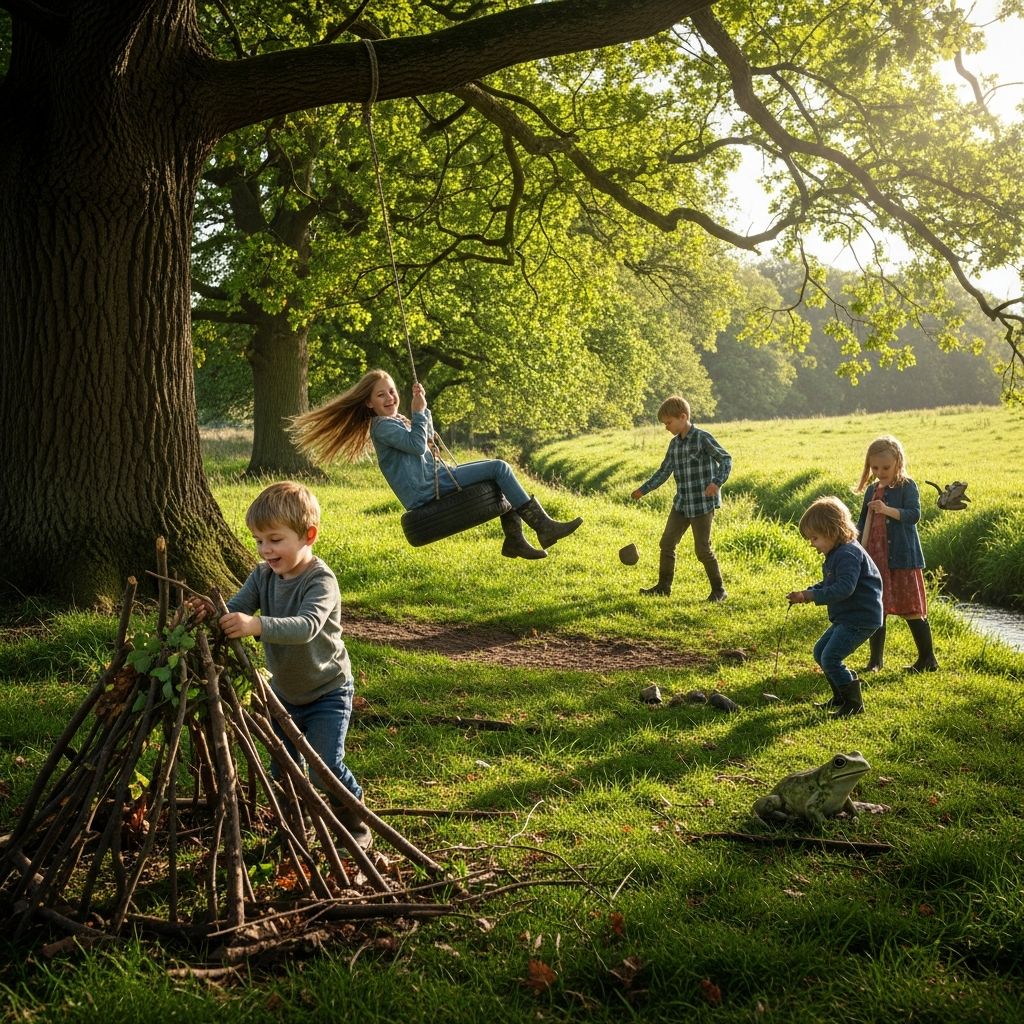
A key pillar of this new era is the “analog childhood,” prioritizing real-world experiences over digital or scheduled ones. Parents are swapping screen-based entertainment and competitive sports for open-ended play with everyday items like sticks, boxes, and art supplies.
This approach builds resilience. When kids face boredom, they learn to entertain themselves, sparking innovation. Pediatric guidelines from the World Health Organization advocate for at least one hour of daily moderate-to-vigorous physical activity, much of it unstructured, to enhance motor skills and attention spans. Families report stronger sibling relationships and parental joy from watching kids invent games in the backyard.
| Old Approach | New Approach | Benefits |
|---|---|---|
| Weekly 5+ activities | 1-2 hobbies max | More family dinners, better sleep |
| Tech-heavy downtime | Outdoor free play | Improved focus, creativity boost |
| Perfectionist events | Simple home gatherings | Reduced stress, authentic bonds |
Balancing Boundaries with Warmth in Discipline
Modern parents are moving toward authoritative styles—firm limits paired with empathy—ditching extremes like unchecked permissiveness. This hybrid method sets clear expectations while explaining reasons, helping kids internalize values.
Hybrid parenting resonates because it addresses past pitfalls. Purely gentle approaches sometimes blurred lines, leading to self-regulation challenges. Now, saying “no” is normalized, teaching respect for boundaries. Psychologists affirm this fosters secure attachments and emotional intelligence. Parents share stories of calmer homes where kids understand consequences without resentment.
Tech’s Role: Helper, Not Hijacker
Technology aids this shift rather than dominating it. AI tools streamline meal planning, reminders, and routines, freeing parents for presence. Apps generate story ideas or chore lists, combating decision fatigue. Crucially, families enforce strict screen limits for kids, favoring device-free zones.
The Surgeon General’s reports warn of social media’s risks to youth mental health, prompting intentional use. Parents model balance by using tech mindfully, ensuring it enhances rather than replaces family time.
Rebuilding the Village: Shared Responsibilities
No parent succeeds alone. The “village strategy” revives communal support through split shifts, hired help, and community ties. One parent handles mornings while the other rests or works, rotating duties equitably.
This combats burnout, especially for mothers burdened by invisible labor. Studies from the OECD show shared parenting correlates with higher family satisfaction and child outcomes. Neighbors, relatives, or services form modern villages, allowing everyone to recharge.
Real Families, Real Transformations
Consider Sarah, a mother of two: “We dropped three activities. Now, my kids bike freely, and we cook together. Everyone’s happier.” Or Mike: “Split shifts mean I exercise guilt-free, returning energized.” These anecdotes echo nationwide patterns, with enrollment in extracurriculars dropping for under-10s.
Long-term, this promises resilient adults who value balance over accolades. By ditching overscheduling, parents nurture well-rounded humans ready for life’s unpredictability.
Frequently Asked Questions
How many activities should my child have weekly?
Aim for 1-2 enjoyable ones, leaving ample free time. Quality trumps quantity for development.
Is unstructured play really beneficial?
Yes, it builds creativity, problem-solving, and independence, per child psychology experts.
What if my child resists less scheduling?
Introduce gradually with fun alternatives like park visits. Boredom sparks self-entertainment.
How do I implement split-shift parenting?
Alternate focused parenting blocks, communicating openly about needs and rest.
Can tech coexist with analog childhoods?
Absolutely—use it for logistics, but prioritize offline play and no-screens family rules.
Steps to Simplify Your Family’s Calendar
- Assess Current Load: List all commitments; cut non-essentials.
- Prioritize Passions: Keep what kids love, drop pressure-driven ones.
- Schedule Downtime: Block ‘nothing’ time like appointments.
- Build Routines: Family meals, walks replace chaos.
- Seek Support: Delegate via partners, services, community.
This blueprint empowers sustainable joy. The era of overscheduled kids is ending, ushering in healthier, happier family dynamics.
References
- 6 Parenting Trends to Keep on Your Radar in 2026 — The Bump. 2026-01-01. https://www.thebump.com/a/rising-parenting-trends
- Parenting Trends 2026: What’s in and what’s out — Call Emmy. 2026-01-01. https://callemmy.com/parenting-trends-2026-3-trends-were-embracing-and-3-were-retiring-this-year/
- 2026 Parenting Trends We’re Excited to Embrace This Year — The Everymom. 2026-01-01. https://theeverymom.com/parenting-trends/
- 11 Parenting Trends Millennials Are Ditching In 2026 — Scary Mommy. 2026-01-01. https://www.scarymommy.com/parenting/parenting-trends-millennials-are-ditching-in-2026